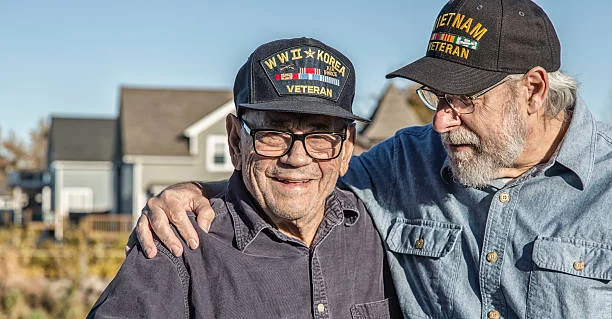
Celebrate a Veteran Today!

Senior-Veteran.jpg

We have combined multiple sites information to give you the most thorough list of all establishments with Veterans Day Specials. Don't miss this great opportunity to celebrate your Veteran. From a steak dinner to a quick coffee this list has it covered. 

From all of us at Maintain Me we like to thank all Veterans and Active Duty Military for their service! 


Veterans Eat Free & Restaurant Deals
Veterans Day 2018


 Anthony’s Coal Fired Pizza
Come visit  any Anthony’s Coal Fired Pizza Monday or Sunday (11/11-11/12) and enjoy one free 12-inch cheese pizza


Arooga’s Grille House & Sports Bar
On Monday, November 12, all veterans and troops will receive one complimentary item from a fixed menu which includes some of Arooga’s favorites.

Aspen Creek Grill
On Monday, Nov. 12th, all veterans and active duty military can select from a complimentary menu from 11 am to 10 pm.

Ben’s Soft Pretzels‏
Free pretzel for veterans on 11/12/18.

Biggby Coffee
On November 11th and 12th BIGGBY COFFEE will be offering free brewed coffee to active and retired military members.

Black Angus Steakhouse
11/12/18 participating restaurants will offer veterans and active military professionals a special $9.99 Certified Angus Beef® Top Sirloin Steak, mashed potatoes, broccoli and a non-alcoholic beverage.

Boston Market
BOGO, buy 1 get 1 free individual meal and drink with Coupon on 11/11 and 11/12.

Break Time
Break Time will give all veterans a free medium fountain drink OR 16oz coffee on Sunday and Monday (11/11 & 11/12).

Calhoun’s
All veterans and active duty military members can enjoy a free meal on Monday, November 12.

Cantina Laredo
Veterans and active duty military can receive a complimentary meal on Mon., Nov. 12.

Charlie Brown’s Steakhouse
Veterans and active-duty military eat lunch for free on Monday, November 12th from 11:30 am-3 pm. Please show valid ID.

Chicken Salad Chick
Chicken Salad Chick is offering a free Chick Special and regular size drink to any veteran or active-duty military personnel who visits on Monday, November 12.

The Chop House
On Sun., Nov. 11th and Mon, Nov. 12th veterans with military ID or in uniform get 50% off any dine-in lunch or dinner entree.

Claim Jumper
On Monday, November 12, veterans who show valid ID may receive a free entree from a special menu. This offer is valid for dine-in only at participating locations.

Coffee Beanery
Veterans and active duty military can get a free tall coffee on Veterans Day, Sunday, November 11th and Monday, November 12th.

Connors Steak & Seafood
On Sun., Nov. 11th and Mon, Nov. 12th veterans with military ID or in uniform get 50% off any dine-in lunch or dinner entree.

Corner Bakery Cafe
Veterans & Active Duty Military can enjoy a free “Choose Any Two” offering on 11/11 AND 11/12.

Country Buffet
Mon., Nov. 12, veterans may eat for free plus a bottled beverage. Offer valid at participating restaurants.

Chick-fil-A
(southern Colorado locations only): Free entree to military and their families on Monday, November 12th.  More info here.

Cracker Barrel
Free Double Chocolate Fudge Coca-Cola Cake on Veterans Day; info here.

Crave Real Burgers
Free appetizer with the purchase of two entrees on Monday, November 12th, as announced here.

Denny’s All You Can Eat Pancakes
All veterans, active, and retired military personnel at all participating Denny’s restaurants nationwide will receive a free Build Your Own Grand Slam breakfast on Monday, Nov. 12, from 5 a.m. to noon. Diners must show ID to receive this offer.

Dutch Bros
$1 off any drink for veterans on Monday, November 12th.

El Chico Cafe
Veterans and active military eat free on Monday 11.12.18 (Limit $15).

Exchange
Veterans, military members and their families can enjoy a free taco any Exchange Taco Bell or Taco John’s on Monday, November 12, 2018.

Famous Dave’s
On Nov. 11 and Nov. 12, in honor of Veteran’s Day all former and current military personnel will receive a free two meat Combo.

Farmer Boys
Monday, Nov. 12 veterans and active duty military with valid proof of service get a free big cheese cheeseburger.

FATZ Southern Kitchen
On Monday, November 12, all Veterans and Active Military members are invited
to enjoy a free Calabash Chicken Basket. Plus, veterans and active military get 25% off all November.

Firebirds Wood Fired Grill
On Monday, November 12 dine with a veteran or active duty service member and their lunch or dinner is free.

Fogo de Chão
Veterans Day Weekend (Nov. 9-11), Veterans receive 50% off.

Furr’s Fresh Buffet
Mon., Nov. 12, veterans may eat for free plus a bottled beverage. Offer valid at participating restaurants.

Friendly’s
Free breakfast (Big-Two-Do), lunch, or dinner (All American Burger, served with fries and a beverage) on Veterans Day.

Glory Days Grill
Free appetizer or a regular order of boneless or grilled boneless wings on Veteran’s Day – both Sunday, November 11th and Monday, November 12th (observed).

Gold Star Chili
Enjoy a free 3-way and drink on Veterans Day. For all who served.

Golden Corral
On Monday, November 12th, 2018 from 5 PM to 9 PM, Golden Corral offers a free sit-in “thank you” dinner for Military veterans, retirees, and active duty members.

Gordon Biersch Brewery Restaurants
Participating locations will offer veterans and active duty military a complimentary free entrée from a Veterans Day menu, on November 10th through 12th.

Home Town Buffet
Mon., Nov. 12, veterans may eat for free plus a bottled beverage. Offer valid at participating restaurants.

Hoss’s Family Steak & Sea House
On Mon. Nov. 12th from 11am-9pm, Veterans and active duty military can eat at the soup, salad and dessert bar for free. Must show proof of military status and valid I.D. is required.

Huddle House
Free order of Sweet Cakes to all active military members and veterans with proper I.D. from Nov. 9-12.

Hy-Vee Free Breakfast
Most Hy-Vee’s are providing a free breakfast buffet for veterans during regular breakfast hours on 11-12-18 from 6-11 am.

IHOP
All active duty and Veterans are invited to come in and enjoy Free Red, White, & Blue Pancakes on Monday, November 12, from 7 am to 7 pm.

Iron Hill Brewery and Restaurant
Available both Sunday and Monday (11/11-/11/12), veterans and active duty service members get a free burger or sandwich and non-alcoholic beverage.

Ivywild Kitchen
$5 macaroni and cheese for veterans on both Sunday and Monday.

Jon Smith Subs
On 11-11- 12 participating locations will offer a free 6-inch Steak Bomb sub to those on active duty or veterans in uniform. An ID will be required and no purchase is necessary.

Keva Juice
Buy one, get one free free 24-ounce smoothie on Veterans Day.

Kneader’s
Free entree for veterans on Monday, November 12th.

Lulu’s Frozen Yogurt
Free 16-ounce cup of yogurt on Sunday and Monday, November 11th and 12th, according to their Facebook page.

K&W Cafeteria
Free meal that includes choice of entrée, two vegetables, bread and a refillable beverage, with the presentation of your military ID on Monday, 11.12.18. Offer valid from 11a.m. to closing.

King’s Family Restaurant
Free meal for all veterans and active military members on Monday, November 12th

Kwikfill
November 10th – 12th veterans receive free coffee at Kwik Fill coffee locations.

Lucille’s Smokehouse Bar-B-Que
On Veterans Day (Nov. 11-12), active and former military can enjoy a complimentary dessert, and a 20% discount with proof of service. Veterans receive 20% off the entire month of November for ‘Military Family Month.’

Luna Grill
From Sat., Nov. 10 through Mon., Nov. 12, military service men and women and veterans will receive their choice of a complimentary signature wrap, plate or gourmet salad when they purchase a meal.

O’Charley’s
All active and retired military service members are invited to enjoy a free meal from O’Charley’s. Veterans can choose from O’Charley’s “Veterans Thank You Menu” all day on both November 11 and 12 simply by showing their military IDs. Restaurant participation may vary by location.

Old Country Buffet
Mon., Nov. 12, veterans may eat for free plus a bottled beverage. Offer valid at participating restaurants.

Peet’s Coffee
Free drip coffee or tea to members of our U.S. military and veterans. Valid on 11/11 and 11/12.

Petro Stopping Centers
All active duty military, veterans and reservists with proof of service can enjoy a complimentary meal from a select menu that includes a beverage on Mon., Nov. 12, 2018, at any participating Country Pride or Iron Skillet restaurant nationwide.

Red Lobster
On Sunday and Monday, November 11th and 12th to thank Veterans, active duty military and reservists, Red Lobster will offer a free appetizer or dessert from their select Veterans Day menu. To receive offer, show a valid military ID.

Rock Bottom Restaurant & Brewery
Saturday through Monday all Veterans will enjoy a free entrée. November 10th through November 17th .25 cents will be donated back to the community for every Veterans day IPA sold.

Ruby’s Diner
Monday, November 12, 2018, all veterans and active duty members of the military are invited to enjoy a Ruby’s adult entrée on the house.

Ryan’s
Mon., Nov. 12, veterans may eat for free plus a bottled beverage. Offer valid at participating restaurants.

Shoney’s
Shoney’s says ‘Thank You’ to America’s heroes by offering a free All You Care To Eat breakfast, to all Veterans and Active Duty Military members on Monday 11.12.18 from open – 11 am.

TA Stopping Centers
All active duty military, veterans and reservists with proof of service can enjoy a complimentary meal from a select menu that includes a beverage on Mon., Nov. 12, 2018, at any participating Country Pride or Iron Skillet restaurant nationwide.

Taco Mac
Veterans and active military get a free 6-pack of wings with a purchase of a beverage on 11-12-2018.

Taziki’s
Free Chicken Gryo entree on Sunday (11th) or Monday (12th) with Military ID (veterans, active duty and reservists get a ).

Texas de Brazil
Two veterans dine complimentary plus 20% off for up to six additional guests on Sunday, November 11 and Monday, November 12.

Texas Steakhouse & Saloon
All veteran and active duty military personnel receive a complimentary meal from a select menu on Mon., November 12th from 11 am to 10 pm.

Thornton’s
Free cup of coffee to our servicemen and women with a military ID starting 11/9 through Veterans Day Weekend (11/11).

Tijuana Flats
A free entree and a drink is offered to military veterans and active duty on Sunday, 11-11-18.

Twin Peaks
In honor of Veteran’s Day, all veterans, active duty military and reservists can eat for free from a select menu on Military Monday, November 12th.

White Castle
Military veterans and active duty military who show proof of service can visit a participating White Castle location on Nov 11th or 12th, and receive a free breakfast combo or castle combo meal #1-6.

Z’Tejas
Veterans can get a $25 gift card to be used toward a future visit on 11/11 or 11/12. Military ID required. Dine-in required.


Read more:

https://militarybenefits.info/veterans-day-discounts-sales-deals-free-meals/
PAPA- Grandkids on Demand

papa_logo+social.png

Papa is a platform that connects senior citizens to college students for fun assistance and a social experience. 


Although Papa is only available in Miami currently it's an interesting idea that we wanted to feature. It seems to be some sort of mix of Uber and Care.com. They refer to it as "Social Transportation". The service is highly tech based as most new services are but also has a direct line for seniors to call if the web/phone based platform isn't their forte. They boast a simplified process to that can link seniors with qualified assistance faster (under an hour) versus other service providers. The range of services provided can be anything from a ride to the hair salon to assistance with grocery shopping or companion related tasks like computer lessons or playing board games.

 Traditional agencies require minimum hour commitments (daily and weekly) and it can sometimes take days to find a qualified caregiver to even come make introductions. Papa offers short-term assistance, and socialization for seniors with no commitment. All college students or "Papa Pals" are highly vetted and put through a rigorous background check. They get a chance to make some extra cash with a flexible work schedule and bolster their resume with experience of social work and elderly assistance. 

So what do you think? Could you see Boulder buzzing with seniors and their college pals zooming around town?


If you're interested about the details visit:
https://www.joinpapa.com/

Storytelling with Timeslips

Timeslips-photo.jpg

Creative storytelling helps you connect with seniors with dementia. Finding different ways to connect with seniors with Alzheimer’s or dementia is a constant challenge.

But a free program called TimeSlips is helping seniors and caregivers have fun together. They have a variety of fun conversation and activity suggestions on their website.

One of their activities uses fun images to inspire creative stories. This allows seniors with dementia to use their creative side and enjoy an activity with no right or wrong answers. This way, they can express themselves without feeling any pressure or expectations.

TimeSlips helps seniors with dementia have fun with their imagination
TimeSlips is a free website that helps caregivers and seniors get creative and tell stories.

Using a fun image and the optional questions, ask your senior their thoughts about the photo. Their response begins the story! This process engages their imagination and creates a fun story for you both to enjoy.

Give them plenty of time to talk about the image. If the conversation stops, ask another simple question to keep the story going. You can choose to write the stories down or just talk and enjoy the conversation.

This activity can be done anywhere and keeps you both entertained and engaged. Make the story as short or long as you want. Anything goes as long as your older adult is having fun.

You can also browse stories created by other people check out the screenshots below:

story2-570x359.jpg

How to use the TimeSlips website
To use the TimeSlips website, you’ll need to sign up for a free account.
https://www.timeslips.org/

After creating your account, choose the “Make Up a Story” activity. You can find it by clicking “Start a Story” on the homepage. Then, in the Creativity Center, click “Make Up a Story.”

Having an account also allows you to write and save the story that you and your older adult create together. You can choose to publish the story publicly to the TimeSlips site or keep it private.

To make it even easier, there’s a helpful video that walks through how the website works and shows how to create a story.

Note: TimeSlips also offers training classes and certification in their storytelling method. Full scholarships are available for family caregivers. 


Create your own DIY story activity
If you don’t want to create an account on TimeSlips, you could use any images you have that might be fun to talk about. You could find pictures in books, magazines, or anywhere online.

Show the image to your older adult and ask a simple question about the image to get the story started.

For example, you could use a picture of your friend’s dog and ask “Where is this dog going?” or “What is this dog’s name?”


 This article was originally published at 
https://dailycaring.com/fun-activities-for-seniors-with-dementia-storytelling-with-timeslips/?utm_source=DailyCaring&utm_campaign=ccbba4cbab-DC_Email_2018-10-29&utm_medium=email&utm_term=0_57c250b62e-ccbba4cbab-123200633

Master Pumpkin Carver Barry Brown lives right here in CO

Barry-Brown.jpg

Master Pumpkin carver Barry Brown carved his first pumpkin at age 10 and has clearly perfected his craft since. What is cooler than his amazing creations? The fact that he resides right here in Colorado!

He currently has an art installation that can be viewed at Union Station
“Pumpkin Tree"(pictured below). He's been featured on almost every local and National news Station, countless publications, and events. 

If you're a procrastinator and still havent carved your pumpkin yet he has a video on his site with tips and tricks of the trade OR if you just cant get enough of Halloween and want to start planning for next year he does carving parties that can be booked for large groups. What a fun idea!

Visit his website for everything pumpkin carving
http://barrybrowncreative.com

Union Station “Pumpkin Tree”

Union Station “Pumpkin Tree”

image010.jpg

Keep Halloween Fun & Easy for Everyone

banner_1_orig.jpg

What's not to love about Halloween?
No. Seriously. What's not to love?!


Leaves changing, Crisp nights, Holidays right around the corner. Deep Sigh.

Or maybe sugar-crazed children running amok in the streets is the image that pops into your head first. Fair enough. BUT Halloween is actually a holiday with tons of traditions which is great when it comes to including your senior loved one. Traditions trigger fond memories, funny stories and help seniors stay connected with family. 

Lets start with the obvious. Pumpkin Carving. Easily done seated at a table, if dexterity is an issue then they can help with baking the pumpkin seeds. You do bake the seeds right??? 

Speaking of baking... that's another great Halloween activity. Cookies, cupcakes, you name it. Pinterest has more creative ideas for baked goods than you can get to before the 31st. 
Here's a link for a cute baking project
 https://www.pinterest.com/pin/475622410626615563/

In that same arena is crafts. Pinterest is a great resource for ideas if you're not sure what to do. Craft stores like Michael's have great pre-cut, self adhesive foam kits that are all deeply discounted the week or two leading up to Halloween. As of this week most Halloween craft items were 60% off. 
Here's a link for a super simple craft
 https://www.pinterest.com/pin/507006870534253620/

If Grandma or Grandpa know how to sew you could always enlist their help with costumes. Watch a classic scary movie together. Even easier, have them pass out candy at your house. All the interaction with excited kiddos and the parade of wild costumes are worth the later bedtime. 

- Happy Halloween -

HOW EMOTION LASTS LONGER THAN COGNITION IN AND OUT OF DEMENTIALAND

1.jpg

Emotions typically last a lot longer than whatever caused the feeling.

When something good happens, you might feel great the rest of the day. And if something bad happens, you could be in a bad mood for a whole day. An expert explains how emotions from interactions can influence the behavior of someone with dementia even after the event is over. Get real-life examples of why it’s important to start an interaction on a positive note and tips that help you do so.


Have you ever been in a bad mood and can’t put your finger on why?

Have you ever been pissed off  but are unable to say why you’re mad if someone asks?

Have you ever told someone you had a bad day but upon further questioning couldn’t explain why your day had been so bad?

Have you ever had an argument with a friend or family member that had you all riled up – although you couldn’t really remember what the argument was actually about?

That’s because emotion often lasts longer than cognition. Something puts you in a bad mood, and you stay in that bad mood long after you’ve forgotten what put you in that bad mood.

(I recently read something that asked: “Did you really have a bad day or did you have a bad five minutes that you allowed to ruin your whole day?” For me, the answer is usually the latter, but I’m working on it.)

Nowhere is this more true than Dementialand. This is why it’s important to start an interaction with someone who has dementia in a positive manner.

If I approach an individual with dementia and startle them…if I get upset with them for misidentifying me…if I raise my voice because they don’t respond to my greeting…if I do anything to increase their level of anxiety at the start of the interaction…the emotion this evokes stays with the person long after the memory of the moment is gone. Emotion lasts longer than cognition.

The “start-up” of an interaction is important (and this isn’t just true in Dementialand). Keep in mind that increased anxiety is related to decreased cognitive clarity. If we agitate someone, we should expect that their ability to think clearly will be compromised (again, not only true in Dementialand).

If I yell at my college students before they take a test, I would expect them to not do well on the test. If I approach someone with dementia in a way that provokes anxiety, I would expect that they might be unable to respond to my questions. If I cause someone anxiety, they struggle to think clearly – even if after they’ve forgotten exactly what caused that anxiety.

Keep in mind that emotions are chemical reactions. The chemical reactions don’t stop when an individual can’t remember what caused them.

A few ideas for positive “start-ups” when interacting with someone who has progressing dementia:
 

1. Approach from the front to give someone the maximum likelihood of recognizing you.

2. Move slowly. The dementia brain takes longer to interpret visual data. You can make it easier for someone with dementia by avoiding spastic and sudden movements, which can provoke agitation.

3. Say your name even if you think they know who you are. Many people with dementia have anxiety when they can’t remember who someone is but are too embarrassed to admit they don’t know the person.

4. Wait for a cue (verbal or non-verbal) before moving into someone’s personal space.

5. Remember that a person may struggle to understand words but can likely still interpret non-verbals. A smile goes a long way.

6. If you greet someone and they don’t respond immediately, be patient. Don’t raise your voice in an attempt to get their attention or elicit a response. People with dementia take longer to interpret a greeting and formulate a response. Also, make sure you accept both verbal and non-verbal responses.

7. When walking into someone’s house or bedroom, consider knocking as a courtesy. (This is an especially good idea when walking into someone’s room at a nursing home. We don’t generally take kindly to visitors walking into our bedrooms unannounced – people living in nursing homes are no different.)

8. If the person seems distressed, appear concerned rather than overly happy. You want to show you are paying attention to their emotions. You can start with something like, “You seem angry to me” or “It sounds like you’re sad today.”

9. Resist the temptation to get right in someone’s face if they are struggling to acknowledge you. It’s intimidating. (Do you like people up in your face?)
 

When I give tips like these, please don’t think my advice is from the perspective of a person who has these skills mastered. Sure, I know them and teach them. Yet, every time I interact with someone who has progressing dementia I could do something better.

In fact, I’ve started working on a series of posts that I might title something like “epic fails” and focusing on my own contributions to negative interactions with people who have dementia.

When it comes to dementia, I’ve said the wrong thing only a million times. I’ve triggered meltdowns. I’ve caused stress and anxiety. I’ve made people cry. I’ve been cursed at and called names that would make frat boys blush.

Much of this could have been prevented had I changed my approach.


This article was featured on Daily Caring
https://dailycaring.com/how-emotion-lasts-longer-than-cognition-in-and-out-of-dementialand/?utm_source=DailyCaring&utm_campaign=8952f73bc9-DC_Email_2018-06-18&utm_medium=email&utm_term=0_57c250b62e-8952f73bc9-123137181

National Rx Take Back Day- Oct. 27th

DEA_TakeBack2018_DigitalBillboard_1400x400_Eng.jpg

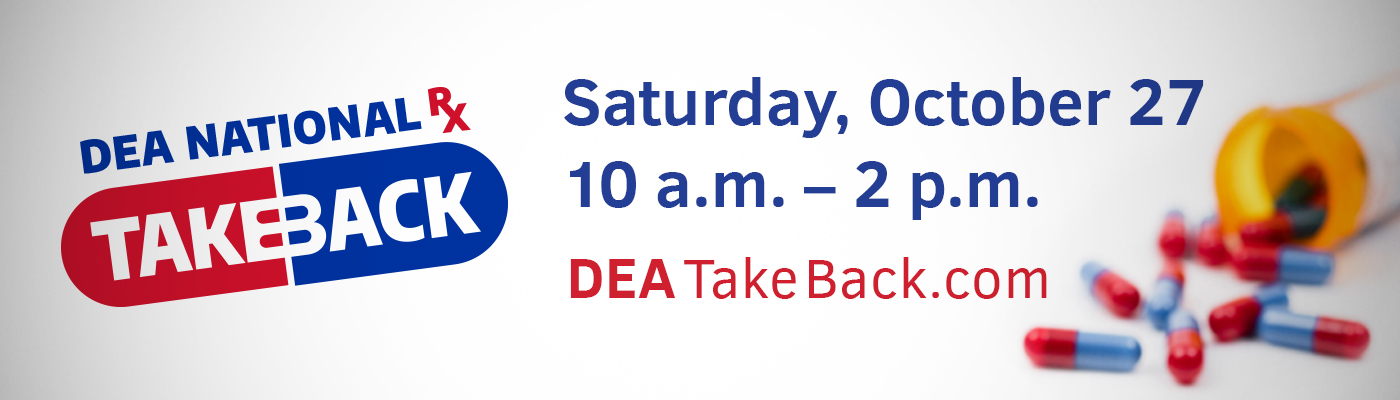
The National Prescription Drug Take Back Day aims to provide a safe, convenient, and responsible means of disposing of prescription drugs, while also educating the general public about the potential for abuse of medications.


How does this Apply to our Senior Community?

University of Michigan Institute for Healthcare Policy and Innovation conducted a poll of more than 2,000 adults, aged 50 to 80, found that nearly one-third had received an opioid such as OxyContin or Vicodin in the past two years, mainly for arthritis pain, back pain, surgery and/or an injury.

Only 37 percent of patients said their doctor discussed what to do with leftover opioid pills, while 25 percent said their pharmacist had done so. Half of the respondents who'd been prescribed an opioid said they didn't use all their pills, and 86 percent said they kept leftover opioids for later potential use.

According to Alison Bryant, senior vice president of research for AARP, "The fact that so many older adults report having leftover opioid pills is a big problem, given the risk of abuse and addiction with these medications."

Bryant explained that "having unused opioids in the house, often stored in unlocked medicine cabinets, is a big risk to other family members as well. These findings highlight the importance of improving older adults' awareness and access to services that will help them safely dispose of unused opioid medications."


Please visit the Take Back Day website for
Collections Site Locator
https://takebackday.dea.gov/


To read full article regarding Seniors and Unused Medications
https://www.webmd.com/pain-management/news/20180731/most-seniors-uninformed-on-opioid-use

Senior Living Providers Can No Longer Blow Off Pot Policies

1-marijuana-pic-792x500.jpg

As more older adults embrace marijuana use, senior living providers who don’t take heed of the budding trend could find themselves in legal hot water—even if they operate in states where medical and recreational cannabis use is legal.

Seattle-based Lane Powell PC, a regional law firm headquartered in Seattle, saw a noticeable uptick in senior living providers seeking advice on marijuana policies when Washington and Oregon legalized it for recreational use in 2012 and 2015.

“Oregon and Washington…we’ve had medical marijuana for years, so a lot of our providers here were used to dealing with that,” said Gabriela Sanchez, shareholder and co-chair of the firm’s senior living and long-term care team. “What’s new is the recreational piece. We do get a lot of questions about marijuana use.”

In recent years, some senior living providers have sought to navigate the legal hazards of recreational and medical marijuana, from storage to where and how seniors can use it. Still, others might be tempted to adopt a kind of don’t-ask, don’t-tell policy regarding pot use among their residents. And that’s the wrong way to do it, Sanchez said.

“It’s important for you to regulate the things you can,” she explained to Senior Housing News. “If you take a head-in-the-sand approach, you’re increasing your risk of enforcement actions.”

Pot’s growing popularity

It’s safe to say the acceptance of marijuana is on the rise in the U.S., at least in the eyes of the public. Even former Republican Speaker of the House John Boehner said his thinking on the leafy green plant “evolved” in recent years.

As of the beginning of 2018, eight states—Alaska, California, Colorado, Maine, Massachusetts, Nevada, Oregon and Washington—have legalized both medical and recreational marijuana, as has Washington, D.C. On top of that, 22 states have legalized medical marijuana to date.

As laws have changed, so too has public perception, including among older adults.

A recent University of Michigan/AARP survey found that 80% of responding adults age 50 to 80 “strongly” or “somewhat” support medical marijuana use when a doctor consents. Furthermore, 18% of those surveyed said they personally know someone who uses pot for medical purposes—a possible “tipping point” for the drug.

It’s not just medical marijuana, either. A Pew Research Center survey released in January found that a whopping 56% of baby boomers favor total legalization of pot.

“What I always tell my clients is, these are all your future residents,” Sanchez said. “If you think your residents are using marijuana now, just wait until a little bit.”

Marijuana cultivators and suppliers are also taking note of this trend.

For Olive Tree Wellness Center, a medical cannabis dispensary in Ramona, California, “canna-boomers”—or baby boomers who use pot—represent a growing share of the consumer marketplace, according to Carlos Gutierrez, the dispensary’s spokesperson. Some of their favorite products at Olive Tree include vaporizer cartridges, pot capsules, infused topical creams and marijuana “flower,” which is also known as bud or leaf marijuana.

Still, senior living communities have been a “tough nut to crack” thus far, Gutierrez told SHN.

“We know there’s a large amount of potential [clients] that live in these facilities, but they are difficult to reach because many of the corporations that run these facilities will not allow cannabis consumption for insurance purposes,” he explained. “If cannabis was federally legal and insurance was not an issue, we believe use of cannabis within these communities would skyrocket.”

In response to these trends, some forward-thinking senior living providers have even started inviting pot experts into their communities, if only to educate their residents. Last year, Louisville, Colorado-based Balfour Senior Living held a series of “Cannabis 101” lectures that drew between 50 and 100 attendees per event.

The lecture series proved so successful that Balfour is holding more of them, with the next installment occurring at Balfour at Riverfront Park in Denver on April 25.

“I think that if there continues to be education around cannabis and the stigma begins to fade, yes, there could be an increase in seniors consuming marijuana over taking prescription drugs,” Lindsay Mitchell, director of corporate communications at Balfour Senior Living, told SHN.

Legal risks and best practices

Despite the rising trend of marijuana legalization, the drug still holds many legal pitfalls for senior living providers. Chief among them is the fact that owners and operators who let residents partake could technically be subject to federal enforcement under the Controlled Substances Act (CSA), which classifies marijuana as a schedule 1 drug along with LSD, heroin and cocaine.

Nursing homes or other senior care communities that take federal dollars could be at an even greater risk. For example, allowing marijuana use could imperil a nursing home’s Medicare certification, according to a March 19 blog post Sanchez co-authored.

Those risks are lessened for private-pay communities, but they’re not nonexistent. For example, residents of Oregon California and Washington can legally grow and store marijuana in their private homes. But what happens if they reside in a senior living community?

“Let’s say you have 10 residents that use marijuana and each one brings in four mature plants. Now you’ve got 40 marijuana plants [at the community],” Sanchez noted. “If you don’t have a policy, you’re risking a significant enforcement action from the federal or state government.”

It’s risks like these that make enacting a clear pot policy necessary, including at communities that forbid the use of marijuana outright. Senior living providers should at least think about how their residents store and consume marijuana, who administers it, where marijuana consumption is allowed, and which residents can use it.

Some best practices Sanchez suggested include informing residents of marijuana policies, creating negotiated risk agreements, obtaining proof of medical marijuana cards, disallowing workers to administer or store marijuana, controlling which forms of marijuana are allowed, and providing informational brochures about safe and legal marijuana use.

Complicated as that may seem, most senior living providers likely already have some similar policies in place regarding another potentially risky substance: alcohol.

“I always tell [clients], treat it like you would alcohol consumption. It’s very analogous,” Sanchez said. “The process, the procedures, what assessments you have to take beforehand. It’s very very similar to drinking alcohol.”

Written by Tim Regan

Link to Original post https://seniorhousingnews.com/2018/04/19/senior-living-providers-can-no-longer-blow-off-pot-policies/#.WtnhiNRAVMM.email

Most Retirees Prefer to Stay Put. AARP survey finds 3 in 4 hope to remain in their home

manwoman.jpg

While it’s common to daydream of someday moving to a sunny clime or exotic locale, a clear majority of American adults would prefer to stay in their current home as long as possible, a new AARP survey of adults age 50-plus reveals. But only 46 percent think that will be possible. 

More than 3 in 4 people — 77 percent — agree with the statement, “I’d really like to remain in my community for as long as possible,” according to AARP’s “Home and Community Preferences Survey,” conducted by NORC at the University of Chicago. Nearly the same number hope to stay in their current house. But only about half of adults 50-plus think they’ll be able to stay put. “We know that most people want to stay in their own homes, and the fact that many won’t be able to says that we need to do more to ensure that people age the way they want to,” says Joanne Binette, senior research adviser for AARP policy research and international affairs.

Among the poll’s other findings:

36 percent plan to modify their homes to enable them to stay as they age.
Bathrooms and entryways are the most likely modifications.

People were split on whether they’d share their home in order to stay there; 32 percent said yes, and 29 percent said no.


The full study can be found here
 https://www.aarp.org/research/topics/community/info-2018/2018-home-community-preference.html?CMP=RDRCT-PRI-OTHER-LIVABLECOMMUNITIES-032218

This article originally published 
https://www.aarp.org/retirement/planning-for-retirement/info-2018/retirees-age-in-place-aarp-study.html?cmp=EMC-DSO-NLC-RSS---CTRL-101918-P6-3305190&ET_CID=3305190&ET_RID=36681338&mi_u=36681338&mi_ecmp=20181019_DailyBulletin_Control_247401_320001&encparam=wkysKG5P8%2fXrG29py%2b20OZ%2fGsl2lm6X5g3df6nxsIu4%3d

AARP Highlights Continued Lack of Affordable Senior Living Options

middle-class-americans-istock-000011193166small.jpg

The cost of long-term services and supports is high, and senior living is still not attainable for most older adults or their families.

The most recent example of the high cost of care is courtesy of a new report from the AARP Public Policy Institute. The 24th annual report, titled “Across the States 2018: Profiles of Long-Term Services and Supports,” includes state and national data from a large number of studies and data sources.

In 2017, the national base price for assisted living was $45,000, according to the report, which draws from the annual Cost of Care Survey from insurer Genworth Financial (NYSE: GNW). The median annual cost of a nursing facility was $97,455 for a private room and $87,600 for a shared room; and the median annual cost for home health care was roughly $33,540.

Simply put, the cost of many long-term services and supports are still out of reach to many older adults and their loved ones across all states, the report noted.

“Although the cost of care varies greatly across the states, [long-term services and support] — especially nursing facility care — is unaffordable for most middle-income families,” the report’s authors explained.

Medicaid will cover nursing facility care once an individual has spent down their assets. However, this option is not always available for assisted living settings, which are predominantly private-pay in nature. At the same time, the number of available assisted living units varies widely throughout the U.S., from a high of 121 units per 1,000 people age 75 years or older in Oregon to a low of just 20 units for the same age group in Louisiana.

That doesn’t mean there aren’t potential fixes coming down the pike, though. Recent policy changes mean that Medicare Advantage (MA) plans could start to cover more senior living services in the years ahead, Senior Housing News has recently reported. And the senior living industry has long pondered how it could offer middle-market pricing to older adults, with ideas ranging from focusing on value and changing design convictions to creating a whole new property type that lies somewhere between active adult and independent living.

Written by Tim Regan

Read the full AARP Public Policy report here
https://www.aarp.org/content/dam/aarp/ppi/2018/08/across-the-states-profiles-of-long-term-services-and-supports-full-report.pdf


Can Apple products save you from a stroke, cardic episode or devastating fall?

636724406812596648-apple-watch-series4-ecg-crown-09122018.jpg

When most people or at least when I think of Apple products, young social media addicted Millennials come to mind. Not my Grandpa. But as of late there is good reason to believe that there is no share of the market that Apple is not interested in, including Seniors. During Apple’s press unveiling of the new Apple Watch Series 4, Chief Operating Officer Jeff Williams referred to the new timepiece as an “intelligent guardian” on your wrist. 

There is no doubt the new features are geared towards an older user and could prove invaluable for a senior who is trying to branch out and utilize as many resources as possible to stay independent. 


Using a companion app on the iPhone and an electrical heart sensor on the watch, you can generate an ECG (electrocardiogram) merely by placing your finger against the Digital Crown. Apple says this FDA-cleared feature, a first of its kind offered over the counter, will become available to owners of the Series 4 watches in the U.S. in an update later this year. 

What’s more, the latest watches can also automatically detect a spill and summon help if you’re immobilized or unresponsive. 

These new features further cement what appears to be a major push by Apple into health care. Apple will tell you that it didn’t have strict business ambitions in the health field but that many of its initiatives in the space have happened organically.  “The more we pulled on the threads, the more we realized that we have an enormous opportunity to really help people from a health standpoint,” Williams said in an interview. 

Apple has had a Health app for iOS since 2014, used for, among other purposes, tracking your steps, nutrition and housing a medical ID with your blood type, medications and emergency contacts. 
 

 The clearance from the FDA that Apple announced relates to two features: 

First, is that the watch can passively monitor your heart for irregular rhythms and deliver alerts if and when it detects them – this feature is available on all Apple Watch models dating back to the original.

The second, for the Series 4 only, is the ECG feature – which you, as the wearer of the watch, have to manually activate through the Digital Crown. The watch has a titanium electrode that works with the electrodes in the back crystal. The experience is supposed to take about 30 seconds, with the ECG classifying the results as either a normal “sinus rhythm” or AFib.

Apple says it will educate you when you first start using the app, but that process was not previewed in advance. You’re encouraged to share the results and consult with your doctor; you can send over a PDF with the ECG waveforms. 
 

The fall detection feature in the Series 4 might, in fact, be a life saver. It relies on the device’s accelerometer and gyroscope. Apple says such sensors can analyze wrist trajectory and impact acceleration.

If a tumble is detected, a notification will appear on the watch face. You can tap to acknowledge the fall but say you’re OK. Or you can tap an emergency SOS button to solicit assistance. 

If you haven’t responded within a minute – perhaps you hit your head and blacked out –the watch can call 911 using your nearby phone or its own cellular transmitter and also send a notification with your location to your preset emergency contacts. To help prevent accidental 911 calls, you’ll start to hear ever-louder beeps 45 seconds after the fall occurs – much like those home-based medical emergency systems – alerting you that the 911 call is about to made.

Fall detection is automatically enabled for users over age 65,; otherwise, you can turn on the feature inside the Watch app on your iPhone.

Over the past couple of years, Apple has been working with various insurance companies, some of which are subsidizing the cost of the watch for customers.


See full article featured in USA Today 
https://www.usatoday.com/story/tech/columnist/baig/2018/09/13/apple-watch-lifesaver/1289232002/

Citizen Lobbyist Training October 22nd

csllogotempsmall.jpg

Citizen Lobbyist Training Hosted by Colorado Senior Lobby

Most people think that the only way to be politically engaged is to vote or run for office. These are important, but if want to really be in a position to inform and educate your 
legislators, and to advocate for issues important to you: we will show you the way.

As an individual citizen, your elected officials depend on you to provide input, to inform and educate them on issues of importance to you. Every legislator wants to do a good job, and to do good. If you ask them, they will all tell you they want your help - and maybe you did not vote for that particular official - it does not matter. We’ll show you how to help them most effectively.
 

This training covers ...

  • Review the Colorado General Assembly

  • General Assembly Committee Structure

  • Legislative Legal Services and what they do

  • How a Bill becomes Law

  • How to effectively communicate with legislators and staff

  • Procedures for testifying at committee hearings (hint - show up)

  • Guidelines for Citizen Lobbyists

  • The CSL Capitol Gang - a gang for good

  • Individual Citizen Lobbyist Advocacy

  • CSL Legislative Committee Meetings - what happens there


October 22, 2018 – Monday, 9:30AM – 11:30AM
Location: Legislative Services Building, Room LSB-B
Address: 200 East 14th Ave, Denver, CO 80203
This building is south of the capitol on 14th Avenue.

For more information and to register go to:
https://tinyurl.com/training10-22-18

Questions? Call CSL at 303-832-4535

A Little Help's- Little Breakfast Fundraising Gala

20181003_075055.jpg

We had a great time attending
A Little Help's
Little Breakfast Fundraising Gala

Its always fun to when we have the opportunity to connect with other great resources for Seniors. A Little Help is a Colorado nonprofit that connects neighbors to seniors in their community. They equip neighbors of all ages to volunteer for direct services to empower the elders to live interdependently and with a high quality of life. Volunteers provide services including transportation, yard work, technology and handy help, companionship, and caregiver respite among others.

To learn more about A Little Help visit https://www.alittlehelp.org/

Maintain Me is now part of the National Placement & Referral Alliance!

big news.png

We Represent An Industry on the Rise


For the first time ever, Placement and Referral agents and agencies have organized from around the country to create an Alliance to make some needed changes. 


The senior assisted living placement and referral industry is over 25 years old; yet there are many people who are unaware of this specialty. A placement and referral professional assists seniors and their families in securing quality independent, assisted, residential and memory care living.

The NPRA focus's on the following key components:
 

Families Have Rights/Family Choice

“Only an informed choice, is a good choice.”
Most families searching for senior care or housing are generally under immense time restraints and stress.Often a family will turn to the internet to research their available options, including price and services provided.
Too many times, they click the ‘submit’ button and unknowingly commit to an ‘implied contract’
NPRA believes by clicking a ‘submit’ button on an ‘information only’ website should not eliminate:
A family’s right to be represented by an agent of their choice
A family’s right to their own personal information
A family’s right of rescission of “services.” Agents For A Fair MarketplaceOur driving force is to establish fair business practices. Better services for the consumer through partnerships, innovation and public policy.
 

National Best Practices & Code of Ethics

Create a strong foundation for a viable industry.
We believe that unified standards can make our industry stronger. Our Best Practices and Code of Ethics work alongside our members and sponsors to develop and maintain those industry standards.


To Join or Learn More about how you can NPRA visit http://npralliance.org 

Need a better way to manage your Prescriptions?

160414110419-pillpack-780x439.png

PillPack.com is a modern take on managing
you or a loved ones Prescriptions. 

Medication is delivered every month in pre-sorted, easy to read packets containing exact dosages of doctor prescribed medication as well as OTC vitamins. PillPack.com is a pharmacy so other common items like testing supplies, inhalers, and creams are also available. 

They automatically work with your doctors and process your refills. Regularly review your medication schedule and manage your bills and claims directly with your insurance.

PillPack.com has an interactive App to manage prescriptions as well as 24/7 phone support for those who may not embrace the tech based portion of the service. This is could serve as a great tool to help maintain independence at home or alleviate a caregivers workload.

Check out the website at https://www.pillpack.com/

Millennials and Cargiving? Yes, it's a Thing

Granddaughter-and-Grandmother_1.jpg

More than 10 million of them act as caregivers – and most work at the same time


by Jo Ann Jenkins, CEO, AARP, May 29, 2018


There’s a pretty striking point that can be made about caregiving: No matter who you are, at some point in the future, you’ll either be a caregiver or need one. 

I suppose the saying could be amended to include the phrase provided you live that long, but the point remains: caregiving, and the eventual need for it, is just about as close to a certainty as one can find in life.

If that sounds a little overdramatic, it’s not intended that way — it’s just a statistical likelihood. Just ask the more than 40 million people in the U.S. who are already serving as unpaid caregivers, most often for an aging parent or a grandparent. And with the 65+ population in the U.S. set to nearly double over the next generation, caregiving will only become an even more pervasive issue.

Of course, caregiving is nothing new — it’s been going on since the beginning of time — but it seems to touch each successive generation a little differently. The latest affected is the millennials, who range in age from the late 30s down to the early 20s. Perhaps that sounds a little young to be a caregiver, but it’s not. Statistics show that more than 10 million millennials in the U.S. are acting as unpaid caregivers — that’s one quarter of all unpaid caregivers in the U.S.

With that in mind, Millennials: The Emerging Generation of Family Caregivers, a new study released by AARP, takes a look at how the caregiving equation is playing out in the lives of millennials and shines a light on the path forward.

Among the report’s most notable findings:

Time — On average, millennials spend 21 hours per week on caregiving duties (i.e., just over half the time that constitutes a full-time work week) and nearly three quarters of them (73 percent) do it while also working a job.

Talking (or Not) — Compared with older caregivers, millennials tend to keep it to themselves: only 19 percent discuss their caregiving duties with coworkers vs. 47 percent for older caregivers. And fewer than half of millennial caregivers (46 percent) mention their duties to a supervisor, which may be a reflection of the fact that 54 percent say their work or career prospects have been negatively affected by their caregiving commitments.

Money — Perhaps most pressing is the cost of caregiving. Of the more than 1,200 millennial caregivers surveyed, the average respondent reported spending $6,800 per year (of their own income) on caregiving expenses (e.g., food, supplies, home modifications.) Compounded with the mounting student debt that is common for many millennials, the already profound challenges posed by caregiving can add financial pressure to the lives of caregivers. 


Caregiving and Employment

OK, so where do we go from here? Given the intersection of caregiving and employment, clearly, employers have an important role to play. 

Here at AARP we made a decision a couple of years ago to implement a caregiving leave program intended to help employees balance their work requirements with the demands of providing caregiving to a family member. All active full-time AARP employees in good standing may request up to two regularly scheduled work weeks of paid time off per calendar year to provide care for a family member who has a serious health condition, or to help a family member who is at least age 50, or a family member of any age with a disability. All part-time employees are eligible for a similar, pro-rated paid caregiving leave schedule. As we approach the program’s second anniversary, 26 percent of AARP employees have used caregiving leave for an average of about 36 hours per year.

For us, it’s working well. Employees in good standing with pressing caregiving needs — i.e., ones that cannot be integrated with their working life — are able to apply for leave that, when granted, doesn’t leave them in a hole financially or, worse, find them squeezing through yellow traffic lights in an attempt to get to work or to a relative’s home on time. Employees who have used the program tell us it’s a great relief of stress and, counterintuitive to taking them “away” from their work at AARP, actually results in them being more engaged in their role in our organization and our overall mission to serve people age 50-plus.

While there are various studies that can help organizations calculate the “return on investment” from caregiving leave programs, sometimes the value of such things is difficult to calculate. You do it because it’s the right thing to do or because it’s something the times require. In the case of caregiving, here at AARP we find that both considerations apply.

I’m hoping this column can help advance, or at least contribute to, the discussion of ways employees and employers can work together to find workable solutions to the caregiving conundrum now and, increasingly, in the future. While there are compromises to be made on both sides, like many significant challenges the path forward can likely be found in reminding ourselves all that we have in common. 

With its borderless, touches-just-about-everyone dynamic, caregiving has a funny way of doing that. 

Jo Ann Jenkins is CEO of AARP. She is the author of Disrupt Aging.


Link to Original Article
https://www.aarp.org/caregiving/home-care/info-2018/millennial-caregivers-work-life.html

The United States of Aging Survey

MTF_senior-survey.jpg

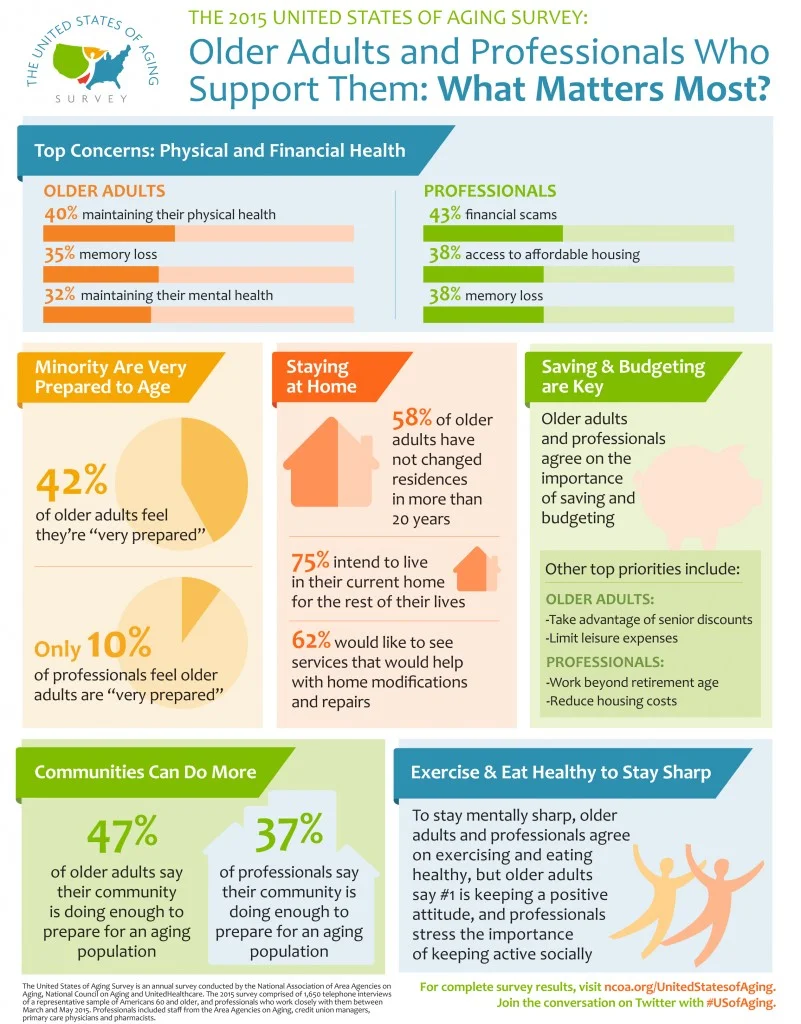
The 2015 United States of Aging Survey comprised 1,650 telephone interviews, including nationally representative samples of Americans 60 and older and professionals who work closely with them. Professionals included staff from the Area Agencies on Aging, credit union managers, primary care physicians and pharmacists.
 

USA15-Infographic-Final-801x1024.jpg


Denver Key Findings


Older adults in Denver take a proactive approach to maintaining their mental and physical health as they age.

  • To stay mentally sharp, older Americans in the Mile-High City place a high emphasis on eating a healthy diet (62 percent), keeping a positive attitude (51 percent), reading books (50 percent), maintaining an active social life (50 percent), getting enough sleep (49 percent) and exercising regularly (46 percent).
  • Forty-nine percent visit cultural centers, 42 percent exercise in public and 62 percent report that they exercise more than two times per week or every day.

Older adults in Denver express confidence in current financial situations but concern about their financial future.

  • Eighty-four percent are confident they will be able to afford health care costs as they age, and 75 percent find it easy to pay their monthly bills, yet 58 percent expressed concern about their savings and income being sufficient to last them for the rest of their lives.
  • To help manage their finances, only 3 percent work with financial planners, yet 50 percent report taking advantage of discounts, 48 percent create a monthly budget and 43 percent save money.

Older Americans in Denver want to stay in their homes as they age, but have concerns about living independently.

  • Fifty-seven percent have not changed residences in more than 20 years, and 74 percent say they intend to live in their current home for the rest of their lives.
  • However, only 26 percent are interested in the expansion of services that would help them maintain and upgrade their homes.
  • When asked what concerns they have about living independently, they are most concerned about losing their memory (43 percent), becoming a burden to others (39 percent) and not being able to get out of their house and/or drive (36 percent).


Please visit the homepage for NCOA- National Council on Aging, for more information
https://www.ncoa.org/news/resources-for-reporters/usoa-survey/infographic/


Boulder County Residents: FREE Caregiver Training Program

o-ASSISTED-LIVING-facebook.jpg

The National Caregiver Training Program is designed to help family caregivers feel more confident about the care they provide. The course is taught by a registered nurse and covers topics such as caring for someone on bedrest, providing personal care, using a wheelchair safely, managing medications, taking vital signs, controlling infection, preventing falls, using local resources, and more.

The course is open to Boulder County residents providing local or long-distance care for a relative, partner or friend who is 60 or over, or of any age if the person has dementia. There is no charge, but donations are appreciated. Financial assistance for respite care (substitute elder care) during class periods is available.

A family caregiver who took the course said, “I’m so glad to have taken this class. I feel more capable as a caregiver now, and I’m going to recommend the course to other caregivers I know!”


What: National Caregiver Training Program
When: Thursdays, July 12 – Aug. 15, 5 – 8 p.m.
Where: Home Care of the Rockies, 7105 La Vista Pl, Suite 100, Longmont. On the Diagonal Highway, next to IBM
 

Pre-registration is required. To register, or for more information, please call 303-678-6116 or email  InfoCaregiver@bouldercounty.org.