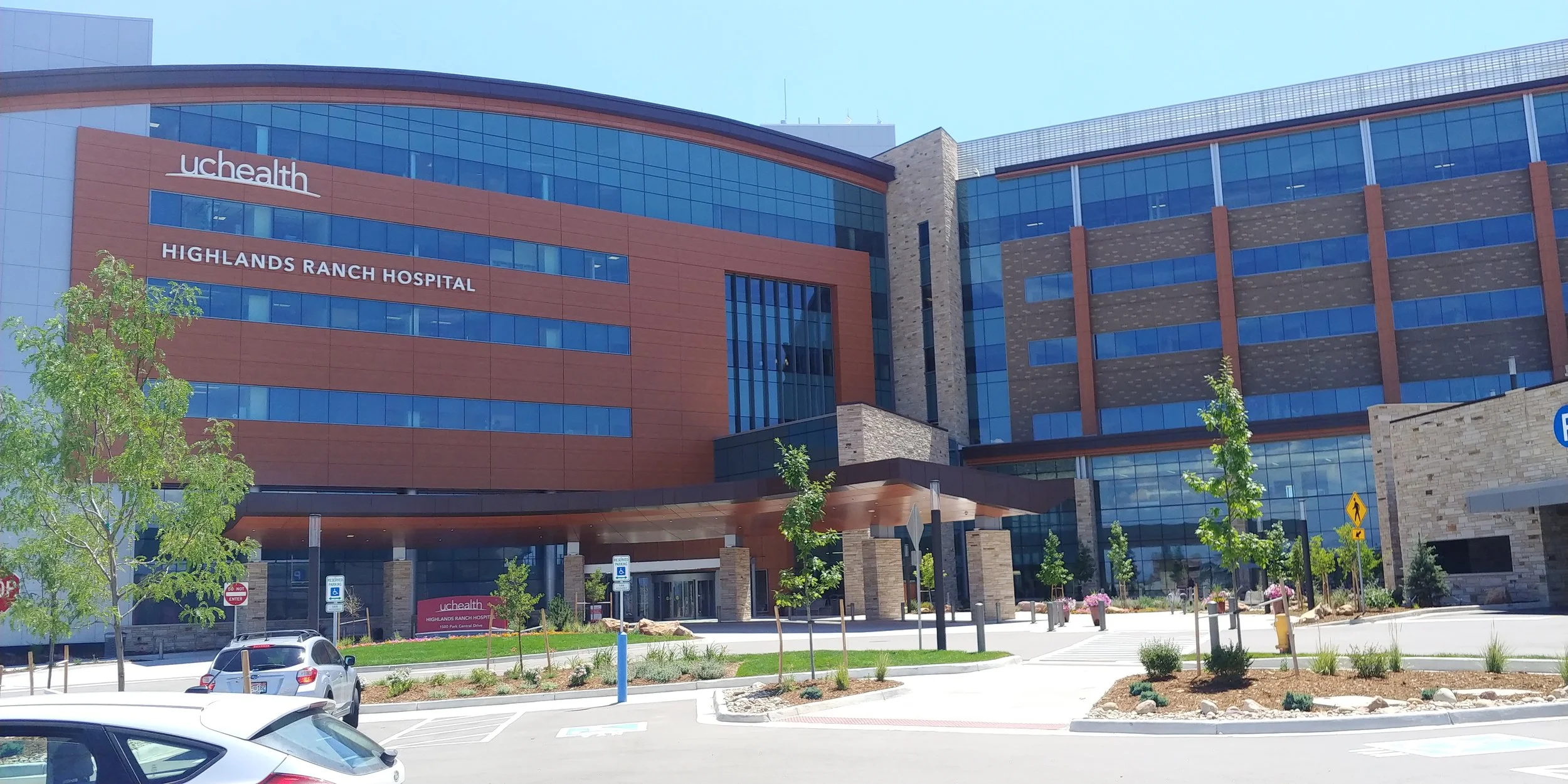
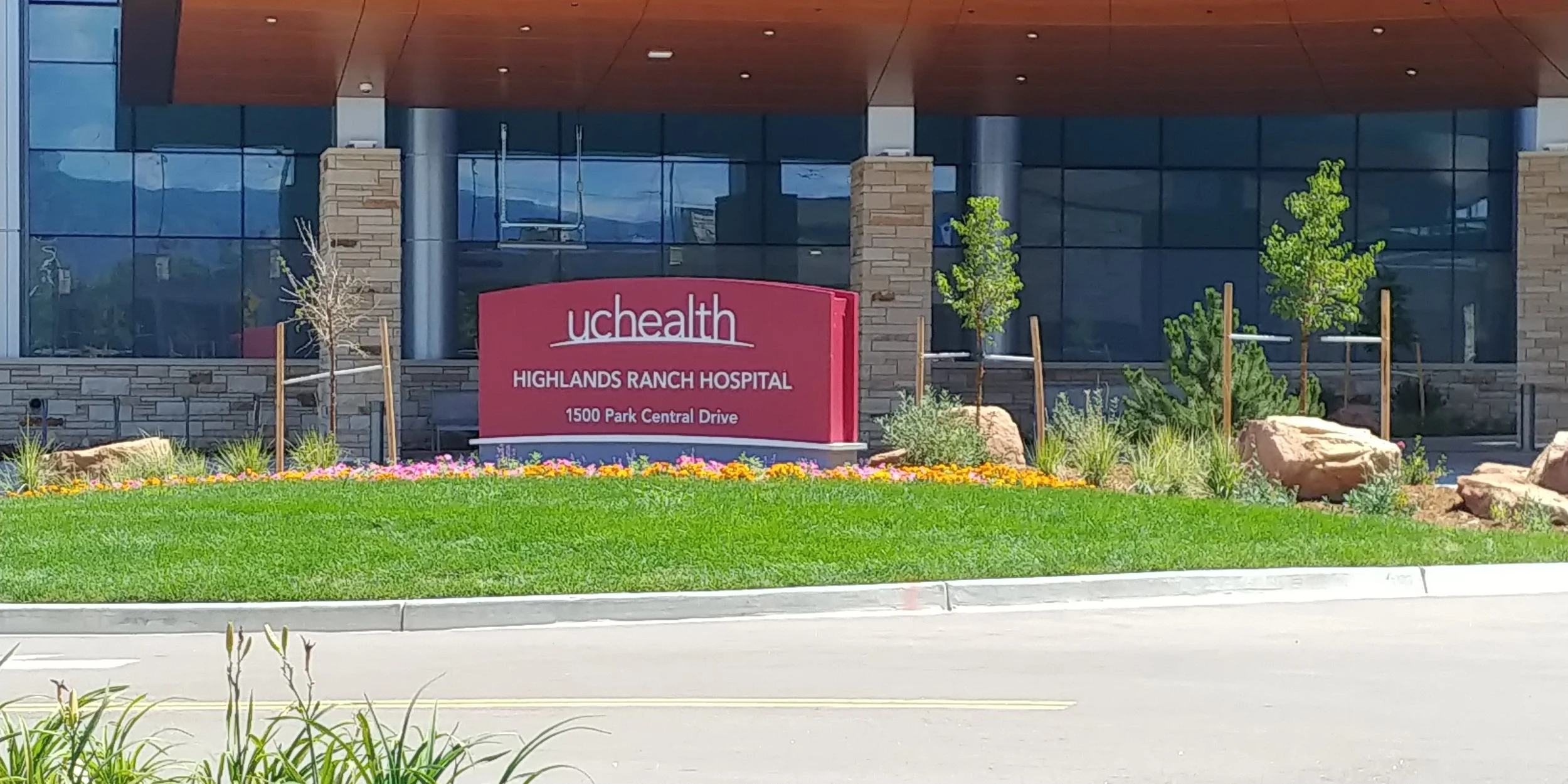
University Hospital- Highlands Ranch Campus

20190724_114322.jpg

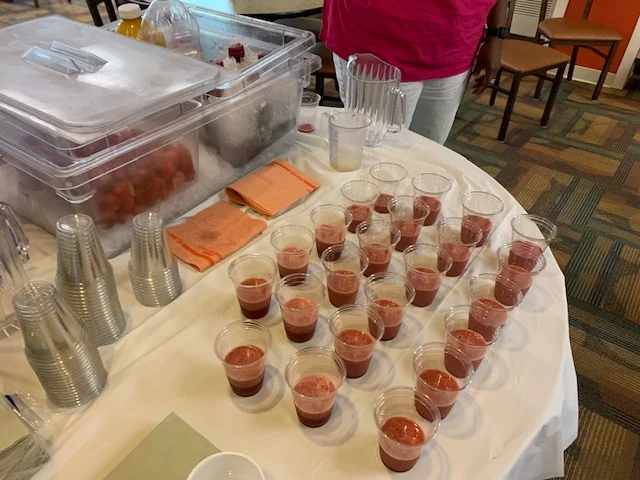
Great trip to visit the new University Hospital- Highlands Ranch Campus.


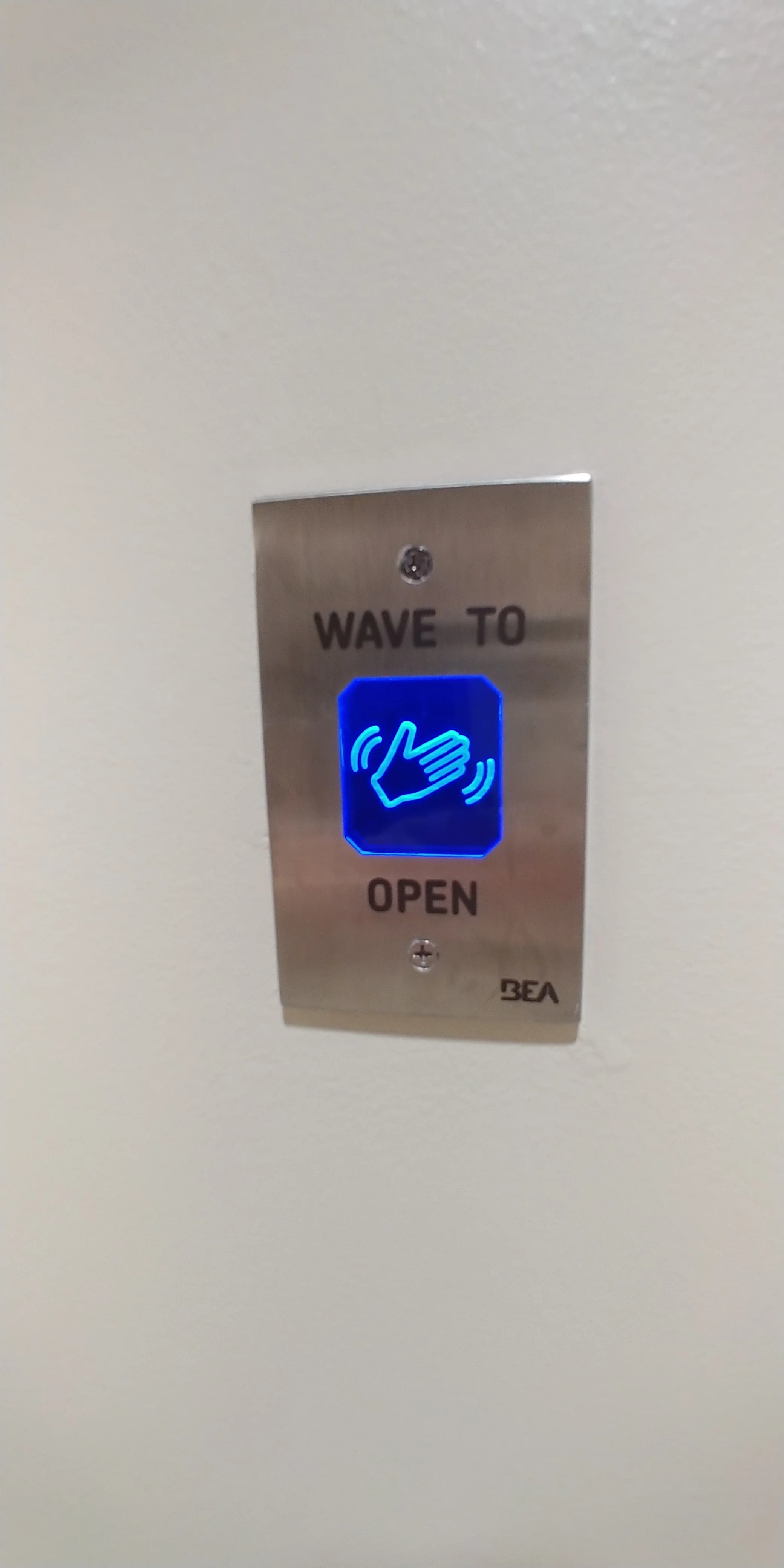
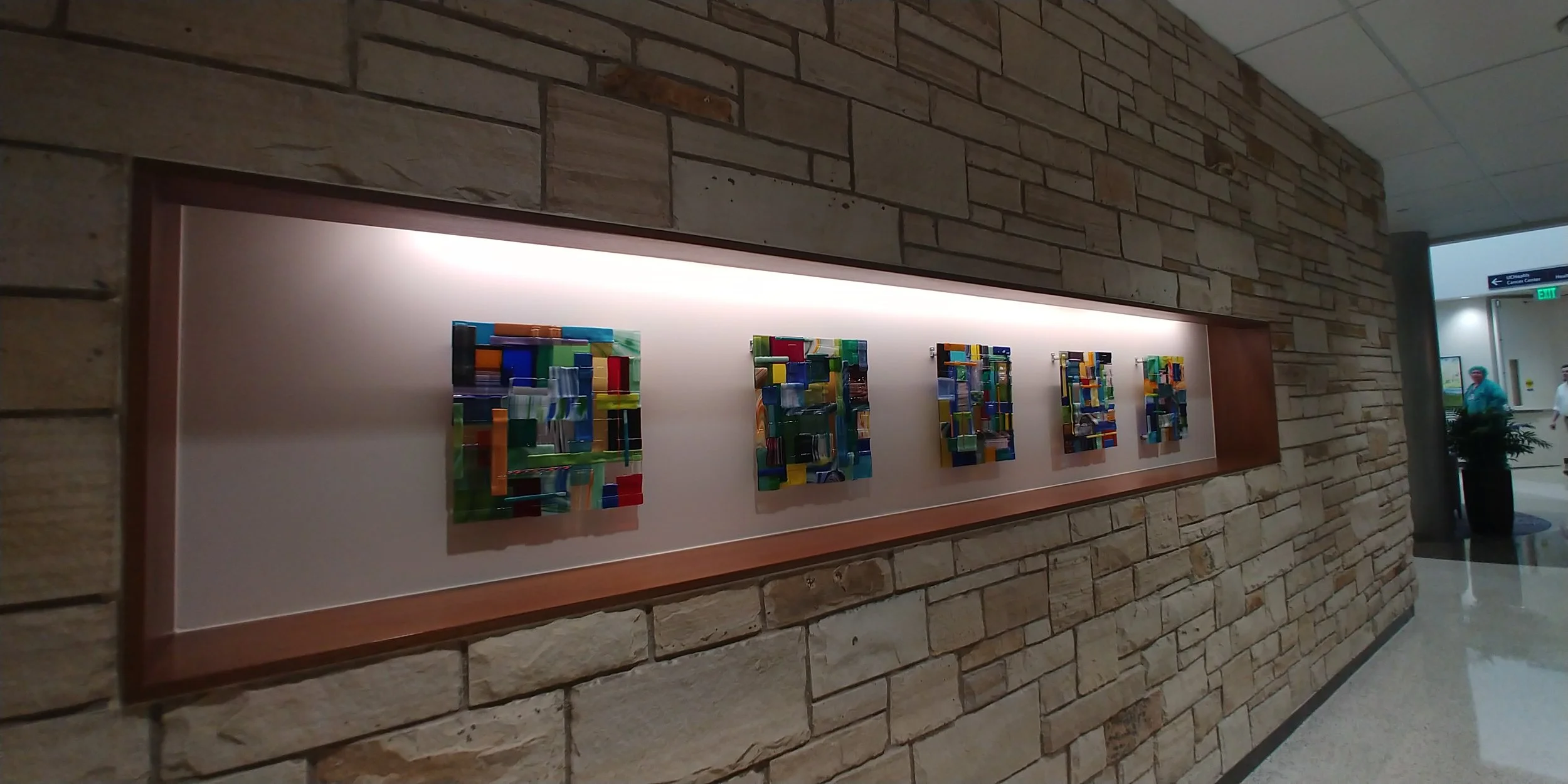
Beautiful touches, new technology, and friendly volunteers to help you navigate.

Grateful for the opportunity!

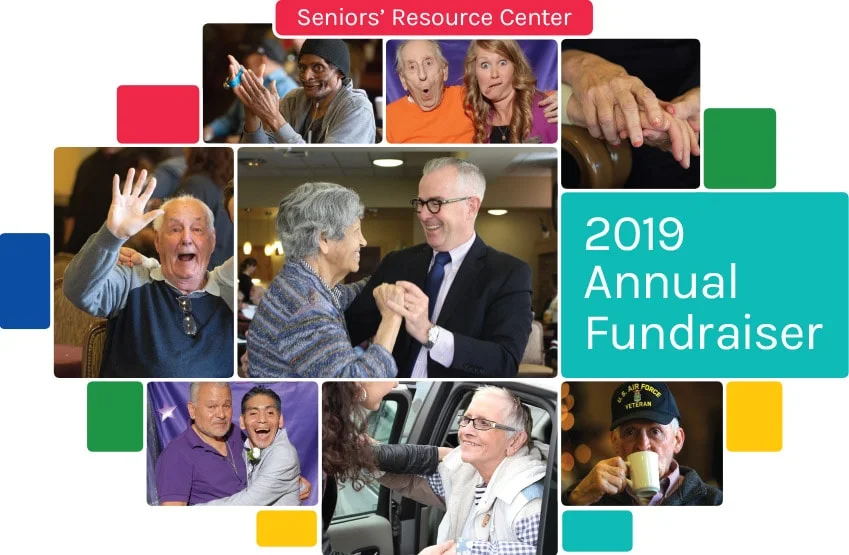
Seniors' Resource Center- 2019 Fundraising Luncheon

splash-img-horiz-min.jpg

Seniors' Resource Center is hosting it's
2019 Fundraising Luncheon 

September 12th, 2019
11:30am-1:30am
Denver Marriott West

Come be inspired and learn about how you can help SRC continue to make it possible for older adults to age at home in our community.

SRC helps seniors live rich and rewarding lives, through a variety of programs, including transportation, in-home services, adult day programs, chores and much more. They advocate for those that need it most. But couldn’t do it without you! Luncheon tickets are $50.


Reserve your tickets here
https://srcaging.org/2019lunch/

This Is What Summer Vacation Looked Like Over 50 Years Ago

Vacationing with a big family takes patience and imagination. The Cooke family found an ingenious way to keep track of everyone on their motor home trip across America in 1971—matching shirts. These vintage photos prove that childhood fun hasn’t cha…

Vacationing with a big family takes patience and imagination. The Cooke family found an ingenious way to keep track of everyone on their motor home trip across America in 1971—matching shirts. These vintage photos prove that childhood fun hasn’t changed all that much.
COURTESY JOANNE SCHUELLER COOKE/REMINISCE

This was such a cool collection of old photos featured in Readers Digest, we had to share.

Things might have looked a little different, but the days were still long, hot, and filled with summer fun.

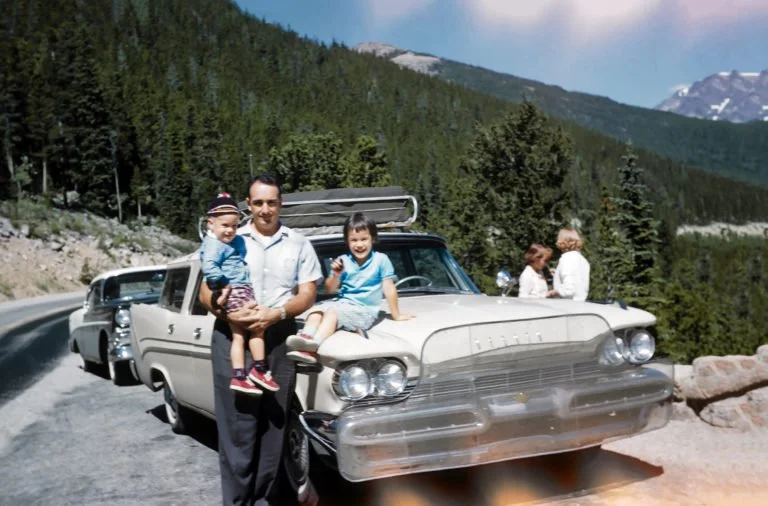
Nancy’s Dad, Ernie Ward, holds David, as Ruthie sits on the hood with Peggy and Nancy in the background, during a family trip to Colorado in 1959. Ernie had the DeSoto station wagon outfitted with a bug guard and a roof rack.  COURTESY NANCY VAN GUL…

Nancy’s Dad, Ernie Ward, holds David, as Ruthie sits on the hood with Peggy and Nancy in the background, during a family trip to Colorado in 1959. Ernie had the DeSoto station wagon outfitted with a bug guard and a roof rack.
COURTESY NANCY VAN GULICK/REMINISCE

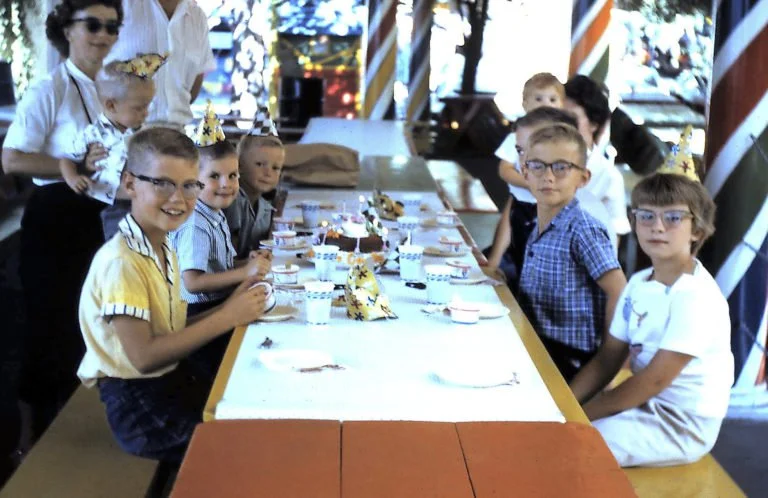
“My cousin, Paul, sister Deb and I had July birthdays, so my family drove to Denver, Colorado, and celebrated at Elitch Gardens. I was 6 here, in 1962,” says William Snesrud.  COURTESY WILLIAM SNESRUD/REMINISCE

“My cousin, Paul, sister Deb and I had July birthdays, so my family drove to Denver, Colorado, and celebrated at Elitch Gardens. I was 6 here, in 1962,” says William Snesrud.
COURTESY WILLIAM SNESRUD/REMINISCE

“In 1967, my parents took me and my three friends on a trip to Philadelphia, Pennsylvania, to see the Liberty Bell, and Atlantic City, New Jersey, where we strolled on the old-fashioned boardwalk,” says Linda Hughes.  COURTESY LINDA HUGHES/REMINISCE

“In 1967, my parents took me and my three friends on a trip to Philadelphia, Pennsylvania, to see the Liberty Bell, and Atlantic City, New Jersey, where we strolled on the old-fashioned boardwalk,” says Linda Hughes.
COURTESY LINDA HUGHES/REMINISCE

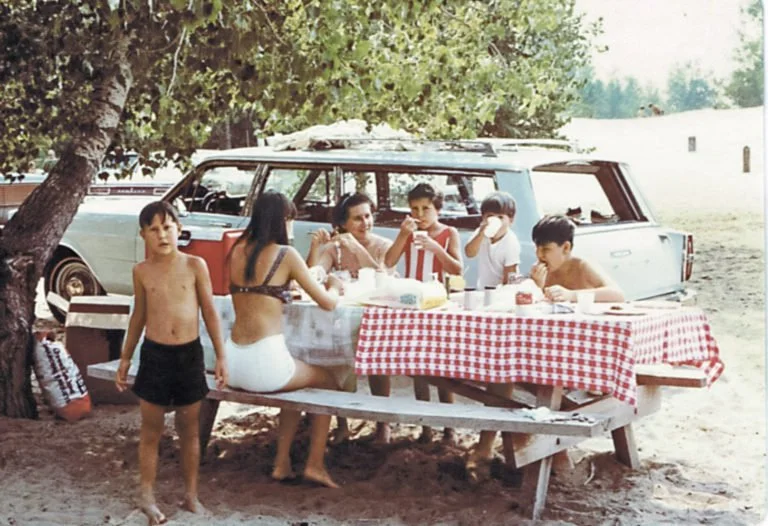
“Every Lyons family vacation began by packing the station wagon with children, coolers, and suitcases. We always stopped for lunch along the road—whenever my dad, Frank, spotted a picnic table,” says Susan Lyons Dietrich. “Lunch was always the same:…

“Every Lyons family vacation began by packing the station wagon with children, coolers, and suitcases. We always stopped for lunch along the road—whenever my dad, Frank, spotted a picnic table,” says Susan Lyons Dietrich. “Lunch was always the same: bologna sandwich, potato chips, and Kool-Aid.”
COURTESY SUSAN LYONS DIETRICH/REMINISCE


To check out all the great vintage photos in this story click the link below

https://www.rd.com/culture/what-summer-looked-like-50-years-ago/


Can Alzheimer's be stopped?

D_gALo1XYAAp_1Y.jpg

Five lifestyle behaviors are key, new research suggests. Following four out of five lifestyle behaviors can protect against mental decline, even in people with increased genetic risk.

There's no cure for or drug to stop Alzheimer's disease, but it may be possible to hold off dementia — even in people who have a genetic risk, researchers reported Sunday at the Alzheimer’s Association International Conference. The key is not any one factor, several studies show, but following a combination of healthy lifestyle habits. And the more healthy habits a person adopts, the lower the risk of cognitive decline.

People who followed four out of five lifestyle behaviors, including regular exercise, cognitive stimulation and a brain-healthy diet and not smoking, over a six-year period had a 60 percent lower risk of developing Alzheimer's dementia when compared to people who practiced only one or none of these habits, according to researchers from Rush University in Chicago.

Similarly, a UK study found that among people with a heightened genetic risk of cognitive decline, dementia was 32 percent lower in those with a healthy lifestyle.

In a third study University of California, San Francisco, researchers found that smokers had twice the risk of developing cognitive impairment compared to non-smokers and those who had kicked the habit.

“This reinforces the notion that some of these lifestyle factors may actually affect the trajectory of cognitive aging and the development of dementia,” said Dr. Ronald Petersen, director of the Mayo Clinic Alzheimer’s Disease Research Center. “We certainly accept that with heart disease. We need to adopt a similar mindset for cognitive aging.”

For people who fear dementia is inevitable because of family history or a genetic profile, this tells them “the game is not over because they have increased risk,” said Petersen, who was not affiliated with the new studies.

The Rush study analyzed data from 1,845 participants in the Chicago Health and Aging Project and 920 from the Rush Memory and Aging Project who had no dementia at the start. Participants were given lifestyle scores that depended on how many of five possible healthy behaviors they subscribed to:

  • not smoking

  • exercising at a moderate to vigorous level for at least 150 minutes a week

  • consuming a brain supporting diet

  • light-to-moderate alcohol consumption

  • engaging in late-life cognitive activities

Each behavior got either a zero or a one, for a maximum possible score of five.


What is the MIND diet?
Participants’ diets were rated on how closely they resembled the “MIND” diet (Mediterranean-DASH Intervention for Neurodegenerative Delay), which is made up of leafy green vegetables, beans, olive oil, nuts and poultry, while avoiding red meat, sweets and fried foods, the study’s presenting author, Dr. Klodian Dhana, told NBC News. People with diets in the upper 40 percent got a point for what they were consuming, while others got zeroes.

During the approximately six years of follow-up, 608 participants developed Alzheimer’s dementia. When the researchers analyzed their data they found the risk of Alzheimer’s was 37 percent lower in people who practiced two to three healthy lifestyle behaviors and 60 percent lower in those who practiced four to five of those behaviors compared to those with scores of zero or one.

Alzheimer's is the sixth leading cause of death in the U.S., according to the Centers for Disease Control and Prevention. It's the most common form of dementia and the risk of Alzheimer’s is higher overall among people with the genetic APOE4 mutation.

“But among that group, those who followed a healthy lifestyle saw a lowered risk of dementia,” Dhana said.

The British study, which was also published in JAMA Neurology, followed 196,383 adults who were participating in the UK Biobank and who were all at least 60 and without dementia at the beginning of the study. Each was given a dementia risk score that was based on genes that had been shown to be associated with an increased risk of dementia and a lifestyle score which was higher depending on how many of the healthy behaviors they reported.

During the UK study's six years of follow-up, there were 668 cases of dementia, with the likelihood higher among those who had a high genetic risk score. But the risk was more than halved among participants with a high genetic factors but who had followed a healthy lifestyle, the researchers reported. That would work out to one case of dementia prevented for each 121 individuals with high genetic risk over a 10 year period.

Can Alzheimer's be prevented?
The study shows that “living a healthy lifestyle is associated with a reduced dementia risk, regardless of genetic risk,” Elzbieta Kuzma, a study coauthor and a research fellow in neuroepidemiology at the University of Exeter Medical School told NBC News in an email.

With so few medications to treat Alzheimer’s, the new studies “are a great way for us to be heading in research,” said Juleen Rodakowski, an assistant professor in the department of occupational therapy at the University of Pittsburgh.

While the studies are definitely good news, they don’t shed light on whether healthy lifestyle behaviors slow down the pathology that gunks up the brain in people with Alzheimer’s or simply make the brain more resilient to it, said Dr. Jason Brandt, a professor in the departments of psychiatry and behavioral sciences and neurology at the Johns Hopkins School of Medicine.

However, there are hints from animal research, he added.

“If you give mice genetically engineered to have Alzheimer’s an enriched environment, they perform better on mouse memory tests and under a microscope there is less amyloid,” one of the proteins that gunk up the brains of Alzheimer’s patients, Brandt said.

By Linda Carroll
https://www.nbcnews.com/health/aging/can-alzheimer-s-be-stopped-five-lifestyle-behaviors-are-key-n1029441#anchor-WhatistheMINDdiet


Check out Chefs for Seniors! Their website has been revamped

500s-demo-day-batch-17-chefs-for-seniors-1-638.jpg

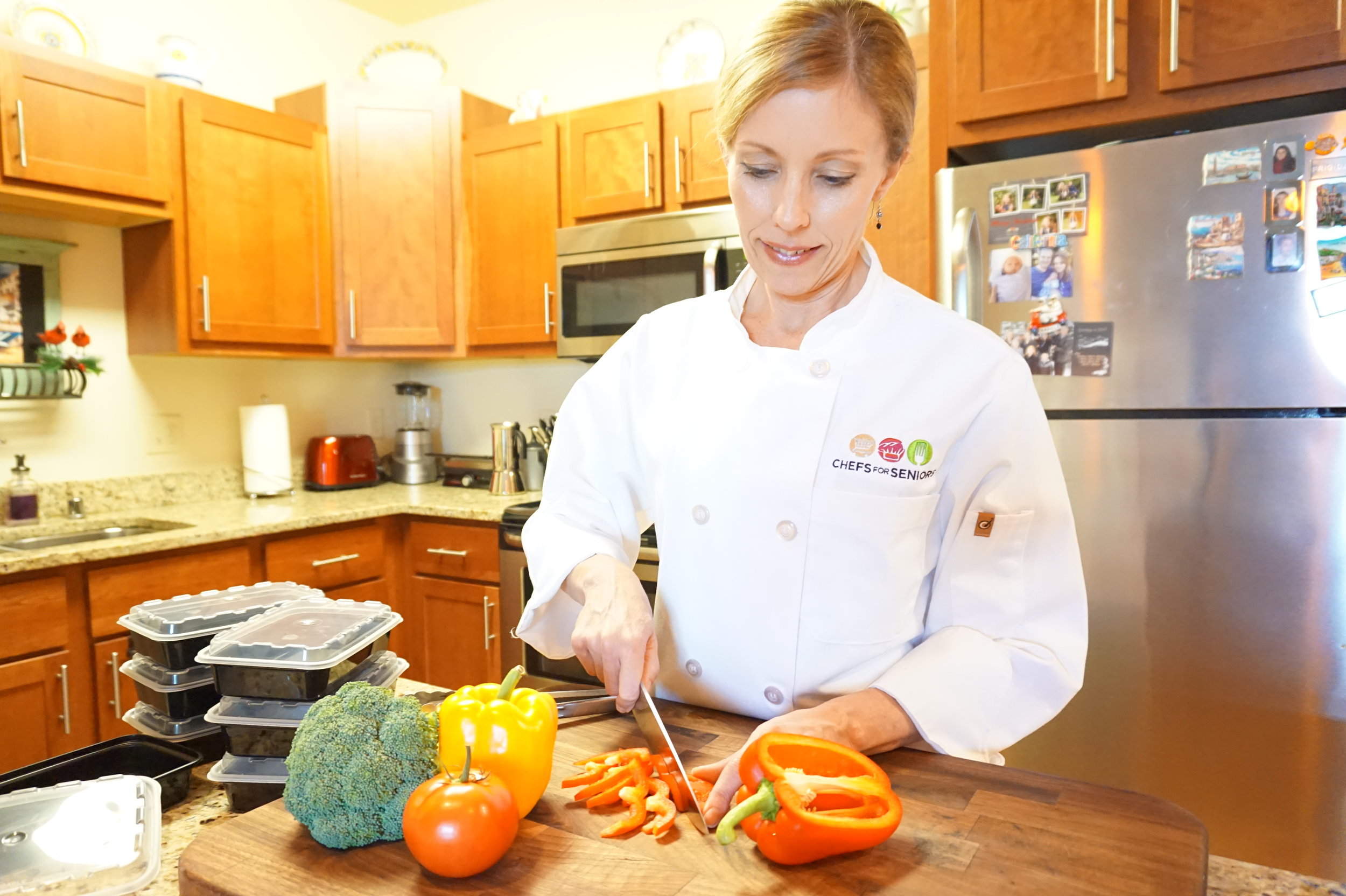
Chefs for Seniors is a cool company that we have previously featured. But we love to shine the spotlight on businesses that help seniors stay independent.

 Since last year they have revamped their website to include examples of menu items, an option to get a quote on pricing. They do all the grocery shopping for you, cook the meals in your home, leaving 10-12 meals for you to enjoy. Plus, they are trained to cater to the various dietary needs of seniors.

There is the option for weekly or even bi-weekly visits. They seem to have really gone out of their way to allow a ton of flexibility for their clients needs. If you haven't already looked into them, check out their site below.


https://chefsforseniors.com/

New clients use Promo Code NEW10 to receive $10 off your first week of meals.


How to Beat the Summer Heat

Fighting Off the Summer Heat for Seniors.jpg

The summer heatwave has arrived! With more 90+ degree days in the week ahead, here is some good info to keep your senior cool. 

The heat of summer is here and it is an important time to review some vital safety tips for seniors. Elderly persons are more prone to the effects of heat and at greater risk for dehydration. According to the CDC, elderly people are more at risk because:

  • Elderly people do not adjust as well as young people to sudden changes in temperature.

  • They are more likely to have a chronic medical condition that changes normal body responses to heat.

  • They are more likely to take prescription medicines that impair the body’s ability to regulate its temperature or that inhibit perspiration.

Make sure you or someone you can trust is checking in on your elderly family and friends. Here are some senior safety tips for the summer months as well as some ways to “beat the heat”.

  • Try to plan activities that require going outside during non-peak hours when it might be a little cooler. Such as gardening/weeding in the morning.

  • Move exercise indoors. Consider exercising at a gym, walking on a treadmill, or “mall walking” instead of outdoor walks or activities. Swimming and water aerobics are good options as well.

  • Drink plenty of fluids (non-alcoholic, caffeine-free as these ingredients have a diuretic effect). Talk with your doctor if you take medications that affect fluid intake, such as Lasix.

  • Additionally, it may be important to consume food and drink with sodium and potassium to restore electrolyte balance when losing fluids and drinking a lot of water: broths or soups (contain sodium); fruit juice, soft fruits, vegetables (containing potassium); sports drinks that contain electrolytes.

  • Stay indoors in cooled spaces as much as possible. Check your loved one’s air conditioning system, do a maintenance review. If electricity goes out or your loved one does not have air conditioning, consider alternative arrangements when heat is at dangerous levels.

  • Be aware of signs of dehydration, heat exhaustion and heat stroke.

  • Consult with their doctor or pharmacist about what medications may cause sensitivity to direct sunlight or heat.

The most common signs of dehydration in the elderly are thirst, confusion, irritability and poor skin elasticity. Keeping hydrated on a regular basis is the most important preventative measure, and individuals should be encourage to drink fluids even when not thirsty as thirst may not be triggered until already dehydrated. Heat and dehydration may make seniors more prone to dizziness and falls and can cause/increase confusion.

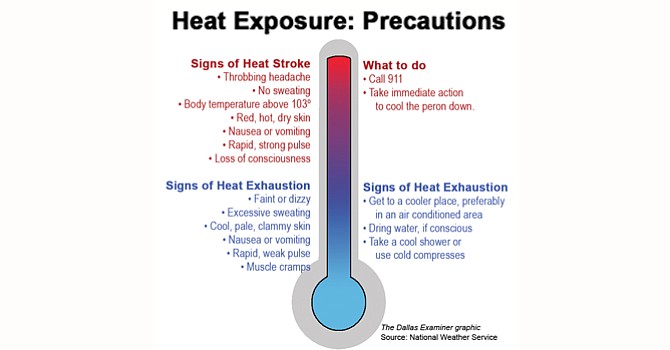
Heat exhaustion is the more mild form of heat-related illness, that can develop after several days of exposure to high temperatures and inadequate or unbalanced replacement of fluids. Warning signs vary but may include the following:

  • Heavy sweating

  • Paleness

  • Muscle Cramps

  • Tiredness

  • Weakness

  • Dizziness

  • Headache

  • Nausea or vomiting

  • Fainting

  • Skin: may be cool and moist

  • Pulse rate: fast and weak

  • Breathing: fast and shallow


Heat stroke is the most serious heat-related illness. It occurs when the body becomes unable to control its temperature: the body’s temperature rises rapidly, the body loses its ability to sweat, and it is unable to cool down. Body temperatures rise to 106°F or higher within 10 to 15 minutes. Heat stroke can cause death or permanent disability if emergency treatment is not provided. Warning signs vary but may include the following:

  • An extremely high body temperature (above 103°F)

  • Red, hot, and dry skin (no sweating)

  • Rapid, strong pulse

  • Throbbing headache

  • Dizziness

  • Nausea

Any indication of heat stroke is a medical emergency. Seek immediate medical attention.


Be aware of other summer dangers. Pools can pose a drowning hazard. Safety precautions should be considered if you are caring for a senior in your home with a pool or your elderly loved one lives alone and has a pool. Consider locks or a safety fence. Similarly, talk with your loved one about alternatives if he/she handles a lot of the maintenance around the home, such as weeding, cleaning gutters and trimming trees. This may be especially dangerous in the heat, but may also pose general risks for falling and safety. Insect bites and sun exposure are two other summer dangers. Be vigilant about sunscreen and protect against insect bites. If you or someone you know has a bite that seems abnormal or you notice any unusual symptoms, seek medical attention.

For many seniors is that their support systems dwindle when neighbors spend time away on vacations. If your loved one depends on neighbors for support or you depend on them to check in, be realistic about these changes during the summer. Consider what extra services might be needed, such as hiring a home care aide to visit or assist with errands or transportation. Make regular calls or visits and talk with family, friends and neighbors about a system for checking in, especially during drastic heat or summer storms.


https://easylivingfl.com/elderly-summer-precautions-senior-care-tips/

Heat_Exposure_Precautions_t750x550.jpg

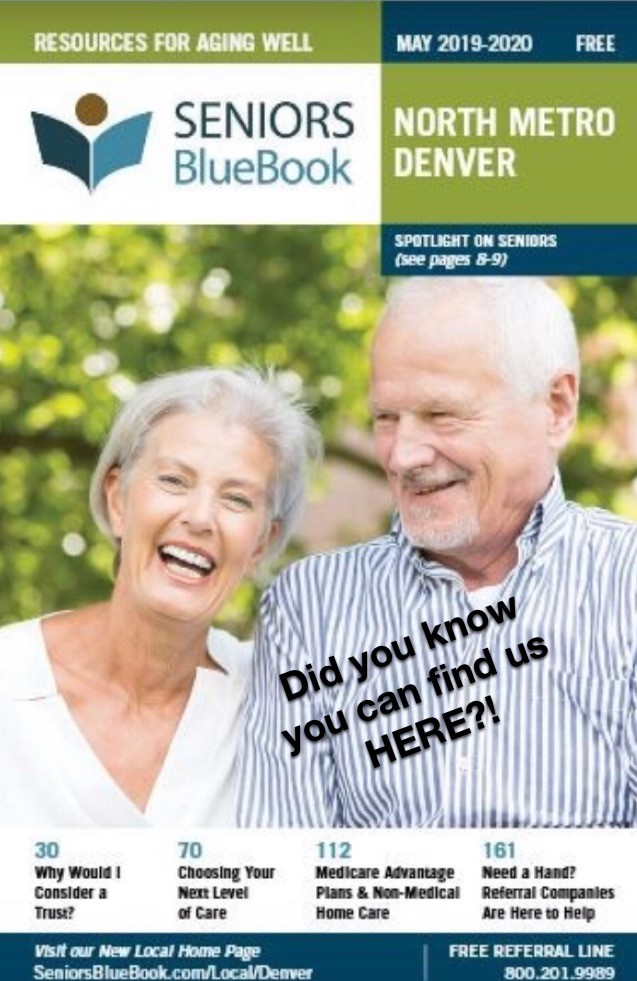
Check us out in the Seniors Blue Book!

Blue Book PIc.jpg

Maintain Me is proud to advertise in the Seniors Blue Book.

Not only is it a great resource for the senior community but it also features The National Placement & Referral Alliance. As active members of the NPRA we love using this book!

So where can you find us???

North Book
Maintain Me: Page 194
Housing Placement and Resource Specialist: Page 162
NPRA: Page 164

South Book
Maintain Me: Page 231
Housing Placement and Resource Specialist: Page 26
NPRA: Page 235


There is no age limit on falling in love.

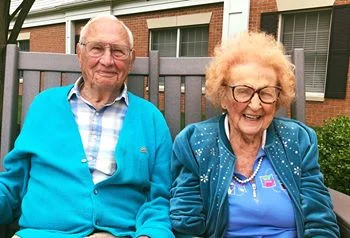
The couple each had two spouses who died before they met and fell in love in their 100s and got married again.

The couple each had two spouses who died before they met and fell in love in their 100s and got married again.

100-year-old man and 102-year-old woman tie the knot after a year of dating.

These centenarians show it's never too late for love after meeting at an assisted living facility.

John Cook Sr., 100, and his new wife, Phyllis, 102, who met in an Ohio assisted living facility, tied the knot last week after dating for about a year. "To tell you the truth, we fell in love with each other," Phyllis Cook told NBC affiliate WNWO. "I know you think that may be a little bit far-fetched for somebody our age, but we fell in love with each other."

The Cooks have each lost two spouses, making this the third marriage for both of them. John, who served in World War II, met Phyllis at the Kingston Residence in Sylvania, and love soon blossomed. The two got their marriage license together on June 26, which turned into their impromptu wedding ceremony.

"It wasn't the plan, but we got there and they said, 'Well, we could marry you here,''' John told WNWO. "I said 'Good, let's get it over with.'

"We were just compatible in a whole lot of ways, (and) found ourselves enjoying each other's company."
Unlike couples who live into their hundreds and celebrate seven or eight decades of marriage, the Cooks are the rare couple to find love again after turning 100.

"Congratulations to the newlyweds," the staff at Kingston Residence wrote on Facebook. "It's never too late to find love!!! Join us in congratulating the happy couple!!!" The next milestone for the couple will be Phyllis turning 103 on Aug. 8. Longevity is in her genes, as she told WNWO that her mother lived to be 106.

The couple spends time together eating and sitting in the sun every day, but each still has their own space living in separate apartments at the facility.

Despite their age, the romance between the two still has plenty of spark. John was asked what he loves to do the most with Phyllis.

“Well,” he said, "I probably shouldn’t talk about that."


July 5, 2019, 10:57 AM MDT / Source: TODAY
By Scott Stump
https://www.today.com/news/100-year-old-man-102-year-old-woman-get-married-t157773

Can social interaction predict cognitive decline?

article-55-plus-communities-@1X.jpg

A recent study concludes that social interaction might be more than just a pleasant pastime; it might help doctors predict an individual's risk of cognitive decline and, perhaps, dementia.

Cognitive decline refers to a general reduction in mental abilities over time.It affects many people as they age and, in some cases, can lead to dementia.As the average age of the population rises, an increasing number of people are likely to experience cognitive decline.

A group of researchers from Brigham and Women's Hospital in Boston, MA, are interested in the potential role that social interaction might play.Specifically, their most recent study looked at whether there is an interaction between levels of social activity, cognitive performance, and the amount of beta-amyloid in the brain, which is a neurological hallmark of Alzheimer's disease.

Cognitive decline and sociability
To investigate, the scientists followed 217 older adults involved in the Harvard Aging Brain Study. At the beginning of the study, participants were aged 63–89 and showed no cognitive deficits. The authors followed the group for 3 years.

Each participant completed a questionnaire that ascertained their levels of social interaction; this included meeting family and friends, religious activities, and volunteer work.

The researchers also measured levels of beta-amyloid in each participant's brain. As expected, there was significant variability, with some people having much higher levels, putting them at increased risk of developing Alzheimer's.

The authors published their findings in The American Journal of Geriatric Psychiatry.

Although earlier studies have shown a relationship between social engagement and cognitive decline, scientists have not fleshed out the relationship between these two factors and levels of beta-amyloid in the brain.

A complex picture emerges
Overall, the authors found no relationship between social interaction and cognitive decline. However, when they delved into the beta-amyloid data, a pattern formed.

The researchers found that the influence of social activity was significant in individuals who had the highest levels of beta-amyloid in their brains. In this group, those with the lowest levels of social interaction showed higher levels of cognitive decline than individuals with similar levels of beta-amyloid but greater levels of social activity.

They also found that individuals who had lower cognitive abilities at the start of the study were more likely to become less socially engaged over the 3 years.

This effect remained significant even after the researchers accounted for a range of variables, including education, sex, level of social interaction at baseline, and age.

Interestingly, this relationship was not related to levels of beta-amyloid in the brain, which was counter to the authors' expectations.

These findings and those from earlier studies point to a relationship between social engagement and cognitive decline. However, it is still not clear whether individuals who socialize less are more at risk, or whether cognitive decline increases the likelihood of social withdrawal. Similarly, the relationship could run both ways and probably varies between individuals.

Conclusions and the future
The current study concludes that individuals with higher levels of beta-amyloid and reduced levels of social interaction might have an increased risk of more substantial cognitive decline.

The authors of the current study hope that their findings, one day, will help predict those who are most at risk of cognitive decline.

"Social engagement and cognitive function are related to one another and appear to decline together. This means that social engagement may be an important marker of resilience or vulnerability in older adults at risk of cognitive impairment."- Senior author Dr. Nancy Donovan

Although the findings are interesting, the study has a number of limitations. Firstly, the study only included data from 217 individuals, and the researchers followed them for just 3 years. Also, participants only completed questionnaires at the beginning and end of the study, so their answers may not represent levels of social interaction in the intervening years.

The authors also mention that current measures of social engagement need updating. For instance, they do not account for online interactions which, of course, can vary greatly and are not necessarily related to in-person social engagement.

Also, the current study could not control for certain potentially important factors, such as anxiety, depression, loneliness, and apathy. These factors can play a role in reducing the desire to interact socially; and according to earlier studies carried out by the same researchers, both loneliness and anxiety might have independent associations with Alzheimer's.

In the future, the authors would like to build on these findings. They plan to carry out work with a larger group and follow them for a greater length of time. So, although research has still not solidified the relationship between social interaction, cognitive decline, the current work will help toward building a clearer picture.

By Tim Newman
Fact checked by Paula Field
Link to article:
https://www.medicalnewstoday.com/articles/325615.php

Have a Senior Friendly 4th!

Dollarphotoclub_84876377_opt.jpg

4th of July is a wonderful holiday filled with traditions that people of all ages look forward to. 

Whether you are yourself a senior or you are simply a caregiver for an elderly loved one, you can adapt many of your favorite Independence Day celebrations for older adults.

  1. Limit the amount of direct sunlight your senior will be exposed to. The hot 4th of July sun can wear anyone out as well as run the risk of burns.

  2. Many elderly people take medications that don’t react well when mixed with sun exposure either. Provide seating in a shady spot where the temperature is cooler.

  3. Choose to have gatherings in parks with pavilions or set up a party tent if activities are in your backyard.

  4. Seniors can become chilled quicker than others. Don’t forget to bring along a blanket and jacket for evening events like the local fireworks display.

  5. Always have a comfortable seating option on hand as well. This could be as simple as carrying a cushion with you or maybe you’ll need a lawn chair or wheelchair.

  6. Dehydration is always a risk on hot summer days. Bring along your senior’s favorite beverages. Encourage them to drink frequently by joining them for ice cold lemonade. Work regular bathroom breaks into the day to avoid accidents.

  7. Those with Dementia or Alzheimer’s should not be excluded from holiday activities. Instead, let them join in on the fun, but limit their time to reduce the chance of them becoming anxious, agitated, or angry.

Below is a link that lists all fireworks displays for
Denver and surrounding areas

https://theknow.denverpost.com/2018/06/27/denver-july-fourth-fireworks-events-2018/188145/

Have a Safe & Happy 4th!


What a great end to the week with another 5 Star Review!

Capture.JPG

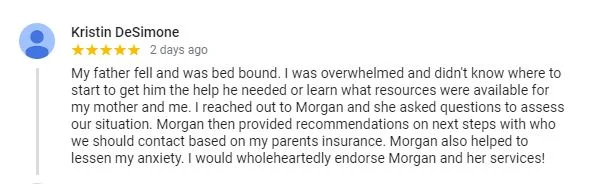
What a great end to the week with another 5 Star Review for our coordinator Morgan.

Morgan has been with Maintain Me since Day 1 and it shows. She's a wealth of knowledge and positivity for our clients and an invaluable member of our team.

Many thanks to Kristin for taking the time to write a review! We strive to find ideal outcomes during what can be trying times for families. It's always wonderful to hear that we were able to provide you with the support you needed.

Capture2.JPG

New Tech Options are Helping Seniors Age in Place

Untitled-design-5.jpg

The beauty of technology is that its always improving and evolving. If there's a need, a tech driven solution doesn't seem
to be far behind.

Here are some systems that offer reminders and assistance are creating “monitored independence”. 

By Gabi Redford,

Kaiser Health News on March 12, 2018


Nancy Delano, 80, of Denver has no plans to slow down anytime soon. She still drives to movies, plays and dinners out with friends. A retired elder care nurse who lives alone, she also knows that “when you reach a certain age, emergencies can happen fast.” So, when her son, Tom Rogers, talked to her about installing a remote monitoring system, she didn’t hesitate.

With motion sensors placed throughout the house, Rogers can see if his mom is moving around, if she’s sleeping (or not), if she forgot to lock the door and, based on a sophisticated algorithm that detects behavioral patterns, whether her activity level or eating habits have changed significantly, for instance.

“It gives both of us peace of mind, particularly as she ages and wants to live at home,” said Rogers, who lives near Washington, D.C., hundreds of miles away from her.

At $45-$60 a month (plus an upfront fee of $100 to $200), Alarm.com’s Wellness system is markedly less expensive than options such as hiring a home health aide to check on her or moving her into a retirement community. The average cost of nursing home care exceeds $95,000 a year, while assisted living and in-home care tops $45,000 annually, according to a 2017 Genworth Financial report.

The exorbitant costs of nursing home and assisted living care are driving sales—and innovation—in the technology market, said Dr. Eric Topol, director of the Scripps Translational Science Institute and author of “The Creative Destruction of Medicine: How the Digital Revolution Will Create Better Health Care.”

For many, the technology offers not just the tools they need to continue to live at home, but newfound confidence and connectedness with faraway family and friends.

Topol calls it “monitored independence,” and it is changing how older generations age in America. “People want to be autonomous, irrespective of age,” he said.

That was certainly the case for Carol Smith, 83, who lives in the Carlsbad by the Sea retirement community in Carlsbad, Calif., with her husband, Ray, 84. “I’m in a wheelchair, so I depend on my husband a lot,” she said.

The Smiths were introduced to the Amazon Echo last February through a pilot program for seniors. Carol is now able to control lights and the thermostat. She can ask Alexa to remind her to take medications, or to call her brother or even to call for help.

“It gives her a great deal of independence,” Ray said. “If for some reason I have to be away, she’s able to function on her own. It’s keeping her safe, but closely related to that, it’s allowing her to be independently safe.”

Voice-assistive technologies like the Amazon Echo, Google Home and HomePod are likely to play a bigger role in helping seniors age in place, especially when paired with apps geared specifically for senior living, predicts Majd Alwan, executive director of the LeadingAge Center for Aging Services Technologies (CAST). AskMarvee, for instance, integrates with Amazon Echo via an online portal to allow seniors to immediately connect with family members for a quick check-in or if something more serious is going on. (The Basic app is free; premium versions cost $15 or $20 per month.)

LifePod, to be introduced later this year, takes voice-assisted technology a step further, said Laurie Orlov, founder of Aging in Place Technology Watch. It will allow users to engage with the device, much like Alexa, but will also periodically check in with them independent of a voice prompt, at preprogrammed intervals: Good morning, Nancy. Did you remember to take your medication?


For Mike Willis, 63, of Guelph, Ontario, getting regular medication prompts means the difference between staying healthy and ending up in the hospital—again. Willis takes 27 pills a day, most of them anti-rejection drugs to ensure that his body doesn’t reject the heart transplant he received 2½ years ago after contracting viral myocarditis. To keep it all straight, he uses Medisafe, an app that reminds him when it’s time to take his next dose, whether to take the pills with water or food, and what side effects might be attributable to the medication.

“After my transplant, I was a little confused, so I designated my wife, Linda, as a ‘MedFriend,’ which meant she got an alert when I didn’t take my medication,” he said. (The app is free; the Premium version, with additional reminder and Medfriend features, costs $4.99 a month.)

Indeed, the ability to designate a loved one as a second set of eyes and ears can be comforting rather than intrusive, as Willis and Delano have discovered. And yet, there’s a fine line between technology that allows older adults to live independently, and technology that reinforces stereotypical images of aging as a slow decline toward death.

Until recently, Personal Emergency Response Systems (PERS)—made famous by the “Help, I’ve fallen and I can’t get up” TV ads—was the only reliable technology to help older adults who had fallen, says David Lindeman, director of the Center for Technology and Aging at the University of California-Berkeley.

By the end of this month, MedHab, a Texas company best known for its wearable insoles for rehab patients, will begin shipping MyNotifi, a medical alert wristband designed to detect falls and send an alert to a family member or friend. “It looks like a watch, and Mom or Dad can invite anybody they want, family or friends, to get those alerts through the MyNotifi Fall Detection app,” said MedHab President and CEO Johnny Ross. (The device is available for preorder at $299.)

Similar fall detection technologies in various stages of testing include SafelyYou, which uses wall-mounted cameras and software algorithms to detect falls, and UnaliWear’s Kanega watch, which combines fall detection, voice-assisted emergency aid and medication reminders.

“If the goal is independent and connected living, we need solutions that are multifaceted and that connect people with their family, their doctors, their neighbors,” said Jody Holtzman, senior managing partner of Longevity Venture Advisors. “If the technology is framed in the context of fun and convenience, like Alexa, then people will start to buy these things.”

Carol Smith can’t imagine life without Alexa. When I read, “I just say, ‘Alexa, what does this word mean?’ Or I ask Alexa to play the song. Oh, and I’m a basketball fan, but if I can’t stay up late to watch the end of the game, I’ll ask Alexa what the score is the next morning. There are so many things you can ask her. She’s fun. And she’s always pleasant.”


This story was originally published by Kaiser Health News on February 28, 2018.
Read the original story here.

https://khn.org/news/new-technologies-help-seniors-age-in-place-and-not-feel-alone/

Chelsea's Recent Success Story: When forever takes a turn...

C_Father-Daughter-1024x668.png

When forever takes a turn...

About 7 months ago Maintain Me had the privilege of helping a senior in need of transition due to a bad placement. The gentleman was pretty social and had very little in common with the other residents and needed more social interaction. His amazing daughter was up for the challenge in finding him the best place. There was one thing that was truly challenging about this case. Mike was had recently gone blind and therefore his care needs were starting to increase due to this new change.

Maintain Me found a place for Mike that was small enough to keep him independent but also large enough to offer him more options for socialization. This was the perfect scenario as he was also limited on funds and was going to be able to spend down into a medicaid benefit. We were able to get Mike over to his new home and was excited about our decision. It wasn't until 7 months later that Mike started to have behaviors that was thought to be related to new diagnosis. This is when things really get tough as Mike was already 7 months into his spend down and now needed to find a place that could offer a higher level of care. Maintain Me was so happy to know that Mike's daughter trusted Maintain Me enough to give it another go as his options were extremely limited.

One thing that Maintain Me always focuses on is making sure people are not labeled by their behaviors or diagnoses. Mike deserved to be at a place that would help him through this new challenge and love him through the behaviors. 2 weeks later we were able to find a place just for him who had great ideas on how to do just that. Thank you Mike and a big thank you to your daughter for trusting us with your care and transition needs.


Chelsea Sweeney, RN
Owner, Maintain Me

Vietnam Veterans Memorial Wall Replica in Arvada through this weekend

Vietnam-Wall.jpg

The Wall That Heals is a three-quarter-scale replica of the Vietnam Veterans Memorial in Washington, D.C.

The Vietnam Veterans Memorial Fund (VVMF) in 1996 created the replica wall to travel to communities throughout the US. It displays the names of more than 58,000 service members who died in the Vietnam War.

The 375-foot long, 7.5-foot tall wall be open to public viewing 24 hours a day from Thursday, June 20 to Sunday, June 23 at 5 p.m. A mobile education museum will also be at the chapel.

"This traveling exhibit provides thousands of veterans who have been unable to cope with the prospect of facing The Wall to find the strength and courage to do so within their own communities, thus allowing the healing process to begin," said a statement from Faith Bible Chapel in a release.

Nearly 600 communities throughout the nation have displayed the wall, which is comprised of 140 numbered panels.

Faith Bible Chapel is located at 6250 Wright St. in Arvada.

For more information visit:
https://www.vvmf.org/The-Wall-That-Heals/


For local info:
https://www.9news.com/article/news/local/vietnam-veterans-memorial-wall-replica-arrives-in-arvada/73-31c5a3a3-4296-43d4-b326-562b9010f0c2


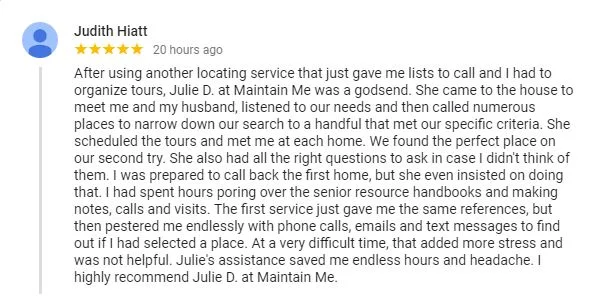
Check out our latest Review!

5 Star Review.JPG


We are so proud of our newest team member Julie. What amazing praise from her client on a successful transition. And many thanks to Judith for taking the time to write a review. Such kind words are invaluable!

Judith Review.JPG

Chelsea's Recent Success Story

o-OLD-COUPLE-HOLDING-HANDS-facebook.jpg

Thriving Together through the Aging Process

Gene and Joe* have moved a couple times before finding a place they felt comfortable calling home and right when they felt as if all things were settled, the storm hit. Gene was starting to decline and ended up in the hospital for a compression fracture in her back. Before this incident Joe was always her body, while Gene was Joe's brain. They functioned perfectly together. Joe had dementia but was fully functional and Gene always struggled with staying strong but was sharp as a tack. Together they compensated for one another and without one of them the entire thing falls apart. When Gene ended up in the hospital and then to rehab, Joe was being checked in on from their amazing children in hopes to soon get them back together. 

In these type of situations its very common for the senior who has gone from hospital to rehab that they may not return to their previous baseline and that is exactly what happened to Gene. Gene was requiring more care then what her home could provide being an independent living and while Gene was away Joe's dementia started to worsen as he was missing the person who kept his brain functioning to its highest potential. 

They both needed to move and yet had very different care needs. When Maintain Me worked on this case the struggle was finding a big enough space for the two of them as they were coming from a 2 bedroom apartment and yet still get them the personalized care they needed for an affordable rate. That's when we found Rocky Mountain. Rocky Mountain not only has all inclusive care and could gear each persons care plan to their individual needs without effecting cost but it also has a memory care attached in case Joe outlived Gene. Joe would need to have a more secure environment and if he needed it at an given moment now, Gene could walk to the next building to visit. 

This couple was such an amazing couple and I am so happy to help them find a forever home with the help of their amazing children. In this case we knew that staying together equaled success for this couple as that is all they have ever known!

Thank you Gene, Joe and their two lovely children for allowing us to be part of this journey. A big shout out to Lutheran case management team for getting us connected with this family to help them to the level they truly needed!


Chelsea Sweeney, RN
Owner, Maintain Me

Why Costa Rica Is One Of The Happiest Countries In The World

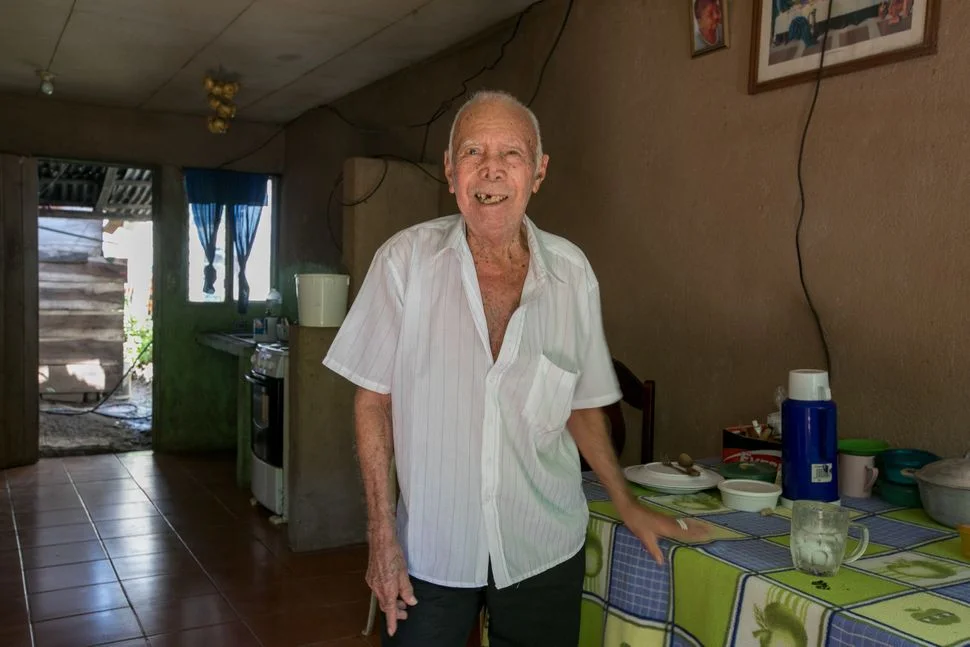
Francisco Gomez turned 100 in April. Photographed at his house in Nicoya, Guancaste, Costa Rica.

Francisco Gomez turned 100 in April. Photographed at his house in Nicoya, Guancaste, Costa Rica.

This article from the HuffPost visits the countryside of Costa Rica to find out why “Costa Rica tells us that there is something beyond money that is important.”

Every Sunday, when his health allows, 100-year-old Francisco Gómez gets a ride from his daughter to the outskirts of town, where he spends the day at a community center dancing. 

Gómez, a farmer and rancher on Costa Rica’s Nicoya Peninsula, grew up listening to ranch-style music, but said he didn’t really learn to dance until he started attending these weekly gatherings for the elderly and their caretakers. He says the dances have given him something to look forward to since the death of his wife earlier this year. 

“I’m much happier,” he told HuffPost. “It gives me something to do other than sit around all day.”

The dances are just one of the activities coordinated by Progressive Attention Network for Integral Elder Care, a program created by the country’s Health Ministry in 2010 to help elderly people stay active and socially engaged. Though the network spans Costa Rica, it is particularly robust on Nicoya, a peninsula on the country’s Pacific coast that is among five world regions known as blue zones, where people live the longest. 

The reasons for Nicoyans’ longevity are not fully understood, but researchers from National Geographic identified high levels of spirituality, a strong cultural base and close social relationships as ingredients in the peninsula’s recipe for a long life. Dr. Zinnia Cordero, director of the Health Ministry in Nicoya, said programs like the care network allow the ministry to help foster these less-tangible health benefits among the area’s elderly population.

“It’s about helping people maintain the desire to keep living,” Cordero said. “Protecting these health factors isn’t only a priority of individuals, it’s a priority of the government.”

The well-being of seniors is now seen as so important that newly elected Costa Rican President Carlos Alvarado declared the betterment of the lives of the elderly as a political priority. Last month, during a tour of Nicoya, Alvarado met with Gómez and 14 other older Nicoyans to discuss how the government can do more to improve their lives.

Alvarado, who took office in May, comes from a long line of Costa Rican leaders who have made the well-being of citizens a government imperative. Since the mid-20th century, Costa Rica has had public health care to which all Costa Ricans have access, along with free and compulsory primary and secondary education. It is the only country in Central America where 100 percent of the population has access to electricity.

This government strategy seems to have paid off, and Costa Rica continuously ranks as one of the happiest places on earth. In the 2018 Gallup World Poll ― a standard for measuring self-reported happiness ― people all over the world were asked to rank their life satisfaction from 0 to 10. Costa Rica’s average score was 7.07 ― 13th in the world and the highest in Latin America. 

The countries at the top of the happiness scale are relatively wealthy; Costa Rica is a notable exception. It has the highest levels of self-reported well-being of any middle-income country, and carries more happiness per GDP dollar. The country’s GDP per capita is $11,630, compared with $59,531 in the U.S., which lags behind Costa Rica in happiness.  

“Costa Rica tells us that there is something beyond money that is important,” said Mariano Rojas, a happiness expert from Costa Rica and an economics professor at the Latin American Social Sciences Institute. “There is a difference between the quantity of money you have and the way you use it. There is a way to spend money that contributes to the happiness of the people.” 

In 1948, Costa Rica abolished its military, rededicating its defense budget to education, health and pensions. Even as new administrations have come and gone, this basic budgeting tenet has remained intact. In 2016, Costa Rica spent more on education as a proportion of GDP than any country except one, according to data from the World Bank.  

The country has a life expectancy of 81, according to the Costa Rican Health Ministry (The World Health Organization put it at around 79.6 in 2016). This is higher than some wealthy countries such as the U.S., for example, which has a life expectancy of 78.6 and has seen a decline over the last two years. 

“Our high life expectancy is a reflection of the decisions we’ve made as a country,” Cordero said. “Through our social security administration, we were able to strengthen health care for our entire population, regardless of their social or economic condition.” 

Costa Ricans in even the most rural parts of the country have access to preventive and emergency care through an extensive system of health clinics. Because even the poorest Costa Ricans can access these primary care clinics, one 2016 study found that Costa Ricans lower on the socioeconomic scale had a significantly lower mortality rate than people of similar status in the U.S.  

Though Costa Rica has a high level of wealth inequality, universal access to social services means that Costa Ricans tend not to experience unequal treatment in other areas of their lives, especially health care. 

“The money you have does not make a difference in how people treat you,” Rojas said. “This is interesting because it implies that there is no status race like in other countries, where you may need to buy a larger house or a nicer car in order to gain status.”  

Instead, Costa Ricans put more value on personal relationships than almost any other culture, Rojas said. Costa Ricans tend to spend more time with their families than people in other countries, she said, and in the Gallup World Poll, more than 85 percent of Costa Ricans reported feeling love and affection every day.  

But not every aspect of happiness can be measured. Many Costa Ricans use the phrase pura vida to talk about what makes life so satisfying. The idiom literally translates to pure life, but refers to the laid-back and peaceful lifestyle that Costa Rica has become known for.

When asked what about the senior dances is so gratifying, Gómez laughs, then answered: “Es muy ‘pura vida.’”

The link to this article:
https://www.huffpost.com/entry/costa-rica-happiness-well-being_n_5b6184a8e4b0de86f49c7611

Entertain and Engage Seniors with Books on Tape

KENDAL_2.jpg

In a tech driven world Daily Caring shares a simple idea, books on tape. 

Audio books make reading accessible to everyone, including seniors with low vision or limited physical ability.  It’s a fun way to spend time and doesn’t require much energy. And an imaginative story, historical tale, or exciting mystery can transport them to another world. 

Reading also benefits older adults in other ways. It can improve memory, sharpen decision-making skills, reduce stress, improve sleep, and delay cognitive decline. 
 

Because eyesight naturally declines with age, seniors may find it tiring to read on their own. Some people could have impaired vision or be unable to hold a physical book. Plus, many people simply enjoy being read to. A great solution is to use books on tape, also called audio books. These are books that are read out loud, typically by a professional “reader.”

Aside from the books themselves, all that’s needed is a CD player or a simple MP3 player to play the audio files.


3 ways to get books on tape (2 are free!)


1. Free books on tape from the public library

Local public libraries now lend books on tape or CD, just like other library materials.

Talk with a librarian to find out how to borrow books on tape from the library. Many libraries also participate in online services that make it easy to download audio books in MP3 format.

If your older adult is vision impaired, they may also be eligible for the National Library Service’s free braille and talking book library service.


2. Free books online on LibriVox
LibriVox is a free service that makes public domain books (books with expired copyright) available in an audio format. The recordings are made by non-professional speakers and the service is run by volunteers.

You may need to search a bit, but there are plenty of classics and hidden gems available.


3. Buy audio books through Audible or Audiobooks
For the latest bestsellers or books you can’t find at the library or LibriVox, buying audio books is the way to go.

Two big companies that sell audio books are Audible (an Amazon company) and Audiobooks.com. The books are downloaded to and played from apps on computers, smartphones, and tablets.

Each service offers a free 30-day trial that lets you download 2 books for free. That gives you a chance to test out the services before you commit.

After the free trial period, both Audible and Audiobooks charge a monthly subscription fee that includes one book per month. Additional books cost extra.


Link to Daily Caring Article:
https://dailycaring.com/stimulate-senior-minds-with-books-on-tape/?utm_source=DailyCaring&utm_campaign=5b95a3f082-DC_Email_2019-06-05&utm_medium=email&utm_term=0_57c250b62e-5b95a3f082-123200633