What is Respite Care?

Respite-Resident-Room-01.jpg

Caring for an older adult is an important and demanding job. But your own health and well-being are also important. That’s why it’s necessary to take regular breaks. They help you sustain caregiving over the long term.

Respite care services take care of your older adult and give you the chance to take those breaks. Respite care also helps you keep your older adult at home longer because you’re less likely to become overwhelmed by caregiver stress and burnout.

Daily Caring breaks down what Respite Care is and the many ways it can benefit seniors and caregivers.


What is respite care?
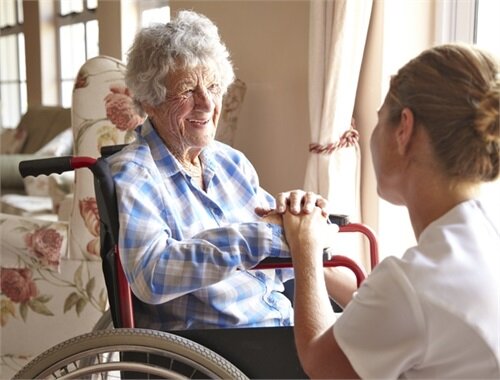
Respite care is when family caregivers can take a longer break from caring for an older adult. These caregiving services can take place in the home or at an assisted living community, typically for less than a month.

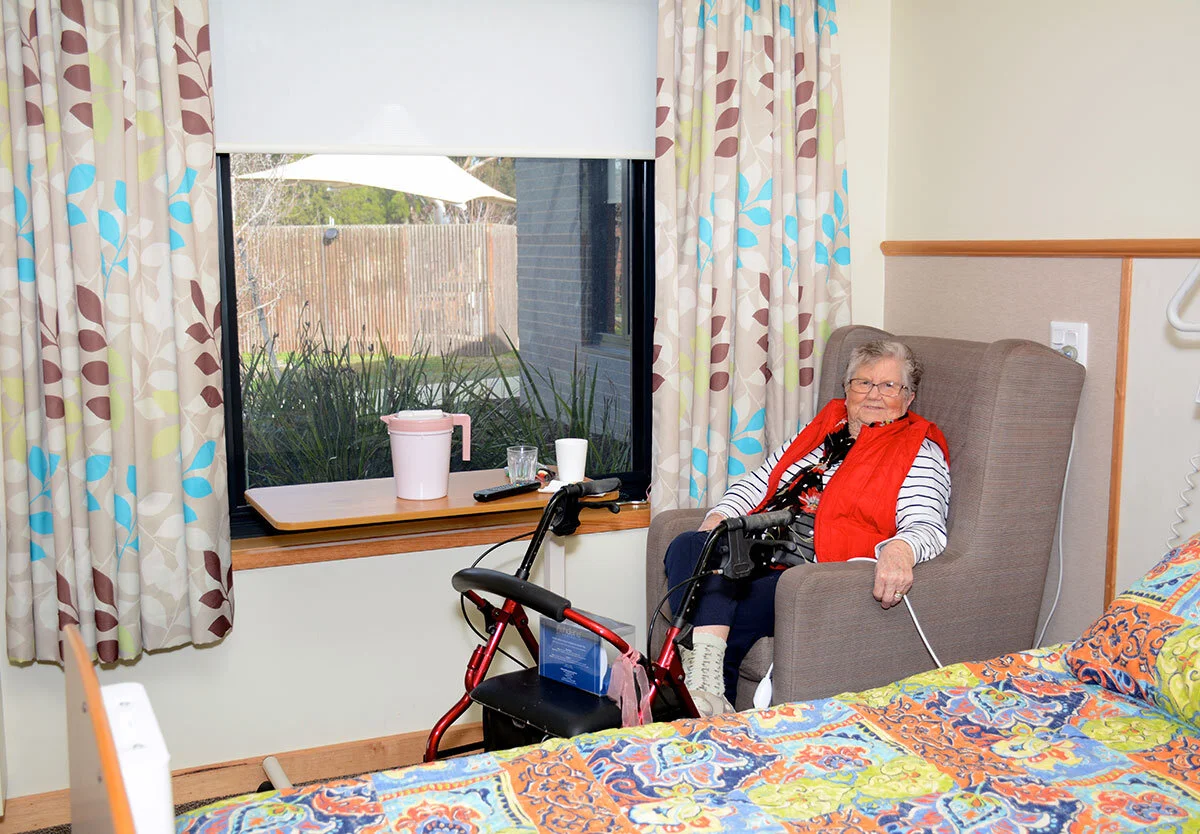
Here, we focus on respite care services outside the home. Many assisted living communities or nursing care facilities offer short-term respite care stays. Seniors would move into a fully furnished room and can take advantage of all regular services and amenities.


Every community offers different amenities, but they’ll usually have:

  • Three meals a day

  • Medication management

  • Help with personal care needs such as bathing, dressing, toileting and grooming

  • 24 hour supervision and security

  • Laundry service & housekeeping

  • Activities, outings, and transportation


Why use respite care services?
There are many situations where respite care can provide much-needed help.


Some examples:

  • You’re getting completely burned out and desperately need a break from caregiving.

  • You’re having a health crisis of your own and need some time to recover before resuming your caregiving duties.

  • You need to travel to an important family event without your older adult.

  • You’re going on a much-needed and well-deserved vacation.

  • Your older adult is recovering from a hospital stay and needs a higher level of care before they can safely return home.

  • You’re thinking about moving your older adult to a specific senior living community and want to test it out before making a final commitment.

  • In especially stressful situations, like Alzheimer’s or dementia care, regular respite breaks give you a chance to recharge your batteries. This helps you sustain caregiving over a long period of time (it really is a marathon).


How much does respite care cost?
The cost of respite care will vary significantly depending on your location, the specific assisted living community or nursing home, and the level of care needed.

According to Genworth’s 2019 Cost of Care survey, national average daily costs are $133 for assisted living and $247 for nursing care. But don’t let those numbers scare you, costs vary significantly from city to city.

And care communities may also offer respite care at prices that are different from their normal rates as part of their marketing plans. So don’t rule out any care communities who offer respite care before calling to ask about special prices or promotions.

There are also state programs that may cover the cost of respite care services.


Does Medicare cover respite care?
No, respite care is not covered by Medicare. But one exception is if the respite care is part of a hospice program. Under the Medicare hospice benefit, seniors can get respite care in an approved facility for up to five days at a time and Medicare will pay 95% of the approved amount.

Each hospice company is different, so first check with the hospice provider to make sure it’s covered by their program. Also, some programs like long-term care insurance policies may cover some of the cost.


This article was featured at Daily Caring:
https://dailycaring.com/local-respite-care-services-give-caregivers-a-break/?utm_source=DailyCaring&utm_campaign=6ec4493747-DC_Email_2019-10-30&utm_medium=email&utm_term=0_57c250b62e-6ec4493747-123200633


Trick or Treat at an Assisted Living!

Halloween-Snow.jpg

Brrrr..... it's cold out there!

Keep your little Ghosties & Goblins warm and take them to a Senior Living Community to Trick or Treat this year. 

Trick or treating with your kids at a local nursing home combines fun with a kind gesture toward others. Some of these residents don't get many visitors so seeing your children is a huge treat. They give your kids candy and make a big fuss over your children–the latter being each parent's favorite moment of the trip, of course.

Call the Assisted Living Facility nearest you before going to find out if they plan to host any Halloween events. We reached out to Stonegate Assisted Living in Parker who said they had been planning to host Trick or Treaters for weeks and reminded us that you do not need to have a family member residing at their facility to attend. They said it was an event they hosted for their community. So awesome!

Alzheimer’s Drug is Pending FDA Approval

article-P-1c940c1f-a3d9-4733-8095-4eb83b204891-8rXSA6C3g2629059499b1c7c4bf-677_634x356.jpg

First-of-its-Kind Alzheimer’s Drug is Pending FDA Approval After Patients Experienced Marked Cognitive Improvement

By Good News Network -Oct 23, 2019


There is currently no drug treatments on the market that can slow the progression of Alzheimer’s disease—but this new medication could soon be a groundbreaking treatment for dementia patients after researchers examined the data from the drug’s Phase 3 clinical trials.

This week, pharmaceutical company Biogen announced that—after consulting with the U.S. Food and Drug Administration (FDA)—they plan to pursue regulatory approval for aducanumab: an investigational treatment for early Alzheimer’s disease.

New analysis showed that aducanumab reduced clinical decline in patients with early Alzheimer’s disease as measured by the pre-specified clinical endpoints. Based on discussions with the FDA, the Biogen pharmaceutical company plans to submit a licensing application for the drug in early 2020. They also aim to offer aducanumab to eligible patients previously enrolled in clinical studies.

Patients who received aducanumab experienced significant benefits on measures of cognition and function such as memory, orientation, and language. Patients also experienced benefits on activities of daily living including conducting personal finances, performing household chores such as cleaning, shopping, and doing laundry, and independently traveling out of the home.

If approved, aducanumab would become the first therapy to reduce the clinical decline of Alzheimer’s disease and would also be the first therapy to demonstrate that removing amyloid beta resulted in better clinical outcomes.


“With such a devastating disease that affects tens of millions worldwide, today’s announcement is truly heartening in the fight against Alzheimer’s,” said Biogen CEO Michel Vounatsos. “This is the result of groundbreaking research and is a testament to Biogen’s steadfast determination to follow the science and do the right thing for patients.


For more information on the study’s results, you can visit the Biogen website for additional details and analysis.

The full article can be found at:
https://www.goodnewsnetwork.org/first-of-its-kind-alzheimers-drug-pending-fda-approval/

WEBINAR: THE PAST, PRESENT, AND FUTURE OF FALL PREVENTION!

iStock_26786516_LARGE.jpg

Over the past 20 years, falls have been increasing despite everyone’s best prevention efforts. In fact, we have doubled the mortality rate for falls in those over 75 years of age in the last decade.


Why is this?


Falls among older adults are changing, but the way we are addressing them isn’t … until now.  Learn why and understand how research points us in a new direction for fall prevention.


WHAT: We will discuss the evolution of fall prevention and what advances in fall prevention look like today.

WHEN:
November 6, 2019

TIME:
10 am MST to 11:30 am MST

WEBINAR REGISTRATION:
Register for the webinar here.

MORE DETAILS:
For more details, visit Aging2.0 Denver Chapter website.


QUESTIONS: Questions about the event, email Karen Brown, karen.peffer.brown@gmail.com

Local Senior Services vs. Online

Knowledge-is-key.jpg

Local Senior Placement companies struggle with Online Competitors Policies

It has been over 3 years since our owner, Chelsea Sweeney, left the hospital setting to help on the community side of assisting seniors and start Maintain Me. Chelsea was a nurse case manager in the hospital and had recognized over the years that the hospital was starting to see more and more of the same people, seniors especially, back in the hospital due to inability to find a safe environment.

This was not due to lack of resources or not enough providers but came down to needing someone to break down a very complicated and emotional situation each step of the way until the desired outcome was reached. When Chelsea started Maintain Me is was VERY WELL RECEIVED. She knew the healthcare system and the hoops in each level of care. It wasn't long before Maintain Me started growing the team and serving seniors all over the Denver Metro Area.

Recently we have come across a new barrier for success. The way our industry works is Transition Services are free of charge to the family and seniors transitioning to independent living, assisted living and memory care. Placement services get reimbursed but the providers in these three settings. We are community consultants and represent the family and senior, not the providers. We do a comprehensive in-person assessment that includes medical, financial and social assessments. Then break down all the settings into 3-5 suitable matches.

Each of these independent living, assisted living and memory care communities have their own website with details on what they provide and we typically encourage families to do any additional research they need to help narrow down the options provided. Recently we have stopped recommending this as online referral companies are now capturing our seniors name and basic information and sending it out to these communities before getting any consent. Regardless of consent, if an online placement agency makes first contact with a seniors information we are then no longer able to represent that senior at those communities.

Its our job to educate our senior population on what type of services exist as we recognize there is not a one size fits all. We want our families to know they have choice of using an online services vs. a local placement agent. But it's important they don't accidentally sign up for an online referral system and limit themselves on resources through the process. Once you have signed up for online service, they have first rights to the transition regardless of the quality services they provide. We recognize that most families first inclination is to do their own research online, we just want to make sure they are getting direct links to the community websites and not signing up for a service they haven't agreed to.

We are lucky to have so many wonderful local agents in the Denver Metro Area and we all would be honored to help any senior and their family find a setting they can be proud of, and help with the stress of making the wrong decision. With a local agent you not only gain local knowledge but you are making a new friend to help you through your unique again process.

What to know about Peptides for Health

Header_What-Is-Collagen_-Your-Complete-Guide-to-Collagen-Peptides-Header.jpg

This is a super informative article that can help you decide if the addition of Peptides to your daily diet would be beneficial.

Peptides are smaller versions of proteins. Many health and cosmetic products contain different peptides for many uses, such as their potential anti-aging, anti-inflammatory, or muscle building properties.


Recent research indicates that some types of peptides could have a beneficial role in slowing down the aging process, reducing inflammation, and destroying microbes. People may confuse peptides with proteins. Both proteins and peptides are made up of amino acids, but peptides contain far fewer amino acids than proteins. Like proteins, peptides are naturally present in foods.

Due to the potential health benefits of peptides, many supplements are available that contain peptides that manufacturers have derived either from food or made synthetically. Some of the most popular peptides include collagen peptides for anti-aging and skin health, and creatine peptide supplements for building muscle and enhancing athletic performance.


What are peptides?

Peptides are short strings of amino acids, typically comprising 2–50 amino acids. Amino acids are also the building blocks of proteins, but proteins contain more.

Peptides may be easier for the body to absorb than proteins because they are smaller and more broken down than proteins. They can more easily penetrate the skin and intestines, which helps them to enter the bloodstream more quickly.

The peptides in supplements may come from plant or animal sources of protein, including:

  • eggs

  • milk

  • meat

  • fish and shellfish

  • beans and lentils

  • soy

  • oats

  • flaxseed

  • hemp seeds

  • wheat


Scientists are most interested in bioactive peptides, or those that have a beneficial effect on the body and may positively impact human health.

Different bioactive peptides have different properties. The effects they have on the body depend on the sequence of amino acids they contain. Some of the most common peptide supplements available are:

  • Collagen peptides, which may benefit skin health and reverse the effects of aging.

  • Creatine peptides, which may build strength and muscle mass.


Some people may take other peptides and peptide hormones to enhance athletic activity. However, the World Anti-Doping Agency have banned many of these, including follistatin, a peptide that increases muscle growth.


Uses & Benefits

Research indicates that bioactive peptides may:

  • lower high blood pressure

  • kill microbes

  • reduce inflammation

  • prevent the formation of blood clots

  • improve immune function

  • act as antioxidants

People often use peptides to try to achieve the following effects:

Slow down the aging process
Collagen is a protein in the skin, hair, and nails. Collagen peptides are broken down collagen proteins that the body can absorb more easily. Taking collagen peptides may improve skin health and slow the aging process.

Some studies indicate that dietary food supplements that contain collagen peptides can treat skin wrinkles. Other research indicates that these supplements may also improve skin elasticity and hydration.

Peptides may stimulate the production of melanin, a skin pigment, which may improve the skin's protection against sun damage.

Topical anti-aging cosmetics can also contain peptides, which manufacturers claim can reduce wrinkles, help skin firming, and increase blood flow.

Improve wound healing
As collagen is a vital component of healthy skin, collagen peptides may facilitate faster wound healing.

Bioactive peptides can also reduce inflammation and act as antioxidants, which can improve the body's ability to heal.

Research is currently ongoing into antimicrobial peptides, which may also improve wound healing. Having very high or very low levels of some antimicrobial peptides may contribute to skin disorders, such as psoriasis, rosacea, and eczema.

Prevent age-related bone loss
Animal research links a moderate intake of collagen peptides with an increase in bone mass in growing rats who also did running exercise.

The study may point to collagen peptides being a useful way to counteract age-related bone loss. However, more research is necessary, especially on humans.

Build strength and muscle mass
Some research on older adults indicates that collagen peptide supplements can increase muscle mass and strength. In the study, participants combined supplement use with resistance training.

Creatine peptides may also improve strength and help to build muscle.

While fitness enthusiasts have been using creatine protein powders for many years, creatine peptides are increasing in popularity.

These particular peptides may be easier for the body to digest, which means they may cause fewer digestive problems than creatine proteins.


Side effects


For healthy individuals, peptide supplements are unlikely to cause serious side effects because they are similar to the peptides present in everyday foods. Oral peptide supplements may not enter the bloodstream as the body may break them down into individual amino acids.

In one study where females took oral collagen peptide supplements for 8 weeks, the researchers did not note any adverse reactions.

However, the United States Food and Drug Administration (FDA) do not regulate supplements in the same way they do medications. As a result, people should exercise caution when taking any supplements.

Topical creams and ointments containing peptides may cause skin symptoms, such as skin sensitivity, rash, and itching. Individuals should always buy from a reputable company and discontinue use if adverse reactions occur.

Also, it is a good idea to speak to a doctor before taking peptide supplements or using topical products that contain peptides. Those who are pregnant, breastfeeding, taking medications, or living with a medical condition should avoid using peptides until they speak to their doctor.


How to use

The timing and dose of peptide supplements will vary, depending on the type and brand.

Always follow the package instructions when taking peptide supplements or using topical peptide creams or lotions. Never exceed the recommended serving size. Discontinue use and consult a doctor if adverse reactions occur.


Summary

Peptides are naturally present in protein-rich foods. It is not necessary to take peptide supplements or use topical sources of peptides.

However, some people may wish to use collagen peptides with the aim of slowing down the aging process. Others may take creatine peptides to build muscle and strength.

There is still limited evidence to indicate that these products are effective, and much more research is necessary to assess their efficacy and safety thoroughly.

Research into peptides is in the early stages, and in the future, scientists may discover health benefits of different types of peptides. Until then, people should exercise caution when taking any supplement and discuss the potential benefits and risks with their doctor beforehand.


This article was featured at Medical News Today
https://www.medicalnewstoday.com/articles/326701.php


Seniors' Blue Book: Speaker Series was a Success

SBB-image.png

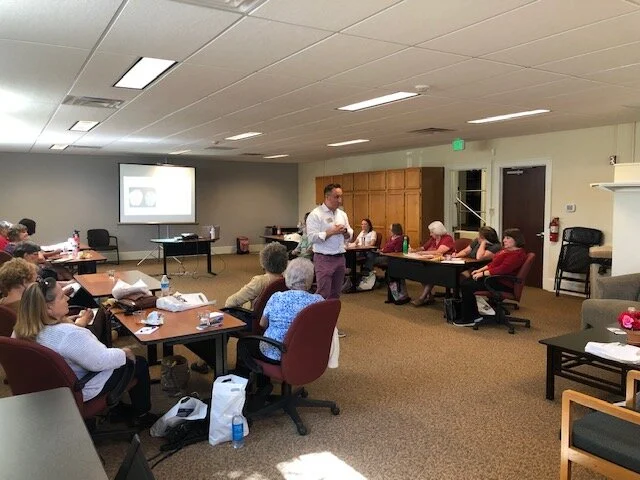
Maintain Me's Chelsea Sweeney was one of the panelist at the recent Speaker Series. SBB was happy with the final result and are already looking forward to expanding this series in 2020.

We appreciate the opportunity to work with such a strong community partner and look forward to future events!

Resources for seniors in dire Financial straits

130615-425x282-senior-citizen-financial-assistance.jpg

Many thanks to Donna Erickson for sending this great list of resources. You can find lots of great information at her site fitmemory.org which is solely dedicated to helping her peers live a healthy post-retirement life. 

Many senior citizens struggle with their finances. In fact, a lot of her friends are going through financial troubles right now. The reasons this problem is so common are many - some go through their life savings much more quickly than they anticipated, some are hit with giant medical or other bills, and some didn’t have a large enough nest egg to begin with.

With so many people seniors struggling with money issues, Donna decided to add a section to her fledgling website with financial resources for senior citizens.


Ready to retire? You still need a budget.
https://www.fidelity.com/viewpoints/retirement/budgeting-in-retirement

How much is my house worth?
https://www.spaceagencyhomes.com/home-valuation/

Aging in Place - Costs to Consider & Tips to Save Money
https://www.moneycrashers.com/aging-in-place-costs-tips-save/

Should I Refinance My Mortgage?
https://www.mortgagecalculator.org/calculators/should-i-refinance.php

How Seniors Can Get Help With Credit Card Debt
https://finance.yahoo.com/news/seniors-help-credit-card-debt-144820226.html

The Difference Between Medicare and Medicaid Reimbursement
https://revcycleintelligence.com/features/the-difference-between-medicare-and-medicaid-reimbursement

Your Complete Guide to Getting Help With Funeral Expenses
https://www.lhlic.com/consumer-resources/need-help-with-funeral-costs-knowing-your-rights-can-save-you-money/

Life Settlements Can Be a Big Risk
https://www.kiplinger.com/article/retirement/T037-C000-S004-life-settlements-can-be-a-big-risk.html

5 things to note before investing in the senior citizen savings scheme
https://www.moneycontrol.com/news/business/personal-finance/5-things-to-note-before-investing-in-the-senior-citizen-savings-scheme-2577657.html

Travel Tips for Seniors on a Budget
https://www.oxygenconcentratorstore.com/blog/travel-tips-for-seniors-on-a-budget/


Shout out to our new insurance provider- EPG Insurnace

653359ef-7fb6-4845-884e-c5b54e9ca75a.jpg

As a locally owned company we always strive to make every dollar we spend in the community count. When selecting an insurance provider we loved that EPG was aligned with our values!

Check out the message from our Sales Representative. 

I just sent over the proposal and wanted to take a moment to thank you for the opportunity to do business together.We use a portion of every policy to give back towards helping the less fortunate, and just wanted to let you know what you’re helping to accomplish.

As of this month, we just donated our 600th wheelchair through FreeWheelchairMission.org. Thank you for helping us to give the gift of mobility to those in need!

This cause is near and dear to our hearts and we thought you would enjoy knowing about the role you’re helping play in the process.

EPG-logo-color-blue-solid-RGB.jpg


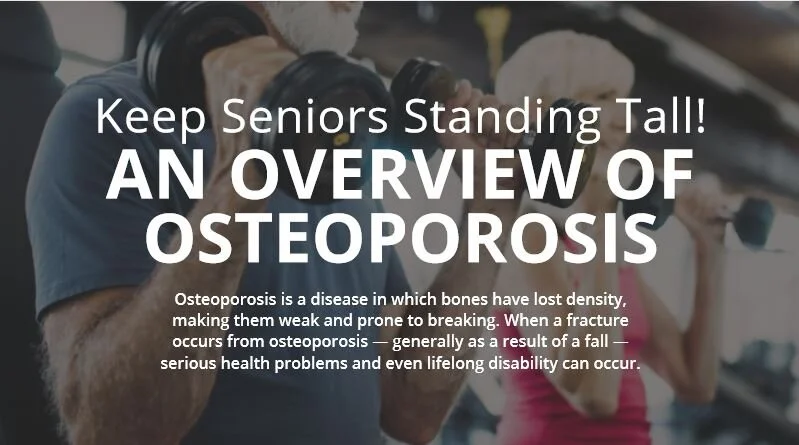
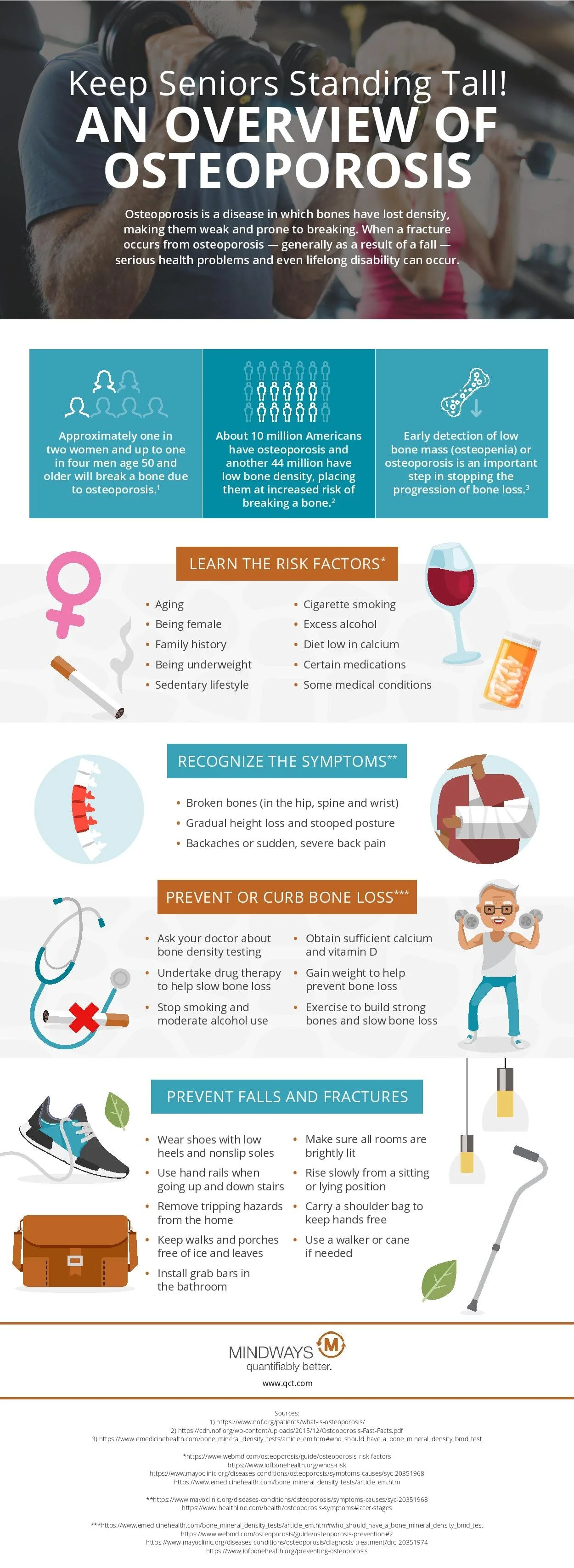
Osteoporosis Resource

Standing Tall Snip.JPG

Thanks to one of our subscribers for sharing this Osteoporosis Resource. We are happy to pass along.

mindways-seniorsv2-page-001.jpg

Chelsea's Recent Success Story: We thrive when we are Together!

together_we_thrive_by_fullmetalpipsqueak-d3ahheb.png

I was lucky enough to have the opportunity to work with a lovely couple who over the years have been separated due to their varying care needs. The family had reached out to Maintain Me thinking that they needed to find separate placement for their parents closer to the children since their care was starting to rise in cost and their needs were becoming more and more. I went out to assess both husband and wife. The gentleman was living in independent living. He was taking care of his kitty, which was his only socialization and companion. He was in a two bedroom and still had his wife's room set up in case she could ever come back. He couldn't recall the last meal he had and his medications were all in need of a refill. This gentleman clearly needed assisted living. Next I assessed his wife. She was the kindest of souls and was waiting for over 30 minutes during our assessment to use the restroom until I had enough and helped her myself. She had a hard time with long term memory however was overall sharp and was able to get to the bathroom with just my help. This little lady was in a locked down memory care unit and why, I did not know. I reached out to the social worker, nurse, CNA and any other personnel that could help me understand why she was in this type of care. NO ONE COULD TELL ME!

I knew this was a case I could truly make a difference!

When I talked with the husband he was saying it was very hard to go see her as she was across the property and it required him to go outside to go over there. This was very dangerous during the cold seasons therefore he only gets to see her when it was nice and he was feeling up for the adventure.

I could go on and on about this case and how wrong placement could truly separate a family and cause failure to thrive however Maintain Me is about solutions. This couple needed to be together in assisted living with an attached memory care in case the wife progressed and needed more care. We started looking right away and there happened to be a place right by the daughters home and within walking distance from her work.

Say no more, we toured and they loved it! This couple moved in this past weekend. They have a one bedroom apartment together, its cheaper than what they were paying before, the husband has medication management, meal prep and kitty got to come too. The wife is back with her lovely husband and whenever she needs additional help he is able to advocate for her! It is hard enough to have to loose your significant other, and loosing them to poor placement is unacceptable.
They are each others better half and together they will thrive!

Chelsea Sweeney, RN
 Maintain Me

Phone: 720-629-3050
Email: Chelsea@maintain-me.com

FREE flu shots for Veterans at your local Walgreen's

Fall is here and with it comes Pumpkin Spice, Cozy Sweaters and THE FLU.

Yes, it is that time of year again that can be life threatening for young an old. Walgreen's has made it even more convenient for you to protect yourself and loved ones by partnering with the VA to provide FREE Flu shots at all their locations. 

SO GET YOURS TODAY!

VA and Walgreens are national partners, providing no-cost quadrivalent flu shots to enrolled Veterans of the VA health care system. Now through March 31, 2020, enrolled Veteran patients nationwide have the option of getting their flu shot at any of Walgreens’ 9,600 locations, in addition to their local VA health care facilities.

How do I get my flu shot for free at Walgreens?
No appointment is required. Simply go to any Walgreens, tell the pharmacist you receive care at a VA facility, and show your Veterans Health Identification Card and another form of photo ID. (Patients will also be asked to complete a vaccine consent form at the time of service.)

Walgreens has the capability to electronically send vaccination information to the VA and your immunization record will be updated in your VA electronic health record.

The VA-Walgreens national partnership is part of VA’s eHealth Exchange project. This national program ensures that many Veterans get their no-cost flu shot at their local Walgreens, satisfying their wellness reminder because they either found it more convenient or did not have a scheduled appointment at a local VA health care facility.

Can I get my flu shot at no cost at the VA?
Yes! If you are enrolled with VA you may receive a no-cost flu shot during any scheduled VA appointment or at one of the convenient walk-in flu stations. For more information on locations and hours contact your local
VA health care facility.

Need to apply for VA health care? Visit:
http:// https://www.va.gov/health-care/how-to-apply/.

Generation Exchange

51584d0d-e732-445d-a8e4-4347b30520c0.jpg

Connecting generations through FREE one-on-one workshops.

Patient volunteers.

Any device.

Any question.

This Boulder based program has connected over 500 students and older adults in the last year. Amazing!

The Generation Exchange holds workshops that connect students and older adults (ages 40 and up) to exchange knowledge and understanding about technology. Student volunteers are paired one-on-one with an older adult to answer basic questions about their phones, laptops, and tablets.

Why They do it.

According to the Pew Research Center, 82% of older adults indicate needing some level of assistance using a new device (ie laptop, tablets, phones).

Generation Exchange believes in a world where no one is overwhelmed by technology. No one should feel like technology is smarter than them, or that becoming proficient with technology is out of reach.


Check out their website to Learn more about the program,
Sign up for a Workshop or Volunteer

https://generationexchange.org/

It is with a heavy heart that we acknowledge the passing of one of our very first case management clients.

4553035a52044e2d2196aa605c44392d.jpg

John was 98 when we met him, and he passed away at 101. John was legally blind, but still quite independent, as long as he was in his home. He knew his way around every door way and window. John was a Veteran, and local business owner, he ran a filling station (that no longer exists) miles from my home. He had stories galore! And I treasured my visits with him. When I reached out to John's family to express my condolences, this is what they shared: "It was great to have your help over the last few years. You are the reason he was able to accomplish his wish of being independent and in his own house."John was a remarkable man, and he will be deeply missed.

Not every client can have the opportunity to remain safely in their home, even if it is their ultimate goal. My job was to monitor the safety and well being of John; as he aged in place, if at any point, I feared for him, things may have looked differently. He had the awesome support of Touching Hearts at Home, his family, and the financial resources to maintain his home and the home care that was provided. These are important factors that must be considered. Financial resources help increase the options for someone with increased care needs, but sometimes, moving into assisted living is the only way to make sure one's needs are met comprehensively. These are very personal and sometimes difficult decisions, but Maintain Me will be honest and supportive of all viable options. We are unique in that our goal is not just placement, our goal is to best honor the wishes of our clients and look at all options.


Morgan Leigh Jenkins, MA
Transition Director
303-847-6861
Morgan@maintain-me.com

How do 80-year-old 'super-agers' have the brains of 20-somethings?

super-agers-brain-scans-788387.jpg

Most elderly individuals' brains degrade over time, but some match — or even outperform — younger individuals on cognitive tests.

  • "Super-agers" seem to escape the decline in cognitive function that affects most of the elderly population.

  • New research suggests this is because of higher functional connectivity in key brain networks.

  • It's not clear what the specific reason for this is, but research has uncovered several activities that encourage greater brain health in old age.

At some point in our 20s or 30s, something starts to change in our brains. They begin to shrink a little bit. The myelin that insulates our nerves begins to lose some of its integrity. Fewer and fewer chemical messages get sent as our brains make fewer neurotransmitters. 

As we get older, these processes increase. Brain weight decreases by about 5 percent per decade after 40. The frontal lobe and hippocampus — areas related to memory encoding — begin to shrink mainly around 60 or 70. But this is just an unfortunate reality; you can't always be young, and things will begin to break down eventually. That's part of the reason why some individuals think that we should all hope for a life that ends by 75, before the worst effects of time sink in.

But this might be a touch premature. Some lucky individuals seem to resist these destructive forces working on our brains. In cognitive tests, these 80-year-old "super-agers" perform just as well as individuals in their 20s.
 

Just as sharp as the whippersnappers

To find out what's behind the phenomenon of super-agers, researchers conducted a study examining the brains and cognitive performances of two groups: 41 young adults between the ages of 18 and 35 and 40 older adults between the ages of 60 and 80.

First, the researchers administered a series of cognitive tests, like the California Verbal Learning Test (CVLT) and the Trail Making Test (TMT). Seventeen members of the older group scored at or above the mean scores of the younger group. That is, these 17 could be considered super-agers, performing at the same level as the younger study participants. Aside from these individuals, members of the older group tended to perform less well on the cognitive tests. Then, the researchers scanned all participants' brains in an fMRI, paying special attention to two portions of the brain: the default mode network and the salience network.
 

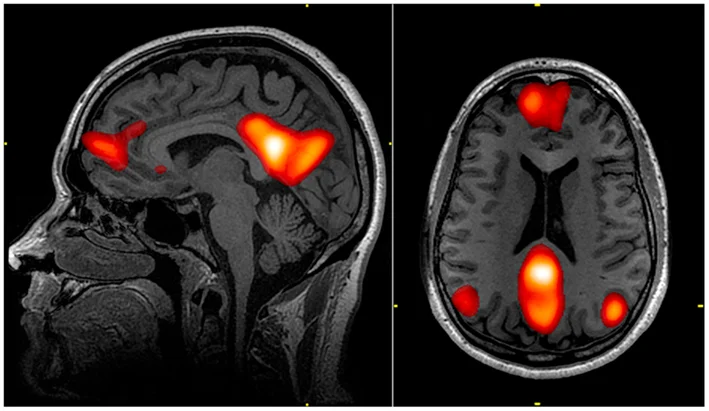
The default mode network is, as its name might suggest, a series of brain regions that are active by default — when we're not engaged in a task, they tend to show higher levels of activity. It also appears to be very related to thinking about one's self, thinking about others, as well as aspects of memory and thinking about the future.

The salience network is another network of brain regions, so named because it appears deeply linked to detecting and integrating salient emotional and sensory stimuli. (In neuroscience, saliency refers to how much an item "sticks out"). Both of these networks are also extremely important to overall cognitive function, and in super-agers, the activity in these networks was more coordinated than in their peers.

How to ensure brain health in old age

While prior research has identified some genetic influences on how "gracefully" the brain ages, there are likely activities that can encourage brain health. "We hope to identify things we can prescribe for people that would help them be more like a superager," said Bradford Dickerson, one of the researchers in this study, in a statement. "It's not as likely to be a pill as more likely to be recommendations for lifestyle, diet, and exercise. That's one of the long-term goals of this study — to try to help people become superagers if they want to."

To date, there is some preliminary evidence of ways that you can keep your brain younger longer. For instance, more education and a cognitively demanding job predicts having higher cognitive abilities  in old age. Generally speaking, the adage of "use it or lose it" appears to hold true; having a cognitively active lifestyle helps to protect your brain in old age. So, it might be tempting to fill your golden years with beer and reruns of CSI, but it's unlikely to help you keep your edge.

Aside from these intuitive ways to keep your brain healthy, regular exercise appears to boost cognitive health in old age, as Dickinson mentioned. Diet is also aprotective factor, especially for diets delivering omega-3 fatty acids (which can be found in fish oil), polyphenols (found in dark chocolate!), vitamin D (egg yolks and sunlight), and the B vitamins (meat, eggs, and legumes). There's also evidence that having a healthy social life in old age can protect against cognitive decline.

For many, the physical decline associated with old age is an expected side effect of a life well-lived. But the idea that our intellect will also degrade can be a much scarier reality. Fortunately, the existence of super-agers shows that at the very least, we don't have to accept cognitive decline without a fight.
 

This article was published by Big Think:
https://bigthink.com/mind-brain/super-agers-brain?rebelltitem=1#rebelltitem1

An image of the brain highlighting the regions associated with the default mode network.

An image of the brain highlighting the regions associated with the default mode network.

Fall Caregiving Series: ONLY 2 classes left!!!

Aging Well caregiving series flyer 2019-page-001.jpg

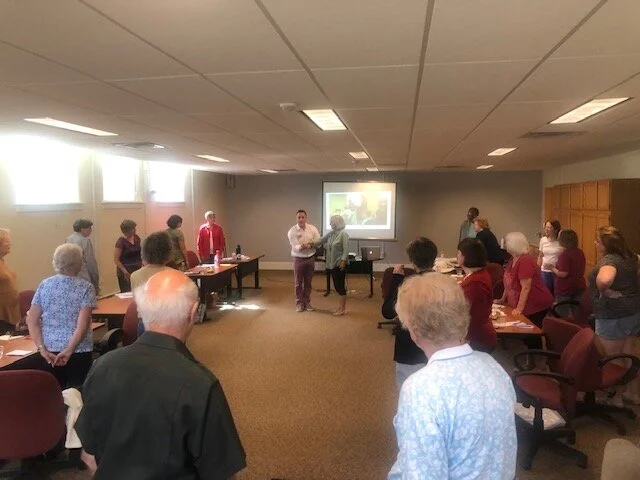
We've included some photos from the first class which was a great success! The second class of the series is TODAY.

Learn practical ways to assist loved ones that improves care, eases anxiety and reduces caregiver stress. Training series will include tools and strategies for communication, personal care and difficult behaviors. 


There are only 2 more classes remaining.

Don't miss out.

Register today!!!

https://secure.givelively.org/event/seniors-resource-center-inc/src-jeffco-aging-well-caregiver-series/practical-tactical-caregiver-series


Speaker Series on Senior Living Options- SOUTH Denver

unnamed.jpg

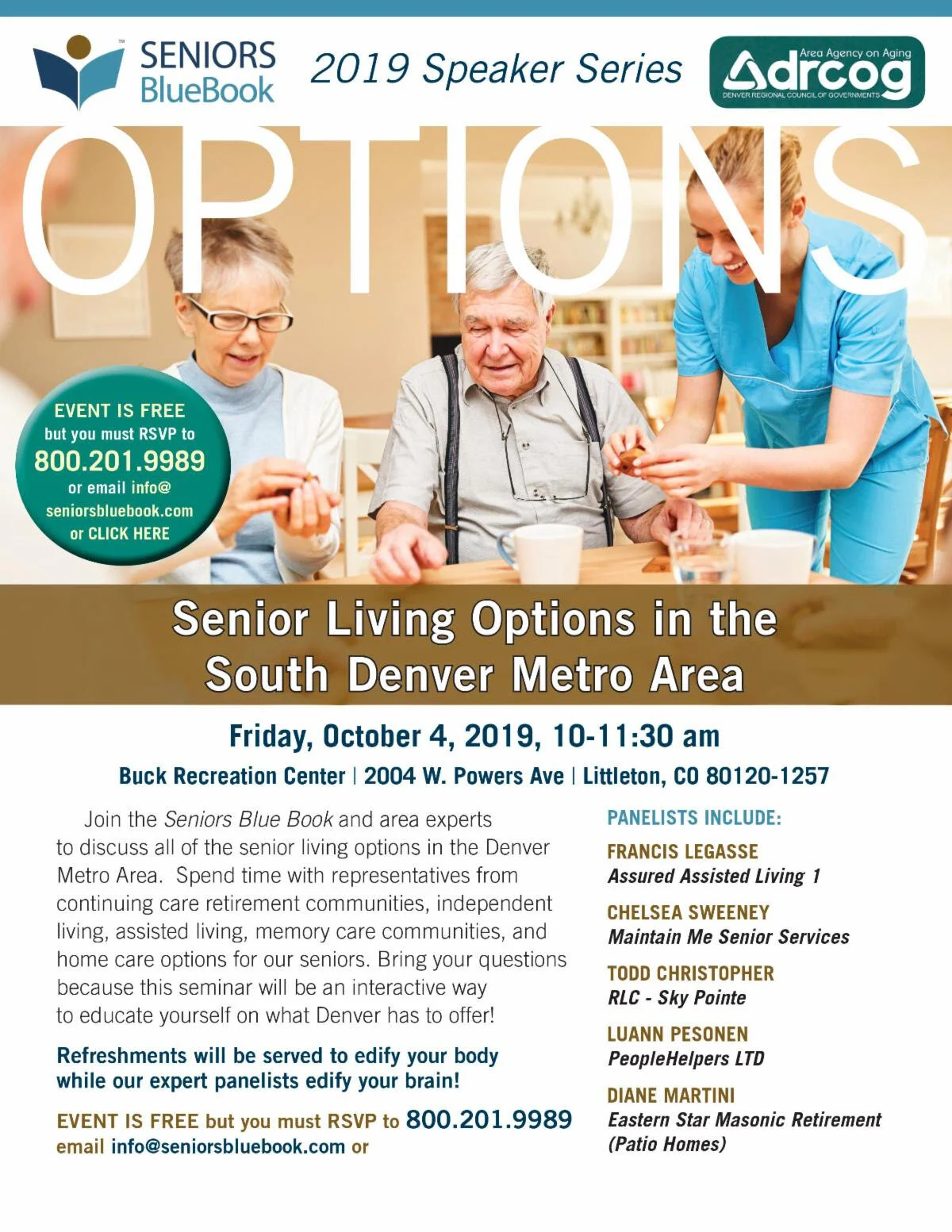
Seniors Blue Book & DRCOG have Partnered to bring you a Speaker Series on: 
 

Senior Living Options
Knowledge is Power! Come and learn what Senior Living Options are available on the South Metro Denver Area.


When:
Friday, October 4, 2019
10:00 AM - 11:30 AM

Where:
Douglas H Buck Community Recreation Center
2004 W Powers Ave
Littleton, CO 80120

The Owner of Maintain Me, Chelsea Sweeney, will be one of the panelists!!!

There is limited seating so register now!!!

https://events.r20.constantcontact.com/register/eventReg?oeidk=a07eglddav53ad153c8&oseq=&c=&ch=&utm_source=Contacts&utm_campaign=13d01628ca-EMAIL_CAMPAIGN_2017_05_03_COPY_01&utm_medium=email&utm_term=0_03a1f63087-13d01628ca-219489697

Speaker Series on Senior Living Options- NORTH Denver

north.JPG

Seniors Blue Book & DRCOG have Partnered to bring you a Speaker Series on: 
 

Senior Living Options
Knowledge is Power! Come and learn what Senior Living Options are available in the North Denver Metro Area.


When:
Thursday, October 3, 2019
10:00 AM - 11:30 AM

Where:
Thornton Active Adult Center
9471 Dorothy Blvd
Thornton, CO 80229


There is limited seating so register now!!!

https://events.r20.constantcontact.com/register/eventReg?oeidk=a07eglk2x6j04c8e4a8&oseq=&c=&ch=&utm_source=Contacts&utm_campaign=cb70d0c2b7-EMAIL_CAMPAIGN_2017_05_03_COPY_01&utm_medium=email&utm_term=0_03a1f63087-cb70d0c2b7-219489697

A Caregiver’s Acceptance of a Loved One's Condition Isn't Giving Up

1140-senior-couple-embracing.imgcache.rev808f2eb188ddcf5e92b1f585fbbaa810.jpg

Dealing with hard facts can help you better face challenges down the road

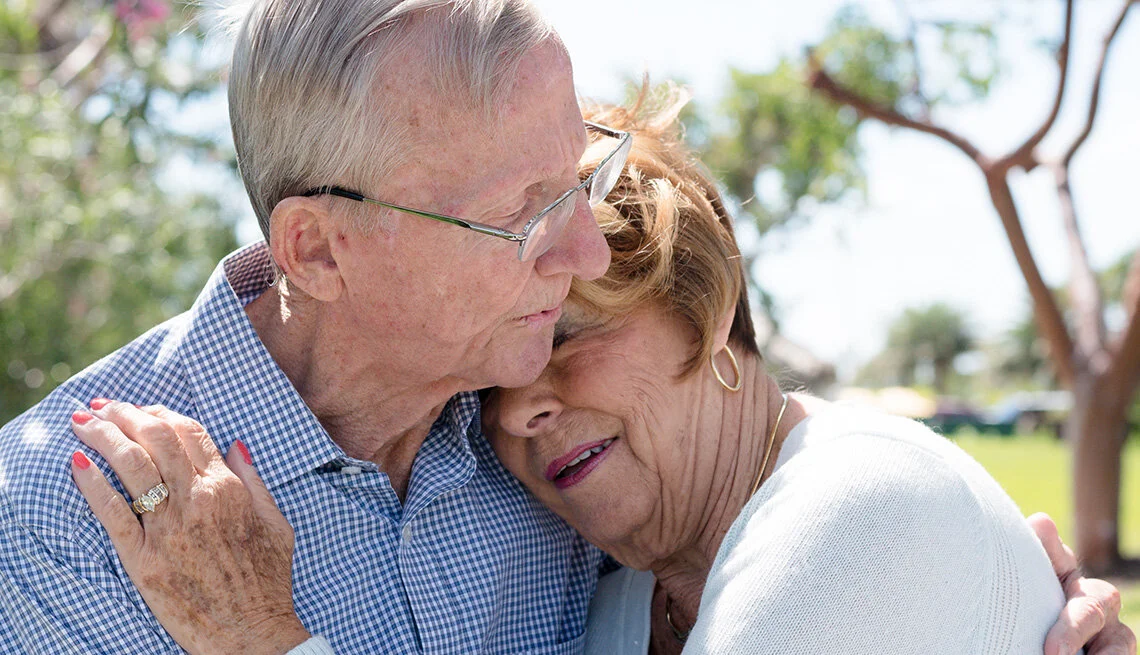
"Yes, I know she has what you call ‘dementia,'” 75-year-old Sam said, his white-whiskered face set sternly as if challenging me. “But I choose not to focus on that very much.” He added, “Barbara and I have been married for over 50 years and she's still the same wonderful woman to me."

His hard look seemed to soften a bit when he mentioned his spouse and the love of his life. I was moved by his sentiment: No matter how much Barbara's thinking skills had deteriorated over the last few years, the essence of who she was — and even how she was — were still basically the same to him.

Nonetheless, I worried about the two of them. Because Sam was intent on limiting the degree to which their lives were disrupted by her condition, he wouldn't accept support services, such as home health aides and adult day programs, that are often helpful for patients with dementia. Likewise, because he played down that he was a dementia caregiver, he wouldn't consider attending education or support groups or asking their adult children and grandchildren to pitch in.

It was as if Sam felt that being loyal to Barbara meant largely ignoring her disease and trying to live as fully as they always had. To his way of thinking, dwelling on dementia's dire consequences and admitting her limitations would be giving in to it — something no strong, caring husband like
him would ever do.

I have met many older spousal caregivers over the years in hospitals, primary care offices and retirement communities who refused to buckle to the reality of a loved one's condition, be it dementia, Parkinson's or cancer. It was as if they thought they could keep illness from touching them by rejecting all reminders of it, including educational pamphlets, medical treatments and social supports. It was only when catastrophe struck — a bad fall, sudden confusion, or medical complication and hospitalization — that they'd grudgingly admit, “Yes, my loved one has a bad condition for which we need some help."


Positive thinking can be negative: Many caregivers are saddled with the belief that staying continuously positive gives them the best chance of warding off the effects of a care receiver's illness. They refuse to entertain more negative thoughts (or engage in what's disparagingly called “stinkin’ thinkin'") as if they could be potentially harmful. But positivity not based on reality is self-delusion. It prevents caregivers and care receivers from taking necessary steps to face the challenges of caregiving squarely. It maintains short-term happiness at long-term peril.

Caregivers who can accept the course of a loved one's illness, learn to contend with its many challenges and then savor the time they still have left with one another are better able to cope with whatever unfolds. How can all caregivers achieve that level of flexibility and adaptation?

Negative feelings can be positive: Similarly, some caregivers believe that expressing negative emotions, such as sadness and worry, can increase the stress and guilt felt by care receivers and hurt them, too. But when caregivers are unremittingly upbeat, then their loved ones often feel prohibited from expressing any twinge of sadness or anxiety. That doesn't make them cheerier; it makes them feel more alone with their conditions and emotions. It is better for caregivers to share their negative feelings with care receivers and consequently draw closer in commiseration.

Accepting isn't despairing: Despair is defined as the complete absence of hope. But that's not the usual end result of acceptance. When a caregiver can reflect upon all the ramifications of a loved one's condition, he is taking command of caregiving to the best of his abilities. He makes decisions based on an awareness of the facts. He meets day-to-day problems by generating solutions that are realistic. That doesn't lessen hope for living a life of the highest possible quality; it increases it.

Accepting can be cherishing: Living with acceptance that a loved one is declining doesn't sap enjoyment from time spent together, it intensifies it. There is something about having an awareness of the care receiver's vulnerability that concentrates the caregiver's mind and makes time itself more precious. We do our best with eyes fully open. We take in our loved one for as long as we can. Afterward, we cherish them and all we did to try to help them.


Barry J. Jacobs, a clinical psychologist, family therapist and healthcare consultant, is the co-author of the book AARP Meditations for Caregiver


Link to the original posting of this AARP Article
https://www.aarp.org/caregiving/basics/info-2019/acceptance-of-loved-one-condition/?intcmp=AE-CAR-R1-C1#.html