
How Colorado Altitude Affects Seniors and What Elder Care Support Can Help

Colorado can be a wonderful place to grow older. The sunshine, mountain views, walking paths, and dry air draw people in for good reason. But the same altitude that makes the state feel so special can also make daily life harder, especially when the body is already dealing with age, heart concerns, lung issues, or lower stamina.
Denver sits at about 5,280 feet above sea level. Many mountain towns are much higher. At those elevations, each breath brings in less oxygen than it would at sea level. For some people, that’s only a mild adjustment. For others, it can affect sleep, walking, appetite, balance, and overall energy.
This is medical information for general awareness only. Any new shortness of breath, chest pain, confusion, fainting, or sudden weakness should be checked right away by a medical professional.
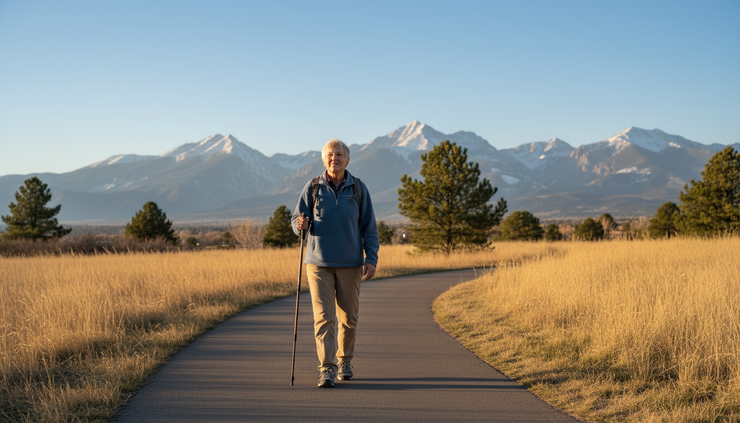
Why altitude feels different as the body ages
At higher elevations, the air is thinner. That doesn’t mean there’s no oxygen, but it does mean the body has to work harder to get the oxygen it needs.
A younger, healthy body may adjust quickly. An older body may need more time. That’s not a personal failure. It’s simply how aging bodies often respond to stress.
A few normal age-related changes can make altitude more noticeable:
The lungs may not move air as easily as they once did.
The heart may need more effort to move oxygen-rich blood.
Muscles may tire faster with less oxygen available.
Balance and reaction time can change, especially when feeling lightheaded.
Sleep can become lighter or more interrupted.
For many older adults, the effects are subtle. Maybe a walk that used to feel easy now takes more breaks. Maybe climbing stairs in Denver feels harder than it did in a lower state. Maybe a trip to Breckenridge or Vail causes a headache or restless night.
The key is to notice patterns without panic. Altitude affects people differently, and even long-time Colorado residents can feel changes after illness, surgery, a medication change, or a move to a higher community.
Common altitude-related problems for seniors in Colorado
Altitude can show up in everyday ways. Some symptoms are mild and improve with rest, fluids, and time. Others need prompt care.
Shortness of breath and low energy
A person may feel winded during chores, walking, showering, or getting dressed. This can be frustrating because it may seem out of proportion to the activity.
Shortness of breath deserves attention when it’s new, getting worse, or happens at rest. It also matters more when it comes with chest discomfort, sweating, blue lips, or confusion.
Headaches and poor sleep
Headaches are common when people first arrive at higher elevation. Sleep can also feel strange. Some people wake more often or feel tired even after a full night in bed.
This can affect mood, memory, and fall risk the next day. A tired body is less steady.
Dehydration
Colorado’s dry air can pull moisture from the body faster than expected. Sweat may evaporate quickly, so it’s easy to miss how much fluid is being lost.
Dehydration can lead to:
Dizziness
Constipation
Muscle cramps
Confusion
Weakness
Higher fall risk
Some older adults drink less water because they worry about needing the bathroom often. That’s understandable. Still, too little fluid can create bigger problems.
Appetite changes and nausea
Altitude can reduce appetite, especially during the first few days in a higher place. Some people feel mildly nauseated or full faster than usual.
This matters because the body still needs food for strength, healing, and medication safety. A skipped meal here and there may not seem serious, but low food intake can add up.
Balance concerns
Lightheadedness, fatigue, poor sleep, and dehydration can all affect balance. In Colorado, uneven sidewalks, snow, ice, gravel paths, and mountain terrain can make that even more challenging.
A small altitude-related dizzy spell can become a serious fall if the environment isn’t safe.

Health conditions that may need extra care at elevation
Some health conditions can make high altitude harder on the body. This doesn’t mean Colorado is off-limits. It does mean planning matters.
People living with heart conditions may notice more fatigue or breathlessness. The heart may need to pump a bit harder when oxygen levels are lower. Those with lung conditions may also feel changes sooner, especially during activity or sleep.
Altitude can also affect people who are recovering from pneumonia, surgery, or a long hospital stay. Even a person who handled Colorado well for years may need extra support after a health setback.
Medication routines are another factor. Some medicines affect fluid balance, blood pressure, or alertness. At altitude, dehydration or poor sleep may make side effects more noticeable.
A good rule is simple: tell a doctor about changes in breathing, energy, sleep, or dizziness, especially after moving, traveling, or changing medication.
Tips that can make altitude easier to manage
Living well at altitude often comes down to steady habits. None of these tips are dramatic, but together they can make a real difference.
Give the body time to adjust
Acclimatization means letting the body adapt slowly. There’s no need to use that word every day, but the idea matters.
After arriving in Colorado, or after traveling to a higher mountain town, take the first few days seriously. Plan lighter activity. Avoid rushing into long hikes, heavy yardwork, or a packed social schedule.
Helpful pacing ideas include:
Take short walks instead of one long walk.
Rest before feeling completely worn out.
Use elevators when available.
Sit while dressing if standing feels tiring.
Break chores into smaller steps.
The goal isn’t to stop moving. It’s to move in a way the body can handle.
Drink fluids before feeling thirsty
Thirst can be a late signal, especially with age. Keeping water nearby helps. So does building fluids into routines.
Try a glass of water:
After waking up
With each meal
When taking medication, if safe to do so
After a walk
Before leaving the house
Some people have medical reasons to limit fluids, such as certain heart or kidney conditions. In that case, follow the doctor’s guidance.
Watch alcohol and heavy meals
Alcohol can worsen dehydration and sleep problems. It may also make dizziness more likely. At altitude, even a usual amount may feel stronger than expected.
Heavy meals can also feel harder to digest, especially during the first few days at a higher elevation. Smaller, balanced meals may feel better.
Protect sleep
Sleep is one of the first things altitude can disturb. A few simple steps may help:
Keep the room cool but comfortable.
Avoid overdoing activity late in the day.
Limit alcohol close to bedtime.
Keep water nearby.
Talk with a doctor if waking short of breath happens often.
Poor sleep shouldn’t be brushed off as “just aging.” It can affect safety, memory, mood, and strength.
Pay attention to warning signs
Some symptoms need quick medical care. Don’t wait them out.
Seek help right away for:
Chest pain or pressure
Severe shortness of breath
Confusion or unusual behavior
Fainting
Blue lips or fingertips
Severe weakness
A headache that is intense or getting worse
Trouble walking straight
It’s better to be checked and reassured than to ignore something serious.
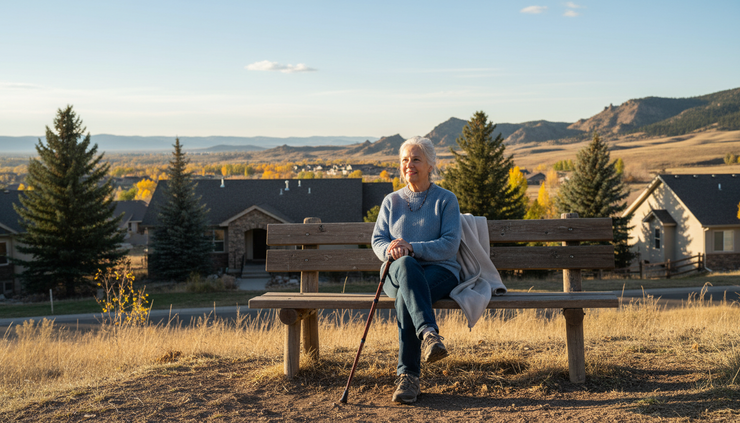
How altitude shapes elder care in Colorado
Altitude isn’t just a personal health issue. It also affects how care is planned in homes, senior communities, clinics, and residential settings.
Good care in Colorado often includes closer attention to breathing, hydration, sleep, and safe movement. This is especially true in and around Denver, where daily life already starts a mile above sea level, and in mountain communities where elevation climbs even higher.
Families and care teams may need to ask different questions here than they would at sea level.
For example:
Is shortness of breath new, or has it changed?
Is the person drinking enough for Colorado’s dry climate?
Are walks and errands paced safely?
Is the home set up to reduce falls when someone feels lightheaded?
Does travel to higher towns require a slower plan?
Are oxygen needs being reviewed by a medical professional?
This is where local experience matters. Providers who understand Senior Care Colorado can better recognize how elevation, weather, transportation, and distance from services all fit together.
Home care support can fill daily gaps
Many people want to stay at home as long as possible. With altitude-related fatigue or dizziness, small tasks can take more energy than expected.
Home care support may help with:
Meal preparation
Light housekeeping
Laundry
Medication reminders
Transportation to appointments
Safe walking and transfer help
Monitoring changes in appetite, sleep, and energy
A caregiver may also notice patterns that are easy to miss. For instance, a person may seem more tired after errands at a higher elevation, or more confused on days when they drink very little.
Senior living communities can offer built-in support
For some people, a senior living setting provides the right mix of independence and help. Assisted Living may be useful when daily tasks are getting harder, but full-time medical care isn’t needed.
In Colorado, a good community or care plan should pay attention to altitude-related needs. That can include hydration reminders, safe activity options, transportation, fall prevention, and help communicating changes to health professionals.
Questions worth asking include:
How does the staff monitor changes in breathing or energy?
Are residents encouraged to hydrate throughout the day?
What happens if someone feels dizzy or short of breath?
Are walking areas safe in snowy or icy weather?
Is transportation available for medical appointments?
How does the team support residents returning from a hospital stay?
The answers can say a lot about whether the setting truly fits life at elevation.
Support systems and resources that can help
Colorado has a mix of medical, community, and home-based supports. The best starting point is often a primary care doctor, especially for anyone with heart or lung concerns. A doctor can help decide whether symptoms are tied to altitude, medication, illness, or something else.
Local support may also include:
County aging services
Senior centers
Transportation programs
Meal delivery services
Home health services ordered by a doctor
Physical therapy for strength and balance
Care managers who help coordinate services
Local fire or emergency medical programs that offer safety information
In the Denver area, access to hospitals and clinics is generally strong. In mountain towns or rural parts of Colorado, planning ahead matters more. Weather, distance, and road conditions can delay care, so it helps to know where to go before there’s an urgent need.
A practical care folder can make life easier. Keep it in a visible place and include:
Medication list
Doctor names and phone numbers
Health conditions
Emergency contacts
Preferred hospital or clinic
Notes about oxygen use, if prescribed
Recent changes in symptoms
This kind of preparation can reduce stress for everyone.
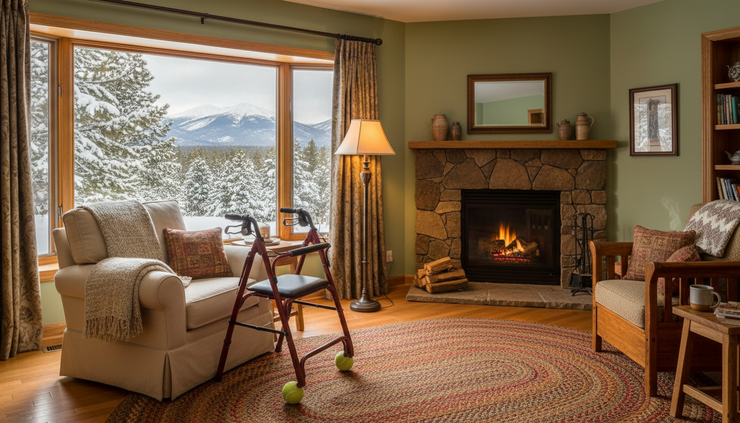
Planning for mountain trips and higher elevations
A day trip from Denver to a higher mountain town can be beautiful, but it can also be a big jump for the body. Even people who live in Colorado may feel different when they go higher.
A safer plan includes:
Going slowly on the first day
Drinking water before and during the trip
Limiting alcohol
Eating light, steady meals
Taking breaks when walking
Watching for headache, nausea, dizziness, or unusual fatigue
Turning back or going lower if symptoms worsen
If oxygen is prescribed, use it exactly as directed. Don’t adjust oxygen flow without medical guidance.
It can also help to tell a travel companion what symptoms to watch for. That way, no one has to make decisions alone while feeling unwell.
A kinder way to think about aging at altitude
Colorado asks more from the body. That doesn’t mean older adults can’t thrive here. Many do. It just means the body may need a slower pace, more water, steadier routines, and care support that understands the local environment.
There’s no shame in taking breaks. There’s no weakness in using a walking aid, asking for a ride, or choosing a lower-elevation outing instead of a mountain trip. These choices protect independence.
The best approach is early awareness. Notice changes. Talk about them. Bring them to a doctor. Build support before a small issue turns into a crisis.
Living at altitude is easier when care feels practical and respectful. With the right habits and the right help, Colorado can still feel like home, not a place the body has to fight every day.



Comments