Tax Day is less than a month away. Don't wait, get help now

taxhelp690x400.jpg

 It’s that time of year – FREE tax prep assistance


Every year Seniors’ Resource Center’s Volunteer Income Tax Assistance (VITA) Program makes tax season less stressful for Colorado Seniors. This free program matches skilled volunteers with qualified taxpayers to Tax preparation volunteer help taxpayers file their taxes. The program provides crucial support for tax preparation to Colorado residents who may not have the resources to find other assistance.
 
Starting February 8th, Seniors’ Resource Center (SRC) will begin offering this service for 2016. The service is available by appointment only by calling 303.235.6921.
 

Interested in getting help with taxes?
The VITA program offers help preparing individual taxes and is available to:

  • people who generally make $54,000 or less annually tax prep paperwork
  • persons with disabilities
  • the elderly
  • limited English speaking taxpayers

IRS-certified volunteers provide free basic income tax return preparation with electronic filing.


Tax program takes place at two different locations

Mondays – SRC Southwest: 10181 B West Bowles Place, Littleton, CO 80127
 
Fridays -SRC Wheat Ridge: 3227 Chase Street, Denver, CO 80212
 
Call us at 303.235.6921 with any questions or to get an appointment scheduled.

Here’s a link with the list of what to bring to the appointment http://srcaging.org/wp-content/uploads/VITA-TAX-PROGRAM-2016.pdf


To learn more visit http://srcaging.org/free-tax-preparation/

3 Way to Get the Medical Equipment Seniors Need

hme_services.jpg

Many older adults rely on home medical equipment like walkers, wheelchairs, hospital beds, oxygen concentrators, or other assistive devices in order to live as safely and comfortably as possible. But finding the right equipment at the right price can be challenging. 


When it comes to home medical equipment and supplies for your older adult, there are a few different ways to find what they need.

Getting medical supplies could be fast and efficient, like when receiving oxygen, IV, or NG tube supplies. They often come in overnight shipments right to your door.

For other items like a wheelchair, hospital bed, bedside commode, or other types of durable medical equipment, you may end up waiting weeks or even months. That will depend on the local medical equipment companies that Medicare requires you to work with in order for the item to be covered.

But that’s not the only way to find medical equipment and supplies.

Find out about 3 ways to get the home medical equipment that your older adult needs with pricing ranging from fully covered by insurance to paying out of pocket.


1. Get a Doctor’s Order
If your older adult needs durable medical equipment and they’d like Medicare Part B or Medicaid to pay for it, they’ll need a doctor’s order.

Basically, your older adult’s primary care physician or specialist needs to examine them and write a “prescription” (aka doctor’s order) for the needed equipment. The doctor will also need to complete and submit any other required paperwork.

For example, to qualify for a Medicare-covered wheelchair, your older adult’s doctor may have to assess and determine that your older adult:

  • Has difficulty getting around the home even with a cane or walker
  • Is unable to perform daily tasks (like dressing, bathing) on their own
  • Has a condition, disease, or injury that requires a specific type of wheelchair in the home
  • Can manually operate the wheelchair themselves or has a caregiver who can help at all times

The ability to get a doctor’s order also covers other condition-specific durable medical equipment like a hospital bed, CPAP machine, patient lift, walker, cane, oxygen concentrator, blood sugar monitor, and more. Find out which types of durable medical equipment are covered by Medicare Part B here https://www.medicare.gov/coverage/durable-medical-equipment-coverage.html

Medicare covers the cost of some equipment completely and other types they may cover partially. If only part of the cost is covered, your older adult would need to make monthly co-payments, either in a rent-based or lease-to-own model – meaning they’d pay a certain amount over 12 months and then they’d officially own the equipment.

 
2. Find a local lending program
Some local nonprofit organizations may have programs where people can borrow medical equipment and assistive devices for free.

These programs typically rely on donations of medical equipment from people who no longer need them. The items are cleaned, repaired, and then lent out to people in need.

Check with the county’s Area Agency on Aging, local senior resource centers, or religious organizations to see if they have medical equipment lending programs. Denver and the surrounding areas has a rich network of used medical equipment. A quick internet search will help you find a center close to you.

You’ll often find a range of durable medical equipment, including bedside commodes, wheelchairs, walkers, overbed tables, canes, and sometimes even hospital beds. Depending on the organization, they may also stock other supplies like nutritional drinks, adult incontinence supplies, and cleaning supplies.


3. Buy it yourself (pay out of pocket)
In some situations, time is the most important factor. Your older adult may need certain medical equipment items immediately.

If that’s the case, you might want to shop around and pay out of pocket. It is possible to find quality equipment at a decent price – you don’t necessarily need to spend an arm and a leg. We’ve got suggestions on where to look.

If you decide to shop online, like for a high quality cane, you might want to start with a Google search or a search on Amazon. Amazon is known for fast shipping and great customer service, but doesn’t always have the lowest prices. So it’s also worth looking at other online medical equipment companies that may offer free shipping or special promotions like 10% off for first-time customers.

If the item is something you’d prefer to see and test out in person, check local drugstore chains (like CVS or Walgreens) or a big retail store (like Walmart) to see their selection of medical equipment. You might even be able to use a loyalty card or rewards points to get a discount!

And don’t forget about charity resale shops like Goodwill or Salvation Army – you never know what they may have for sale.
 

If your older adult is currently using a home health care agency, you may also want to check with them. Their nurses or aides may be able to bring certain medical supplies at no charge or share advice about which types of durable medical equipment or supplies could help in your older adult’s care.


Link to original content:
http://dailycaring.com/3-ways-to-get-the-home-medical-equipment-that-seniors-need-wheelchairs-hospital-beds-and-more/?utm_source=DailyCaring&utm_campaign=251ab415e3-DC_Email_2018-03-09&utm_medium=email&utm_term=0_57c250b62e-251ab415e3-123200633
 

St. Patty's Day fun with your Senior

DSC_70961.jpg

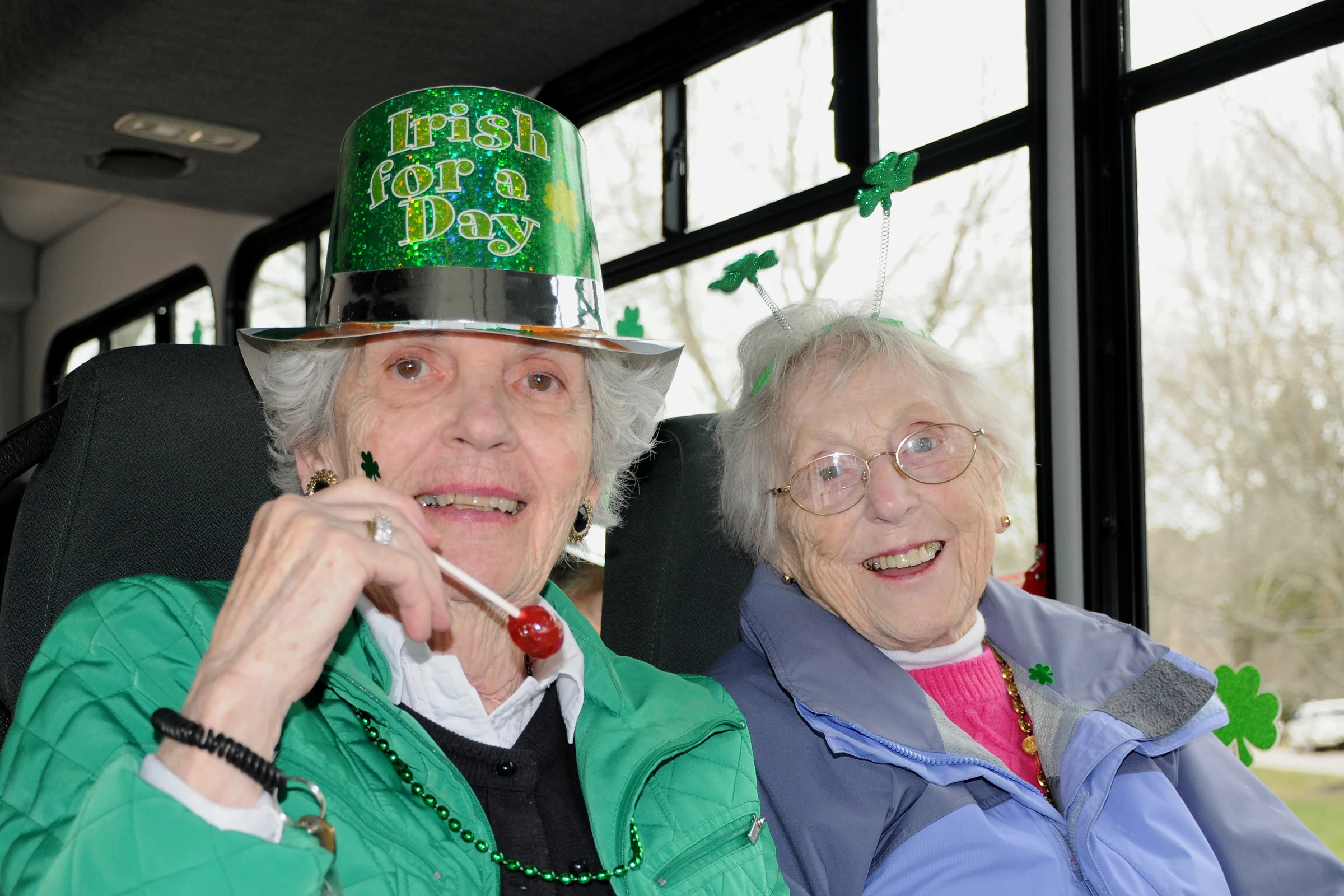
Over the years St. Patty’s Day has become a notoriously rowdy holiday but there are great low key ways to celebrate that don't involve green beer.
 

  1. Cooking- Corned beef & Cabbage is the obvious go to. It’s easy to prepare in the crock pot and is a super appealing comfort dish for older generations. Don’t skip the opportunity to cook the meal together, who knows, you may be missing out on a great family recipe for Soda Bread.


  1. Storytelling- If your loved one is Irish or not, they are bound to have some great tales of St. Patty’s Day celebrations past. Use the holiday to take a stroll down memory lane, you are sure to get some good stories.


  1. Festive treats- Store bought or homemade, anything green is sure to please. If chocolate is their weakness, buy a green basket, pail, or shamrock hat and fill with gold wrapped candy of your choice such as Werther’s Originals, Ferrero Rocher, Almond- Hershey’s Kisses, or Rolos for a quick and easy "pot of gold" themed treat.


  1. Music- Irish/Celtic music can range from upbeat to slow and melodic, there's something to suit every taste. This is also a great option for those who might suffer from dementia. Music stimulates brain activity, evoking both emotion and memories.

 
It may be tempting to attend a parade or local festival but be sure to factor in logistics first. Parking, walking long distances, lack of seating, weather, and noise are all factors that could turn a fun outing into a long day for you and your loved one. Instead, check restaurants that offer themed meals AND take reservations. Also, contact local churches and Assisted Living Facilities for events that may cater to an older clientele.
 

Caring Conversations: Thought Piece- Part 2

The-Life-of-a-Caregiver.jpg

Thought Piece: Caring Conversations – Part 2

 WEDNESDAY, FEBRUARY 28TH, 2018

The Caregiver ~

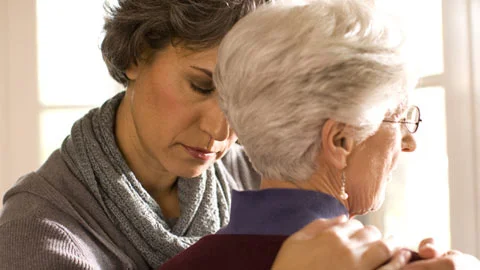
This time, we are going to take the discussion from the other side of the human relationship. The one providing the care. Care giving can be a rewarding experience, but there is risk for high stress and fatigue given the nature of being someone’s primary provider of basic needs.

If you are a caregiver and you are finding that you’re overwhelmed, how do you have a conversation with your aging loved one? How do you introduce a service to reduce the workload and offer respite?

The questions asked will be difficult: “I am feeling burdened by _______.” The blank here could be: trips to various appointments; the financial strain of another dependent; the need for assistance with self-care. A caregiver, who can identify a specific need that could be alleviated with an outside service, will have more opportunity for respite and a reduced work-load. Rather than feeling as though they must do everything themselves, this is where supplemental help can make an impact. Here are a few things to keep in mind when having this important conversation

Four Questions that can Change the Conversation:

1. Am I coming from a place of Love and Respect for the person I am caring for?
2. What emotions are coming up for me when I am providing this care?
3. How do I feel when I put myself in their shoes?
4. Whose best interests do I have in mind?

Becoming aware of your emotions and thoughts as a caregiver in this conversation is a very important step and it is equally as important to reach out to other organizations that can help. See Part 1 in this newspaper’s February edition online http://www.myprimetimenews.com/aging-well-thought-piece-caring-conversations/. You can also find a wealth of valuable information at https://www.jeffco.us/2690/Aging-Well-Project

Aging Well in Jefferson County is a strategic planning project focused on developing and implementing strategies to create inclusive, livable communities through sustainable partnerships and integrated services. The Caregiving & Supports Workgroup is one of six Workgroups addressing all aspects of life for aging residents in Jefferson County. For more information, contact Aging Well coordinator, Karin Stewart at 303-271-4251 or kstewart@jeffco.us.

Article written by:
Morgan Leigh Jenkins, MA, Transition Director, Maintain Me
Senior Transition and Case Management Services
and Amanda Gregg, Director of Member Growth, A Little Help

Link to original post:
http://www.myprimetimenews.com/thought-piece-caring-conversations-part-2/

Kristi's recent Success Story!

tips_caringyourself_emotionalsigns.jpeg

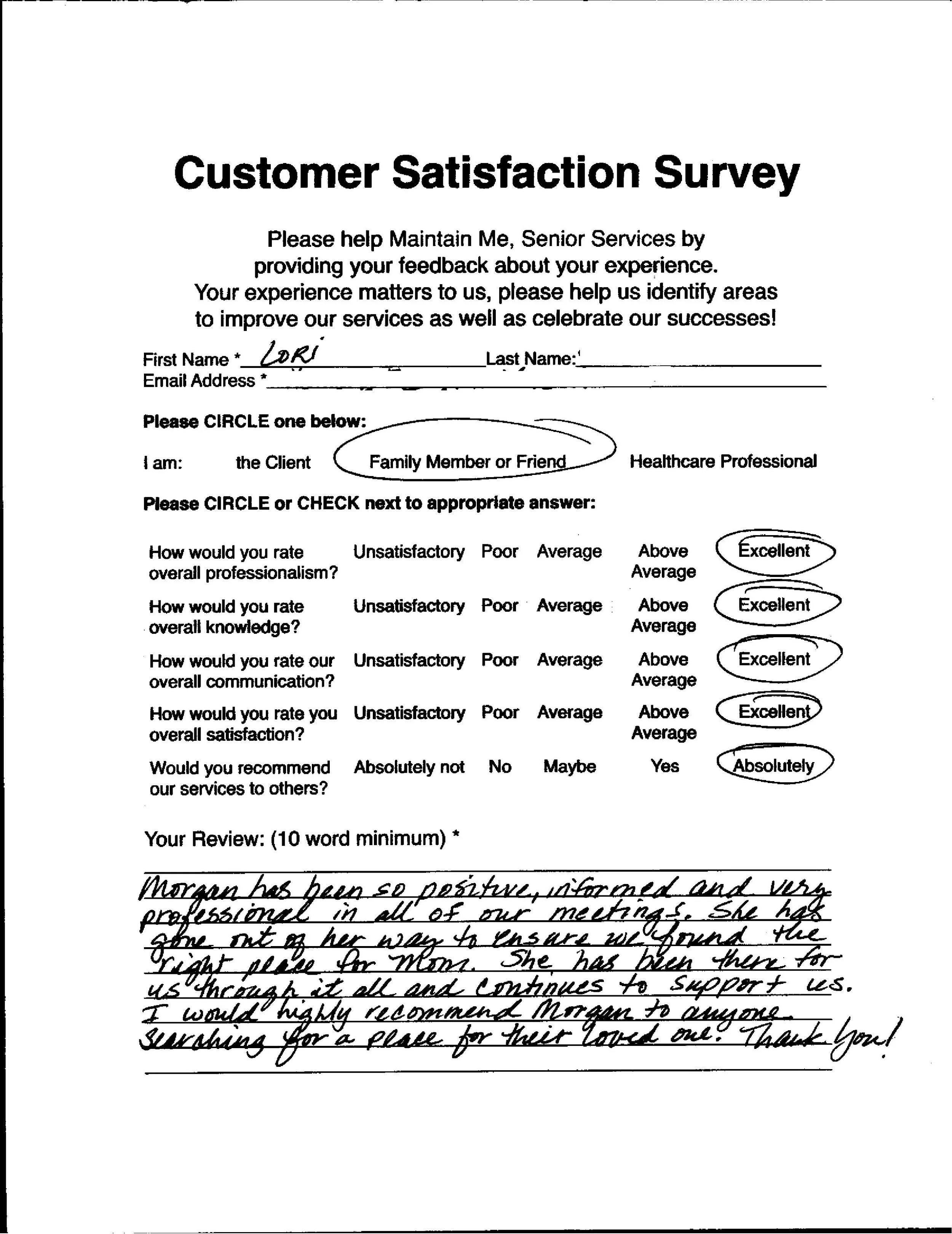
Thank you Kristy at Home Helpers for connecting Carol* and her mom with Maintain Me!  Carol's mom was diagnosed with memory loss late 2017 and was beginning to exhibit some very apparent signs and symptoms of dementia.  Carol was the main caregiver and working tirelessly, day and night, to care for her mom.

According to statistics provided by the Alzheimer's Association (2015), about 15.7 million adult family caregivers care for someone who has Alzheimer's disease or other dementia.  Caring for a loved one at home does not always look the same.  Changes happen, needs increase, and burnout is real.  These are some of the things Home Helpers caregivers noticed with Carol's mom and contacted Maintain Me about.  
 
Carol wanted to prepare for her mom's future care needs while also preserving their relationship as daughter and mother.  We began looking into smaller community settings, also known as residential care homes.  After seeing a few places, Carol was excited about one particular home with approximately 12 residents.  I could see her face light up as soon as we walked into the door.  

Carol had decided and now we were tasked with making sure the move went as smooth as possible.  Carol was concerned that sharing the news of the move with her mom would be negatively received.  With support from Maintain Me, the new residential home, and her mom's doctor, we were able to successfully move Carol's mom into her new home where her care needs will be met with staff specifically trained in dementia care.  

Carol, thank you for allowing me the opportunity to help you and your mom.  I look forward to seeing your relationship grow as you're now able to focus on connecting while mom's care needs are being met.


Kristi Yakel
Transition Coordinator
Maintain Me

*Names have been changed for patient privacy* 

AAA Medicare Counseling offered at the Louisville Senior Center

confused-about-medicare-choices-san-diego3.png

AAA Medicare Counseling offered at the
Louisville Senior Center


SAVE THE DATE: March 21st @ 1:30 pm - 3:30 pm


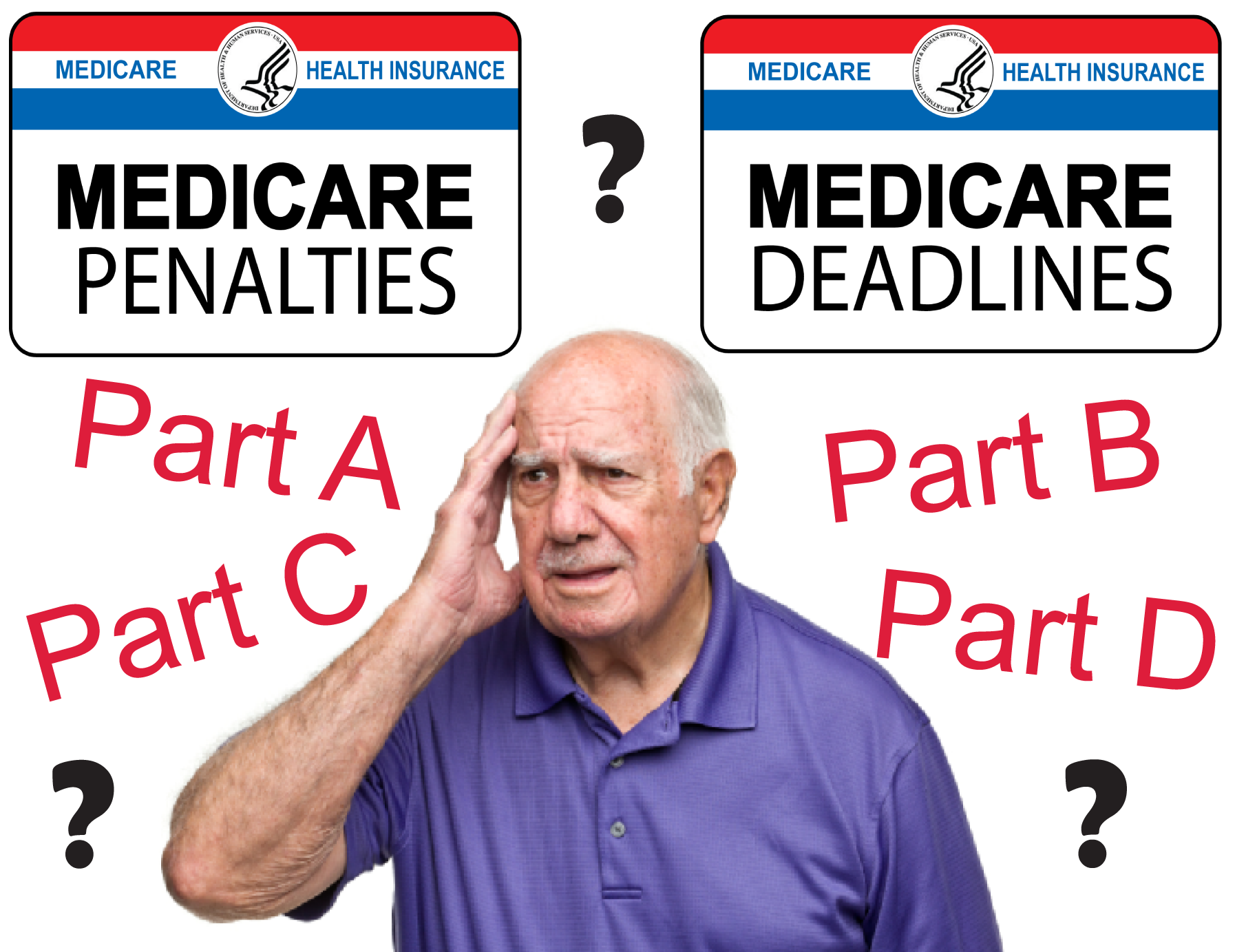
The Medicare Counseling Program offers Medicare Basics Classes throughout Boulder County. The classes are designed for anyone wanting to understand Medicare enrollment, Plans, benefits and costs.
Medicare Basics Classes are held monthly!
 
Our program provides up-to-date, objective information and guidance when comparing and enrolling in Prescription Drug plans (Medicare Part D), Advantage Plans, and information about Supplemental insurance plans (Medigaps). We also provide guidance in the appeal process and information about resources for financial help with Medicare Costs.
 
Please call 303-666-7400 to pre-register
 
For general information:
Phone: 303-441-1546 (English)
Phone: 303-678-6113 (en Español)
 
For more information, please visit www.bouldercountyMedicarehelp.org

FREE Senior Seminar: High- Yield Home Improvements & The Power of Staging

YOU ARE INVITED TO OUR SENIOR SEMINAR AT HIGHPOINTE ASSISTED LIVING IN DENVER!


Learn valuable insights on how to best spend those renovation dollars and discover the key factors in successfully selling your home with the power of staging from the award-winning real estate team, The Steller Group of Keller Williams, recognized as the #1 Keller Williams team in Colorado in 2017.


Our Certified Home Staging Expert, Carolyn Brake, will present her strategies for creating an environment that makes potential buyers want to live in your home. Home staging is the most efficient strategy to ensure your property is as marketable and desirable as possible, helping it sell for top-dollar. You’ll receive guidance on the difficult decisions and efforts that will achieve the maximum value from the sale of your home. The burden of executing the improvements is minimized, and completion allows our home sellers to capitalize on the profits available in the ever-changing real estate market.


Moving is complicated, and for many of The Steller Group’s clients who have been in their homes for many years, it is simply overwhelming. We have a streamlined process for helping our clients navigate the sale process, and we act as the primary point of communication in coordinating all our clients’ moving needs. We are a team of trusted experts who work in concert to make the move as painless and straightforward as possible for homeowners and their families.


Refreshments and snacks will be provided.

To attend, please register at Info@StellerRealEstate.com or call 720-593-9355.

High-Yield-Staging-HighPointe-3-13-2018-RGB-Online.jpg

How to Advocate for Seniors & Provide Support when they're in the Hospital

4k-portrait-of-smiling-elderly-patient-sitting-on-his-bed-in-hospital-room_bfgpzq7ftx_thumbnail-full01.png

A stay in the hospital can be confusing, scary, and painful. When your older adult is seriously ill or after a medical emergency, they need extra support during their hospital stay.


1. Stay with them or visit as often as possible
It’s important to stay with your older adult or visit as often as you can. Familiar faces and trusted people who will watch out for their best interests are a great comfort.
 
Because your older adult is recovering from a serious health event, they may not be up to doing much. Gentle, low-key activities they may enjoy during a visit include:
 

  • Sitting quietly together, perhaps holding hands or gently stroking their arm
  • Softly listening to their favorite music
  • Giving them a gentle massage on non-sensitive parts of the body
  • Reading aloud from books or the newspaper
  • Eating a meal together (you would bring your own)
  • Telling them about what you, close family, and friends have been doing lately so they won’t feel left out
  • Bringing a computer or tablet to watch a favorite show or movie together


2. Advocate and Monitor
Mistakes, especially with medication and food, often happen in hospitals and staff aren’t always around when needed for assistance.
 
When you’re with your older adult, make notes of the medication they’re being given to make sure it’s the correct drug at the correct dose, given at the right time. If other family and friends are available, work out a schedule to maximize coverage of hours and use a notebook to keep everyone informed.
 
It’s also important to check that your older adult is getting the right levels of medication. They shouldn’t be in pain or overmedicated. Improperly managed pain can slow the healing and recovery process. Overmedication can cause negative side effects and increases the chances of developing delirium.
 
Don’t assume that the staff is carefully reading the notes in your older adult’s chart (if there even are any). It’s necessary to make sure the nurse in charge and other staff are aware of any special needs and how to take care of those needs. If your older adult has dementia, dysphagia, severe arthritis, or other health conditions, they may need extra help and patience.
 
If your older adult has special needs for food, make sure to check all their food and beverages. They may need thickened drinks for dysphagia, a low salt diet for high blood pressure, low sugar for diabetes, etc. Things could get mixed up and they could get the wrong food or drinks. If they’re not aware enough to refuse the incorrect meal, they could accidentally eat or drink it and have a problem.
 
In terms of getting help, like assistance going to the bathroom or another blanket when they’re cold, sometimes it takes a strong advocate to get timely attention from busy hospital staff.


3. Anchor to reality to reduce the chance of developing delirium
Many cases of hospital-induced delirium are triggered by treatments that older adults are especially sensitive to, like large doses of anti-anxiety drugs and narcotics. Speak with the doctor to minimize the amount of these medications and, if you’re noticing negative side effects, ask them to make changes immediately.
 
Other cases of delirium are caused by the busy, noisy, brightly-lit environments where sleep is constantly interrupted. To reduce the risk, ask staff to lower the lights when possible, turn down noisy machines when possible, close the door to keep noise down, stay with them so they have a familiar face around, and arrange for them to get a maximum amount of sleep.
 
Periodic blood draws and vital sign readings are very disruptive to rest and sleep. Ask doctors and nurses if these can be done in coordination or less frequently (without harm to health). This keeps your older adult from being constantly poked and prodded, especially in the middle of the night.
 
You may also want to add some anchoring elements in their room. Make a large-print clock and calendar visible so if they like, your older adult can see the time and date. Add a family photo so they always have familiar faces to look at.


4. Make them more comfortable
Being in the hospital also means missing the comforts of home. Depending on the situation, it may help to bring in a few inexpensive items that would make them more comfortable.
 
Some items to consider:
 

  • Moist wipes for comfortable toileting
  • Skin moisturizer and lip balm
  • Toiletry and frequently-used personal care items
  • Non-skid slippers
  • A cozy cardigan or robe
  • An inexpensive radio or tape player for soft music
  • A comforting blanket, doll, or stuffed animal
  • Favorite books or magazines


5. Plan for discharge and post-hospital recovery
Even though your older adult is able to leave the hospital, they’ll still need extra care. They might even need an intense level of care for weeks or months.
 
Studies show that 40% of patients over 65 had medication errors after leaving the hospital. Even worse, 18% of Medicare patients discharged from a hospital were readmitted within 30 days.
 
Many of the issues that cause problems with recovery can be prevented if you and your older adult are well-prepared for hospital discharge.
 
A hospital discharge checklist is an essential tool that prepares for a successful recovery. It tells you key questions to ask doctors and nurses, what information is must-have, the level of care needed, and what supplies to get.


6. Assist with moving around and physical therapy
Moving around and doing prescribed therapy helps with recovery. Spending too much time lying in bed weakens muscles and increases the risk of blood clots, confusion, and bed sores. Of course, the priority is still to keep your older adult safe and not to overdo it.
 
If possible, go to any physical, occupational, or speech therapy sessions. Watch and take notes on what the therapist asks them to work on. Ask if there are exercises you can help them practice outside of the sessions.
 
Whenever possible, ask your older adult to take short walks or practice therapy exercises. With you at their side to keep them steady and safe, they’ll be able to increase their activity level and speed recovery.
 
Original content was featured:
http://dailycaring.com/6-ways-to-advocate-for-seniors-and-provide-support-during-a-hospital-stay/?utm_source=DailyCaring&utm_campaign=bdf965cc77-DC_Email_2018-02-23&utm_medium=email&utm_term=0_57c250b62e-bdf965cc77-123200633

We are excited to share this beautiful piece featured in Prime Time News that was co-authored by our very own Morgan Leigh Jenkins!

loved-one-care.jpg

Aging Well Thought Piece: Caring Conversations

 TUESDAY, JANUARY 30TH, 2018
 

Part 1 – Self Awareness

As we all go along in life, our experiences shape us. We navigate each new surprise, good and bad, with the tools learned by living. If we are fortunate enough to grow old, there will be challenges related to age, that we must also face. One might be, “What if I can no longer do _________ myself.” It could be anything in the blank: drive, laundry, cook a meal, pay my bills.
The difficulty behind this question is clear. Asking for help may mean that I lose my independence, my sense of self. But what if we approached the question differently, ‘solution’ oriented. How can we ask for help in a way that gets us the support we need without sacrificing our sense of self?

Here are a few things to keep in mind when having this personal, emotional and important conversation.

Four Questions that can Change the Conversation:

1. Am I willing to accept help if it means I am able to stay in my home?
2. How can I acknowledge the areas I need help in, and those I am confident in?
3. Am I being realistic with myself about my potential limitations?
4. Am I being respectful of those that are caring for me or are concerned about me?

Becoming self aware in this conversation is a very important step. It is equally as important to reach out to other organizations or services that can help. Jefferson County Aging Well has a wealth of resources available at https://www.jeffco.us/2690/Aging-Well-Project.

Aging Well in Jefferson County is a strategic planning project focused on developing and implementing strategies to create inclusive, livable communities through sustainable partnerships and integrated services. The Caregiving & Supports Workgroup is one of six Workgroups addressing all aspects of life for aging residents in Jefferson County. For more information, contact Aging Well coordinator, Karin Stewart at 303-271-4251 or kstewart@jeffco.us.

Article by:
Morgan Leigh Jenkins, MA, Transition Director, Maintain Me
Senior Transition and Case Management Services
and Amanda Gregg, Director of Member Growth, A Little Help

Link to original post:
http://www.myprimetimenews.com/aging-well-thought-piece-caring-conversations/

National Parks Free Days & Pricing


Quaking aspens, elk in rut, cute critters, and native wildflowers are all great reasons to get out to our National Parks this year. Many of Colorado’s most treasured parks are close enough to be visited during a day trip. 

00-ribbon-falls-rocky-mountain-national-park-header.jpg


To encourage visitors to explore America's natural beauty, rich history and culture, the Secretary of the Interior announces Fee Free Days each year. Entry fees into national park sites will be waived on the following dates in 2018.  

Free entrance to national parks in 2018:
•    Jan. 15, Martin Luther King, Jr. Day
•    Apr. 21, the first day of National Park Week
•    Sept. 22, National Public Lands Day
•    Nov. 11, Veterans Day.

Keep in mind the National Park Service has reduced number of free-access days at National Parks from 10 to 4 in 2018. So it's important to get them on your calendar. 

Also note, as of August 28, 2017, The National Parks and Federal Recreational Lands Lifetime Senior Pass increased for the first time since 1994 from $10 to $80 The additional revenue will be used to enhance the visitor experience in parks. 

Before the sticker shock sets in, Annual Senior Passes are $20. That pass is valid for one year from the date of issuance and Four annual Senior Passes purchased in prior years can be traded in for a lifetime pass. 

If you are a current Lifetime pass holder, it is still valid and all of the benefits stay the same. Access to the majority of National Park Service sites remains free—only 118 of 417 National Park Service sites have an entrance fee.

Below is a list of Colorado Parks:
https://www.nps.gov/state/co/index.htm

For more detailed information on Park passes:
https://www.nps.gov/planyourvisit/senior-pass-changes.htm?utm_source=feesandpasses&utm_medium=website&utm_campaign=senior_pass


What is the difference between Estate Planning & Elder Law?

estate-planning-law.jpg

It is a common misunderstanding that elder law is only for the elderly and that only wealthy people in the latter part of their lives should take up estate planning. But neither is true. Everyone has an estate — it just depends on what is a part of it. Elder law is an area of law that touches anyone at any age who wants to be old in the future. Well before reaching old age, many people wonder:

  • What will happen to me if I cannot make decisions for myself anymore?
  • Who will make decisions for me?
  • Are there special benefits I could qualify for?
  • How will I deal with any financial obligations?
  • What will I do with some of my belongings?
  • Where will I live when I am old, and how will I pay for it?


These types of questions are what elder law is meant to answer. Engaging an elder law attorney and considering concerns and options means taking a proactive, forward-thinking approach, especially for people with health and medical concerns. Estate planning is often a part of elder law, but elder law goes beyond just estate planning because it also addresses quality of life, housing, familial, financial, and even medical concerns.

What Does an Estate Planning Attorney Do?
Everyone can benefit from an estate plan, and not even the wealthy are immune to the damage that can be done to families in conflict when the deceased left without a plan in place. Anything you own is part of your estate: car, home, bank accounts, life insurance, furnishings, and personal property. You should start thinking about an estate plan early and regularly update it throughout the course of your life.

An estate planning attorney helps people think ahead, prepare, and make arrangements while still living for disposition of their estate after death. Estate planning helps to minimize taxes and probate costs. If you do not work with an estate planner to create an estate plan ahead of time, then your estate may be distributed according to default state rules and courts. If you die without a plan, then the default probate law will govern how your estate is distributed, which may mean that your spouse, children, or other relatives will not be provided for in the way you would have wanted.

Estate planning attorneys discuss wills, trusts, beneficiary designations, powers of attorney, gifts, financing arrangements, or insurance with clients to prepare potential estate plans. Some of the ways estate planning attorneys help include:

Help provide instructions regarding who gets what and when so that your wishes are carried out
Minimize taxes, court fees, and other expenses
Health care directives including instructions on what should be done if you become disabled
Take care of minor children by naming guardians and ensuring the right person will manage any inheritance
Provide for special needs relatives
Insurance, including life, disability, and long-term care
Ensure wishes are carried out as to any business plans including transfers of ownership

What Does an Elder Law Attorney Do?
Elder law is very broad and actually encompasses many areas of law. Elder law can include all the functions of estate planning, but it goes further. Special financial and life concerns come along with all stages of life. People are living longer, healthier, and more exciting lives than ever, but this means people need to plan more carefully for themselves and their families. More people are thinking ahead and thoughtfully planning out their lives whether it is budgeting finances so you can go travel, understanding veterans benefits, or figuring out how to finance housing. Anyone at any age should be planning their finances and making arrangements so that none of life’s twists and turns will catch you off guard. An elder law attorney can represent, counsel, and assist individuals across many areas of law including:

Estate planning: wills, living trusts, insurance
Conservatorship / Guardianship
Medicaid, Medicare, social security
Retirement benefits
Long-term care and housing, including financing
Retirement income
Age discrimination
Elder abuse and neglect, including abuse in nursing homes
Healthcare and medical decision making, including durable power of attorney
Disability planning
Veterans planning
Insurance issues
End of life decisions

An elder law attorney is good at handling and finding solutions for the financial, physical, and even emotional needs of clients thinking about life concerns and priorities that need to be thought out and arranged for. The attorney can serve as a resource to navigate handling finances, determining benefit eligibility, discussing medical care contingency plans, or helping you understand your rights. Prudent decision making today will mean easier decision making later. You never know when a you or a loved one will get too sick to make decisions or live independently. Medical costs can quickly rack up, so it is important to think ahead.

People often get overwhelmed and don’t know what to do if they haven’t made a plan and they or a loved one becomes very sick or needs nursing care. Many people don’t even know where to start when considering how to pay for nursing homes or protecting finances. Nursing homes can cost $75,000 or more per year. Too many seniors exhaust all their savings, thinking they have no choice, when planning ahead could have offered better alternatives. Another misconception is that in order to protect their assets, they need to gift them at least five years prior to entering a nursing home. Many people don’t realize that improper gifting could forfeit your eligibility for Medicaid benefits.

An elder law attorney holistically considers all the unique features of a person’s life, weighing advantages and disadvantages, to best plan for life’s necessities and wishes. It is never too early to start thinking about planning out your finances, benefits, medical care decisions, and housing issues — concerns, dreams, expectations, and preferences should all be addressed now.

Elder Law and Estate Planning: Partnering with You for Your Future
Aside from the fact that elder law largely encompasses estate planning, it may be helpful to point out how these areas of law function for clients. Both estate planners and elder law attorneys protect their clients. Estate planners help clients protect their estates and make sure their wishes are carried out. Elder law attorneys protect their clients many additional ways — counseling prudent financial choices, holding caregivers accountable for medication errors, setting up powers of attorney so the right person is making decisions, or fighting against age discrimination. Elder law attorneys and estate planners are also similar in that they both act as partners with their clients: listening, collaborating, and communicating about what would be the best plan for each individual’s special circumstances.

Written by Don L. Rosenberg, Attorney and Counselor, with the Law Firm of Barron, Rosenberg, Mayoras & Mayoras, P.C. in Troy, Michigan.  Attorney Rosenberg and his firm are Featured on ElderCareMatters.com – America’s National Directory of Elder Care / Senior Care Resources to help families plan for and deal with the issues of Aging.

A link to the original content:
https://eldercarematters.com/2018/02/08/estate-planning-and-elder-law/

 

Keeping Seniors Safe in Cold Weather

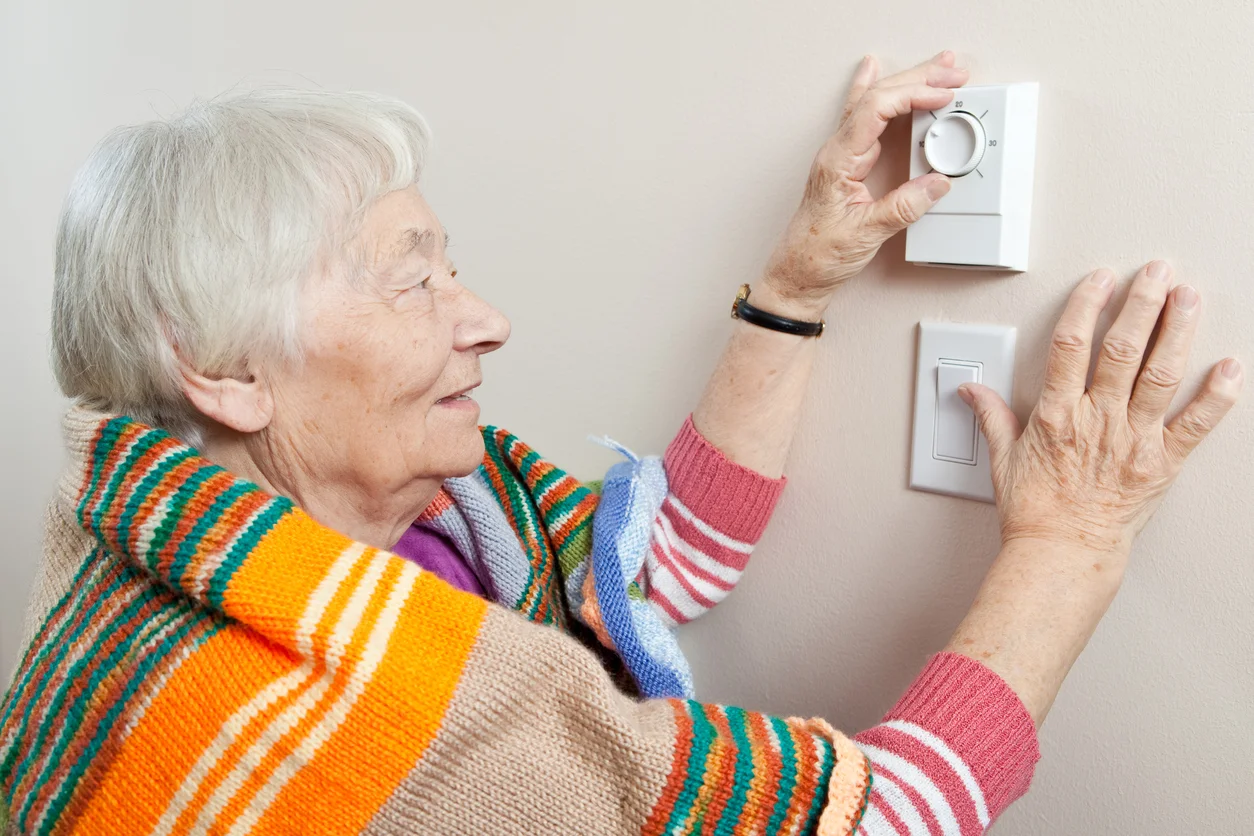
iStock-135849288_elderly-woman-adjusting-thermostat.jpg

Well, Punxsutawney Phil saw his shadow forecasting 6 more weeks of winter. Given Colorado’s recent cold snap I would say he’s right!

Even if you don’t rely on a chubby weather- predicting rodent, there is no doubt cold weather can be a serious health issue for the elderly, especially those still living at home. Older adults can lose body heat fast—faster than when they were young. Changes in your body that come with aging can make it harder for you to be aware of getting cold. A big chill can turn into a dangerous problem before an older person even knows what’s happening.

Hypothermia is what happens when your body temperature gets very low. For an older person, a body temperature colder than 95°F can cause many health problems, such as a heart attack, kidney problems, liver damage, or worse. Being outside in the cold, or even being in a very cold house, can lead to hypothermia. You can take steps to lower your chance of getting hypothermia.
 

Keep Warm Inside
Living in a cold house, apartment, or other building can cause hypothermia. In fact, hypothermia can happen to someone in a nursing home or group facility if the rooms are not kept warm enough. If someone you know is in a group facility, pay attention to the inside temperature and to whether that person is dressed warmly enough.
People who are sick may have special problems keeping warm. Do not let it get too cold inside and dress warmly. Even if you keep your temperature between 60 and 65 degrees Fahrenheit, your home or apartment may not be warm enough to keep you safe. This is a special problem if you live alone because there is no one else to feel the chilliness of the house or notice if you are having symptoms of hypothermia.
 
Here are some tips for keeping your house at a safe temperature:

Set a Safe Minimum- Set your heat at 68°F or higher. Many people are tempted to keep their heat turned down to save on the electric bill. On days like today, when 30 degrees is our high, you house will not be warmed up but our usual sunny Colorado afternoons. You will need that heat running all day to keep the house at a safe temperature.

Dress warmly- Even if you are staying in the house. Throw a blanket over your legs. Wear socks and slippers. When you go to sleep, wear long underwear under your pajamas, and use extra covers. Wear a cap or hat.

Eat enough food- It’s important to keep up your weight. If you don’t eat well, you might have less fat under your skin. Body fat helps you to stay warm.

Drink alcohol moderately, if at all- Alcoholic drinks can make you lose body heat.

Electric blankets – Although a great and relatively inexpensive way to keep warm, there are some electric blanket safety precautions that need to be taken. Be sure the senior is able to follow a few simple rules such as not setting anything on the blanket, not leaving it turned on (some models do have an automatic shut off), don’t use it on high (to prevent burns), do not plug into an extension cord and replace the blanket if the cord pulls out or is not working properly.

Space heaters – Too avoid accidents and injuries with space heaters, always follow the manufacturer’s recommendations. However, most space heaters should never be plugged into an extension cord, should never have anything placed on or around them, should never be left on (find one with an automatic shut off or shut off if tipped over), should not be placed on an area with thick carpet, should not have the electrical cord run under carpet and should be replaced if not working properly or cord is pulled out.

Weather stripping – Make sure all doors and windows are sealed well. Place plastic over windows that are not really in use.

Close the door – Close the doors to rooms that are not in use in order to focus on heating just the rooms that are in use. You also can close off vents to these rooms.

Furnace – If you haven’t done it yet, make sure you have a professional look at and maintain your furnace. Regular furnace maintenance will keep your furnace running well and extend the appliance life. Make sure any detected leaks are fixed and make sure to install a carbon monoxide detector.
Close blinds and curtains – Keep window blinds and curtains closed to keep any cool air from coming through the windows.

Towels or blankets – Use towels or blankets to block any drafts from under doors or on window sills.

Rearrange furniture – Move the furniture away from large windows; don’t sit directly in front of drafts. Sit closer to the vents.
 

Even if the home has been prepared for the winter, be sure to check on loved ones regularly when the Fahrenheit dips suddenly or for long stretches.

For more information on how to keep seniors safe in cold weather including warning signs of hypothermia check out these sites:
https://ageinplace.com/at-home/home-safety/cold-weather-safety-tips-seniors/
https://www.nia.nih.gov/health/cold-weather-safety-older-adults

Monthly Dementia Caregivers Support Group

unnamed (1).jpg

Peakview Assisted Living & Memory Care hosts a Dementia Caregivers Support Group the 2nd Thursday of each month. 


Next Gathering: Thursday, February 8
1:30pm - 3:00pm


Please join our group for education and support, while your loved one enjoys the activities in our community.
There will be a group facilitator from a leading home health company.

If you would like to join us and bring your loved one, please RSVP for care needs.

kburroughs@spectrumretirement.com
(303) 323-8843
 

Briarwood Health Care Center Needs Your Help!

youcanhelp.jpg


I was recently as a meet and greet with the awesome and dedicated staff at Briarwood Healthcare Center. For those of you not familiar, this rehab and long term care facility is one of the very few that service our Central Denver populations. There are quite a few seniors in that demographic that are below the poverty level. Needless to say, Briarwood does everything possible to meet the needs of its patients and residents. 

So what do they need help with? 
 

Medical Equipment  
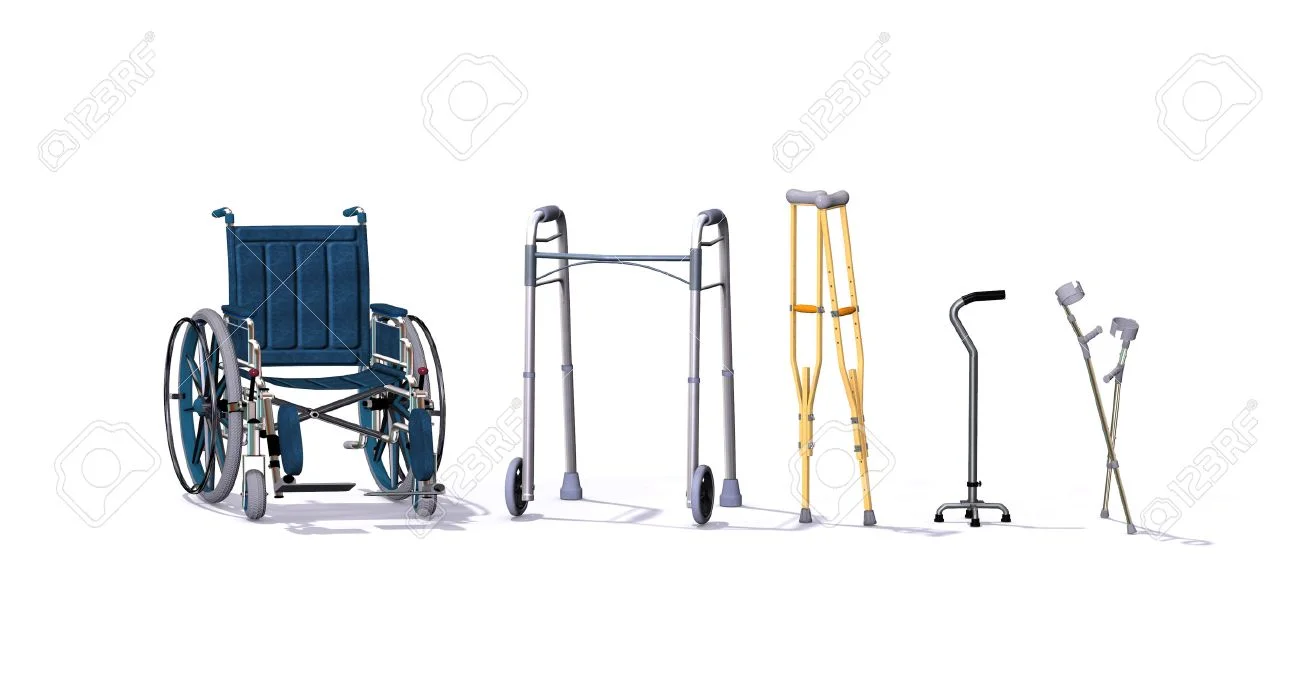
Wheel chairs, walkers, and canes! 

 
They have a few folks that don't have their own when they get to Briarwood. The patients spend all that time and energy getting stronger and working hard, but in order for them to go home safely, patient's often need to borrow a walker or a wheelchair. These pieces of equipment mostly get returned, but sometimes they end up being "rented out" at the same time!

Briarwood also has long term care residents. These folks live on dollars every month. They know what it means to go without. However, when their care needs change, for example they are too weak to walk, they need equipment to support them. 
  
 
Do you know of any used equipment just taking up space? Perhaps in your building or from a dear one that has sadly passed? I will come and get it and deliver it to Briarwood! 
OR
Keep an eye out at garage sales and second hand stores. Give me a tip on where it is, or if it's not too much to ask, buy it, and give someone a hand up. 
 
It feels really good to give back.
 
 Thank you!
Morgan Leigh Jenkins, MA
Transition Director
 Maintain Me

63982326-a-collection-of-mobility-aids-including-a-wheelchair-walker-crutches-quad-cane-and-forearm-crutches-.jpg

Fun Valentine's Day Gift Ideas & Activities

Valentine-party-ideas600x600.jpg

Valentine's Day is a great opportunity to treat your senior loved one to something sweet, special, or both!


4 Thoughtful Gift Ideas sure to put a smile on anyone’s face

  1. Homemade card or craft- This is listed first for a reason! Valentine’s is all about cute, homemade cards. Utilize your kiddos creativity (hands, feet, and beautiful faces) to make something grandma or grandpa is sure to have hanging on their wall well after Valentine’s Day has passed. Here’s a great link for a long- distance Valentine:   http://viewfromthefridge.com/long-distance-hugs-for-valentines-day/

  2.  Flowers- This may be cliché but I don’t know anyone who doesn’t enjoy a beautiful vase of fresh flowers. Try a houseplant for something more lasting OR once again monopolize those creative kiddos and make paper flowers. Check out this link for some super cute inspiration:   https://www.mylittleme.com/simple-valentine-heart-flower-craft-kids/

  3. Sweets- Another cliché perhaps but popular for a reason. A simple box of chocolates would brighten anyone’s day. Beyond the ever popular box of chocolates, try a festively decorated cupcake, OR make something! Homemade baked goods are always a win.

  4. A date- What better way to show you care than spending some quality time? A brunch, lunch, or dinner date is a great way to catch up. If weather permits give yourself enough time to go for a walk afterwards. 

To read more about great gifting and get ideas for tons of festive activities you can do with your elderly Valentine check out this link:
http://dailycaring.com/valentines-day-activities-for-seniors/?utm_source=DailyCaring&utm_campaign=b59ef7c35c-DC_Email_2018-02-01&utm_medium=email&utm_term=0_57c250b62e-b59ef7c35c-123200633