Caregiving Network Spreads to Give Older Women Mutual Support

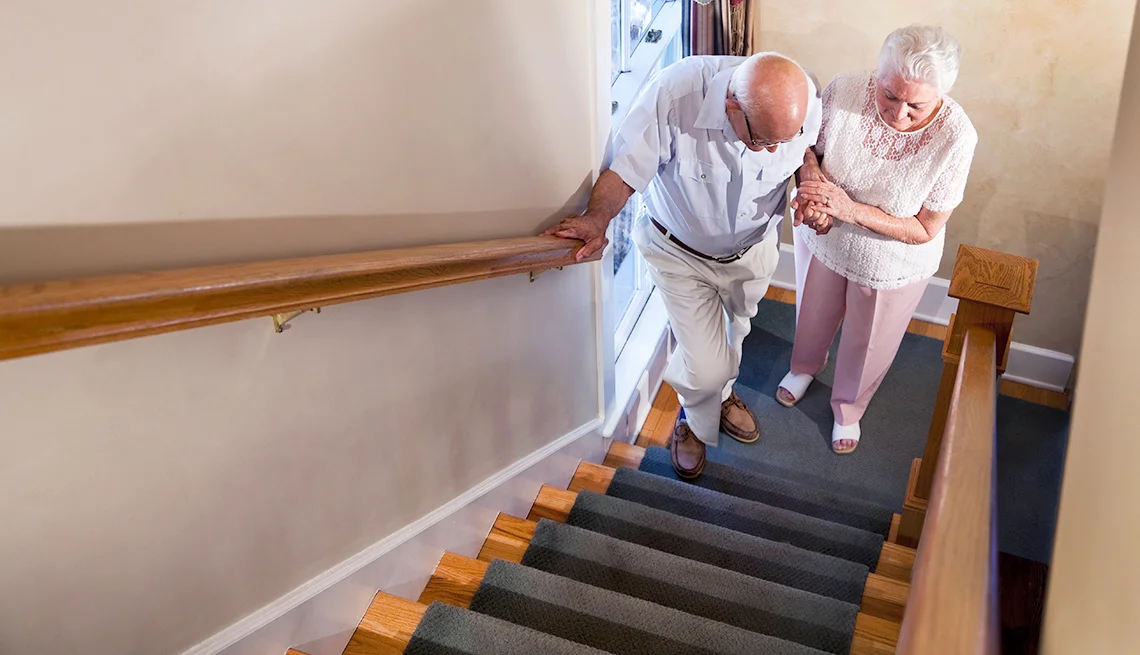
159565-849x565r1-Elderly-women.jpg

Like many women aging alone, Eileen Kobrin worried that an accident could compromise her independence. Then, two years ago at age 71, the New Yorker fell while on vacation, breaking her left ankle, and her Caring Collaborative network sprang into action.

One member recommended an ankle surgeon at the nearby Hospital for Special Surgery who operated successfully. Others brought over a wheelchair, a bath chair and an elevated toilet seat after Kobrin returned to her apartment with instructions to stay off her feet for several months. “It was a tremendous outpouring of support — one of the most wonderful experiences of my life,” she said.

The Caring Collaborative — an innovative program that originated a decade ago in New York and has since spread to Philadelphia and San Francisco — brings older women together to help one another when short-term illness or disability strikes, addressing an all-too-often unmet need.

People who live alone, like most Caring Collaborative members, frequently worry about finding this kind of assistance. Across the U.S., 35 percent of women age 65 and older fall into this category. For women 75 and above, the number is even higher: 46 percent.

Once these women might have relied on nearby family, neighbors or churches for support. But today, families are dispersed, neighbors are often strangers and churches reach fewer people than in the past.

The Caring Collaborative has three core elements: an information exchange, which members use to share information about medical conditions and medical providers; a service corps of women who volunteer to provide hands-on assistance to other members; and small neighborhood groups that meet monthly to talk about health topics and personal concerns.

In New York, many members are retired professionals who want to make new friends and explore activities after leaving the workforce. They come to the Caring Collaborative through its parent organization, the Transition Network, a national organization for women 50 and older undergoing changes in later life.

Barbara Alpern, 72, current chair of New York’s Caring Collaborative, joined four years ago after retiring from a demanding 28-year career in employee benefits consulting and becoming ill with a serious infection and complications from diabetes. Unmarried, she lives alone and said she had focused on work at the expense of friendship.

“I realized I had nobody I could easily count on,” she said.

Within months of signing up, Alpern sent out a request for somebody to pick her up from a colonoscopy and take her home. The woman who responded invited her for breakfast, and over bacon and eggs they discovered a mutual love for theater. Several get-togethers followed and
“I made a friend,” Alpern said.

Naomi Goodhart, 64, who also lives alone, became a member three years ago after stepping down from a longtime position as a corporate executive assistant. “I’ve been a loner my entire life and have found making friends extremely difficult,” she told me in a phone conversation.

Since getting involved with the Caring Collaborative, Goodhart has formed a neighborhood group in her area. (There are 16 in New York and two under development.) Now, she describes herself as “the happiest I’ve ever been” because of a satisfying sense of purpose and the relationships she’s developed. “I need to feel needed,” she said.


The link to The Caring Collaborative (also referred to as the Transition Network) is listed below. Colorado does not yet have a chapter but there is a link if you would be interested in starting one...
https://www.thetransitionnetwork.org/chapters


To read the original article please visit:
https://www.aarp.org/caregiving/home-care/info-2018/women-collaborative-network.html?cmp=EMC-DSO-NLC-RSS-CAREGIVING--CTRL-010319-P7-3477014&ET_CID=3477014&ET_RID=36681338&mi_u=36681338&mi_ecmp=20190103_DailyBulletin_Control_247401_320001&encparam=wkysKG5P8%2fXrG29py%2b20OZ%2fGsl2lm6X5g3df6nxsIu4%3d


Meet the newest member of our Team!

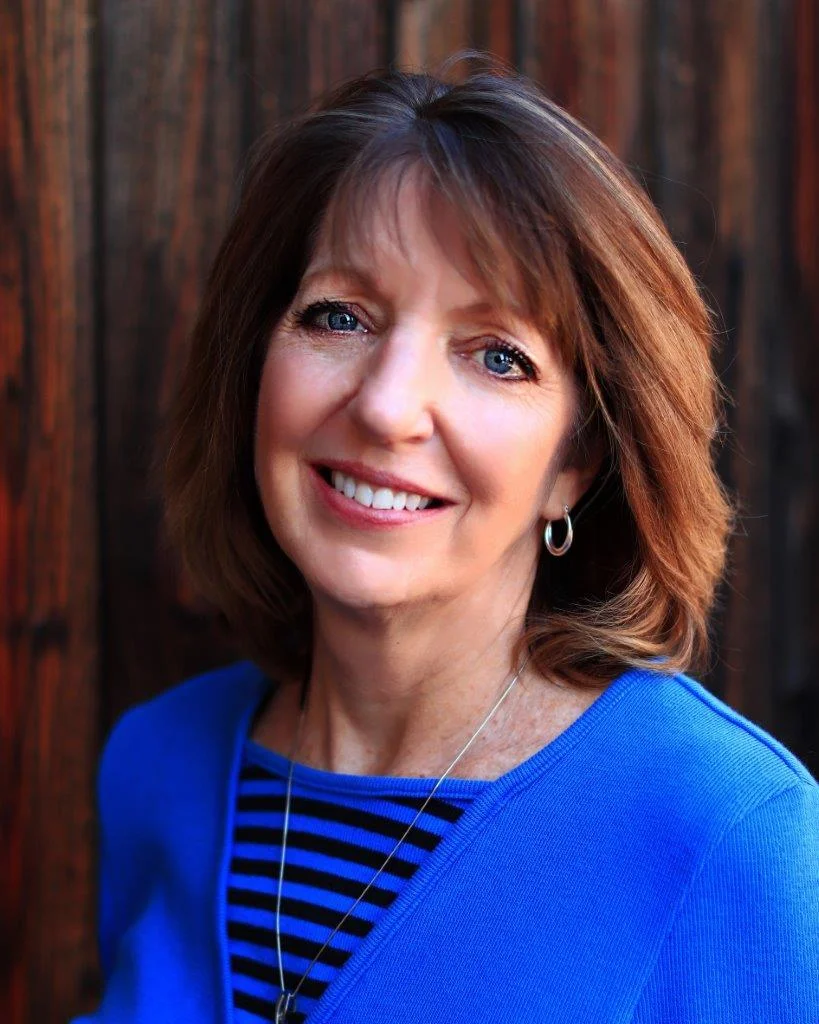
Julie headshot.jpg

Julie Donelan


As a social worker, Julie began her career in case management working for children and adults with developmental delays and/or cognitive concerns, working with Federal, State and local programs.  Through the changes in her personal life, she began advocating for family members as a caregiver through their aging process, including cancer, heart disease, dementia and Alzheimer’s.

The last several years Julie has been navigating various systems, using her background as a liaison, to support a friend who had a life changing stroke through various medical, health and insurance systems. She then took her experience and provided individualized resources for people through the National Stroke Association. Julie comes to Maintain Me with her acceptance and understanding of individuals’ circumstances, providing questions to consider and knowledge they can use to make informed choices.  

We are so excited to add Julie to our Team! She will be handling Central and South East Denver and all Locations Southeast of Hampden. 

She can be reached at (720) 202-8464

Exercise Wins: Fit Seniors Can Have Hearts That Look 30 Years Younger

92292669-copy.jpg

We know we need to exercise for our health, but a lifelong exercise habit may also help us feel younger and stay stronger well into our senior years. In fact, people in their 70s who have been exercising regularly for decades seem to have put a brake on the aging process, maintaining the heart, lung and muscle fitness of healthy people at least 30 years younger.

Take 74-year-old Susan Magrath, a retired nurse practitioner who lives in Muncie, Ind. Magrath has been running almost daily for 45 years. She often runs outdoors and describes it as addictive. "It's just such a release, just a wonderful release," she says. "I ran today and there were little snowflakes coming down, and I was down by the river and it's just wonderful. And I think it's become more of a contemplative meditative process for me."

Magrath may be living proof that lifelong exercise helps with cardiovascular and muscle health. She recently took part in a study at the Human Performance Laboratory at Ball State University, also in Muncie, headed by exercise physiologist Scott Trappe. Trappe is among the first to study the enticing new population of lifelong exercisers.

After the running and aerobic boom of the 1970s, large numbers of septuagenarians stuck with it and have been exercising regularly for the past 50 years. In this population, Trappe says, "We were interested in basically two questions:

One, what was their cardiovascular health?

And two, what was their skeletal muscle health?"

What he saw surprised him. "We saw that people who exercise regularly year after year have better overall health than their sedentary counterparts. These 75-year-olds — men and women — have similar cardiovascular health to a 40- to 45-year-old."


In the study, Trappe divided 70 healthy participants into three groups. Those in the lifelong exercise group were on average 75 years old and primarily kept their heart rates up through running and cycling. They had a history of participating in structured exercise four to six days a week for a total of about seven hours a week.

The second group included individuals who were also, on average, 75 years old but did not engage in structured exercise regimens, although they might have participated in occasional leisure walking or golf.

The third group consisted of young exercisers who were, on average, 25 years old and worked out with the same frequency and length of time as the lifelong exercisers.

All participants were assessed in the Human Performance Laboratory at Ball State University. Cardiovascular health was gauged by having participants cycle on an indoor bike to determine VO2 max, also known as maximal oxygen uptake, which is the measurement of the maximum amount of oxygen a person can use during intense exercise and is an indicator of aerobic endurance. During the cycling test, which became increasingly challenging, individuals exhaled into a mouthpiece that measured oxygen and carbon dioxide levels.


Although the study was relatively small, the findings, which were published in the Journal of Applied Physiology in August, suggest a dramatic benefit of lifelong exercise for both muscle health and the cardiovascular system.

"Lifelong exercisers had a cardiovascular system that looked 30 years younger," says Trappe. This is noteworthy because, for the average adult, the ability to process oxygen declines by about 10 percent per decade after age 30.

"It's kind of a slow decay over time that's probably not so noticeable in your 30s or 40s," says Trappe, but eventually as years go on, becomes apparent. People can get out of breath more easily and may have difficulty pushing themselves physically.

The age-related reduction in VO2 max is directly associated with an increasing risk of multiple chronic diseases, mortality and loss of independence. Maintaining a strong heart and lung system has been shown to decrease these health risks.

As for muscle health, the findings were even more significant, says Trappe. Trappe says researchers were surprised to find the 75-year-old muscles of lifelong exercisers were about the same as the muscles of the 25-year-olds. "If I showed you the muscle data that we have, you wouldn't know it was from an older individual. You would think it's from somebody that's a young exerciser," he says.

David Costill, 82, was not part of the study but is a former colleague of Trappe's and professor emeritus of exercise science at Ball State University. As an exercise physiologist, he has always known about the benefits of exercise and has been committed since high school.

He says he has spent about "60 years actively exercising." Costill ran marathons for about 20 years until his knees started to bother him, so he headed to the pool. "And I've been swimming for the last 35 years."

When Costill looks at his friends, he says he finds he can do a lot more physically than they can. "If I'm out with a group of my peers, guys who are near 80, and we're going someplace, it seems to me they're all walking at half speed."

Trappe says the findings are clear: 30 to 60 minutes of exercise a day may be the key to a healthy life. But you don't have to run marathons or compete in cycling events. "If you want to do 30 to 45 minutes of walking a day, the amount of health benefit you are going to get is going to be significant and substantial," he says. "Will it equal the person training for competitive performances? No. But it will outdo the couch potato."

Unfortunately, couch potatoes are the norm. Federal guidelines recommend two hours and 30 minutes of moderate exercise a week, or one hour and 15 minutes of vigorous exercise per week. Yet 77 percent of Americans do not come close to getting that amount of exercise.

Dr. Clyde Yancy, spokesperson for the American Heart Association and chief of cardiology at Northwestern University Feinberg School of Medicine, says the findings suggest "a lifelong investment in health and fitness appears to be associated with a really sustainable benefit out until the outer limits of life."

Since we are living longer, maintaining a good quality of life is more important than ever. While the study was small and the findings need to be confirmed, they present a "strong argument" for lifelong exercise that is inexpensive and accessible for everyone. "If you can swim, do yoga, cycle, or walk," you can benefit," Yancy says.

December 10, 2018
Heard on NPR- Morning Edition
Patricia Neighmond


Read Full article: 
https://www.npr.org/sections/health-shots/2018/12/10/674380082/exercise-wins-fit-seniors-can-have-hearts-that-look-30-years-younger

Sending Love & Gratitude to close out the Year!

new-year-messages-and-sms.jpg

From all of our families to yours, Thank you for an amazing 2018! We value your partnership and we look forward to serving Seniors and their families in the year to come.

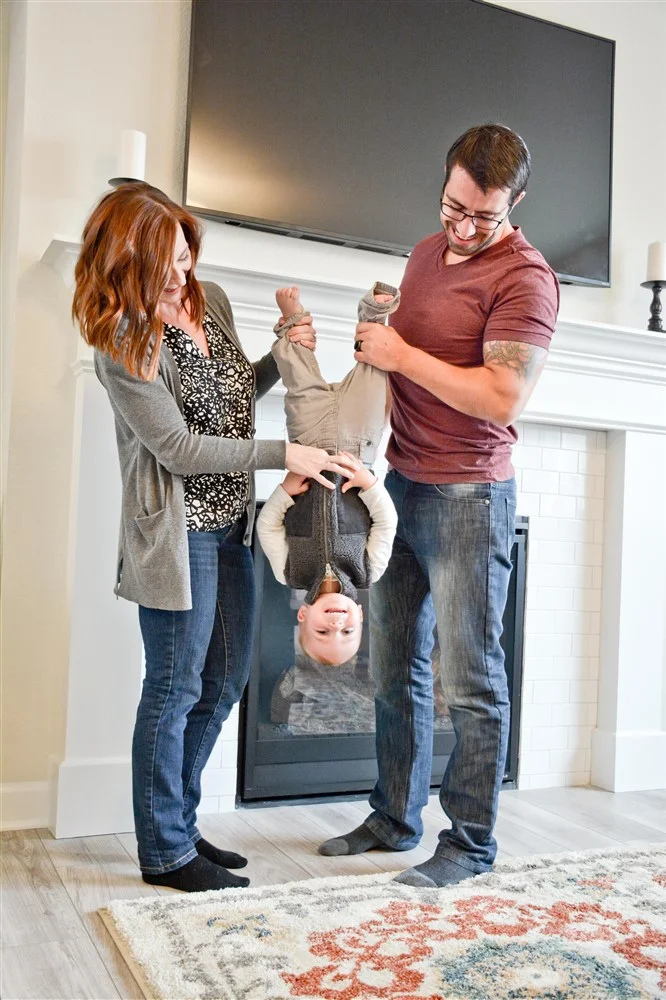
Chelsea, her husband Peter & son Kingston having some fun at their new house!

Chelsea, her husband Peter & son Kingston having some fun at their new house!

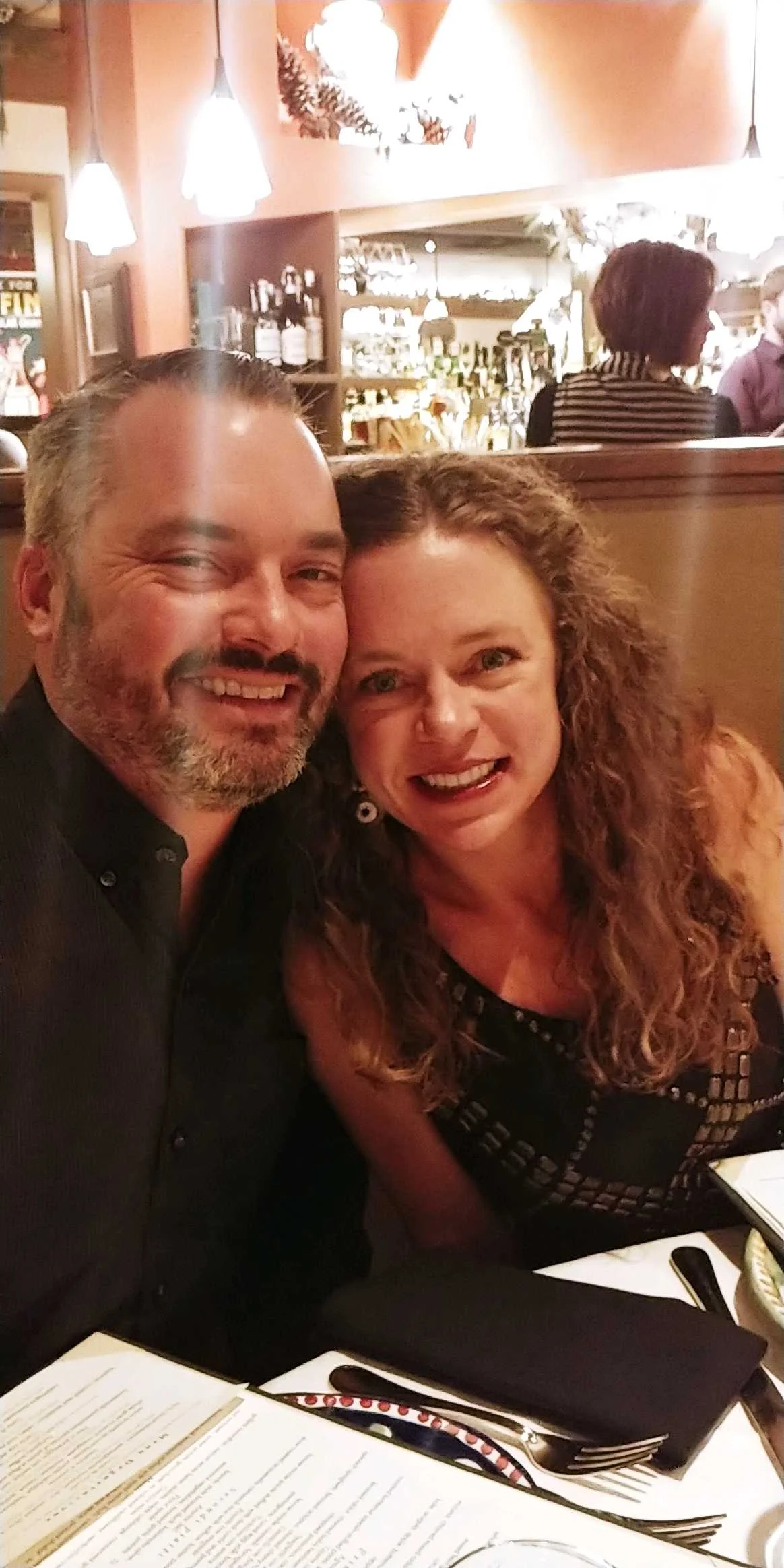
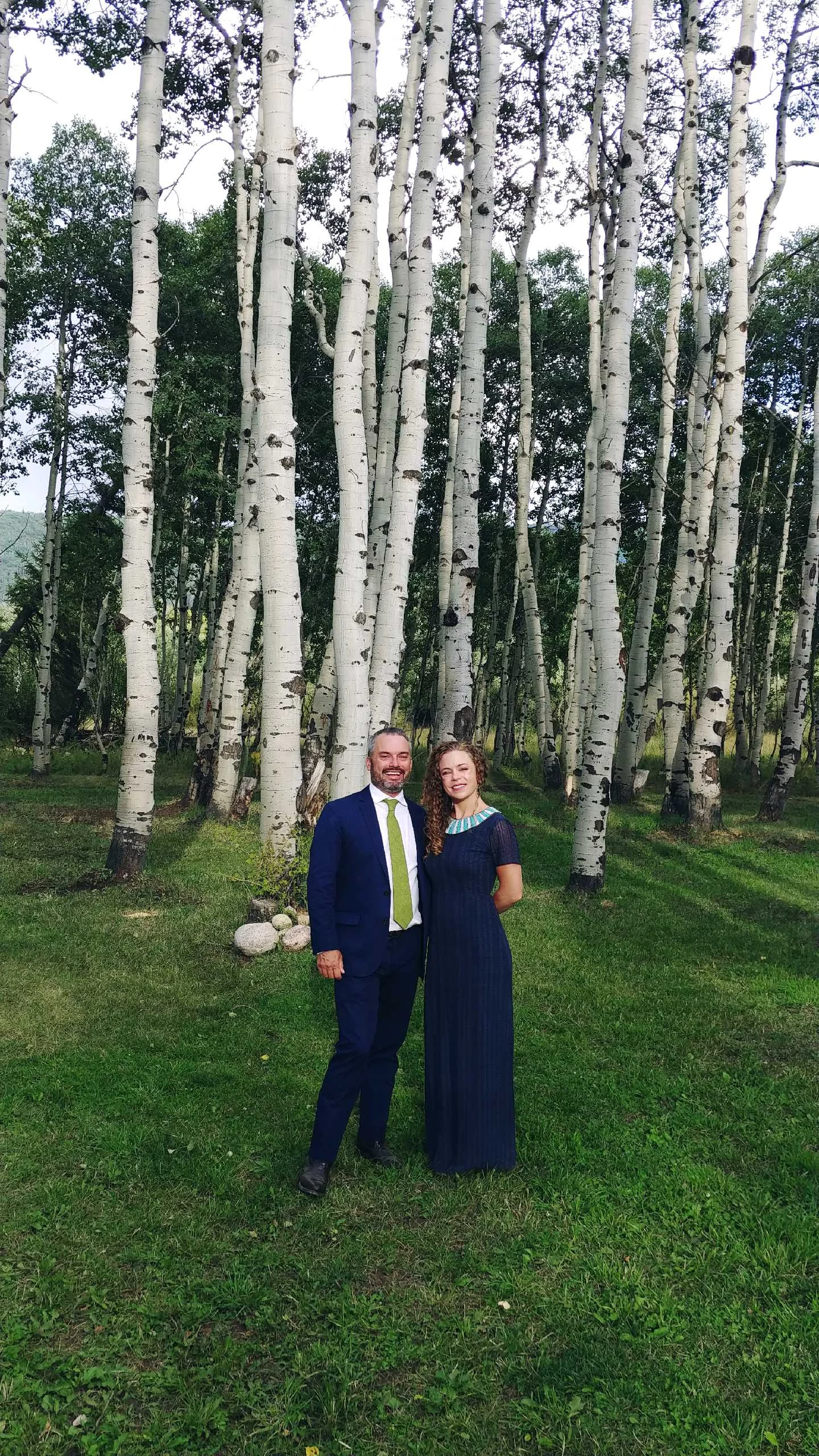
Morgan & her husband Jake were a popular couple for wedding season this year. Attending at least 3 weddings over the summer. Now that's a full dance card!

Morgan & her husband Jake were a popular couple for wedding season this year. Attending at least 3 weddings over the summer. Now that's a full dance card!

Morgan 2.jpg
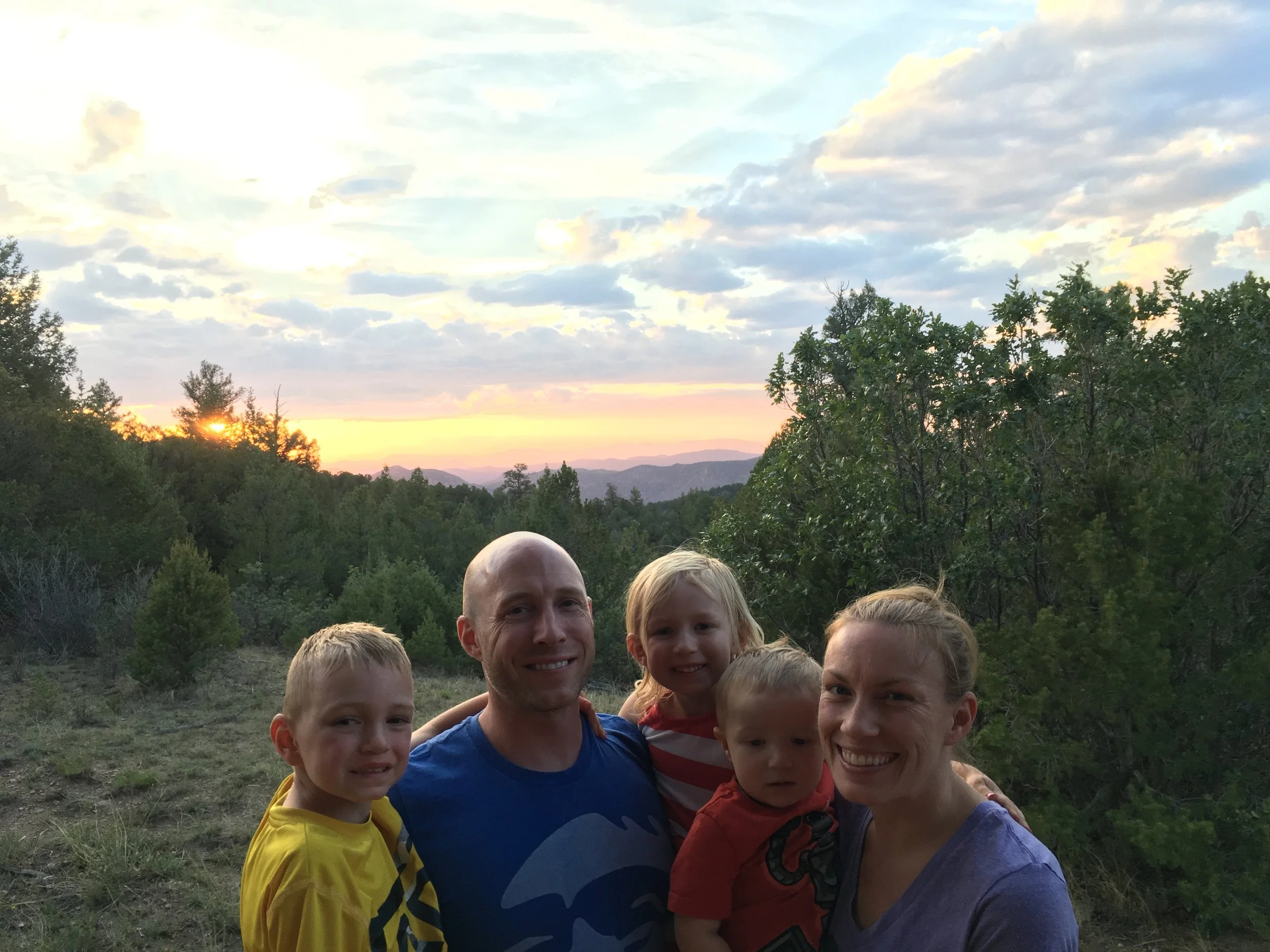
Kristi, her husband Todd and their 3 kiddos- Christian, Kenzi, and Becker while camping near The Royal Gorge this summer.

Kristi, her husband Todd and their 3 kiddos- Christian, Kenzi, and Becker while camping near The Royal Gorge this summer.

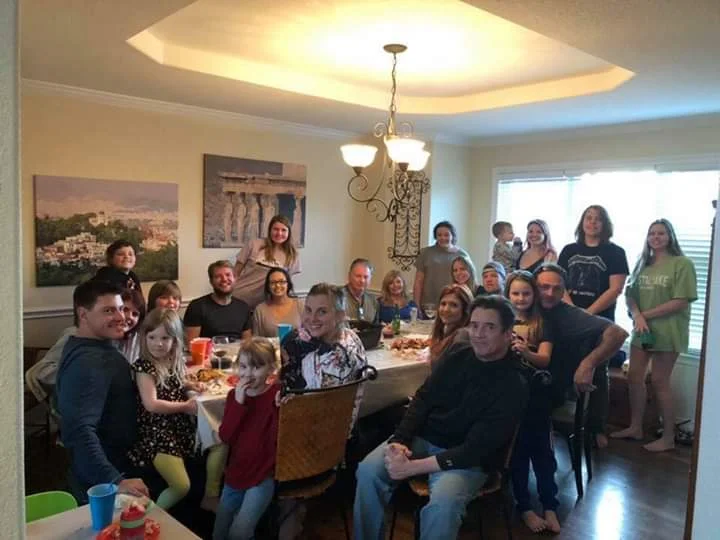
Kimberly and her husband enjoyed a house full of family for the Holidays!

Kimberly and her husband enjoyed a house full of family
for the Holidays!

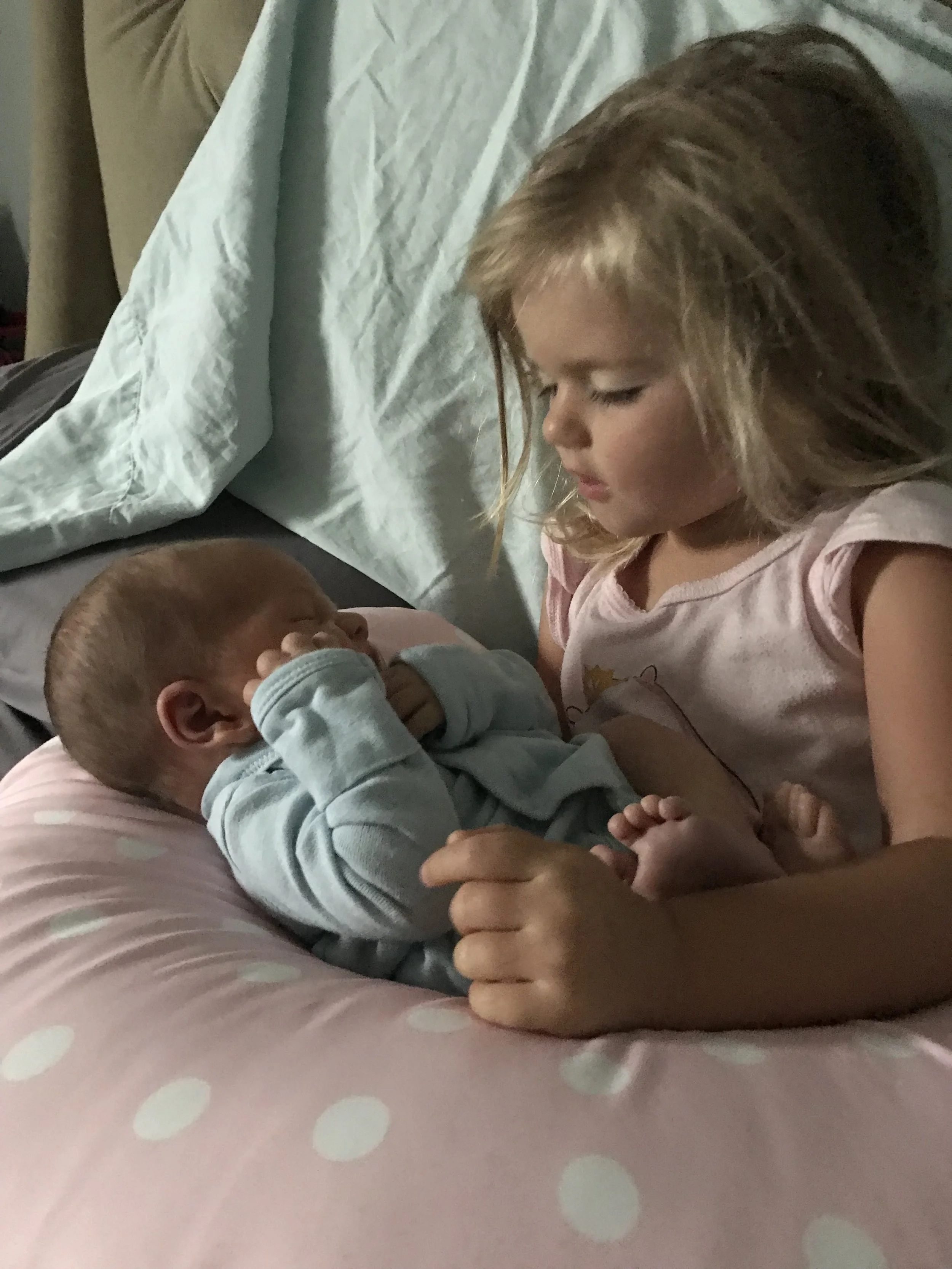
Jessie, her husband Ian, daughter Tegan, and new baby boy Hayes (sleeping) hiking above Beaver Creek this Fall. Big sister moment in photo below.

Jessie, her husband Ian, daughter Tegan, and new baby boy Hayes (sleeping) hiking above Beaver Creek this Fall.
Big sister moment in photo below.

jessie 2.jpg
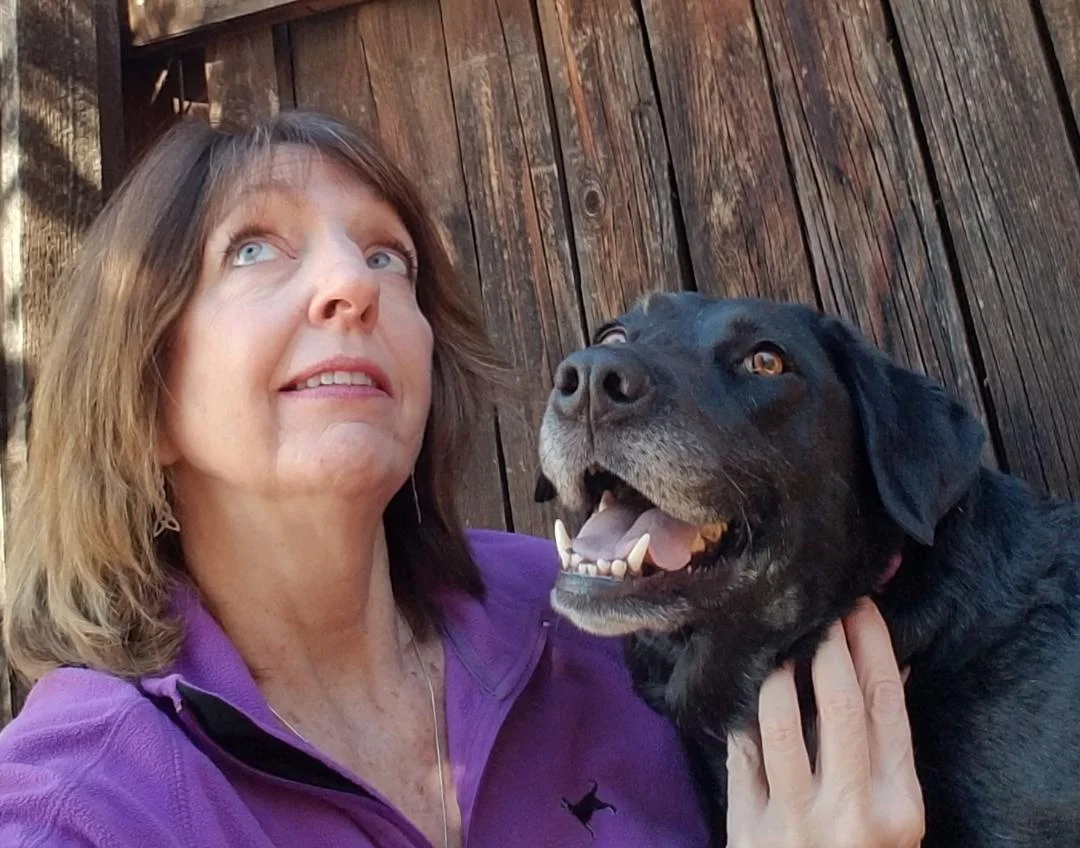
The newest addition to the Maintain Me team, Julie Donelan, in self-titled picture "Squirrel". Too funny! Her fur babies Dakota and Tesla in picture below. Look for her full bio in next week's email!

The newest addition to the Maintain Me team, Julie Donelan, in self-titled picture "Squirrel". Too funny! Her fur babies Dakota and Tesla in picture below. Look for her full bio in next week's email!

Tesla and Dakota 2.jpg

New Year's Resolutions for Older Adults

puzzle-hands.jpg

With the Hustle and Bustle of the Holidays coming to a close we find a New Year and Resolutions right around the corner. It's easy to get overly ambitious when setting your intentions for the New Year and quickly get discouraged when trying to put them into practice. Instead chose one or two reasonable resolutions that require small adjustments. You'll find yourself feeling motivated and empowered in 2019!


Here's some great ideas to get you started:
 

1. Eat at least five servings of Fruits & Vegetables
In later life, you still need healthy foods, but fewer calories. Go for fruits, vegetables, whole grains, fish, lean protein and healthy fats. Choose a variety with deep colors: dark green, bright yellow, and orange choices like spinach, collard greens, carrots, oranges, and cantaloupe are especially nutritious. Choose fiber-rich whole grain bread, brown rice, and whole grain pasta. Pick less fatty meats like chicken or turkey. Have heart-healthy fish, like tuna, salmon, or shrimp, twice a week. Include sources of calcium and Vitamin D to help keep your bones strong. Use healthier fats, such as olive and canola oils, instead of butter or lard. Use herbs and spices to add flavor when cooking, which reduces the need to add salt or fat.

2. Be Active
Physical activity is safe and healthy for older adults, even if you have heart disease, diabetes or arthritis. In fact, mild to moderate activities can help you with your ailments. Consider taking a tai chi class or starting water aerobics. Even taking a stroll around the house or stretching in your living room can help you control your weight, build muscles and bones, and improve your balance, posture and mood.
 

3. See your Provider regularly
You should schedule an annual wellness visit with your healthcare provider to discuss health screenings and any changes in your advance directives. Take screening tests that check your vision, hearing, and for other conditions such as breast cancer, colon cancer or osteoporosis. At each visit, talk to your doctor about your medications and whether or not you still need them. Find out if you should be getting any new/booster immunizations.
 

4. Guard against falls
One in every three older adults falls each year. Exercises such as walking or working out with an elastic band can increase your strength, balance and flexibility, and help you avoid falls.


5. Take care of your Brain
Read. Meditate. Color books. Socialize. Go for activities that boost your brain, such as joining a bridge club or a discussion group at your local library or senior center.


You can get more great ideas at these sites:
https://www.healthinaging.org/resources/resource:top-10-healthy-new-year-s-resolutions-for-older-adults/

https://regenliv.com/news/five-best-new-years-resolutions-for-elderly


How You Can Help Seniors Facing the Holidays Alone

Steve-Jurvetson-on-Flickr.jpg

Christmas and New Year holidays should be the happiest time of the year. Families finally have some time to get together and celebrate with a lavish feast. However, is this true for everyone? 

Sadly, it isn’t. The seniors whose beloved passed away and whose family live far away from them do not share the same excitement regarding the holidays. As the research shows, they can be even more depressed this time of the year. 

Since holidays shouldn’t be only about getting presents, but also about helping others, here's a few different ways in which you can help the seniors feel better and have a nice time for Christmas.


Help them communicate with their family
Since a lot of seniors haven’t even heard of Skype, you can be the one who will help them get in touch with their family using this technology. This won’t take you a lot of time, but for them it will mean a lot to hear from their loved ones. Seeing them on the computer screen, even though they are so far away, will significantly improve the senior’s mood.


Listen to what they are telling you
No matter whether you are their neighbor, a caregiver, or a family member you should take some time to talk to the senior. Although they sometimes tend to go on and on about past events, try to show some interest by asking questions and showing compassion. You may even encourage them to show you their old photo albums. This way they will have someone to share their old memories with, which is what we all like to do during holidays.


Be a Santa to a Senior
Many seniors are provided with a great in home care. However, since holidays’ time is particularly tough for them, as their caregiver, you can make an extra effort and do something personal for them. If you know that they usually don’t get presents for Christmas, be the one who will bring them something. This small gesture will be a huge surprise for them and will certainly make them feel less lonely and forgotten. You can also become a volunteer in the programs designed to help the elderly, such as:
Be a Santa to a Senior.


Have a Senior as a guest at your Celebration
If you are having a big family dinner for Christmas, leave room for the elderly family member as well. If they live all the way across town, go and fetch them. This way you will show them how much you care for them and that you really want them to be a part of your holiday celebration, not just that you feel an obligation to do so.


Call their friends to join the Celebration
If you know that your senior has some friends that they don’t meet often because of the distance or poor health, Christmas is the perfect time to arrange their meeting. You can organize a surprise party and prepare some special dinner for them. You can make the table look very festive by using different colors and buying Christmas themed napkins. This may seem as a small detail, but it will certainly mean a lot to the senior, who will feel loved, and there is nothing better than love to boost someone’s
self-esteem and health.


This Article was published by The Senior Outlook Today Team:
https://www.senioroutlooktoday.com/how-you-can-help-seniors-facing-christmas-holidays-alone/
 

What to do while visiting Aging Parents for the Holidays

1140-caregiving-home-safety.imgcache.revddf9237898047a9cd75a329efdeeab17.jpg

Take advantage of your holiday visit to check on older adults.
During the holidays, many of us will be visiting aging parents or relatives. It’s a perfect time to observe them in their “natural habitat” – you’ll see how they’re really doing.

This year, use some of your time at home to do 3 things: make sure your older adults are doing well, make simple home safety updates, and start important conversations about the future.

We share tips that help you focus on important details that will make a big difference in the long run.


1. Discreetly check on independent seniors

If your parents or relatives are living independently, the holidays are a great time to discreetly check on them.

By doing this every year and keeping notes, you’ll be able to spot changes more easily in the future.

Use our handy printable PDF checklist to evaluate changes in their physical, mental, and emotional health.


2. Spend an afternoon on home safety updates

While you’re visiting, you might have an opportunity to make a few simple safety updates.

These easy fixes don’t take much time and will help older adults avoid common accidents so they can stay independent longer.

Try these:


3. Have meaningful conversations about the future

When family gets together over the holidays, it’s a good opportunity for meaningful conversations.

If you haven’t already started talking about aging and plans for the future, consider bringing up the subject at a strategic time.

You might be surprised – many parents appreciate having these conversation and will be grateful that you brought it up.

Use these tips to prepare for a successful conversation and keep a few conversation starters in your back pocket to make it easier to get the ball rolling.


Recommended for you:


This article and links were put together by the Daily Caring Editorial Team 
https://dailycaring.com/3-things-to-do-while-visiting-aging-parents-for-the-holidays/?utm_source=DailyCaring&utm_campaign=34644b86ec-DC_Email_2018-12-18&utm_medium=email&utm_term=0_57c250b62e-34644b86ec-123200633

Memories of music cannot be lost to Alzheimer's and Dementia

maxresdefault (1).jpg

I think it's safe to say the Music and Memories are strongly tied for everyone. This time of year holiday music is playing just about everywhere and whether your sick of it by now or not, your brain hears those familiar jingles and knows what time of year it is. A recent study now shows the part of your brain responsible for ASMR catalogs music, and appears to be a stronghold against Alzheimer's and Dementia. 
 

If you're especially into a piece of music, your brain does something called Autonomous Sensory Meridian Response (ASMR), which feels to you like a tingling in your brain or scalp. It's nature's own little "buzz", a natural reward, that is described by some as a "head orgasm". Some even think that it explains why people go to church, for example, "feeling the Lord move through you", but that's another article for another time. 

Turns out that ASMR is pretty special. According to a recently published study in The Journal of Prevention of Alzheimer's Disease (catchy name!), the part of your brain responsible for ASMR doesn't get lost to Alzheimer's. Alzheimer's tends to put people into layers of confusion, and the study confirms that music can sometimes actually lift people out of the Alzheimer's haze and bring them back to (at least a semblance of) normality... if only for a short while. ASMR is powerful stuff! 

Jeff Anderson, M.D., Ph.D., associate professor in Radiology at the University of Utah Health and contributing author on the study, says  "In our society, the diagnoses of dementia are snowballing and are taxing resources to the max. No one says playing music will be a cure for Alzheimer's disease, but it might make the symptoms more manageable, decrease the cost of care and improve a patient's quality of life."

Check out the original article as well as video of man named Henry who comes out of Dementia each time his listens to songs from his youth:
https://bigthink.com/news/ever-get-the-tingles-from-listening-to-good-music-that-part-of-your-brain-will-never-get-lost-to-alzheimers


Denver Christkindle Market

home17.jpg

Skyline Park is transformed into a miniature German village during this favorite Denver event, where Bavarian musicians play classic carols and dance-worthy melodies, and vendors dish up specialties served at traditional German Christmas markets, including baked apples, gingerbread biscuits, charcoal-grilled sausages and, of course, spicy mulled wine (gluehwein). 


Location:
Downtown Denver Rink at Skyline Park
1515 Arapahoe Street, Denver, CO 80202
(On 16th St. Mall, across from the Clock Tower)

Admission is FREE!

Open Hours:
November 16 - December 23, 2018​
 
Sunday - Thursday: 11am - 7pm 
Friday and Saturday: 11am - 9pm

December 17 - 23: 
Extended Daily Hours 11am - 9pm


https://www.christkindlmarketdenver.com/
 

MM- Looking back at Denver Startup Week 2018

denver-startup-week.png

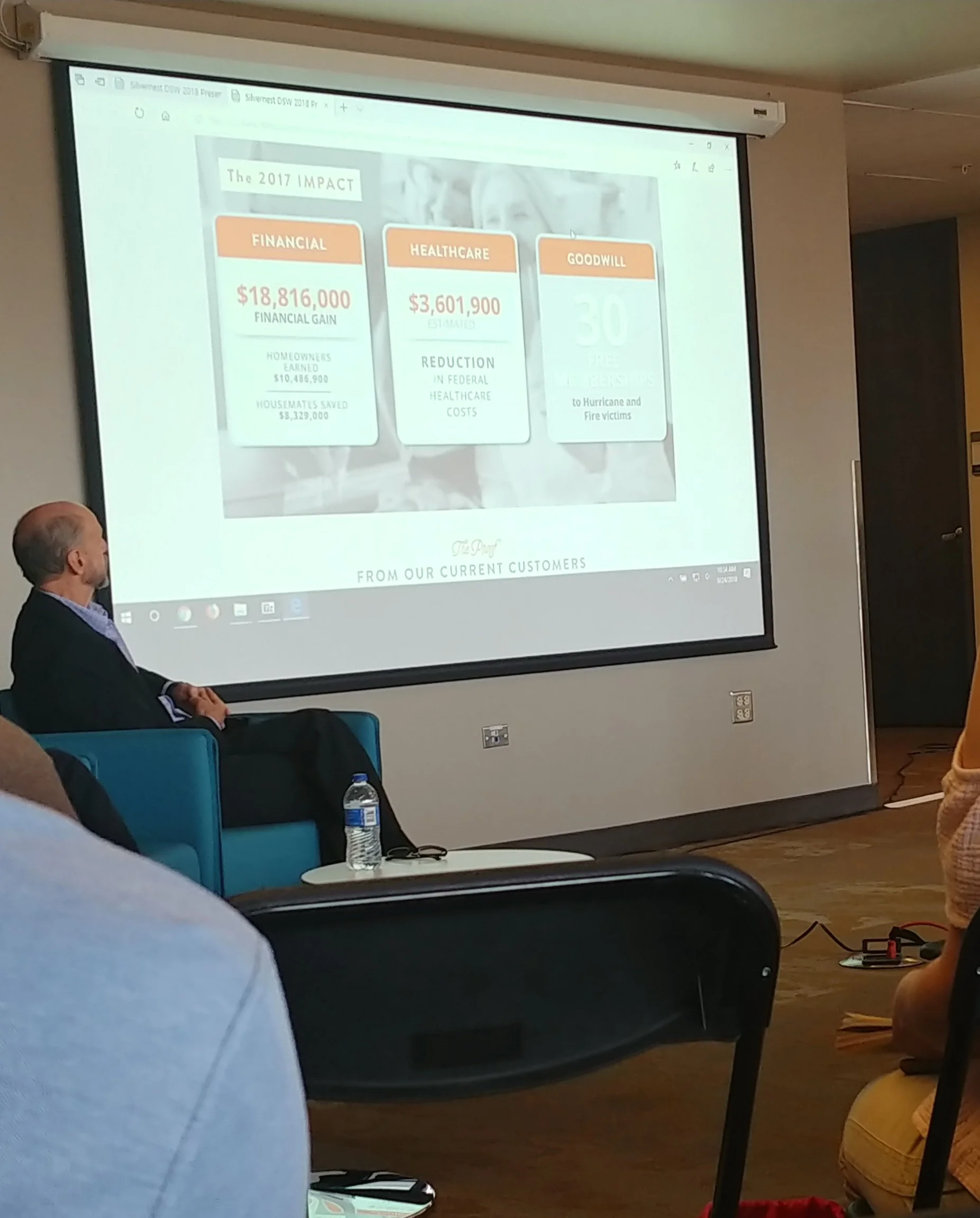
Looking back through our events in 2018 we found these great pics from Denver Start Up week.

What a great event. We look forward to attending again next year!

20180919_142358_HDR.3.jpg
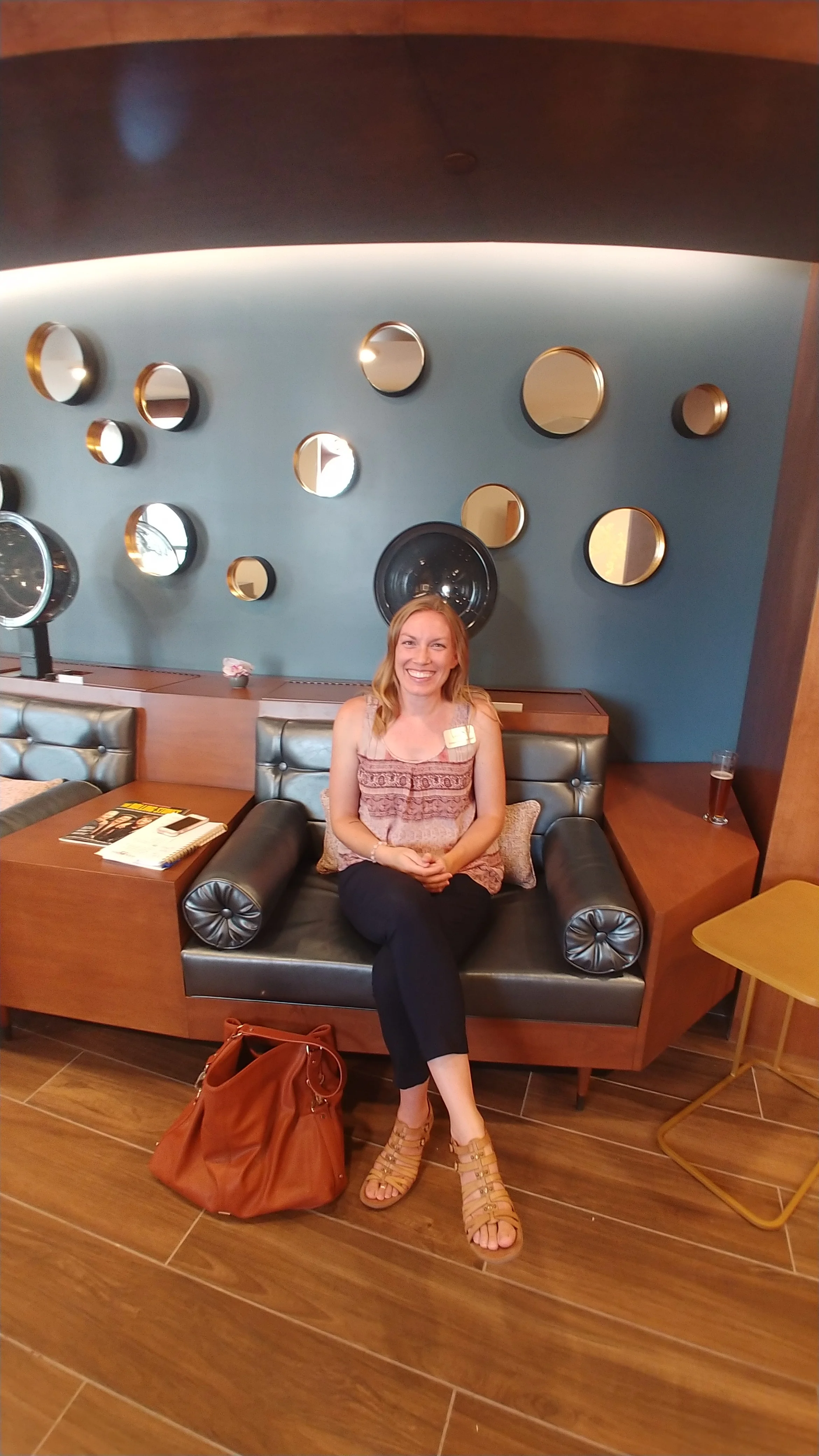
The lovely Miss Kristi

The lovely Miss Kristi

Some slide facts from Silver Nest

Some slide facts from Silver Nest

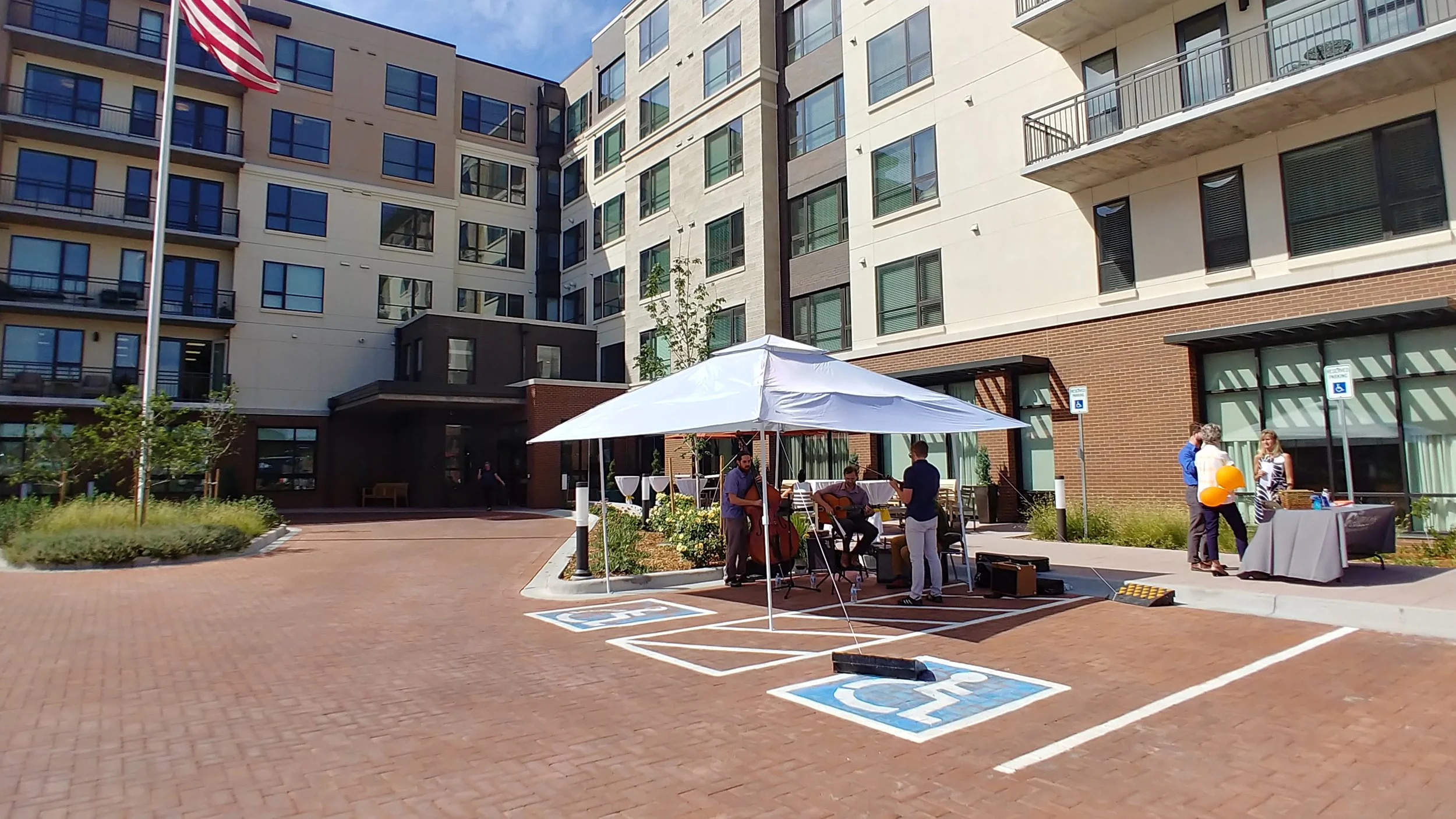
Open House for Carillon at Belleview Station

Open House for Carillon at Belleview Station

How about a Robot for Christmas?

The New Wave of Caregiving
by Laura Petrecca, AARP
 

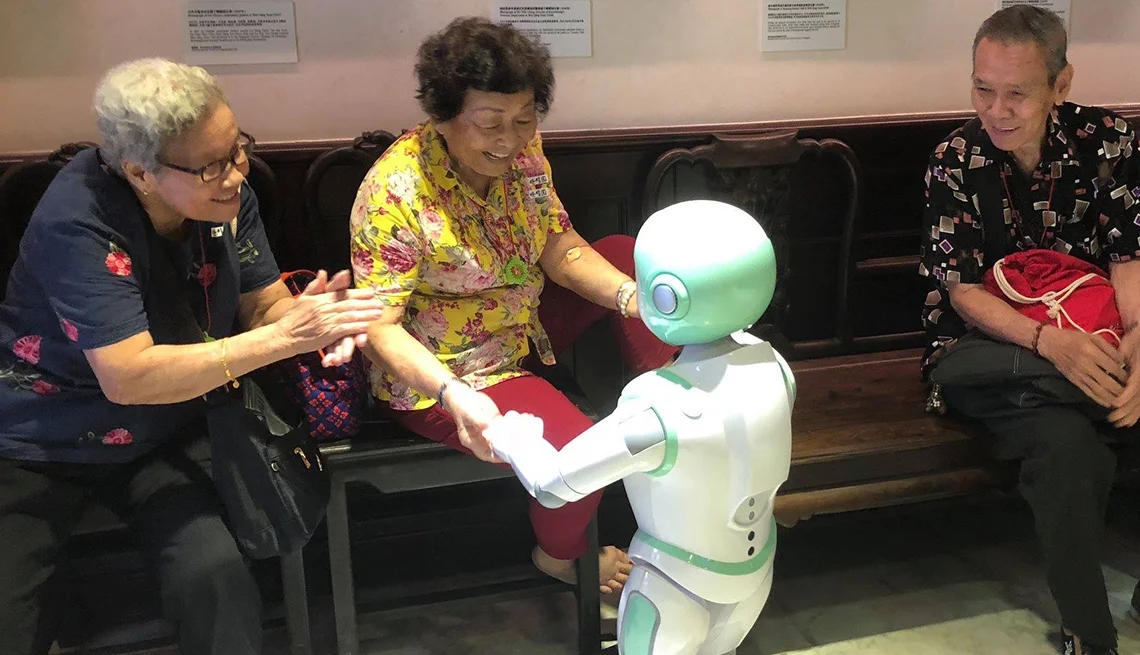
These cartoonish-looking iPal robots (below) elicited smiles and laughs. Yet, they and their mechanical brethren may soon fulfill a serious mission: keeping those older Americans healthy, active and alert.

Companies around the world are investing in “socially assistive" robots — they assist through social interaction, not physical interaction, and can help with the caregiving concerns of an aging population. From AvatarMind's iPal, which could eventually monitor for falls, and Catalia Health's Mabu, who can ask questions like a nurse, to a plush seal that improves the mood of users, these robotic assistants may be increasingly marketable in a world where caregiver shortages in the U.S. are expected to reach nearly 450,000 by 2025.


1140-dancing-i-pal-robot-technology.imgcache.rev279a9ae70f5606aad0e4efb03206ebe1.jpg

Globally, the number of people 60 and older is expected to skyrocket from 962 million in 2017 to 2.1 billion in 2050, according to the United Nations. At the same time, countless people regularly use technology such as smartphones, Google Homes and Amazon Echos to enhance their lives.  

“Technology is much more ubiquitous today,” says Cory Kidd, Catalia Health's founder and CEO. “It’s the right place and time to use [robots] like this” to aide the larger community.

1140-mabu-robot-technology.imgcache.reva11f30f2bdf4b4b0f53a5c13e1dd597c.jpg

Mabu (above), a 15-inch yellow robot with large round eyes is currently focused on helping patients with congestive heart failure, by tracking medications and activity level. 

A typical conversation begins with Mabu asking how a person feels. Its queries (both verbal and text on a screen) can then delve into other areas, such as inquiring about someone’s weight or screening for anxiety and depression. The information is then analyzed by Catalia Health, with pertinent data sent to the user’s health care providers.
 

1140-elliq-robot-technology.imgcache.rev895a7da3eb94c104ac0f5ef42e3707ba.jpg

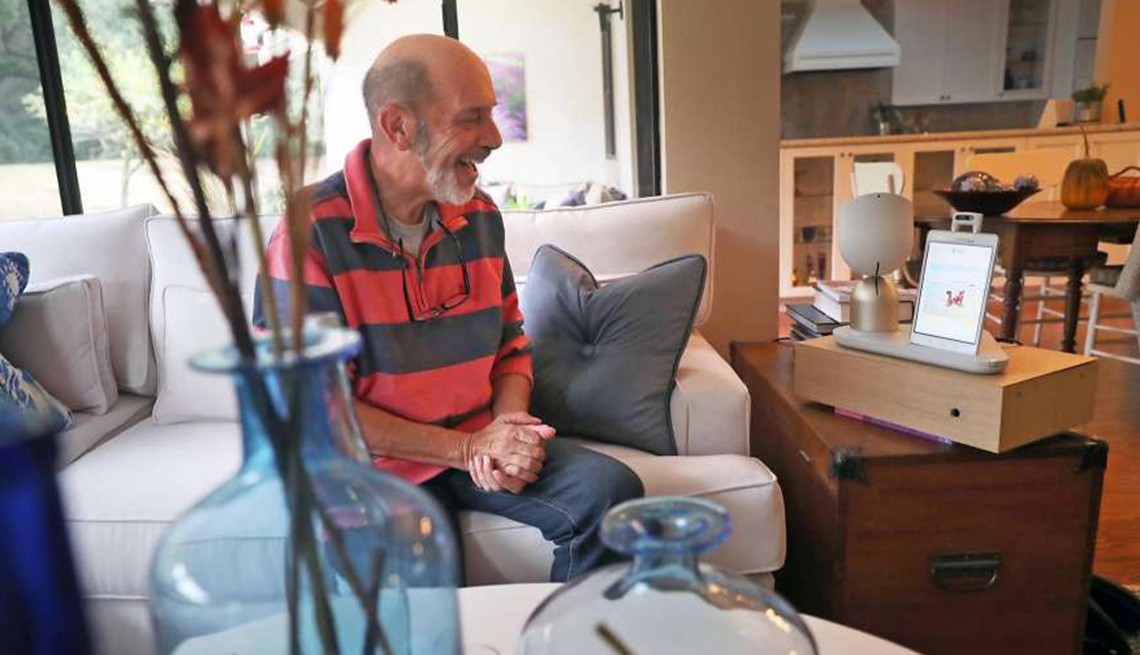
ElliQ (above) — currently being tested in California by about a dozen people between the ages of 62 and 97 — looks more like a small, modular lamp than a robot. It proactively offers trivia, plays music, suggests educational video lectures and encourages outside walks. It also connects the user with others through video or text and photo messaging. 

“The whole goal of ElliQ is to help people stay active and engaged and to be a presence on their side throughout the day,” says Intuition Robotics cofounder and CEO Dor Skuler. After launch, ElliQ will be available to consumers through the company's website and other business-to-consumer channels. (Intuition and Catalia didn’t disclose prices for their
products; the iPal will sell for $2,500.) 

1140-paro-caregiving-technology-robot.imgcache.revf0cd518a6eebaa577af2981c73bf1de3.jpg

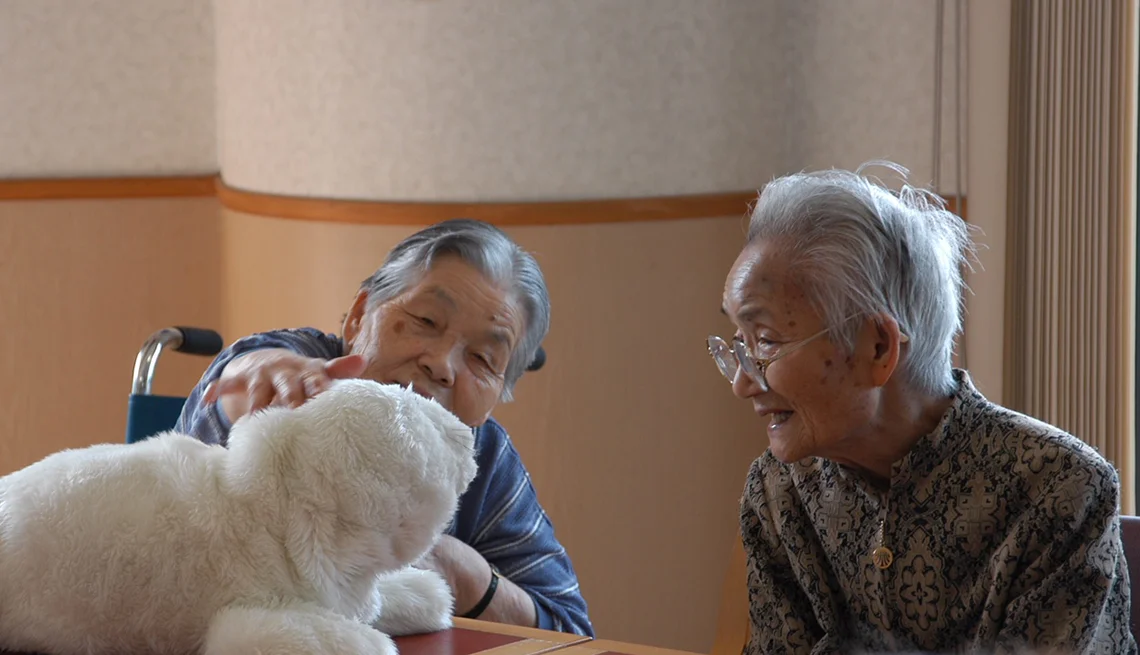
Paro (above), a $6,000 interactive baby seal, is another robot that offers emotional support. The plush white device, about the size of a large stuffed animal, responds to stimulants such as touch, noise, light and temperature by moving its head and legs or making sounds. The robot has helped to improve the mood of its users, as well as offers some relief from the strains of anxiety and depression, says inventor Takanori Shibata, a chief senior research scientist at Japan's Human Informatics Research Institute and National Institute of Advanced Industrial Science and Technology (AIST). The 300 Paros in the U.S. are a fraction of the 3,500 found in Japan, a country that has adopted the use of socially assistive robots more rapidly due to its rapidly graying nation.


The U.S. is making advances. The National Institute on Aging has provided more than $1 million in research funding for socially assistive robots. And the market is ripe for investment from others, such as venture capitalists, says Maja J. Matarić,  a roboticist and computer science professor at the University of Southern California. “In my experience, elderly users are very open toward trying technology,” she says.

 "The goal isn’t to replace humans. It’s about motivating people to help themselves." “The way you live long and stay happy is that you want to get up and do something.” 


To read this full article as well as the entire
AARP series featuring Caregiving & Technology:
https://www.aarp.org/caregiving/home-care/info-2018/new-wave-of-caregiving-technology.html?cmp=EMC-DSO-NLC-RSS-CAREGIVING--CTRL-120718-P1-3416913&ET_CID=3416913&ET_RID=36681338&mi_u=36681338&mi_ecmp=20181207_DailyBulletin_Control_247401_320001&encparam=wkysKG5P8%2fXrG29py%2b20OZ%2fGsl2lm6X5g3df6nxsIu4%3d

DISHED: Dining Redefined 2019

dishedjoin.jpg

Elevate Your Dining Experience and Network With Culinary Pros

Join us March 7, 2019 to network and learn from culinary experts as they share their strategies on redefining today’s dining experience in senior living.


What is Dished all about?
Dished was created because dining is the second-largest expense for senior living providers and we LOVE food. Dining deserves its own event and we’re the only ones crazy enough to try launching a dining-specific event for senior living. Join us in March and help us create the next-generation dining experience. You’ll learn a thing or two you can take back to your senior living communities.
 

Panel Preview: New Dining Formats for the Next Generation of Senior Living Residents

From fast casual to flexible menus, this panel session explores the innovative ways operators are meeting the changing expectations of the modern resident, as well as preparing to satisfy the tastes of future residents.

Get Tickets HERE:
https://dished.seniorhousingnews.com/?utm_campaign=DISHED%202019&utm_source=hs_email&utm_medium=email&utm_content=68002436&_hsenc=p2ANqtz-9-J2UGErp0pIKd8IhqBMNh7QdTMNqS3e4EaV6ooYKZJzcY6Zb4tRuEYBJ1g3NbgEN7CLwm82Qh4WbcqCinFVsKoEoJkA&_hsmi=68002436#request


2018 Food Baskets for Seniors Drive- Donations & Volunteers Needed

maxresdefault.jpg

Holiday Baskets for Seniors

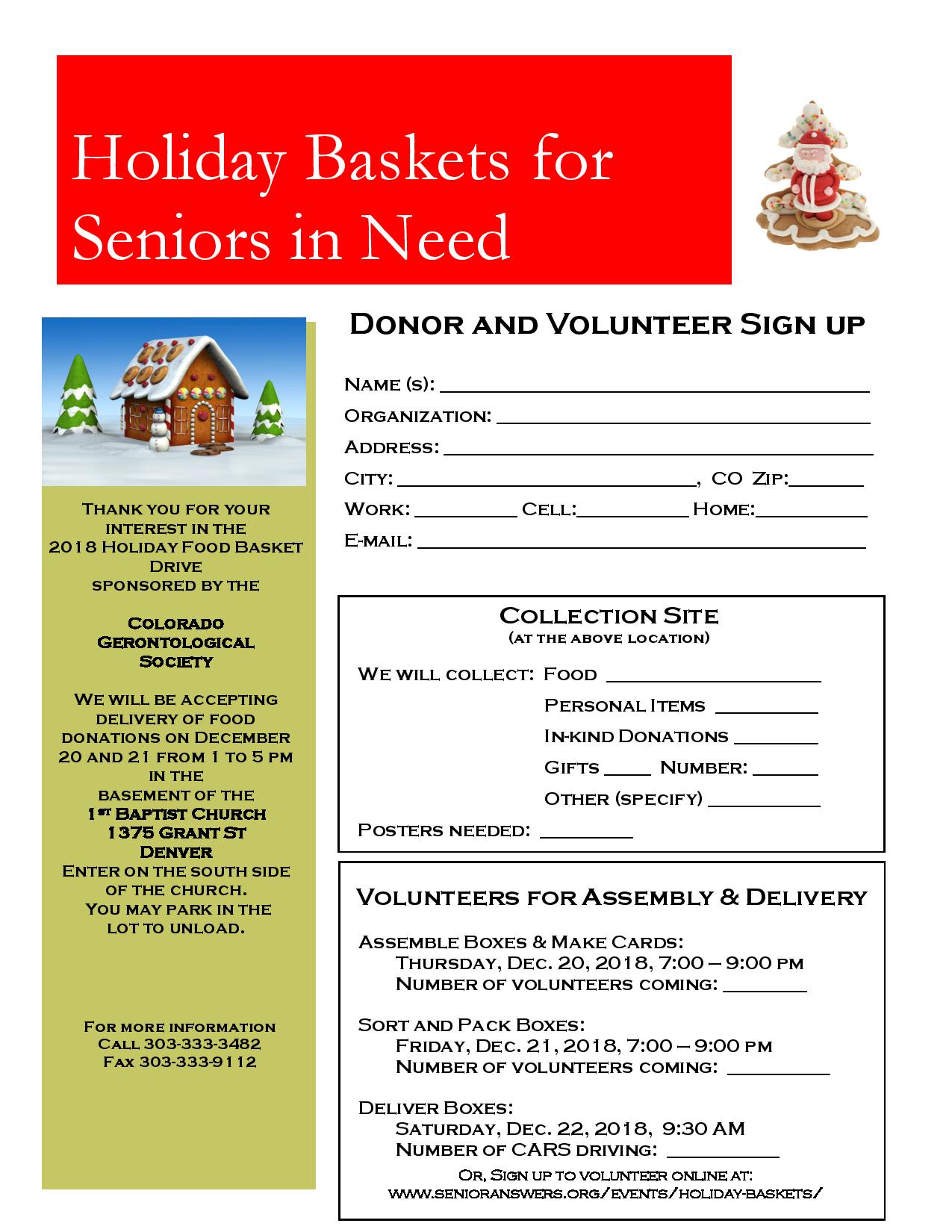
In 2018 the Holiday Baskets for Seniors Project will deliver baskets to 200 low-income Denver area residents without friends or family with whom to spend the holidays.

On Thursday December 20, 2018 from 7:00 pm to 9:00 pm, we will be sorting and counting food donations, making holiday cards, and wrapping presents.

On Friday December 21, 2018 from 7:00 pm to 9:00 pm, we will be packing baskets with the donated goods.

On Saturday December 22, 2018 from 9:30 am to 12:00 pm, we will be delivering holiday baskets to seniors, in routes of 2-4 individuals. After delivery, all volunteers and their families are invited to the CGS Holiday Party from 12:00 pm to 4:00 pm, at 1000 Krameria St, Denver, CO 80220.


To Volunteer or Donate please visit:
https://www.senioranswers.org/events/holiday-baskets/

Donor and Volunteer Sign up Form 2018 (1)-page-001.jpg

BEST ALZHEIMER’S HOLIDAY TIPS FOR AN ENJOYABLE SEASON

3-generations-during-holidays_dementia.jpg

Help seniors with dementia enjoy the holidays more

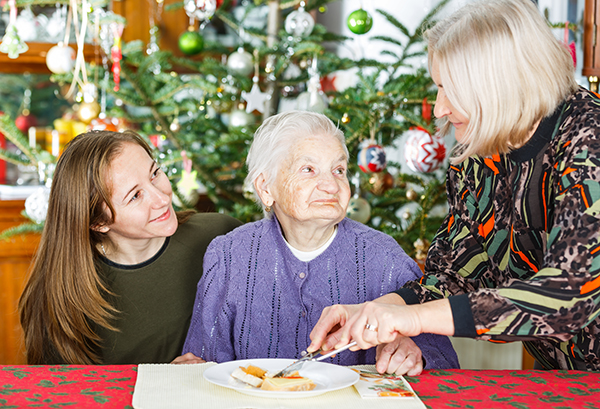
Many older adults with Alzheimer’s or dementia enjoy and want to be included in holiday festivities. But this time of year can also be overwhelming. The added activities and stress could cause increased agitation and confusion, unpredictable behavior, or mood swings.

These are the top 5 articles with tips that help you modify holiday traditions and set expectations so people with dementia can have a fun and enjoyable season too.


5 Daily Caring articles with essential Alzheimer’s holiday tips
1) 4 Ways to Help Seniors with Alzheimer’s Enjoy the Holidays
Holidays bring a flurry of activity – changes in daily routine, conversations with extended family, and participation in annual traditions. For seniors with dementia, the stress can trigger challenging behavior.

Get tips on reducing stress, modifying family traditions, and helping older adults feel included. We also explain why decorations need to be chosen with care.

Get 4 ways to help seniors with dementia enjoy the holiday season 
 

2) 6 Ways to Adapt Holiday Activities for Seniors with Alzheimer’s
Even though your older adult has dementia, you still want them to feel included in the holiday festivities. But you don’t want them to get overstimulated or agitated.

Whether you’re hosting the get-together or taking your older adult to a relative’s house, these 6 tips will help you modify holiday activities so they can participate comfortably.

Find out how changes like keeping groups small, paying attention to timing, and focusing on meaningful traditions can make a big difference.
Get 6 ways to help seniors with dementia enjoy holiday traditions 


3) How to Prepare Family Before Their Holiday Visit with Seniors
Because Alzheimer’s and dementia are progressive conditions, people get worse over time. To avoid shocking family or friends during holiday visits, it’s a good idea to update them on your older adult’s current condition before they come over.

Being surprised could make family members irrationally angry, ignore your older adult, or insist on making unwise changes to their life.

One way to give people time to absorb the info ahead of time is by sending an email – we’ve even got a sample letter you can use.
Update family about your older adult’s condition before they visit 


4) Do’s and Don’ts for Visiting Someone with Alzheimer’s
Seniors with dementia may enjoy holiday visitors as long as the visit isn’t overwhelming. Make these visits successful and positive by helping family and friends know what to say and do.

When people are prepared with useful information and the right expectations, you’ll all come out of the visit with good feelings and nice memories.
Use these helpful do’s and don’ts to create successful visits with someone with dementia


5) 20 Joyful Holiday Activities for Seniors
Simply being included in the festivities brings joy and helps seniors with dementia enjoy the season. Many of these 20 fun holiday activities are dementia-friendly – choose the ones you think they can handle.

To prevent older adults from becoming overtired or overstimulated, it’s important to pace activities and take frequent breaks.
Get 20 senior-friendly holiday activity suggestions 


Read full article at:
https://dailycaring.com/5-best-alzheimers-holiday-tips-for-an-enjoyable-season/?utm_source=DailyCaring&utm_campaign=cb44276522-DC_Email_2018-11-19&utm_medium=email&utm_term=0_57c250b62e-cb44276522-123200633


Why some say Walkable Communities Are the Best Communities for Older Adults

senior-walkable-city-wide-590x300.jpg

Urban planner, author and walkability expert Jeff Speck offers advice for what to look for — and not fall for — when searching for an aging-friendly place to live.

by Jeff Speck, AARP Livable Communities


Many older Americans really care about walkability. Too many others, however, assume that a good retirement or empty nest home requires ensconcing themselves in an age-restricted residential-only community a short drive from the mall. Here's why walkable communities are the best communities for older adults.

The "age-restricted community" is an anomaly of the second half of the 20th century. So is the residential-only community. None of these existed in significant number prior to 1950, when mass car-dependent suburbanization began to sort the American landscape into isolated areas of single use: housing subdivisions, shopping centers, and office parks, all stitched together — and also separated — by unwalkable arterial highways and collector roads.

Single-use also became single-demographic, as lifestyle-based marketing and increasingly narrow price ranges ruthlessly sorted the population by age and income into largely homogeneous clusters.

In this environment, which most of us now take for granted, the ultimate achievement may be the golf-course subdivision, where one can retire in peace, overlooking something resembling nature, with ample opportunity for recreation and automotive access to shopping and entertainment. 

But most people who live in golf-course communities don’t golf, and only a small percentage golf regularly. More walk, but it’s difficult to get people to consistently walk for exercise. They start, and then they stop, discouraged that the walk serves no real purpose, ending right where it began.
This reality is well covered by Dan Buettner in his popular book The Blue Zones: Lessons for Living Longer from the People Who’ve Lived the Longest. (The subtitle of an updated edition has been rephrased to read as "9 Lessons for Living ...") After a tour of the world’s longevity hot spots, Buettner takes us through the “Power Nine: The lessons from the Blue Zones, a cross cultural distillation of the world’s best practices in health and longevity.” Lesson One: “Move Naturally.” He explains:

“Be active without having to think about it…. Longevity all-stars don’t run marathons or compete in triathlons; they don’t transform themselves into weekend warriors on Saturday morning. Instead, they engage in regular, low-intensity physical activity, often as a part of a daily work routine.”

Buettner quotes the late Robert Kane, M.D., then the director of the Center on Aging and the Minnesota Geriatric Education Center at the University of Minnesota in Minneapolis, who said:

“Rather than exercising for the sake of exercising, try to make changes to your lifestyle. Ride a bicycle instead of driving. Walk to the store instead of driving … Build that into your lifestyle.”

These admonitions are all well and good, but what if there is no store to walk to, no lifestyle available in which walking plays a useful role? In that case, walking can only be recreational, and therefore expendable. The Blue Zones can be found all around the globe, but they all share certain similar characteristics. One of these, and perhaps the most important, is that people don’t need cars to get around. And this gets us to the second problem with the golf course subdivision, or, for that matter, any residential-only community:

What happens when you become too old to drive?

As soon as someone loses his or her driver’s license — or, for many, their driving spouse of partner — the location of their suburban golf course home can become a trap. Unless the person can afford a very large Uber allowance, or is willing to burden a relative, he or she has no choice but to re-retire into a specialized home for the elderly. The residential retirement community is too often just a way station for the assisted-care facility.

Acknowledging the conveniences that walkable urbanism offers the elderly, sociologists as early as the 1980s identified what they call a N.O.R.C. — a Naturally Occurring Retirement Community.

Amateur observers have another term for it:“a walkable neighborhood full of old people.”Winter Park, Florida, is one such community, as is the Upper East Side of Manhattan. Many older American cities have their N.O.R.C.s, where a disproportionate number of elderly have moved due to the benefits of retiring in a walkable environment.

While many walkable places have become unaffordable due to their desirability, many others have not. Almost every midsize American city developed before 1950 has a downtown core that, a generation ago, lost a big chunk of its population. One by one, these are being re-inhabited, first by young people who don’t mind the grit, and eventually by older people who find it much improved by those who came before. Most cities sit on this curve; the trick is finding the right one.

Older Americans seeking to relocate face an important choice when it comes to their next home: a suburban residential community or a walkable urban neighborhood. Which one they chose will have a large impact on whether their daily lives are more sedentary and isolated, or more active, social, and fulfilling.  


Jeff Speck is a city planner and urban designer who, through writing, lectures, and built work, advocates internationally for more walkable cities. He was a featured speaker at the 2017 AARP Livable Communities National Conference and is the author of "Walkable City Rules: 101 Steps to Making Better Places," published by Island Press.

1140-jeff-speck-book.imgcache.reveb0bb593843877df8aec0b7ef128c1c0.web.740.475.jpg

Many Thanks to the Rotary Club!

IMG_7400.jpg

A big thank you to the Rotary Club and Kimberly Diaz for inviting me to speak at a local meeting this past week. Not only does the Rotary Club stand for something so amazing but the people in the group truly reflect their mission. I was invited into their morning meeting with bright smiles and kind hearts. We sang, ate and watched as each member shared their contributions of time and efforts to bettering the community and serving the world one event, dollar and meeting at a time! 

At the end of our meeting, The Rotary Club presented me with a certificate of appreciation. This was not a normal certificate, they donated 10 doses of polio to eradicate polio in the world. This is the best appreciation gift I could ever receive.


THANK YOU ROTARY CLUB FOR BEING YOU!


Rotary is a global network of 1.2 million neighbors, friends, leaders, and problem-solvers who see a world where people unite and take action to create lasting change – across the globe, in our communities, and in ourselves.
Solving real problems takes real commitment and vision. For more than 110 years, Rotary's people of action have used their passion, energy, and intelligence to take action on sustainable projects. From literacy and peace to water and health, we are always working to better our world, and we stay committed to the end.


Rotary members believe that we have a shared responsibility to take action on our world’s most persistent issues. Our 35,000+ clubs work together to:

Promote peace
Fight disease
Provide clean water, sanitation, and hygiene
Save mothers and children
Support education
Grow local economies
Get involved


Their Mission
We provide service to others, promote integrity, and advance world understanding, goodwill, and peace through our fellowship of business, professional, and community leaders.

Learn more
https://www.rotary.org/en/about-rotary

Have a wonderful Thanksgiving from all of us at Maintain Me

i-am-thankful-leaf-template-for-turkey_399851.jpg

This week we would like to take pause and give our full attention to the recent fires that have impacted our local senior community.

Our hearts go out to the many residents of Heather Gardens and The Windermere Senior Apartment Complex who are impacted by these tragedies and offer our deepest condolences to the families of the victims. Many thanks to the first responders who no doubt saved lives.


It is events such as the these make it so important to think about all that we are thankful for.
Have a wonderful Thanksgiving from all of us at Maintain Me. 

9Wants to Know Investigation: STRANDED

613908764_750x422.jpg

Man with Alzheimer’s sent on one-way flight to Denver among scores of patients stranded in hospitals.

A 9Wants to Know investigation found on any given day, dozens of people suffering from Alzheimer's and other mental disabilities are stranded in Denver-area hospitals because they have nobody to take care of them. 9NEWS surveyed hospitals on a single day in September and found 113 people were stranded in metro area hospitals even though they no longer need acute medical care.


DENVER — Within the bustle and organized chaos of Denver's massive airport, an 80-year-old man with Alzheimer's disease named Jerry Ellingsen was found wandering alone after traveling with his small dog from Fort Myers, Florida.

Jerry didn’t know where he was or why he was in Denver.

Police tried contacting his daughter and wife, neither of whom would pick him up, so officers were forced to call an ambulance that took him to a nearby hospital.


A three-month long 9Wants to Know investigation is uncovering a growing health care epidemic where hundreds of people like Jerry are abandoned every year at metro-area hospitals. The epidemic is costing hospitals and in some cases, taxpayers, millions of dollars a year.

"I think the thoughtfulness is that this isn’t somebody else's problem. It’s all of our problems. And as we age we need to better prepare, and we need to make sure our parents are prepared to address this possible challenge,” said Doug Muir, who oversees behavior health at Porter Adventist Hospital.

“At the end of the day, this is our loved ones that we are talking about,” Muir said. “So, as a society and community, we need to demand better outcomes.”


Done with her father
A United Airlines supervisor called police after finding Jerry confused and alone with only a small dog near an exit door outside the ticket counter. A police report indicates a United flight attendant described Jerry as possibly having Alzheimer’s, so they looked up the woman who checked him into his flight and ended up talking to his daughter.

His daughter, Pamela Roth of Fort Myers, told the United employee she was “done with her father” and did not want to be contacted again, the police report said.

“He was very confused about general details of his life to include where he was at, where he was coming from, who he was coming to visit and his family members’ names,” one Denver police officer noted in a report after he spoke with Jerry.

Police pieced together a family dynamic that resulted in Jerry’s abandonment and eventual six-month-long stay in a local hospital.


“Drop my dad at a homeless shelter”
Hours before Jerry's arrival in Denver, his daughter - who had power of attorney at the time - put him on that one-way flight from Fort Myers. She intended for her father to live with his wife, Jackie Ellingsen of Highlands Ranch.

Police records show Pamela didn’t give much warning to Jackie that Jerry was coming to Colorado.

Twenty four hours before the flight, police records show Pamela texted Jerry’s wife in part, “my dad and Corky [the dog] will arrive on a flight in Denver tomorrow afternoon.”

Police tracked down his estranged wife over the phone. She still refused to pick up her husband.

“I have no use for him. I mean a man that wants to kill me, come on. I don’t want to live with him,” Jackie said to a Denver police detective during a recorded phone call.

She shared with police another text message she received from Pamela that said in part, “If you need to drop my dad at a homeless shelter, it’s fine. I just want him to have a roof over his head. Please.”

According to the police report, Jackie agreed to take care of Jerry’s dog, Corky, but would not agree to take her husband home.

Police had Jerry taken to University of Colorado Hospital. It was their only option.

Jerry Ellingsen among 113 at-risk adults stranded in September
Jerry’s story sparked 9Wants to Know’s investigation into at-risk adults who end up languishing in hospitals because they have no family to take care of them or a facility willing to take them in due to a lack of space, finances, or appropriate scope of care.

Laws require hospitals to keep admitted at-risk adults who’ve been abandoned until caseworkers can find safe placement for them, which can lead to extended stays for months and even years.

9Wants to Know conducted a point-in-time survey with the help of the Colorado Hospital Association because hospitals do not keep track of stays by people like Jerry.


Nineteen metro area hospitals participated in the survey, which revealed on a single day in September 113 at-risk adults were stuck in the system, beyond medical necessity.

Of those patients, about 30 percent had conditions like Alzheimer's and dementia. Most of the stranded people were men over 40 years old.

The longest stay among them was 577 days.

“I think 113 is pretty significant. I mean these are individuals who don’t have to be in a hospital setting,” said Amber Burkhart of the Colorado Hospital Association. “This is a system-wide failure and we can’t fault any one individual for the failure of our system as a whole.”

Where do patients come from?
Those who end up stranded in hospitals come from many different places, including from homes where family caregivers have burned out or money has run out. According to the 9Wants to Know survey, of the 113 people stranded at area hospitals, 30 were abandoned by family members.

Some of the stranded are homeless and come from the streets.

Thirty-one people were sent to the hospital by nursing facilities, according to the survey. Hospital caseworkers told 9NEWS nursing homes sometimes send patients to emergency rooms when they say the individuals need care they cannot provide.

Some hospitals, like Lutheran Hospital, have full-time caseworkers who spend their day trying to connect stranded patients to family members willing to take them in. Caseworkers also try to get patients on Medicaid or into facilities that have bed space.

“I think about the abandoned ones and it’s really hard,” said Stephanie Luck, a Lutheran Hospital caseworker. “I don’t want to ever feel abandoned in my life. I hope that every day when I leave work, that I did the best for that patient.”

Who Pays?
Hospitals end up bearing the costs, which in Colorado, can be to $2,500 per day, per patient. The financial burden is then passed to consumers and taxpayers if the hospital is government-owned and operated.

At Denver Health, there is a special wing called the Oasis Unit that houses around 30 at-risk adults on any given day. Denver Health reports it expected to spend $18 million on the Oasis Unit in 2018.


“It is heartbreaking and I think the ones that are the most heartbreaking are the ones who don’t know who they are or where they came from,” said Natalee Mejia, a nurse in the Oasis Unit.

The longest stay she recalls in the unit was two years. Anecdotally, Denver Health officials cited a case that resulted in a stay of eight years in the Oasis Unit.

No charges in Jerry’s case, whereabouts unknown
In the case of Jerry, Denver police handed evidence over to the Lee County Sheriff’s Office in Florida for a potential elderly abuse case against his daughter Pamela.

Prosecutors in Florida declined to file charges in the case against Pamela, describing the case as “legally insufficient.”


Jerry is no longer at the University of Colorado Hospital. Privacy laws prohibit hospital officials from releasing information about where Jerry went.

Jerry’s sister, who lives in Michigan, told 9Wants to Know she believes Jerry is under the care of a private company in Colorado, but she doesn’t know exactly where her brother has been taken.


Jerry’s niece expressed dismay at what has happened.

“I cannot believe they did that. I’m horrified. I’m disappointed that somebody can even be that low to do that to their father,” Kari McConnell said.

9NEWS reached out to Jerry's wife, Jackie Ellingsen, and talked to her multiple times. She declined to comment on the record.

9Wants to Know also visited Pamela in Florida, hoping to better understand what led to her putting her father on that flight alone. She never responded to such requests, even after a visit to her home and work.

9Wants to Know did confirm Pamela currently works for a company that specializes in senior home care.

The irony of the situation isn’t lost on Jerry’s sister-in-law, Judy Ellingsen.

“Under the circumstance and what’s her line of work with the elderly, she should be punished,” Judy said. “I’m sorry. Nobody does that to anybody.”


Author: Jeremy Jojola
Published: 6:33 PM MST November 12, 2018
Updated: 5:39 PM MST November 15, 2018
Anastasiya Bolton, Katie Wilcox, Anna Hewson and Nicole Vap contributed to this investigation.


For the full article, a link to Colorado caregivers and the option to provide feedback on the article please visit: 
https://www.9news.com/article/news/local/investigations/man-with-alzheimers-sent-on-one-way-flight-to-denver-among-scores-of-patients-stranded-in-hospitals/73-613906543

SENIOR MEDICATION SAFETY: Important Questions to ask the Pharmacist

12well_pills-superJumbo.jpg

Because seniors often take multiple medications, they’re at higher risk of drug interactions and negative side effects. 

The best way to lower this risk is to make sure that your older adult’s pharmacist has a very clear picture of all the medications they take, including over-the-counter medicine.

Next, protect your older adult by making sure you, as caregiver, have an equally clear understanding of how those medications need to be stored and administered.


9 Important Questions to ask the Pharmacist


1. What is the brand name and generic name of this medication?
Does the name on the pill container match what the doctor prescribed? If not, why?
* Confirming the drug name and whether the doctor requested the brand name or generic medication helps avoid medication errors. It also ensures that you’ll ask for the correct refill when needed.

2. What is this medication for? Does this take the place of anything else that’s currently being taken?
For many older adults, multiple medications may be required to manage their health condition, or even to manage the side effects from a needed primary treatment.
* Understanding what a medication is meant to treat is essential for making sure your older adult is only taking the medications they currently need. This helps reduce the chance of negative drug interactions and side effects.

3. Are there any duplicate or unneeded medications?
Some older adults may get some of their medications from a neighborhood pharmacy and others from a mail order pharmacy. Or, they might be seeing more than one doctor or specialist.
* In these cases, it’s important to make sure any pharmacists that you’re able to see in person knows all the medications your older adult is currently taking.
* Sometimes, seeing more than one doctor results in each doctor prescribing the same kind of therapy, but with a different medication – causing side effects or over-medication. This is especially problematic with high blood pressure medications and anti-depressants.

4. How and when should this medication be taken?
All the important instructions should be clearly displayed on the prescription label. Asking the pharmacist helps clear up anything that’s even a little confusing and makes sure you won’t miss key details.
* As a caregiver, this is critical information and gives you confidence when you’re organizing daily doses and planning meals.

5. What should we do if we miss a dose? What if we accidentally take too much?
This is an important question for a variety of drugs, where a patient may become ill from skipping a dose or from accidentally taking two doses in one day.
* As a caregiver, asking in advance means you’ll know how to respond if a mistake happens.

6. When will the medicine start working? Is there anything we should watch for, like allergic reactions or side effects?
A pharmacist who is aware of all the medications a patient is taking can point out possible side effects, like an increased risk of upset stomach due to the specific combination of treatments.

7. Should the patient avoid any other medicines, dietary supplements, foods, or activities while taking this medication?
This is key information that should be included on the prescription label, but asking the pharmacist helps to highlight the warnings most relevant to your older adult’s situation.
* For example, they could be at an increased risk of dizziness or falling.

8. How should this medication be stored?
A warm, humid bathroom is often not the best place to store prescriptions. Asking the pharmacist about storage helps you safely manage medications.

9. How long do these medications need to be taken?
Some medications are meant for short-term use for acute conditions, like antibiotics for an infection or pain pills for a broken bone or post-surgery recovery.
* Other medications, like treatments for high blood pressure, diabetes, or high cholesterol, may need to be taken for the rest of a patient’s life.
* Make sure you understand how long each specific medication needs to be taken and when the need should be reevaluated.


Whether your older adult lives with you or elsewhere, medication management is a critical part of keeping your older adult safe and as healthy as possible.

Here are three tips for organizing medications:


1. Write it down
Take notes on the key facts for each of the medications while speaking with the pharmacist. Or, write it down right after the conversation so the details are fresh in your mind.

Keep a master list of everything your older adult takes, both prescription and over-the-counter medication.

This helps you stay organized, prevent medication errors, and is a historical log that you can look back on if needed.

2. Store safely
Each drug has specific storage requirements. It is important that you follow those guidelines as explained by the pharmacist.

In addition, consider the safety of any children who may enter the home. The Centers for Disease Control and Prevention (CDC) has published guidelines for keeping children safe when there are medications in the home.

3. Track prescriptions
If you’re managing multiple prescription medications for one or more people, consider taking advantage of an online tool or app to store and track prescription information.

There are free resources available to help reduce the risk of missed doses, medication errors, and missed refills.


For more detailed information on Prescription Management:
https://dailycaring.com/10-steps-to-safe-medication-management-for-seniors/


See full article at:
https://dailycaring.com/senior-medication-safety-9-important-questions-to-ask-the-pharmacist/?utm_source=DailyCaring&utm_campaign=12157d4f07-DC_Email_2018-10-26&utm_medium=email&utm_term=0_57c250b62e-12157d4f07-123200633