Affordable Senior Transportation Options

using-rideshare-program-for-at-risk-senior-transpo-5a9e8656c102a.jpeg

This article from Daily Caring has some great options that partner with insurance.

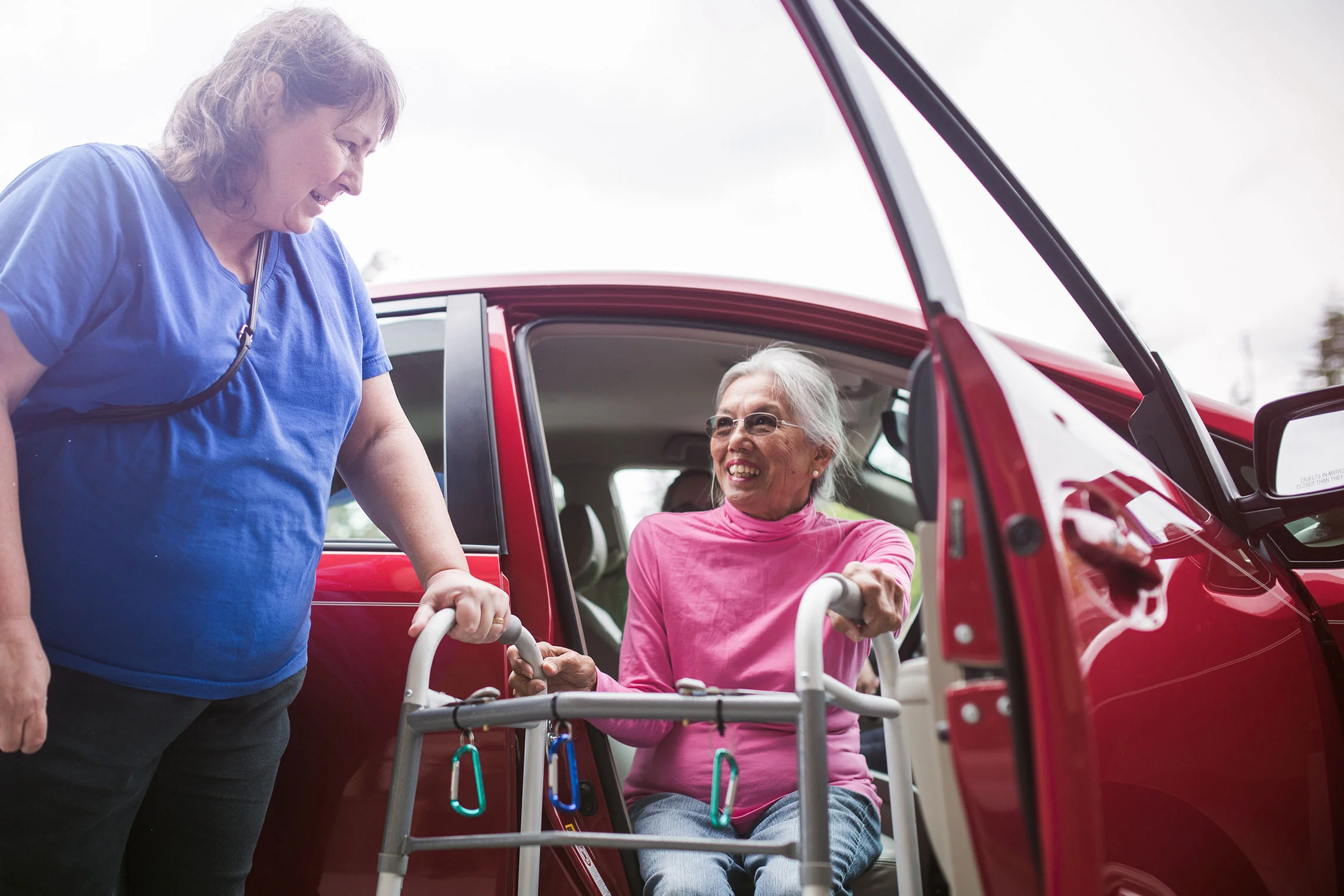
Affordable senior transportation is essential for maintaining independence and health. Without a reliable way to get to doctor’s appointments or buy food and household supplies, seniors can’t realistically remain in their homes as they age.

Social isolation is another big problem for seniors who don’t drive. It causes poorer quality of life and contributes to earlier death.Having access to affordable transportation keeps older adults connected with family, friends, and their community.

To keep seniors healthy and active, we’ve rounded up transportation options that help seniors get around.


1. County public transportation services for seniors
Most counties across the U.S. offer free or low-cost public transportation services designed for seniors who need door-to-door rides.

The best way to find these programs is to call your county’s Area Agency on Aging. They’ll connect you with available local programs.

The  ElderCareLocator is another way to find local government transportation programs – enter zip code in the search box at the top of the page.
 

2. GoGoGrandparent
GoGoGrandparent is a concierge service that connects seniors with on-demand ride services like Lyft and Uber. These services can have a car at your location in minutes.

Best for: Seniors who are able to get in and out of a car without assistance

Price: Riders pay the regular price for the on-demand ride plus an additional 19 cents/mile for the concierge service. On-demand ride fares vary, but are generally lower than taxi rates.

How it works:
Use any touch-tone phone to call the toll-free number and arrange a ride
Live operators are available 24/7
For safety, rides are monitored and drivers are screened
Notifications about the ride are available for family members via text message
Walkers and foldable wheelchairs are no problem


3. Lyft
Lyft is a popular on-demand ride service that can have a car at your location within minutes.

Best for: Independent seniors who are comfortable using smartphone apps and can get in and out of a car without assistance

Price: Varies, but is generally lower than taxi rates.

How it works:
Download and set up the Lyft app on your older adult’s smartphone
Use the app to book a ride and pay automatically by credit card when the ride is finished
Special service for seniors: Concierge service (no smartphone required) is available through Lyft partners like assisted living communities, health organizations, etc. Ask local organizations if they partner with Lyft.

 
4. Veyo
Veyo is a company that partners with insurance companies and health facilities to provide non-emergency medical transportation that’s covered as an insurance benefit.

Best for: Seniors who need transportation to medical appointments and those who need a special vehicle to accommodate a wheelchair or stretcher

Price: Free, if their insurance company offers Veyo as a transportation benefit

How it works:
Ask your older adult’s insurance company if Veyo is one of their transportation benefits – if yes, they’ll help you schedule rides
Seniors and caregivers can’t sign up for the service or arrange rides – only a health organization partner can arrange rides
 

5. iTNAmerica
iTNAmerica is a national network of senior ride companies that offer door-through-door transportation. The number of locations is limited, but it’s a great option if it’s available in your older adult’s area.

Best for: Seniors who need assistance in and out of the car and through the door to their destination

Price: Rates are affordable, but pricing varies depending on the local affiliate

How it works:
Contact local offices for more information and to schedule rides


6. Hire a Caregiver to drive your Senior
Here's a link with tips if this is something you would be interested in.
6 Tips for Hiring a Caregiver to Drive Your Senior


This article can be found at:
https://dailycaring.com/6-affordable-senior-transportation-options/?utm_source=DailyCaring&utm_campaign=30556f292c-DC_Email_2019-04-16&utm_medium=email&utm_term=0_57c250b62e-30556f292c-123200633
Tour at NEW Morningstar of Arvada

20190415_135555.jpg

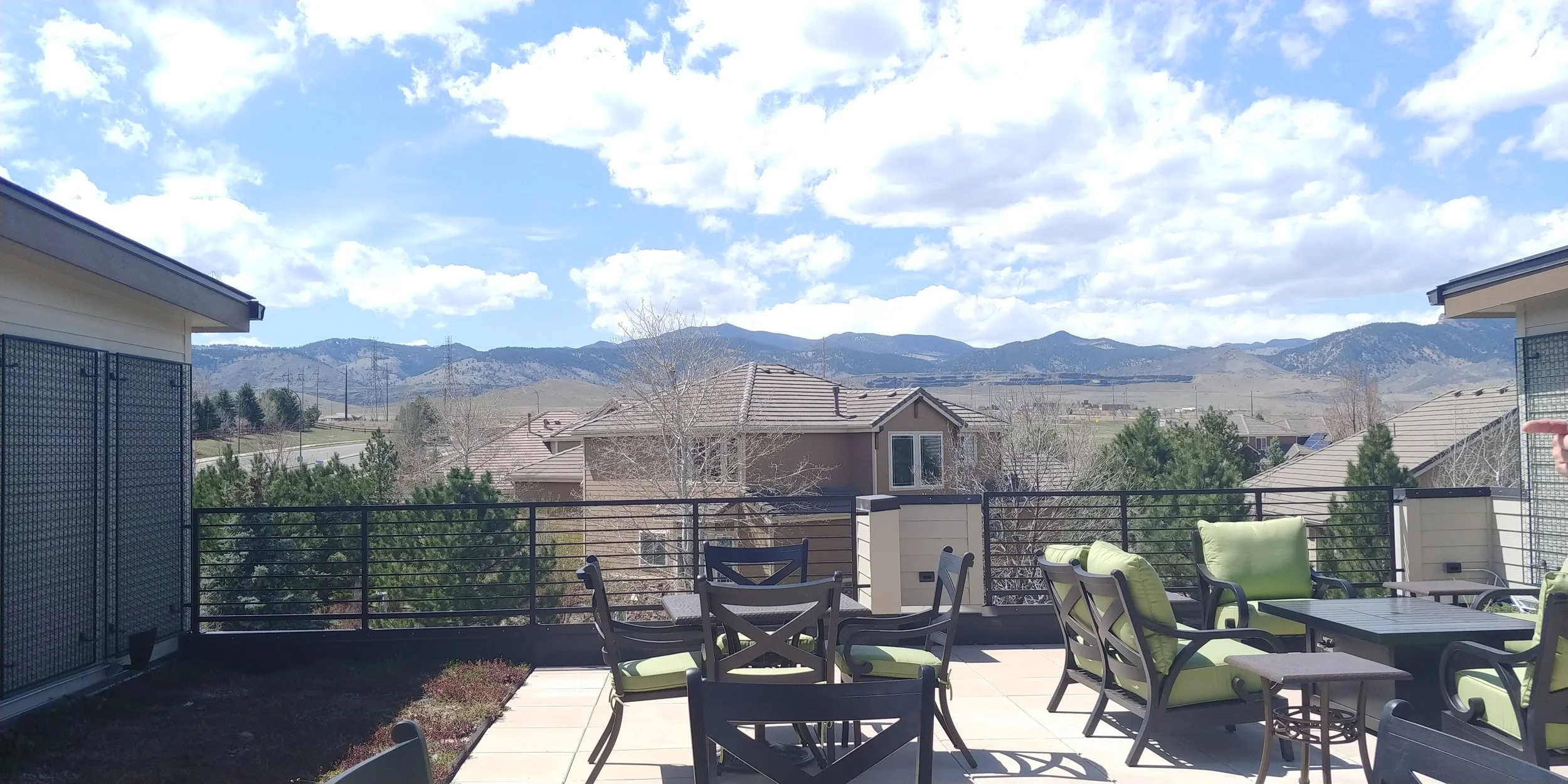
Check out these Views!

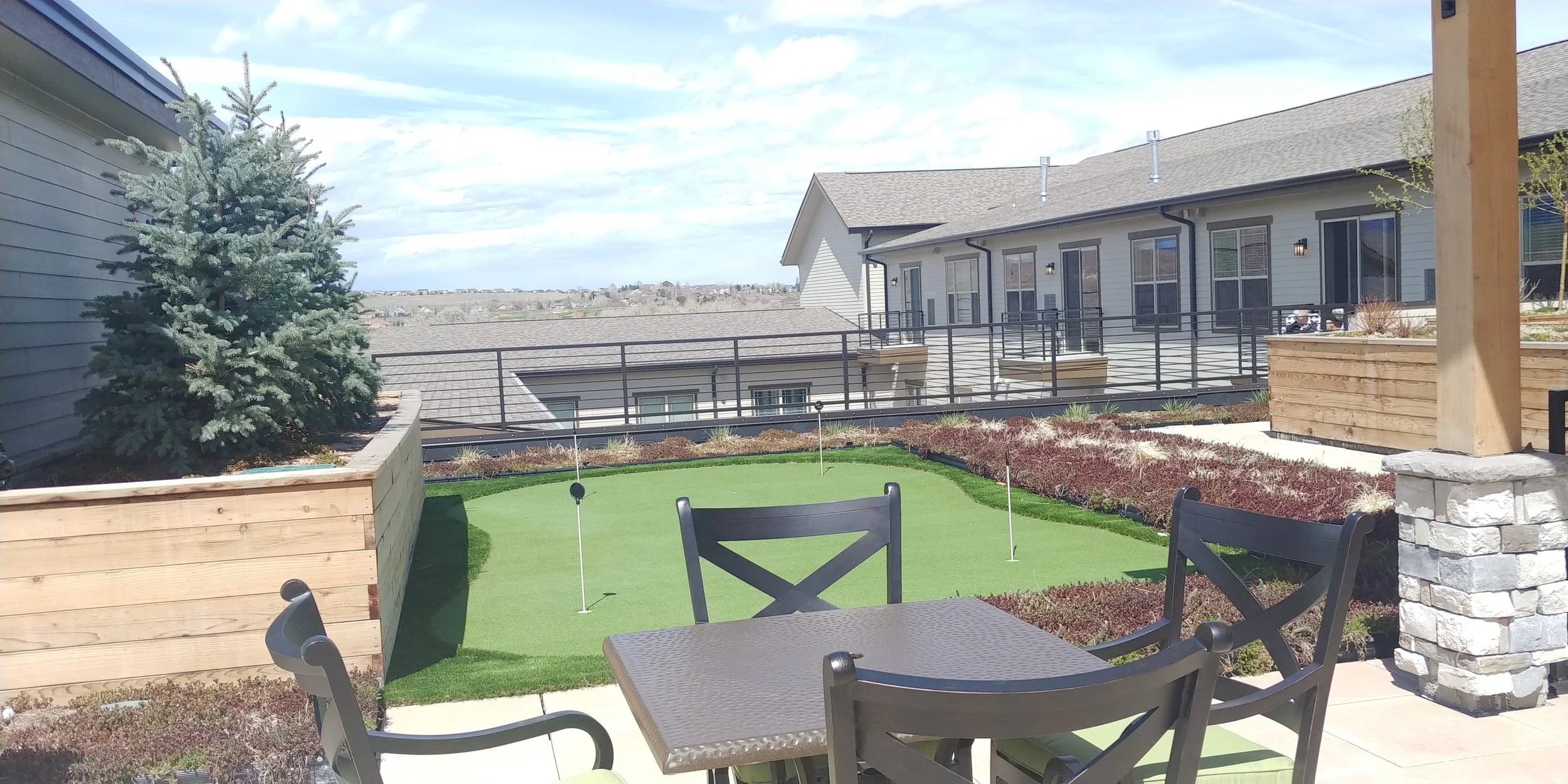
Morgan and her clients had an amazing lunch and tour with Shirley Raycraft at the brand new Morningstar of Arvada. 

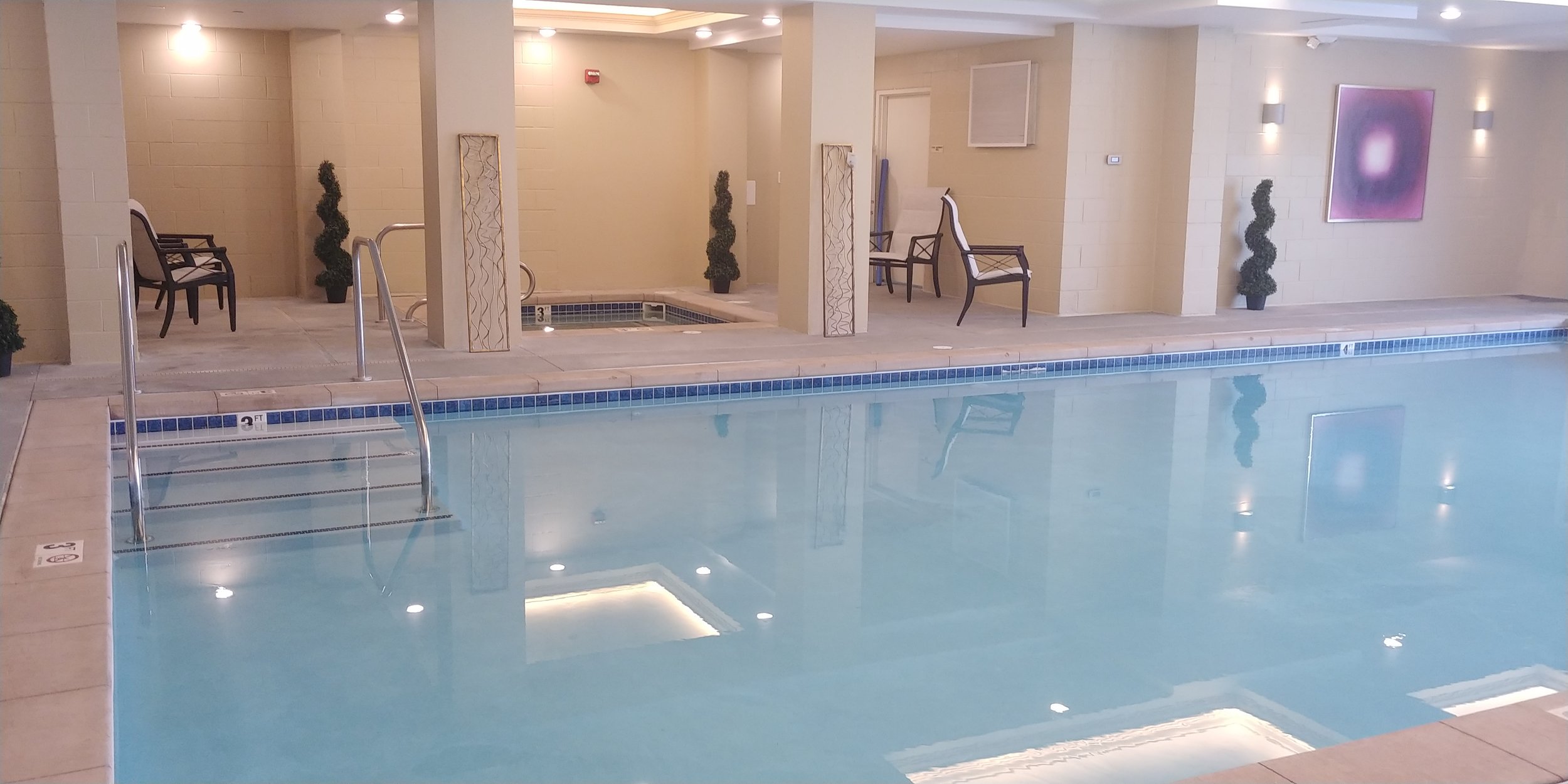
The community is full of wonderful amenities! The view from the roof top deck is picturesque. And the warm water saline pool offers a helpful alternative for leisure and exercise. 
We had a delightful afternoon getting to know this community! 

Thank you, Shirely and your wonderful colleagues. 


Check out all of Morningstar's great locations:
https://www.morningstarseniorliving.com/

20190415_140132.jpg
20190415_135616.jpg

FREE TRAINING- Addressing a New Epidemic: Bullying Among Older Adults

older-woman-depressed.jpg

FREE TRAINING: May 9, 2019
Addressing a New Epidemic: Bullying Among

Older Adults

Presented by:
Robin P. Bonifas, Associate Professor and Associate Director for Curriculum & Instruction, Arizona State University School of Social Work.


Overview
This presentation provides a foundation for participants to understand peer-to-peer bullying and other antagonistic behaviors among older adults and to learn about promising interventions to address such behaviors, along with opportunity to discuss specific issues occurring within their organizations.

Thursday, May 9, 2019
Training 1:00 pm - 4:00 pm
Aurora City Hall, City Council Chambers
15151 E Alameda Parkway, Aurora, CO


Please arrive at 12:30.
Absolutely no food or drink is allowed into the City Council Chambers.
*Professional development CEU’s are available.

Professionals Who Should Attend
Social work practitioners, medical, psychologists and mental health, legal/judicial, law enforcement officials and personnel, home care placement agencies, court-appointed guardians and conservators, community-center board staff and clergy. All of the above – whether paid or unpaid.

CCERAP provides training at no cost, thanks to financial support from the Older Americans Act, disseminated by the Colorado Department of Human Services, State Unit on Aging.

LIVE STREAMING INSTRUCTIONS
Live Streaming, to be used only by people outside the Denver Metro Area:
AuroraTV.org and click on the “Live” window in the upper left quarter of the page.


More Details


What is Bullying?
We will review the definition of bullying, the range of incidents that commonly occur, characteristics of older individuals who bully their peers, characteristics of older individuals who are the targets of peer bullying, and the impact bullying has on older adults.

Ways to Prevent Bullying?
Primary emphasis is given to a multi-level intervention framework for addressing buying in senior housing and senior service setting and easy-to-implement interventions that providers have found useful in minimizing such behaviors.

What Are Your Challenges?
Participants will have an opportunity to discuss specific difficulties they are having in their own organizations and receive feedback from the presenter and from one another.

About the Panelist
Robin Bonifas, Ph.D., MSW.
Associate Professor and Associate Director for Curriculum & Instruction, Arizona State University School of Social Work. Author of Bullying Among Older Adults: How to Recognize and Address an Unseeen Epidemic (Health Professions Press, 2016).

Robin received her master’s and doctoral degrees in social work from the University of Washington. She was named the John A. Harford Faculty Scholar in Geriatric Social Work in 2011. As a social gerontologist, she is focused on long-term care, elder abuse, and the resilience of older adults.


Please Register to attend using this link:
https://www.eventbrite.com/e/addressing-a-new-epidemic-bullying-among-older-adults-registration-60276090409


If your feet hurt, should you see a doctor?

istockphoto-864997852-612x612.jpg

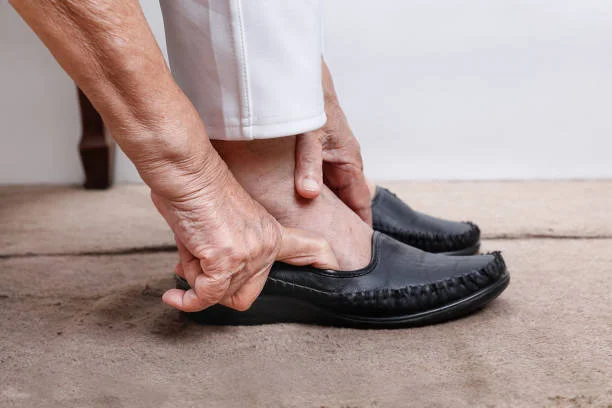
Your feet can give you problems at any time oflife, but it’s especially an issue as we age.

Your feet hurt. It’s painful to walk. You’ve started limping. Your shoes don’t seem to fit right any more.

Dr. William Montross, a podiatric surgery specialist with UCHealth Podiatry Clinic – Printers Park, has seen it all in his 25 years as a podiatrist. But he especially sees escalating issues in older patients.

“The No. 1 thing I see with the elderly is they’ve been active all their life and the natural padding in their foot has worn out, so they are literally walking on skin and bones. Nerves get pinched. They’re more prone to plantar fasciitis and bone spurs. If they have a hammer toe or bunion, it makes those areas a lot more tender.

“It’s sort of like a bald tire,” he said.

The best solution to most foot problems is wearing proper shoes with good padding, he said.

“There are all types of padding you can buy over the counter, like Dr. Scholl’s gel cushions, or Sofsole shoe liners. You can go out and spend a lot of money on those hard, custom-made orthotics and they can actually make things worse. The Sofsoles are usually less than $20 a pair. I wear them myself.”


What happens if foot problems go untreated?
“Corns or bunions will just get worse and become more disabling. You become less active. It’s bad for your circulation and your heart. A lot of times it’s as simple as just getting the proper shoe and proper padding. Not all bunions require surgery, but today’s surgery is much better than is used to be and gets much better results.”

Another commonly untreated issue is arthritis, he said.

“A lot of times arthritis goes untreated because people think nothing can be done for it – but that is incorrect. There are a lot of things we can do, from shots to surgery. Foot care options have come a long way,” Montross said.

Ankle arthritis, used to be treated by fusion or replacements, he said. Sometimes the outcome was less than desirable.

“Now the ankle replacements are so much easier and longer-lasting (10-15 years), so they are viable option.”


A need for immediate care
Some issues do require immediate attention, like ingrown toenails.

“Ingrown toenails can become infected,” he said. “If untreated, the infection can track down into the bone. That can require amputation of the toe.”

As drastic as that sounds “with today’s technology, even if you lose all your toes, you can walk pretty normally.  OK, you can’t do ballet, but you can do jazz and tap,” he said.

Surgery is rarely the first option he chooses. “Surgery is appropriate typically when you have exhausted all other treatments,” Montross said. Some problems are directly attributed to wearing high heels, he said.

“I have no problem with women wearing high-heeled shoes on special occasions, but not every day,” he said. “My opinion is that high heels make existing problems worse. Wearing high heels can exacerbate whatever’s going on. If you wear them two hours once a week to go out to dinner, that’s not a problem. But if you wear them eight hours every day ….”


Peripheral neuropathy
A problem he and other physicians are seeing more of is peripheral neuropathy.

“It definitely is more common than it used to be – mainly because more people are diabetic,” he said. But there also is idiopathic neuropathy, and “we really have no idea what causes it. Could be from a trapped nerve, or just gosh awful bad luck.”

He’s seen the commercials on TV where clinics claim they can cure it.

“There is nothing that is really proven to fully cure it. You can control it with good diet and good shoes. Vitamins and creams and salves may help. Some medications can help. Nothing so far is super-promising, though.”


What are some things you can do to keep your feet healthy?
“Staying active is good for you. It keeps your circulation going,” he said.

“Moisturize your feet every day, or at least a few times a week. A lot of people, when they have dry skin, soak their feet. But that can actually pull out more oil and make them drier. Then they put in Epsom salts – it’s the worst thing you can do for dry skin.”


Regular foot care
It’s a good idea to have a regular foot care regimen at any age, he said.

“Obviously, clean them daily, especially between the toes. You can build up dead skin and tissue – a feeding ground for fungus. Think of it as toe-flossing,” he added. And apply lotion to your feet when you need to – at least once or twice a week. The right shoes are vital to foot health, he said.

“Wear the proper shoes for the occasion. Don’t wear flip-flops to hike,” for example.

In Colorado’s outdoorsy culture, walkers and hikers should have shoes suitable for those activities.

“Wear what’s comfortable for you and appropriate for the activity,” he said. “Some think a certain brand Is best, but as long as a shoe fits right it’s OK.”


The right size shoe
He recommends getting your feet measured at least once a year for the
correct size and fit.

“Your feet get wider and longer as you age,” he noted. “So don’t cram a size 9 foot into a size 8 shoe.” Cost isn’t necessarily the most important factor, he said.

“Our feet are our foundation, Montross said. “If your feet are off, it can make your ankle or back go off. I had one patient who, after his feet got better, his migraines stopped. Your feet can affect your whole body. If you start limping or favoring a foot, it can throw your whole body out of alignment.

“So take care of ‘em. They need to last you a lifetime.”


This article was originally published at:
https://www.uchealth.org/today/2019/04/03/if-your-feet-hurt-should-you-see-a-doctor/?utm_source=email&utm_medium=UCHealth%20Today&utm_campaign=If%20your%20feet%20hurt%20should%20you%20see%20a%20doctor%3F

S.A.G.E. Seniors Aging Gracefully with Exercise

526312151_XS.jpg

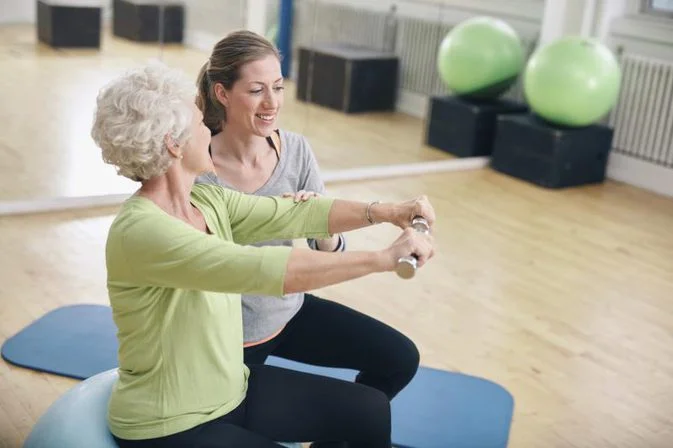
We wanted to feature a partner in our community that aids in keeping seniors healthy and independent. They have just relaunched a brand-new website. Be sure to check it out! 

The SAGE Program:

Promoting Independence Through Functional Fitness

Our Main Focus Is Your Health And Well-Being
Our mission is to offer an exceptional service that is preventative and can significantly impact a positive change in the lives of older adults. We have a passion for, and a strong commitment to the aging population recognizing the importance of health and fitness for all.


Their services are:
One on One
Mobile
Consistent Over Time With A Set Schedule And A Familiar Face
Provided By Well Qualified Trainers
Customized Based On Our Free Functional Fitness Assessment


The website is beautiful and has tons of information about the specifics of their program as well as testimonials, and the ability to sign-up for a FREE in home assessment!

https://www.functionalaging.com/
 

Boot camp after 60: 10 steps to turn around unhealthy habits

is_150724_elderly_exercise_800x600.jpg

“People do financial planning for retirement, but what about retirement health planning?” 

It takes moxie to flip an unhealthy lifestyle to a healthy one — particularly for folks over 60.

Most baby boomers approach retirement age unwilling to follow basic healthy lifestyle goals established by the American Heart Association, said Dr. Dana King, professor and chairman of the department of family medicine at West Virginia University, referencing his university’s 2017 study comparing the healthy lifestyle rates of retired late-middle-aged adults with rates among those still working.

Kaiser Health News interviewed three other prominent experts on aging and health about how seniors can find the will to adopt healthier habits.

“People do financial planning for retirement, but what about retirement health planning?” King said.

Motivated seniors can begin by following KHN’s 10-step program:
 

1. Buy great sneakers. Purchase a pair of top-quality sneakers specifically designed for walking, said Carolyn Rosenblatt, founder of AgingParents.com, who started participating in triathlons at age 63 and continues to do them at age 70. Start by walking around the block. Expand that to 30-minute walks at least three times weekly — or set a goal to increase your walking distance 10 percent each week. And leave your sneakers by the front door.

2. Practice your balance. The best way to avoid falls is to retain a good sense of balance, said Rosenblatt. Practice standing on one leg with your eyes closed for at least 30 seconds.

3. Improve your breakfast. Stop eating the sweet roll with coffee. Consider substituting a home-blended smoothie with a banana, seasonal fruits, almond milk and protein powder or a protein patty without sugar. And cut out excess sugar in all your meals, said Rosenblatt. Replace soda with seltzer water.

4. De-stress wisely. Find ways to manage your stress that don’t involve food, alcohol or smoking. There are lots of meditation programs you can download on your phone and listen to for even 10 minutes, said Rosenblatt.

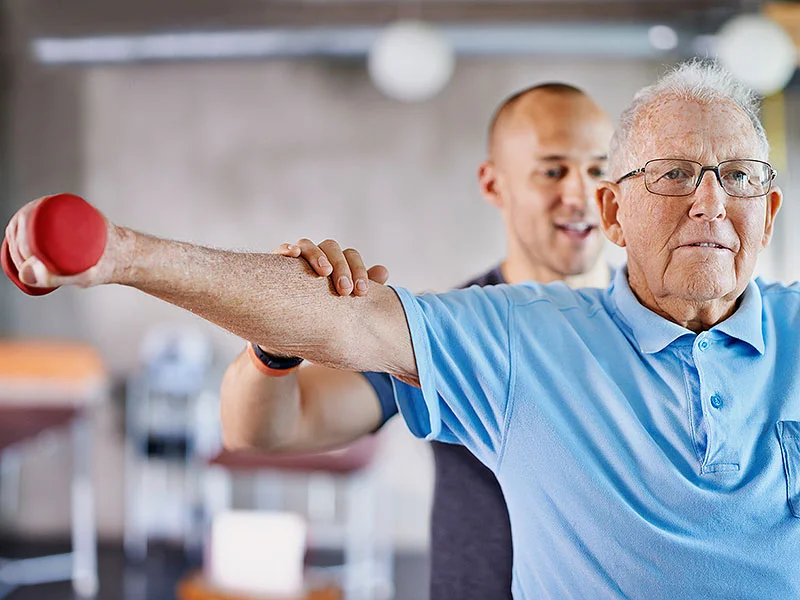
5. Practice resistance training. To keep your muscle mass from disappearing, do resistance training by lifting dumbbells or barbells or using weight machines, said Kay Van Norman, owner of Brilliant Aging, a consulting firm for healthier aging. “Your muscles are amazing, but if you don’t use them, you lose them,” she said.

6. Hit the floor. Aging adults need to regularly practice getting down on the floor and standing back up again. “If you don’t get down on the floor and back up, you won’t be able to do it after a while,” said Van Norman.

7. Challenge your speed. While it might not seem as if folks over 60 need to worry about exercise that involves speed and intensity, they do, said Van Norman. “Most people don’t even think about speed in order to stay healthy. But tennis players are doing that all the time. You need to do something to challenge your speed, not just your power.” That’s why sports like tennis can be terrific as you age, she said.

8. Believe in yourself. Faced with self-doubt and depression after several tragic, challenging events, Sharon Sultan Cutler, 71, turned to therapy to help her feel better about herself. “The first person you have to believe in is yourself,” said Sultan Cutler, an author. “People like to be around other people who believe in themselves.”

9. Tackle a project. Pick a project that has meaning to you. Sultan Cutler opted to co-author (with two other writers) her first book, “Bandstand Diaries: The Philadelphia Years, 1956-1963,” an inside look at her once favorite TV show, Dick Clark’s “American Bandstand.” Never mind that she’d never written a book before. Now she’s on her third book, “Your New You After 65: Valuable Advice to Inspire Your Awesome Aging.” “It’s like having a daydream that you can actually make happen,” she said.

10. Embrace self-improvement. Some call this lifelong learning. Living a healthier lifestyle requires constant learning and self-improvement, said Sultan Cutler. Seek out local learning resources like community colleges, where classes are often steeply discounted for seniors, she said. “Self-improvement isn’t just physical. It’s mental, too.”


This article can be found at:
https://www.nbcnews.com/health/aging/boot-camp-after-60-10-steps-turn-around-unhealthy-habits-n964506


Tomorrow is the final workshop! Changing the Narrative Ending Ageism. Together.

Final_RCF_ChangingTheNarrative_Logo_Primary_Full-Color-1.jpg

Do you work with, advocate for or communicate about older adults, aging and ageism?

Are you a policy-maker who cares about older adults and wants to advance age-friendly communities?

Are you someone who cares about addressing ageism?

You will learn about what ageism is, and how when ageism is directed against older people, the harmful effects it has not only on older people but also on our communities and the economy.

It's not too late to register, please visit:

https://www.eventbrite.com/e/changing-the-narrative-about-aging-workshop-june-2019-registration-59732430307?aff=erelexpmlt

To find out more about Changing the Narrative:

https://changingthenarrativeco.org/

ctn_workshops_jan-feb-march-april2019-page-001.jpg

Colorado Rockies Senior Stroll

cut.jpg

Opening Day for the Colorado Rockies has arrived! The home opener for the Rockies is a notoriously rowdy day but Coors Feild has designated a specific game just for Senior fans.

The Senior Stroll is package with the special opportunity for fans 55 years and older to come see the Rockies and receive exclusive access down on the field after the game to walk the bases!

Colorado Rockies vs. Los Angeles Dodgers
Sunday, August 12 at 1:10pm

Your Senior Stroll Package includes the following:

A ticket to watch the Rockies take on the Los Angeles Dodgers
Exclusive, post-game field access to walk the bases!

Promo Code:
STROLL


If you have any questions or comments, please contact our dedicated accessibility Customer Service at access@website.mlb.com and at 866.239.1284

Get FREE tax prep help for Seniors from the IRS

bigstock-Elderly-And-Disabled-Taxes-2724289.jpg

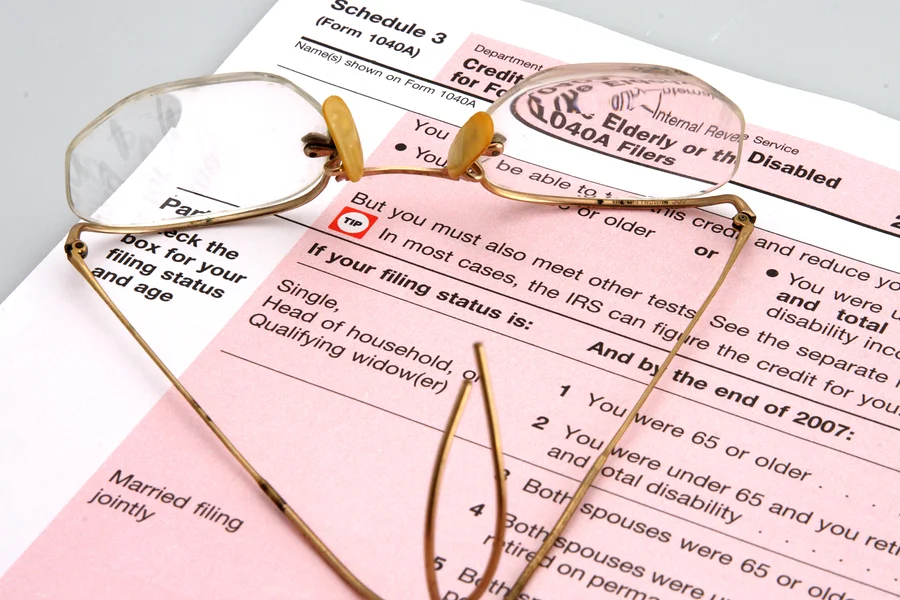
Tax time is here again! Daily Caring put together this helpful article if you or a senior you know is in need of tax assistance.

Tax time is a pain for everyone, but even more so if you also need to help your older adult with their taxes, which could be complex.

Many seniors have pensions, pre-death life insurance benefits, IRA or 401K savings, or other financial assets. This can make preparing and filing taxes more complicated.

To make doing taxes less painful, you may want to consider getting expert help from an IRS-sponsored tax center at no charge.

We found two IRS-sponsored programs that offer no-cost tax help, show how to find a location near you, and recommend three important things to do before visiting one of these tax centers.
 

2 places to get free, expert tax preparation help for seniors

These two free programs are sponsored by the IRS. The IRS-certified volunteers who provide tax counseling are often retired individuals associated with non-profit organizations that receive grants from the IRS. They’re great places to get qualified tax help at no charge.

1. Tax Counseling for the Elderly (TCE) program
The Tax Counseling for the Elderly (TCE) program offers free tax help for all taxpayers, especially those 60 years or older.They specialize in questions about pensions and retirement-related issues that are common among seniors.
 

2. Volunteer Income Tax Assistance (VITA) program
The Volunteer Income Tax Assistance (VITA) program offers free tax help to people who generally make $55,000 or less, persons with disabilities, and limited English speaking taxpayers.

For those that qualify, IRS-certified volunteers help with basic income tax return preparation and electronic filing.


Find a local TCE or VITA tax help center

Use this IRS locator tool to find a TCE or VITA tax help center near you.

After entering your zip code, you’ll see information about nearby locations and important details like what languages are offered and whether or not you’ll need to make an appointment.


3 things to do before visiting a TCE or VITA tax help center

1. Make sure the services you need are offered by TCE or VITA
Before considering getting help from TCE or VITA, check here to make sure the services you need are offered.
 

2. Call ahead to make sure volunteers are available to provide needed services at that location
Call ahead to make sure the local VITA or TCE center has available volunteers that can provide the specific services needed for your older adult’s tax situation.Because each location depends on volunteer expertise, they can’t guarantee having every service at every location.
 

3. Bring all necessary documents
Review the information on the IRS’ What to Bring page to make sure you have all the required documents and information. The volunteers will need this in order to help your older adult with their taxes.


To read the original article posted by Daily Caring:
https://dailycaring.com/free-tax-preparation-help-for-seniors-from-the-irs/?utm_source=DailyCaring&utm_campaign=cc814472ce-DC_Email_2019-03-06&utm_medium=email&utm_term=0_57c250b62e-cc814472ce-123200633


Check out Walk2Connect. Their April Calendar is already packed!

istockphoto-641834040-612x612.jpg

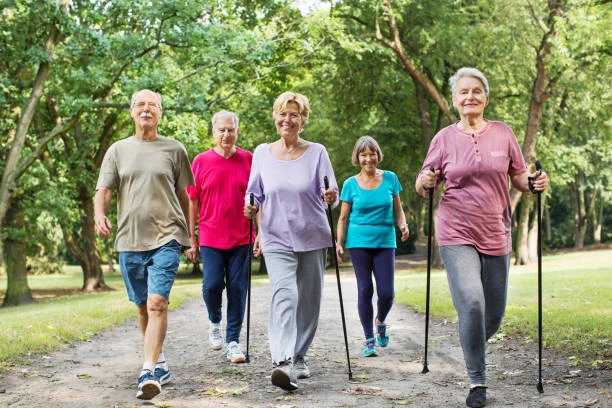
Walk2Connect features a website with a walking event calendar. You can use search features to find walks located near you.

Walk2Connect is an innovative worker-owned cooperative working to create whole-health walking programs focused on connection to others, to the places we live, and to ourselves. They have thousands of individuals and a growing variety of organizational/governmental partners. Their social enterprise model works hard to help people and communities become healthier and more connected while also advancing awareness on the importance of walkable community design and the pedestrian experience.

What's great about this site is that it goes beyond finding a walking group that is simply close by, there are also detailed descriptions of the walks.
Details include:
- DISTANCE
- PACE (such as slow and gentle or conversational)
- TERRAIN (paved, gravel, uneven sidewalks)


As well as a description and even pictures of the groups. Such a neat way to get out, stretch your legs, meet new people.

Check out all the walks already scheduled for April!

http://www.walk2connect.com/events/2019-04/

Hobbyists Find New Following on Social Media

The Loving Artist: Chan Jae Lee, 76

The Loving Artist: Chan Jae Lee, 76

I’m a Korean grandfather who was living in Sao Paolo, Brazil. I have three grandchildren. Two live in South Korea (where I now live); one is in New York City. I had nothing to do, so I started drawing for them and posting the pictures on Instagram. What was meant only for the family grew bigger than I ever imagined. Some drawings get 10,000, 20,000, even 40,000 likes. In Asia there is a saying: “We can only be heartfelt with what comes from the heart.” In my heart, there’s so much to share — melodies, stories, ideas, wishes, wisdom. I’m just happy I found a way to share it with my grandchildren and with the universe. Follow @drawings_for_my_granchildren on Instagram

9-3.jpg
th (4).jpg

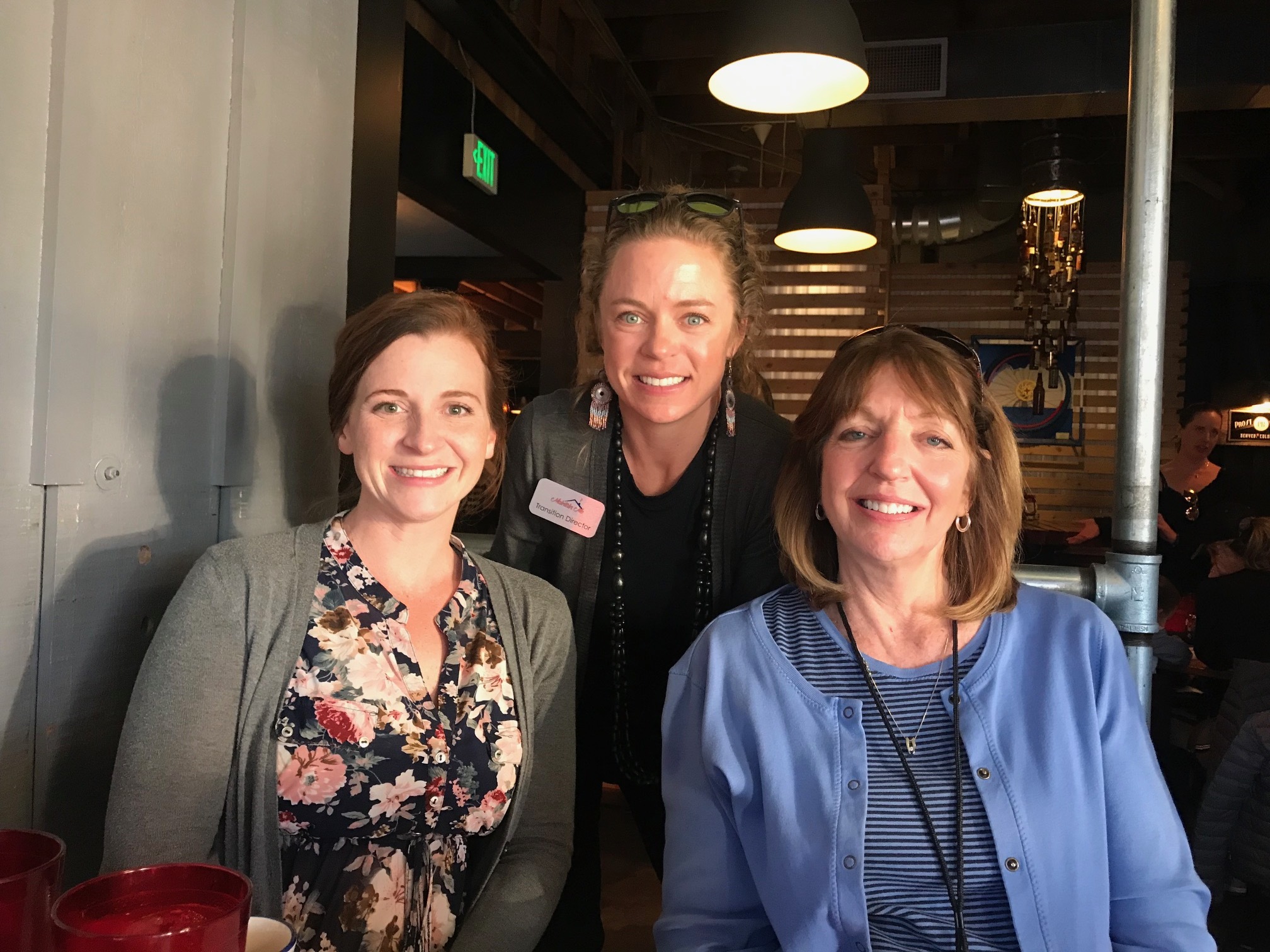
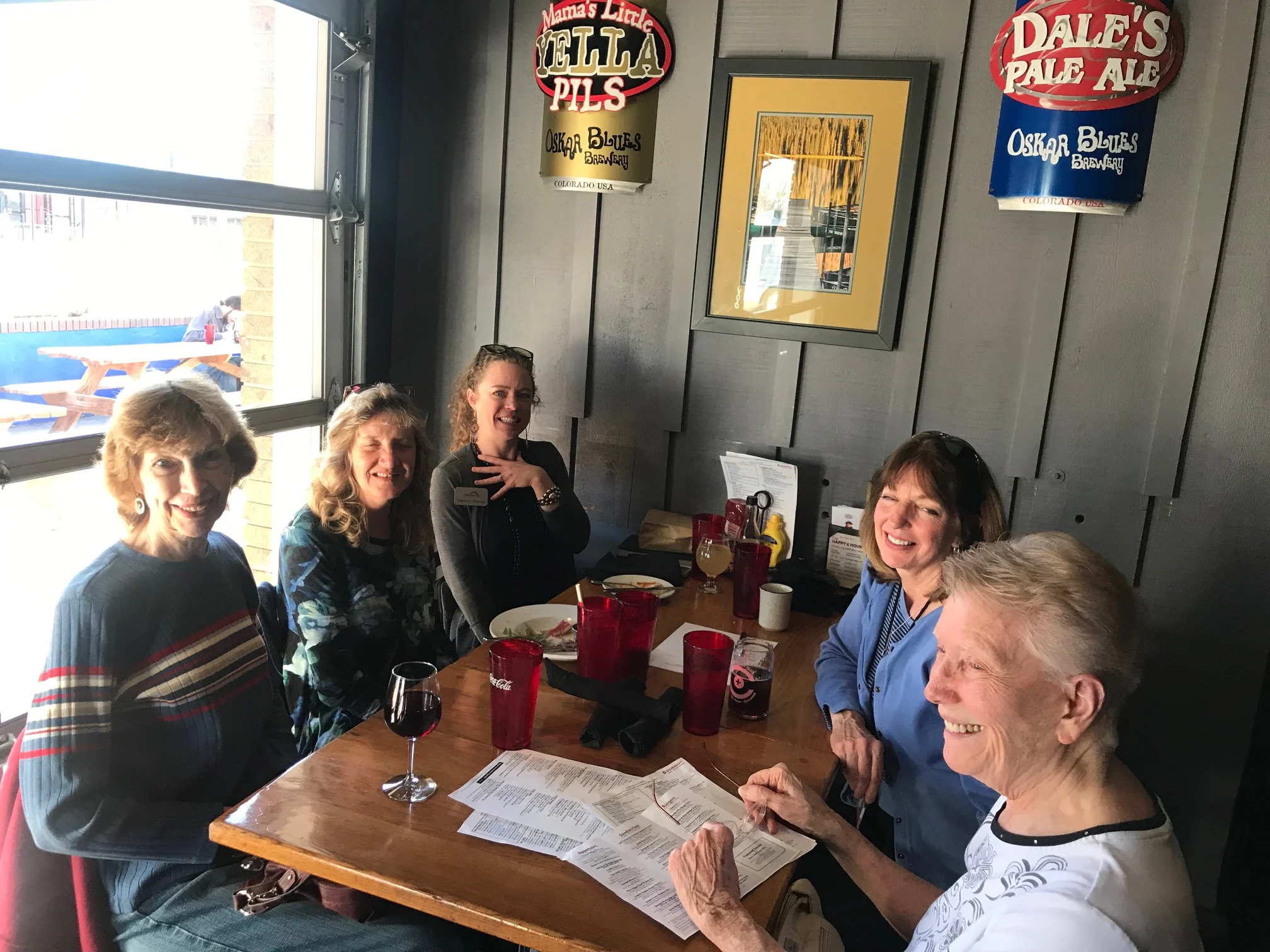
Our first Transition Cafe was a success!

image3.jpeg

What a great way to spend a Wednesday afternoon. It ended up being a small group which allowed for a lot of great conversation. We are already looking forward to next month. Stay tuned for the date of our April Transition Cafe! 

image2.jpeg
image1 (1).jpeg


Sunshine Home Share Colorado: Updated March 2019 List

th.jpg

March 2019 Updated Active Home Sharing Providers

If you or someone you know is looking for affordable housing, home sharing could be the perfect solution. Sunshine does not carry a waiting list as matches are based on "goodness of fit" and many factors go into making a safe, thoughtful, compatible match.

Sunshine Home Share Colorado is a nonprofit organization helping home owners above the age of 55 age in place. We look to build relationships within the community by thoughtfully and safely matching a home owner with a home seeker of any age looking for affordable housing and purposeful living. Home sharing creates a mutually beneficial relationship, exchanging supportive services (lawn mowing, household chores, etc.) and companionship for affordable rent.
 

All clients must apply, be willing to participate in a comprehensive screening and vetting process, pass a back-ground check, and have verifiable income.  Call 303-859-8311 or visit our website at www.sunshinehomeshare.org  for more information.


Centennial: Large single family home 4 BR/2 ½ BA. Rent is $600/month including utilities. Large shared living space, kitchen, spacious backyard and patio. Home Provider has one small dog. No service exchange required.

Client ID 38.


Lakewood: Single family home 2 BR/2 BA.  Rent is $500/month including utilities. Living space and kitchen are shared. Bedroom is furnished, private bathroom. Large backyard and outdoor living space. Service exchange includes light house keeping and yard maintenance.

Contact ID 40.


Littleton:  Age restricted (55+) apartment 2 BR/2 BA. Rent $400/month including utilities. Furnished bedroom (can be unfurnished) and private bathroom. Laundry on apartment floor. Service exchange includes helping around the house (hanging up photos, repotting plants).

Contact ID 458.


Green Valley Ranch: Single family home 3 BR/2 ½  BA.  Rent $600/month including utilities. Large bedroom with a large closet and private bath. Room is furnished. No service exchange required.

Client ID 773.


Centennial: Duplex 2 BR/2 BA. Rent is $750/month including utilities. Private furnished bedroom and bathroom. The living space and kitchen is shared. Home Provider has 3 indoor cats. No service exchange required.

Client ID 774.


Denver: Age restricted (55+) apartment 2 BR/2 BA. Rent $300/month. Furnished bedroom and private bathroom with shared kitchen and living room. Home Provider has a small dog and a cat. Laundry in unit. Service exchange includes cooking dinner regularly, companionship, and helping with any uncommon mobility challenges.

Client ID 89.


Denver: Single family home 2 BR/1 BA. Rent $500/month. Shared bathroom and furnished bedroom. The living spaces and kitchen are shared. Home Provider has 2 cats. Service exchange includes help pulling lawn hoses in yard, watering plants, taking out the trash, snow shoveling, and pet care.

 Client ID 511.


Denver: Single family home 2 BR/2 BA. Rent $800/month. Unfurnished bedroom on main floor, private basement bonus room for Home Seeker’s use, and private half bath in basement. Shared kitchen, living room and dining room. Home Provider has one small dog. No laundry on site. No service exchange required.

Client ID 27.


Denver: Single family home 2 BR/1 BA. Rent $700/month. Furnished or unfurnished bedroom, shared bathroom, shared living space and kitchen. No service exchange required.

Client ID 857.


Arvada: Single family home 4 BR/ 3 BA. Rent $300-$500/month based on amount of service exchanged provided. Unfurnished or furnished private bedroom on second floor with private bathroom. Extra storage space available. Shared kitchen, living space, and sunroom. Large manicured backyard that backs up to Ralston Creek. Service exchange includes minimal meal preparation, help with gardening, and companionship.

Client ID 865.


Centennial: Single family home 3 BR/ 2 ½ BA. Rent $400/month. Unfurnished or furnished private bedroom on second floor with private bathroom. Shared kitchen and living space. Service exchange includes house keeping and potential yardwork and maintenance.

Client ID 872.


Littleton: Apartment 2 BR/2 BA. Rent $700/month. Unfurnished bedroom, private bathroom, shared kitchen and living space. No service exchange required.

Client ID 788.


North Glenn: Single family home 4 BR/2 BA. Rent $600/month. Unfurnished or furnished private bedroom on basement level floor with private bathroom. Shared upstairs kitchen and living space upstairs and in basement. No service exchange.

Client ID 881.


Denver: Single family home/Denver bungalow in Park Hill Neighborhood. 2 BR/1 BA. Rent $600/month. Unfurnished main floor bedroom with shared bathroom. Shared kitchen and living space, off street parking. Storage available in basement. No service exchange required.

Client ID 964.

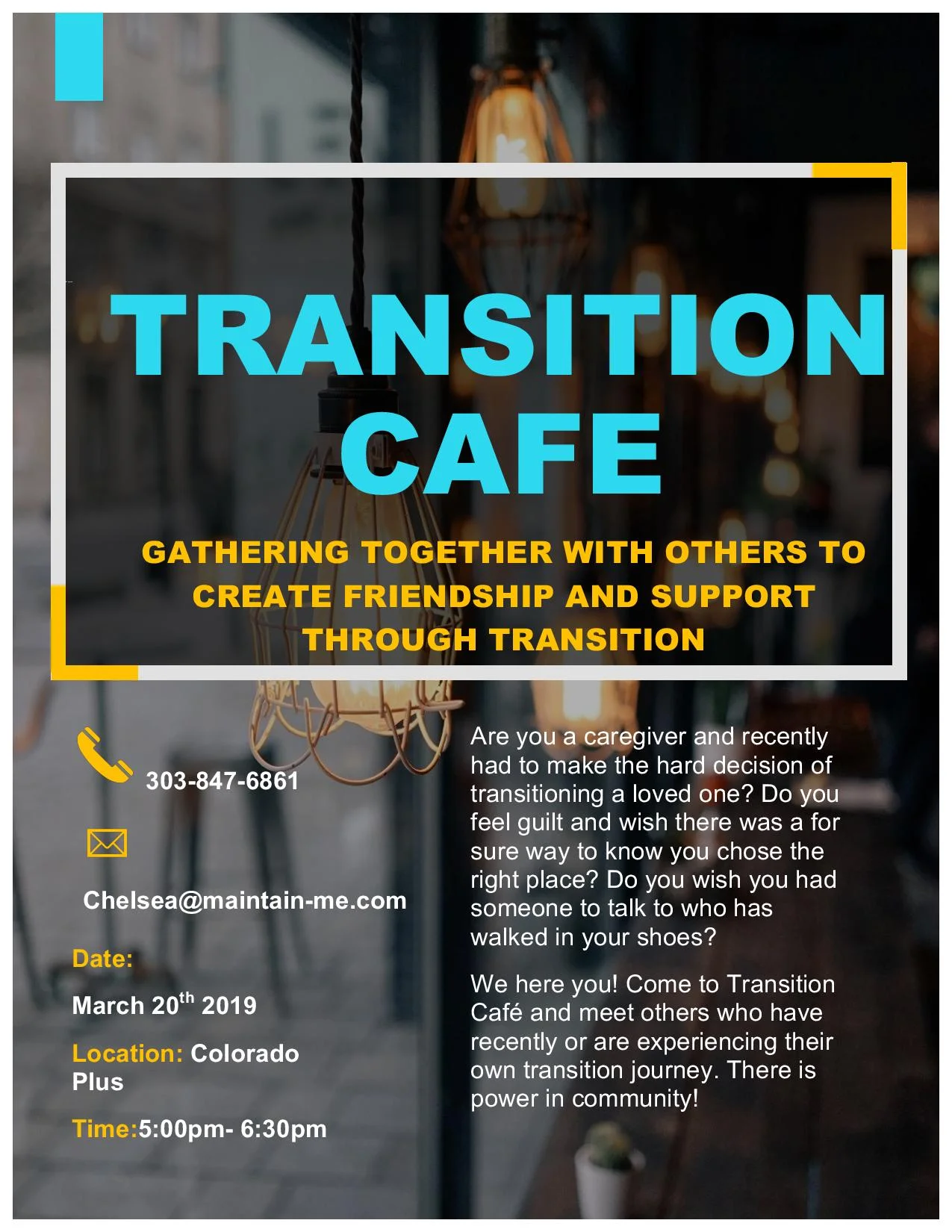
We are excited to host our first Transition Cafe this Wednesday!

March February Transition Cafe-page-001 JPEG.jpg

We are always trying to think of new ways to take our work one step further and Transition Cafe is our current project. We know the toll that transitioning a loved one can take on caregivers, spouses, family members.

Please share this with anyone you think might benefit from the opportunity to talk about their experience with others.  

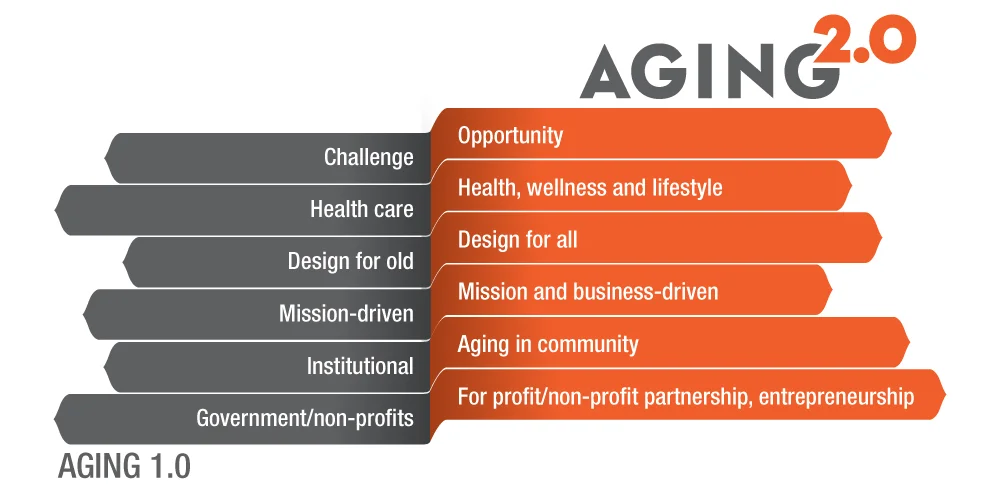
AGING 2.0 DENVER INNOVATORS MARCH MEETUP

stanford-center-on-longevity-design-challenge-201415-overview-deck-3-638.jpg

Celebrate the end of March and discuss 2019 event ideas with entrepreneurs, stakeholders and thought leaders. Join us for food, drink and fun. With 20+ rotating taps (19 of which are brewed onsite), great food and easy access to public transit and the highway, Blue Moon is an ideal place.

We're expecting perfect weather.  March came in like a Lion and therefore should leave like Lamb!  


NOTE: Attendees are responsible for their own food and drink tabs. 


When:
March 28, 2019 
5:30 p.m. - 7:30 p.m.

Where:
Blue Moon Brewing Company - RINO Taproom 
3750 Chestnut Pl 
Denver, 80216

HOSTS:
Karen Brown

IAGING/SENIORS MATTER
CEO

John Emerson
FLYING CLOUD HEALTH
President and General Manager


To purchase Tickets visit:
https://www.aging2.com/events/details/aging-20-denver-presents-aging-2-denver-innovators-march-meetup/#/
 

10.jpg

The Portrait Project

Group better.JPG

This story was recently featured on 9News and we think it can't be shared enough.

What a great way to teach a younger generation to connect and ask, "who is this person and what adventures did their life hold?".  So proud it was a project done right here in Colorado. This truly is a wonderful state that values its senior community. 

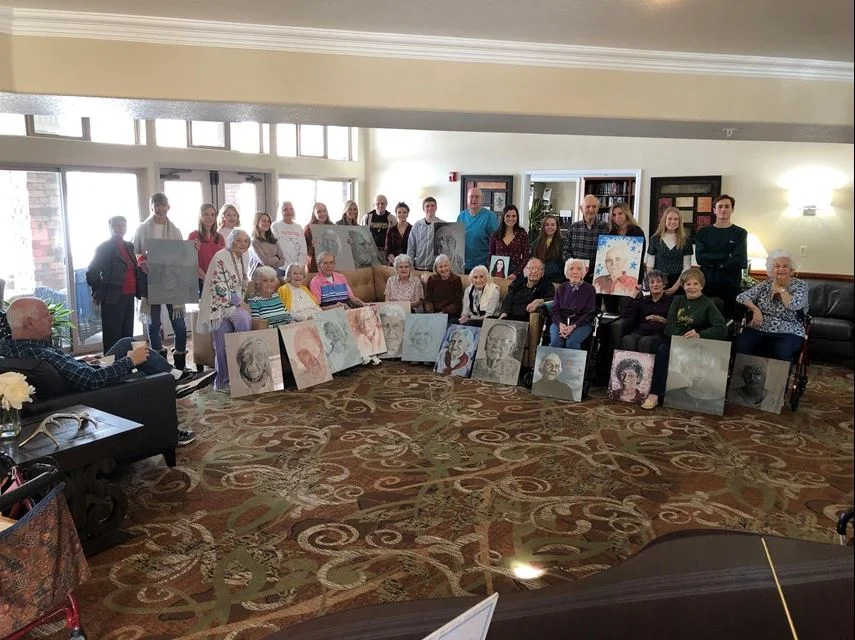
After months of work, art students reveal portraits of subjects they met at a retirement community. The portrait project is part art instruction and part history lesson.

Art students at Golden High School have been in portrait mode for months. Last November, they met their subjects at Golden Pond Retirement Community.

Thursday morning, they delivered their work during a return trip.

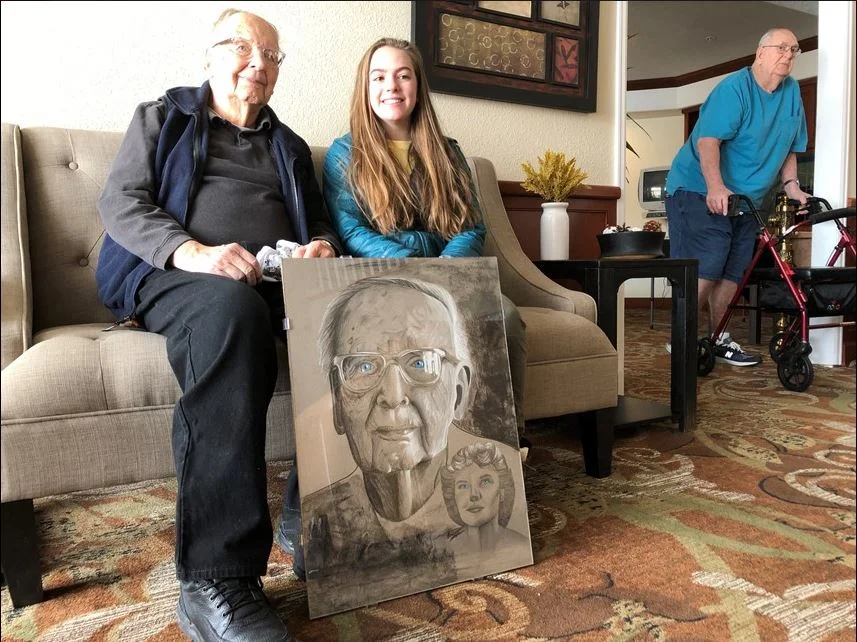
“I wanted to make it something that was special to him and something that he or his family would enjoy,” Golden High senior Madison Larson said. “I love getting to do portraits of people that I know.”


As part of the assignment, the students visited with residents of Golden Pond to get a feel for their personalities and their life stories.

Portrait feature.JPG

The subject of Larson's portrait – 92-year-old Bob Schuster – is a father of four.

The retired geologist and civil engineer has five college degrees and has worked in 40 countries and traveled to 60.

“He seemed like a very well-traveled soul, and like, he had been everywhere and seen everything,” Larson said. “But, what mattered most to him still was his family. So, that’s why I wanted to include his wife in the picture.”

Larson is one of about two dozen art students who created portraits after meeting with retirement community residents.

Each portrait now belongs to the people picture, or their families.


To view all the amazing portraits visit the 9News site:
https://www.9news.com/article/news/local/next/after-months-of-work-art-students-reveal-portraits-of-subjects-they-met-at-a-retirement-community/73-fd60e818-02e9-4934-a987-7e144848415c