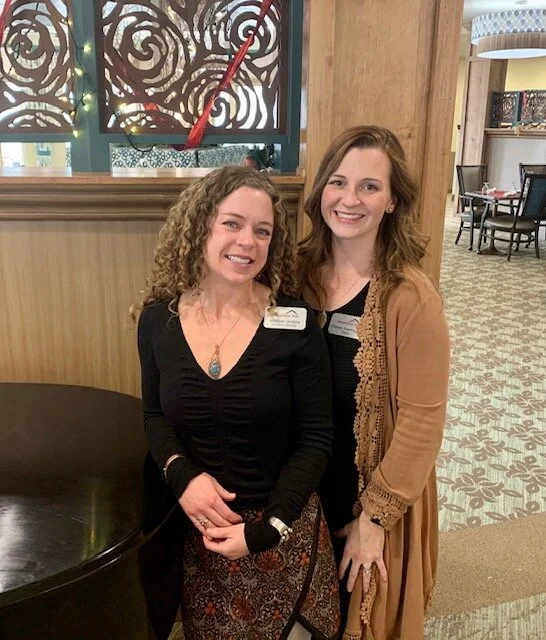
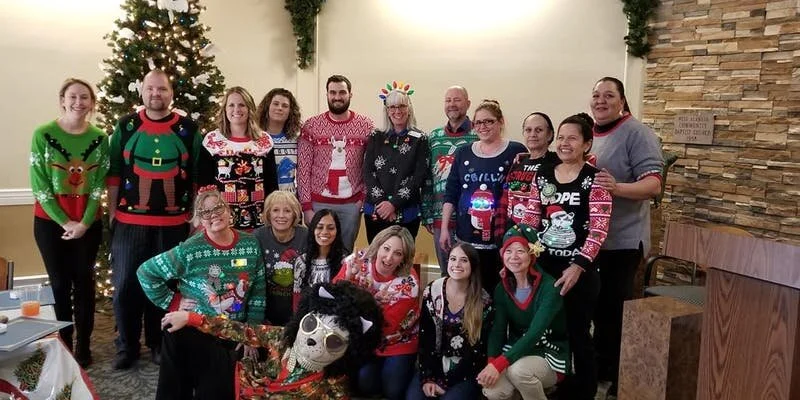
GDPRA Holiday Event

GDPRA Holiday.jpeg

And that's a wrap on 2019!

What an amazing year its been serving as members of the National Placement & Referral Alliance.

There is a growing need to bring professionalism and best practices to our industry. Placement services offer an invaluable service to families. The local NPRA of Greater Denver chapter is working diligently to develop additional best practices for the NPRA of Greater Denver chapter and hold placement services accountable in Greater Denver and throughout Colorado.


We would like to give special thanks to Rosemark Senior Living for hosting the event and providing
some amazing food!


To find out more about the Greater Denver chapter, become a member, see upcoming events or check out the blog please visit:
https://npralliance.org/gdpra/

Holidays and the Elderly: What to Watch For

senior-care_holiday-blues-88.jpg

AARP suggests you can make the most of the holidays by using the time with your elderly loved one to assess
how they’re faring.

It recommends considering areas such as mobility, health, and finances. These are all problem spots that can contribute to depression when difficulties arise.

You can pick up on clues that something may not be right. Sometimes the signs will be obvious, such as when hygiene or home care has clearly been neglected or when the person is obviously confused or malnourished. Other times, the clues may be more subtle. Here they share some of the signs you can watch for, which may indicate concern:

  • Rotten or expired food in the fridge/pantry, increased convenience or junk food (signs that the elder is having trouble fixing meals), weight loss

  • Minor injuries, bruises or cuts

  • Forgetfulness, signs of missed appointments or “covering” for memory loss (changing the subject quickly when an oversight is mentioned, vague conversations, trouble finding words, etc.)

  • Signs that the person is withdrawing from normal activities

  • Limiting activity to one room/area

  • Unsteadiness when walking or “furniture walking”

  • Changes in personality or mood


During your visit Help with specific tasks, holiday traditions are important and simply helping an elderly relative carry on those traditions can mean a lot to them. For example, you might help an elderly loved one with their favorite holiday recipe, help them decorate and/or wrap presents, help them send holiday cards to their other loved ones, and so on.

Don’t ask them to “snap out of it.” If an elderly loved one seems depressed during the holidays, it isn’t productive or helpful to ask them to “snap out of it” or “get their act together.” Instead, encourage them to talk about what they’re feeling.

If you can’t visit, CALL. You may live away from your elderly relative and aren’t able to be with them during the holidays. If so, be sure to call them frequently and encourage other family members and friends to call them. Encourage your elderly relative to take part in holiday activities and events. Staying busy can be a great way to beat the holiday blues.

Watch for ongoing signs of depression. What at first may seem like the “holiday blues” could turn into depression if not treated. If signs of depression continue in an elderly relative after the holidays are over, help them seek treatment.

Keep up communication. The fun and excitement that come with the holidays may actually help to buoy your loved one’s spirits. Sometimes the trouble can come after the holidays when elderly loved ones may experience loneliness or post-holiday sadness. Visit elderly loved ones frequently after the holidays. If you don’t live close by, call or send cards. Just let them know you’re thinking about them.

Follow up. If you’ve spoken to an elderly loved one about seeking care, be sure to follow up with them after the holidays. Don’t let the matter drop. Check in with them to see if they’ve sought help and ask if they need help.


Sources:
https://easylivingfl.com/holidays-and-the-elderly/
https://www.aarp.org/caregiving/
https://www.aclsonline.us/articles/the-guide-to-overcoming-holiday-depression-for-the-elderly-and-their-caretakers/

Mavericks of Senior Living Holiday Event

49824107-5e92-4f18-bc27-d71285f728f5.png

Big THANK YOU to Francis and Katherine for the invite!

Katherine and Francis, founders of Mavericks of Senior Living hosted an amazing holiday event full of innovators and cheer. Maintain Me wanted to take the time to say thank you to Francis, Katherine and all those we met at this event as there were so many wonderful businesses to collaborate with and learn more about.

Want to learn more about Mavericks of Senior Living?
Check out their facebook page...

https://www.facebook.com/MavericksOfSeniorLiving/

492f6384-f397-44fb-b620-d09bdc909850.jpg

Also Maintain Me would like to extend the opportunity for others to donate to a good cause this season. Morgan and myself had the privilege of meeting Ira Coleman, Founder of Button and Zipper. If you do not know about this cause please click on the link to learn more and how you can donate!

Thank you Button & Zipper for doing all that you do.

https://buttonandzipper.com/

e47311aa-5856-4d8f-a182-49ccceb24158.png

A big thank you to Workability for allowing us all to use the space. If you're not familiar with WorkAbility please click the link below to learn more...

https://workability.works/

Holiday Activities in Denver

denver-holiday-activities-1.jpg

Denver is booming with great Holiday events! From outdoor markets and art installations to ballet and brass bands. There is something for everyone to enjoy. 

MILE HIGH TREE
NOV. 30, 2019 - JAN. 31, 2020
WHERE: Denver Performing Arts Complex
Denver’s holiday season just got bigger and brighter with the spectacular new Mile High Tree! Step inside this brilliantly lit, 110-foot-tall immersive art installation. It will be open all season long in Sculpture Park at the Denver Performing Arts Complex (DPAC) and is free every evening. 


DENVER CHRISTKINDL MARKET 
WHEN: Nov. 22–Dec. 23, 2019
WHERE: Skyline Park
The Christkindl Market includes vendors from Germany and other countries, as well as local artisans, offering high-quality, handcrafted gifts such as traditional hand-carved wooden figurines, handmade candles and ornaments. Traditional German food will tempt your taste buds. Sip on warm Glühwein (hot spiced wine) as you listen to traditional Christmas carols and live German music. Entry is free and the entire family is invited to enjoy this great tradition! 


ZOO LIGHTS 
WHEN: Nov. 29–Dec. 30, 2019
WHERE: Denver Zoo
Zoo Lights will span 70 acres of Denver Zoo's campus with nightly entertainment, animal encounters, Santa meet-and-greets and, of course, illuminated animal sculptures that swing through trees, jump across lawns, hide in bushes and appear in places where they’re least expected.


BLOSSOMS OF LIGHT 
WHEN: Nov. 29, 2019–Jan. 3, 2020
WHERE: Denver Botanic Gardens
Denver Botanic Gardens is proud to host Blossoms of Light, an annual family-friendly event that has become a tradition for people across Colorado. Come interact with incredible light displays — a large field of sound-reactive, animated LED lights — plus sip warm drinks and nibble on tasty treats as you stroll. 


COLORADO BALLET'S 'THE NUTCRACKER' 
WHEN: Nov. 30–Dec. 29, 2019
WHERE: Ellie Caulkins Opera House
It's not the holidays until you see visions of sugar-plum fairies dancing before your eyes. Colorado Ballet's "The Nutcracker" is a cherished family holiday tradition and the largest production of the holiday favorite in Colorado.


'HOLIDAY BRASS' 
WHEN: Dec. 22, 2019
WHERE: Boettcher Concert Hall, Denver Performing Arts Complex
Come celebrate the brilliance and power of the Colorado Symphony  Brass in a resounding program of seasonal favorites, featuring traditional carols, classical favorites, jazz transcriptions and music from beloved holiday movies and TV specials. Make your holiday season bright by joining the Colorado Symphony Brass in an unforgettable "Holiday Brass" program that hits all of the right Yuletide notes.
 

There are tons of other great ideas!
Check out:

https://www.denver.org/milehighholidays/explore-the-holidays/holiday-traditions/

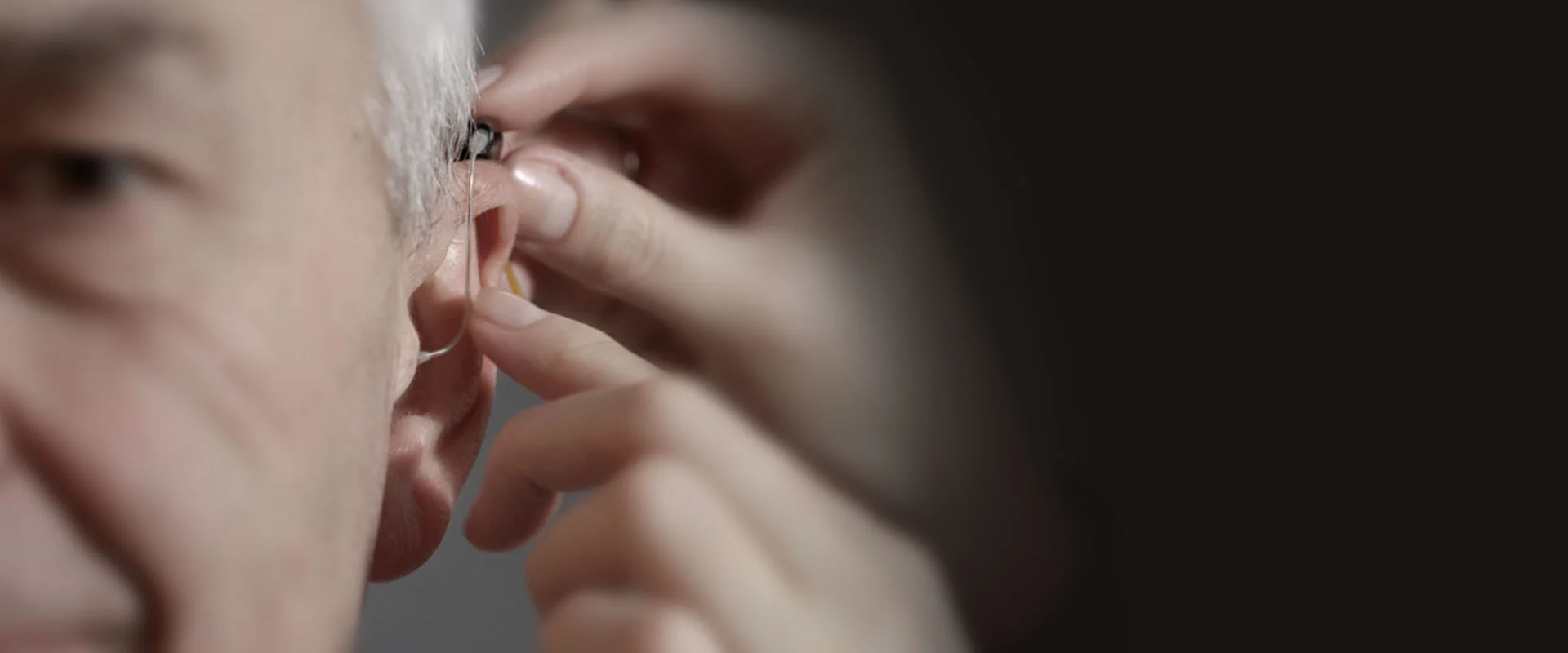
Hearing Aids Lower The Chance Of Dementia, Depression, And Falling

your-first-days-wearing-hearing-aids.jpg

A new study finds that hearing devices benefit older adults in multiple ways, from physical safety to brain health.

Almost 1 in 4 people in the United States aged 65–74 have disabling hearing loss. In people over 75, the figure is 1 in 2. Nonetheless, many people who would benefit from wearing a hearing aid do not wear them.

Experts have linked hearing loss to an increased likelihood of dementia, depression and anxiety, walking problems, and falling. Now, a study in the Journal of American Geriatrics Society finds that using a hearing device makes these problems significantly less likely to occur.

Study lead Elham Mahmoudi, Ph.D., from the University of Michigan, explains:

"We already know that people with hearing loss have more adverse health events and more co-existing conditions, but this study allows us to see the effects of an intervention and look for associations between hearing aids and health outcomes."

She continues, "Though hearing aids can't be said to prevent these conditions, a delay in the onset of dementia, depression and anxiety, and the risk of serious falls could be significant both for the patient and for the costs to the Medicare system."

Looking into the Data

The study, carried out at the University of Michigan Institute for Healthcare Policy and Innovation, looked at data from nearly 115,000 individuals who were over 66 years old and had hearing loss.

All the participants also had insurance through a Medicare Health Maintenance Organization (HMO). The researchers chose Medicare HMOs because, unlike standard Medicare, they often cover hearing aid costs for members who have received a diagnosis with hearing loss from an audiologist.

The scientists tracked the participants' health from 1 year before their diagnosis to 3 years afterward. This allowed researchers to pinpoint any new diagnoses of dementia, depression, anxiety, or fall injuries.

The researchers noted significant differences between the outcomes of those with hearing loss who did wear a hearing aid compared with those who did not. Wearing a hearing aid reduced:

• the relative risk of being diagnosed with dementia — including Alzheimer's — by 18%

• the relative risk of being diagnosed with depression or anxiety by 11%

• the relative risk of fall-related injuries by 13%

Previous research has looked into the links between hearing loss and dementia and mental health conditions. Some experts believe that social isolation, which sometimes comes with hearing loss, might result in less stimulation for the brain and, ultimately, cognitive decline.

Others have suggested that the deterioration of nerve impulses in the ear may be an indicator of a wider neural degeneration already underway.

Who gets a hearing aid?

The secondary goal of the study was to determine the adoption rate of hearing devices among different demographic groups.

Overall, the study found that just 12% of those diagnosed with hearing loss decide to use a hearing aid. The authors identified differences in adoption rates among different sexes, racial and ethnic backgrounds, and geographic locations.

• 13.3% of men with hearing loss in the United States are likely to acquire a hearing aid, as opposed to 11.3% of women with hearing loss.

• 13.6% of white participants with hearing loss received hearing aids, 9.8% of African Americans, and 6.5% of people with Latino heritage.

Clear as a Bell

The Food and Drug Administration (FDA) has approved over-the-counter hearing aids for sale in 2020 in an effort to make hearing aids more widely available to people with mild-to-moderate hearing loss.

For older people with hearing loss, though, the study documents the value of acquiring a hearing aid. Mahmoudi says:

"Correcting hearing loss is an intervention that has evidence behind it, and we hope our research will help clinicians and people with hearing loss understand the potential association between getting a hearing aid and other aspects of their health."

This article was featured at MNT:

https://www.medicalnewstoday.com/articles/326340.php#6

As people get older, their likelihood of living alone increases.

2.jpg

As people get older, their likelihood of living alone increases. The AARP reports that more and more older adults do not have children. That means that there are fewer family members to provide company and care as those adults become seniors.

While living alone does not inevitably lead to social isolation, it can certainly be a contributing factor. Another factor to consider is how often seniors engage in social activities.


Meetup.com has a great platform that allows you to search specifically for "Senior" groups on their site. Further more you can then refine your search by distance too. The variety of groups is as wonderful as the people you're likely to meet. Sports, Globetrotters, Jeep club, Coffee & Conversation, Lovers of Art and Pets! The Littleton Devine Divas are 145 members strong who generally meet during the day (because the large majority of us are retired) ,with an occasional weekend event.

If you don't find one that suits your interests that's no problem. Start your own group! If you find yourself feeling isolated, make it your resolution to connect in 2020.

Check it out
https://www.meetup.com/topics/seniors/us/co/denver/

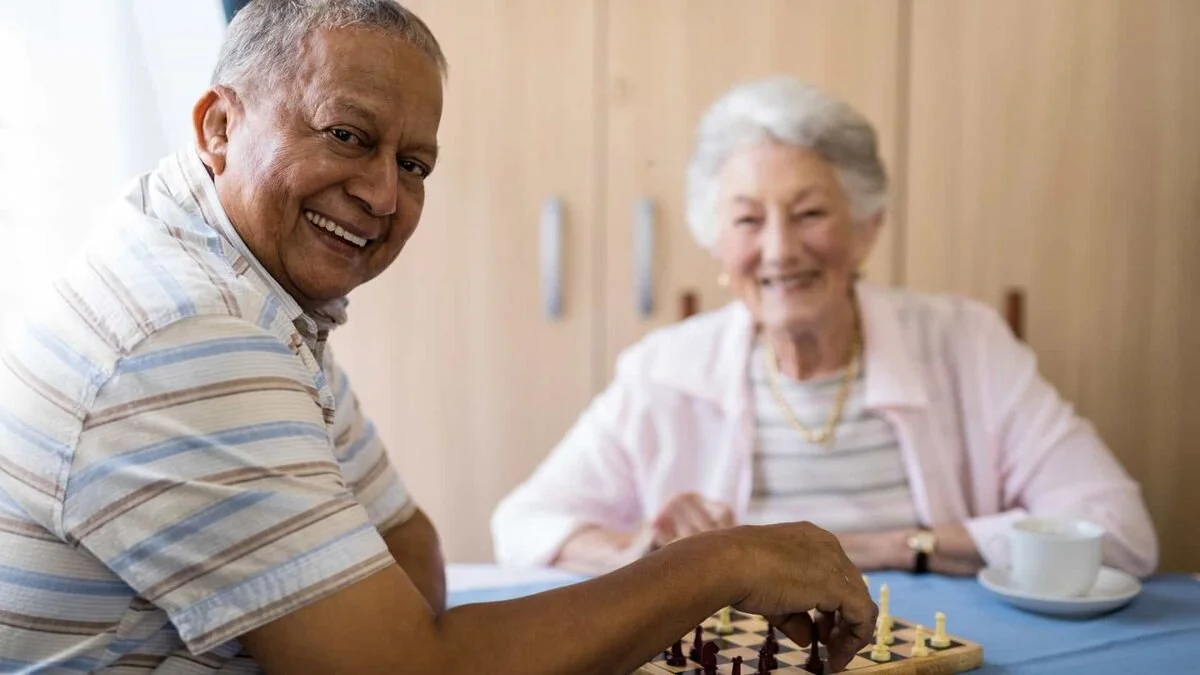
Tis the season to... play games! 

1.jpg


New research examines the impact of non-digital games, such as board games and cards, on the cognitive ability of older adults.


New research examines the impact of non-digital games, such as board games and cards, on the cognitive ability of older adults.

Older adults may benefit from starting to play games. Games aren't just fun; they can keep our minds agile and sharp. At least this seems to be the main takeaway of a host of recent studies that point to the cognitive benefits of video games.

For instance, some researchers have suggested that just 1 hour of gaming can improve attention, and some studies have shown that games that involve shooting, in particular, can improve cognition.

When it comes to older adults, the benefits of computer games seem to be even greater. From brain training apps that may prevent mild cognitive impairment to 3D video games that may reverse age-related cognitive decline, playing games on a computer seems to offer many benefits.

But what about analog games? Is it just computer games that benefit the brain health of older adults, or can non-digital games, such as cards, board games, or crossword puzzles, also affect cognition?

Researchers at the University of Edinburgh in the United Kingdom set out to investigate.

Drew Altschul, from the School of Philosophy, Psychology, and Language Sciences, co-authored the new paper together with Professor Ian Deary, who is the director of the Edinburgh Lothian Birth Cohorts.

Studying non-digital games and cognition
Altschul and Deary examined 1,091 participants who were born in 1936 and whose data they accessed from the Lothian Birth Cohort 1936 — a study that evaluated the mental and cognitive capacities of its participants over a long period.

Researchers first assessed the participants' cognitive function when they were 11 years old, and then later on at ages 70, 73, 76, and 79 using 14 standardized cognitive tests.

As part of the new study, the scientists asked the participants how often they played board games, cards, chess, bingo, or crosswords at ages 70 and 76.

As part of their statistical analysis, the researchers accounted for possible confounding factors, such as "early-life cognitive function, education, social class, sex, activity levels, and health issues."

The analysis found that people who played more games in their 70s were more likely to maintain healthy cognitive function in their older years.

Play games to reduce cognitive decline
Specifically, those who reported playing more analog games in their 70s experienced less relative cognitive decline from the age of 11 until 70, and less cognitive decline between 70 and 79.

"These latest findings add to evidence that being more engaged in activities during the life course might be associated with better thinking skills in later life," comments Altschul.

The co-author also thinks it is possible to interpret the results as a nudge to start playing some games in order to prevent cognitive decline.

Prof. Deary also comments on the significance of the results, echoing similar sentiments. "We and others are narrowing down the sorts of activities that might help to keep people sharp in older age," he says.

"In our Lothian sample, it is not just general intellectual and social activity, it seems; it is something in this group of games that has this small but detectable association with better cognitive aging."

The author also highlights directions for future research: "It would be good to find out if some of these games are more potent than others. We also point out that several other things are related to better cognitive aging, such as being physically fit and not smoking," concludes Prof. Deary.


This article can be found at Medical News Today:
https://www.medicalnewstoday.com/articles/327153.php#4

An Introduction to Colorado Senior Lobby & Citizen Advocacy

https___cdn.evbuc.com_images_78373135_181843155714_1_original.jpg

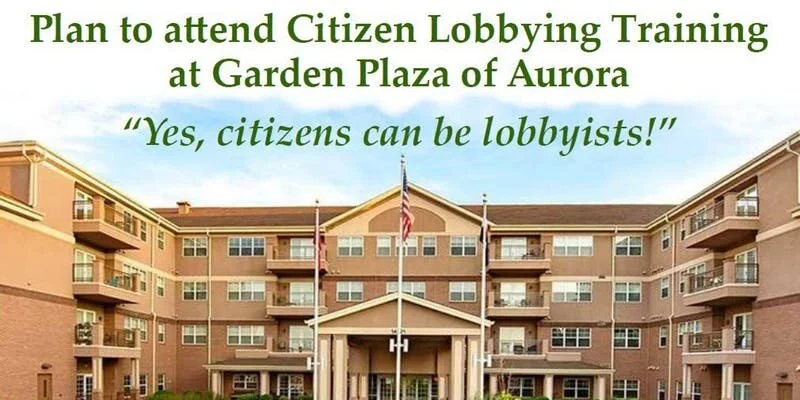
Colorado Senior Lobby invites you to attend this free citizen lobbying training event held at Garden Plaza of Aurora on
Thursday, December 12, 2019.

We will review the basics of how you, as a citizen can make a difference in connecting with your Colorado Legislators. Also learn more about upcoming legislation impacting older adults.

Event from 11:00AM to 1:00PM
Garden Plaza of Aurora
14221 E Evans Ave, Aurora, CO 80014
303-750-0820

includes a complimentary lunch – lunch will be served at 11:30AM.
Please RSVP through Eventbrite as seating is limited.

Colorado Senior Lobby thanks our event host in advance for providing the event space and complimentary lunch!


Register for this Event – CLICK HERE


View Event Flyer – CLICK HERE

Learn more:
Centurypa.com/senior-living/garden-plaza-aurora/

Success in the Community: Summit House at Eaton Terrace

ZikoiqSrT1Cg4SyhgwUw.jpg

Eaton Terrace is taking great strides to make a difference in the everyday lives of the resident's that call it home.

They are inviting new innovators to come trial the latest technology to combat loneliness, isolation, and depression with idea like "Ryan" and the I-pad program. 


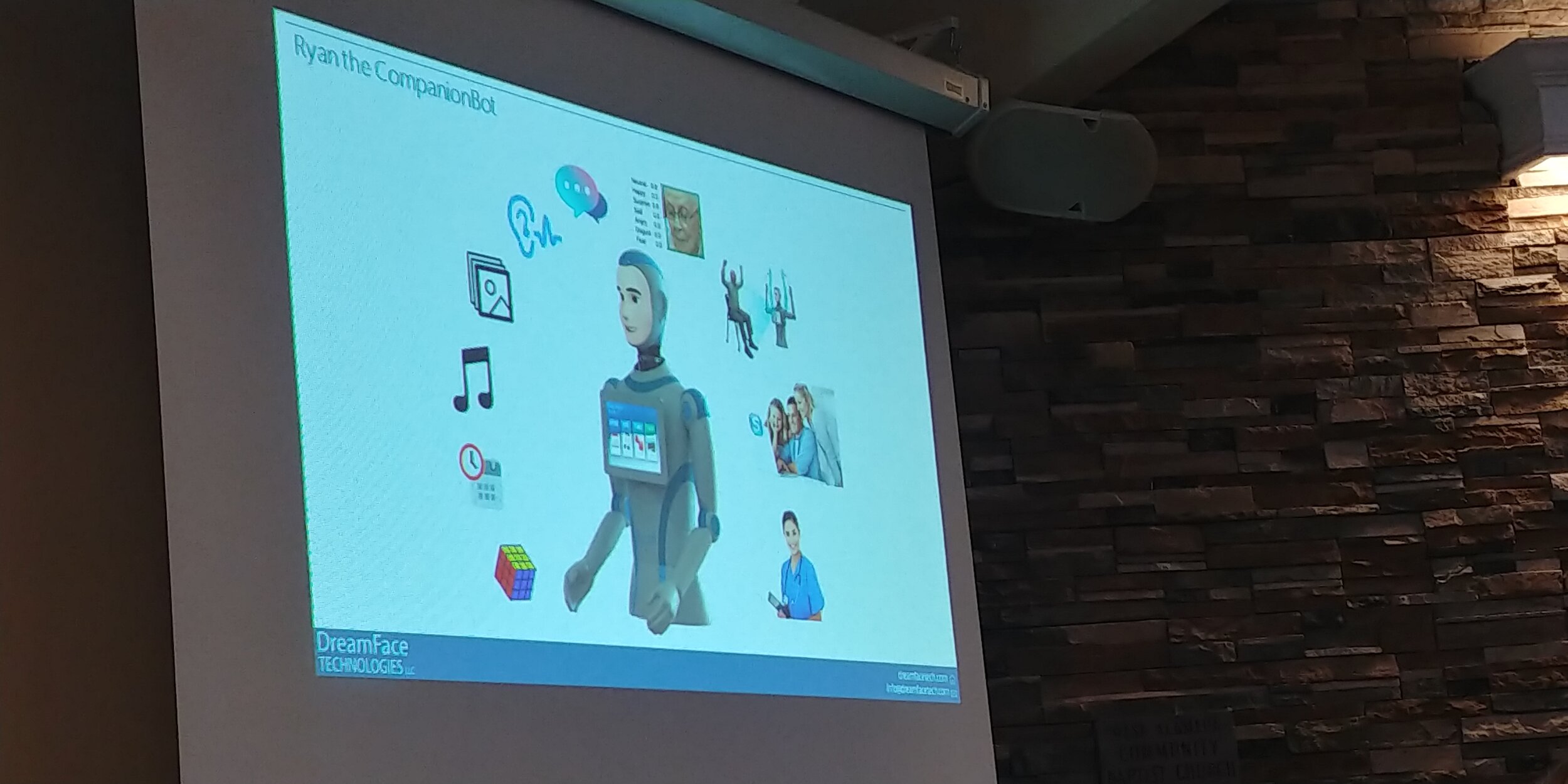
Josh Lane presented on "Ryan" the Companion Bot (seen pictured)"Ryan is not just a robot, it's a friend, an assistant, and a constant companion." Residents loved using Ryan and hope to have a companion bot full time after their planned launch in 202…

Josh Lane presented on "Ryan" the Companion Bot (seen pictured)

"Ryan is not just a robot, it's a friend, an assistant, and a constant companion." Residents loved using Ryan and hope to have a companion bot full time after their planned launch in 2020.

Pat Cook with the Colorado Gerentological Society presented on the IPad program where residents purchase their own equipment at a reduced rate and then attend classes to learn how to connect with family, safely bank online, take pictures, and even connect with their peers when learning together. The results have been nothing but a huge success. It has even become an important part of therapy and recovery for one resident who lost her ability to speak. The IPad has become her voice and tool for communication!

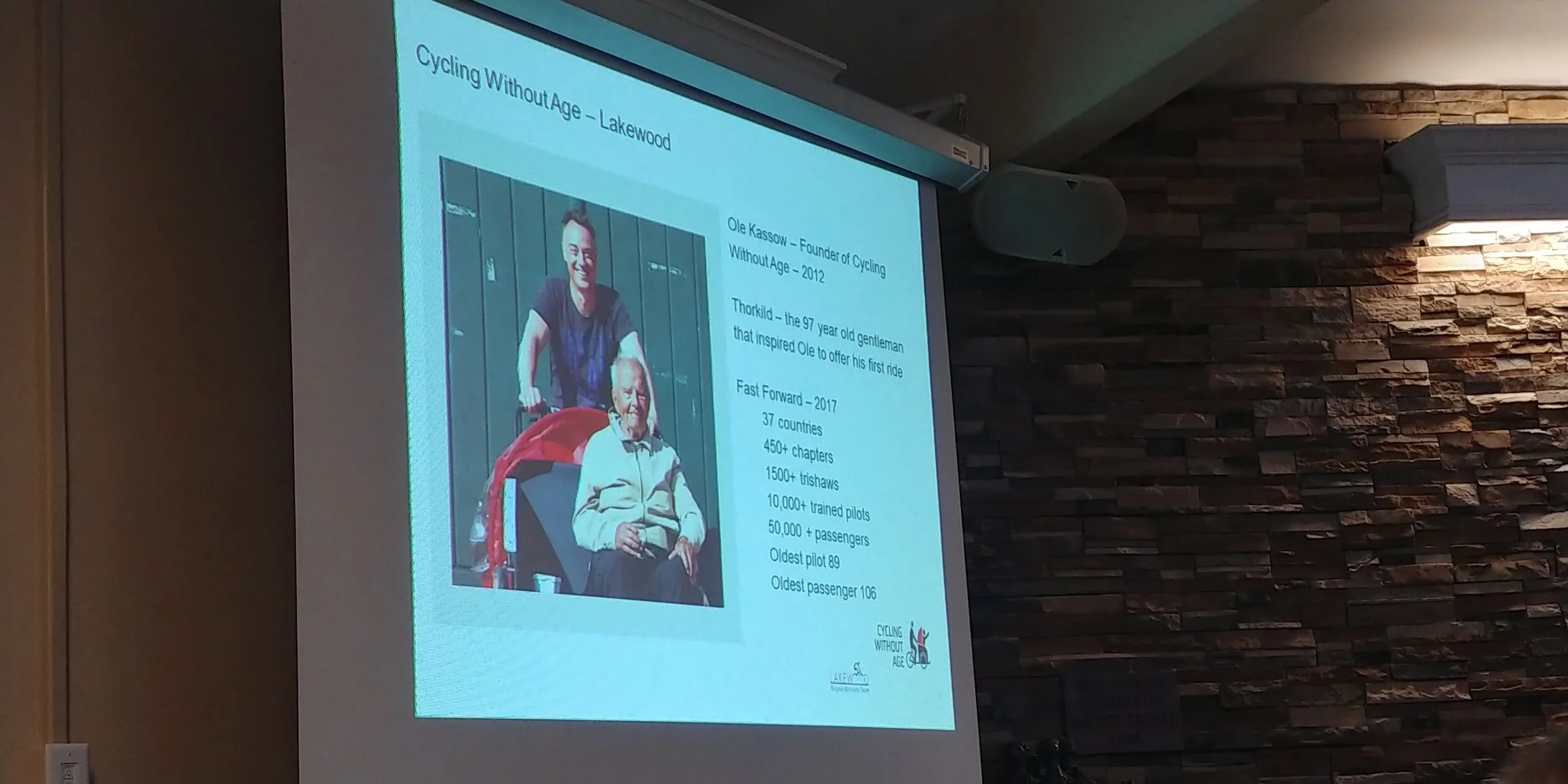
The last presentation was from Gary with Cycling Without Age. These special bikes allow anyone to get out for safe and comfortable bike ride. Eaton and the City of Lakewood have two of these special bikes with trained pilots to take residents out fo…

The last presentation was from Gary with Cycling Without Age. These special bikes allow anyone to get out for safe and comfortable bike ride. Eaton and the City of Lakewood have two of these special bikes with trained pilots to take residents out for rides! It brought tears to my eyes to see the joy that follows where these bikes go.

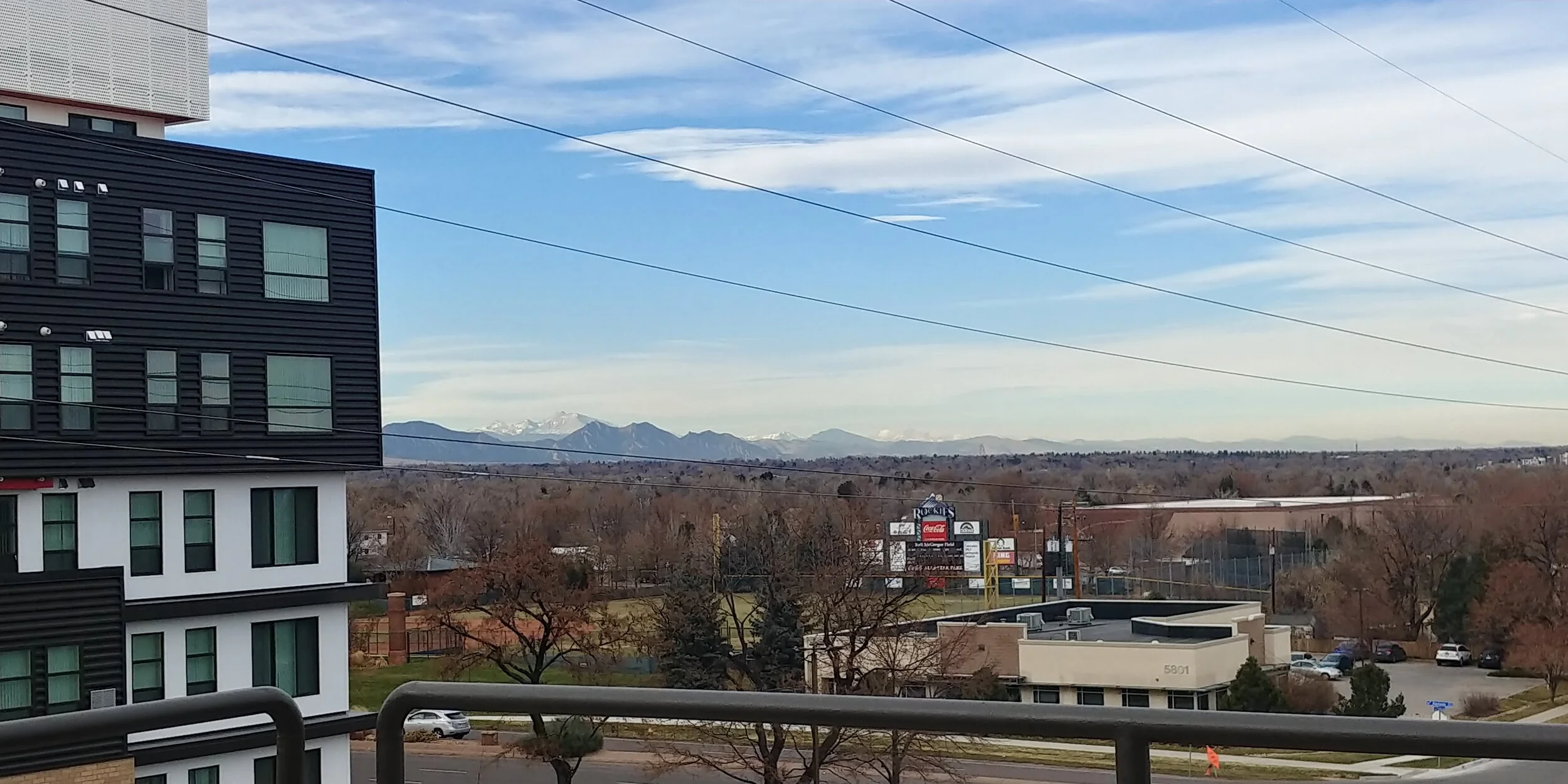
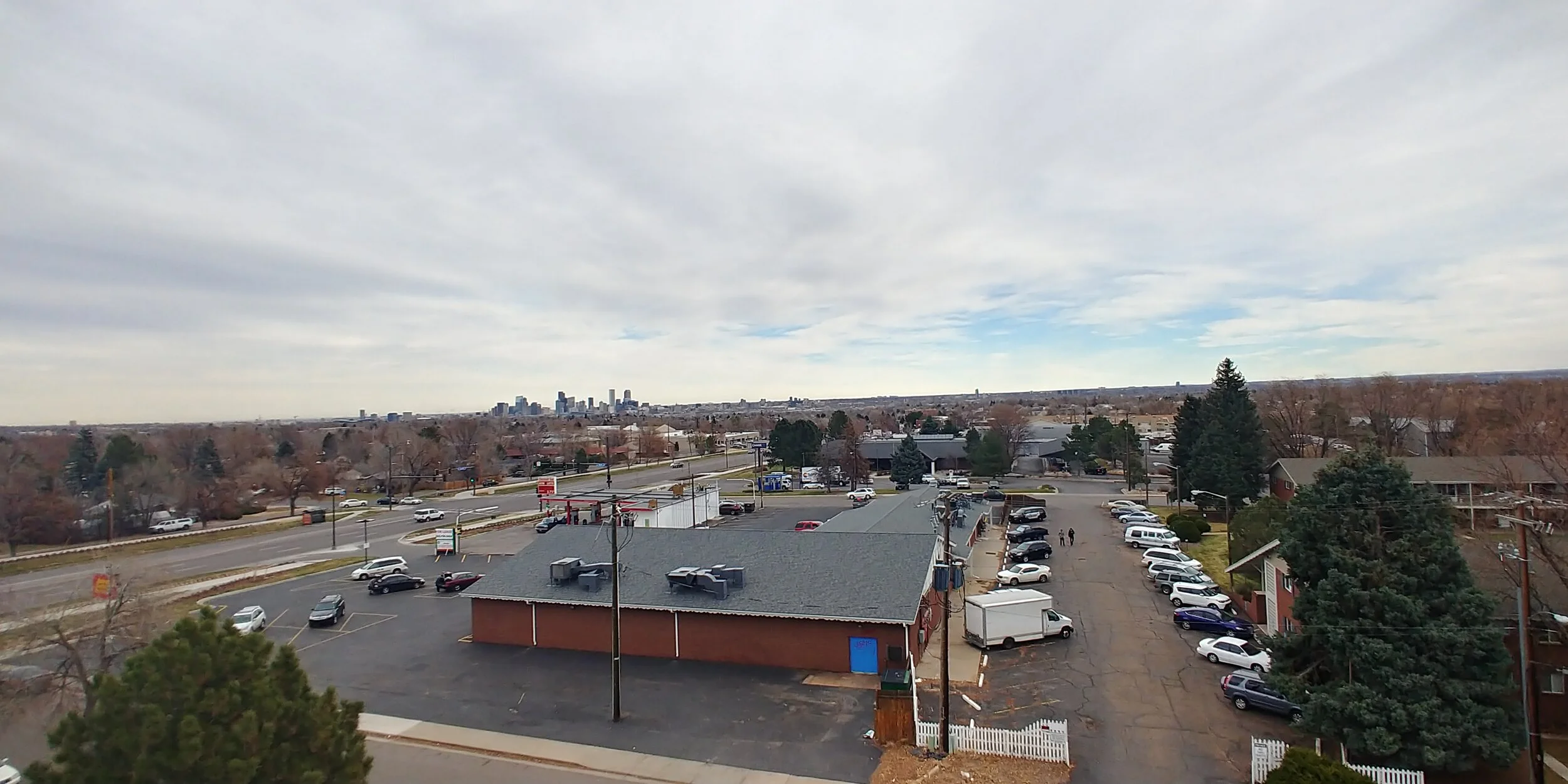
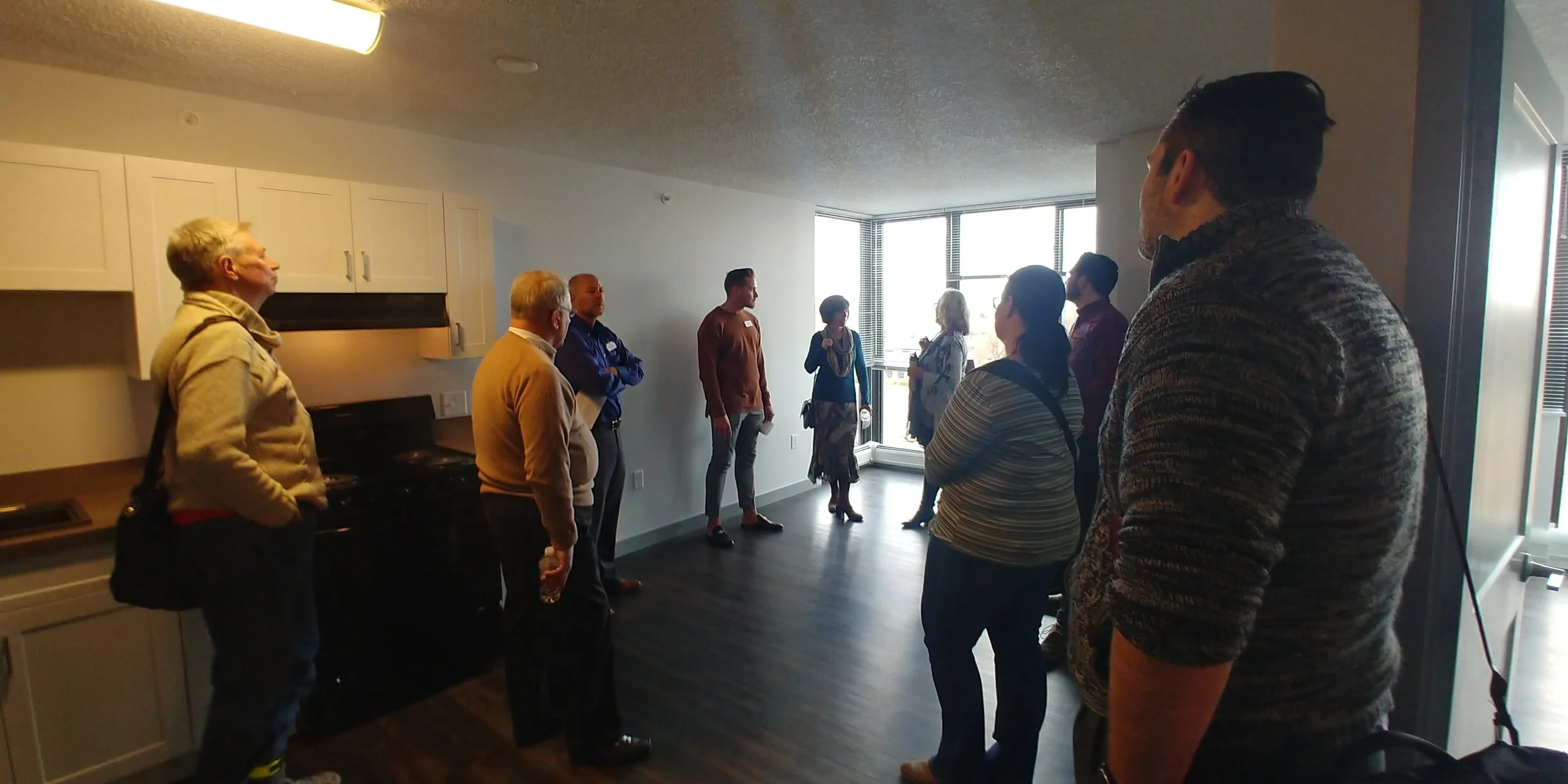
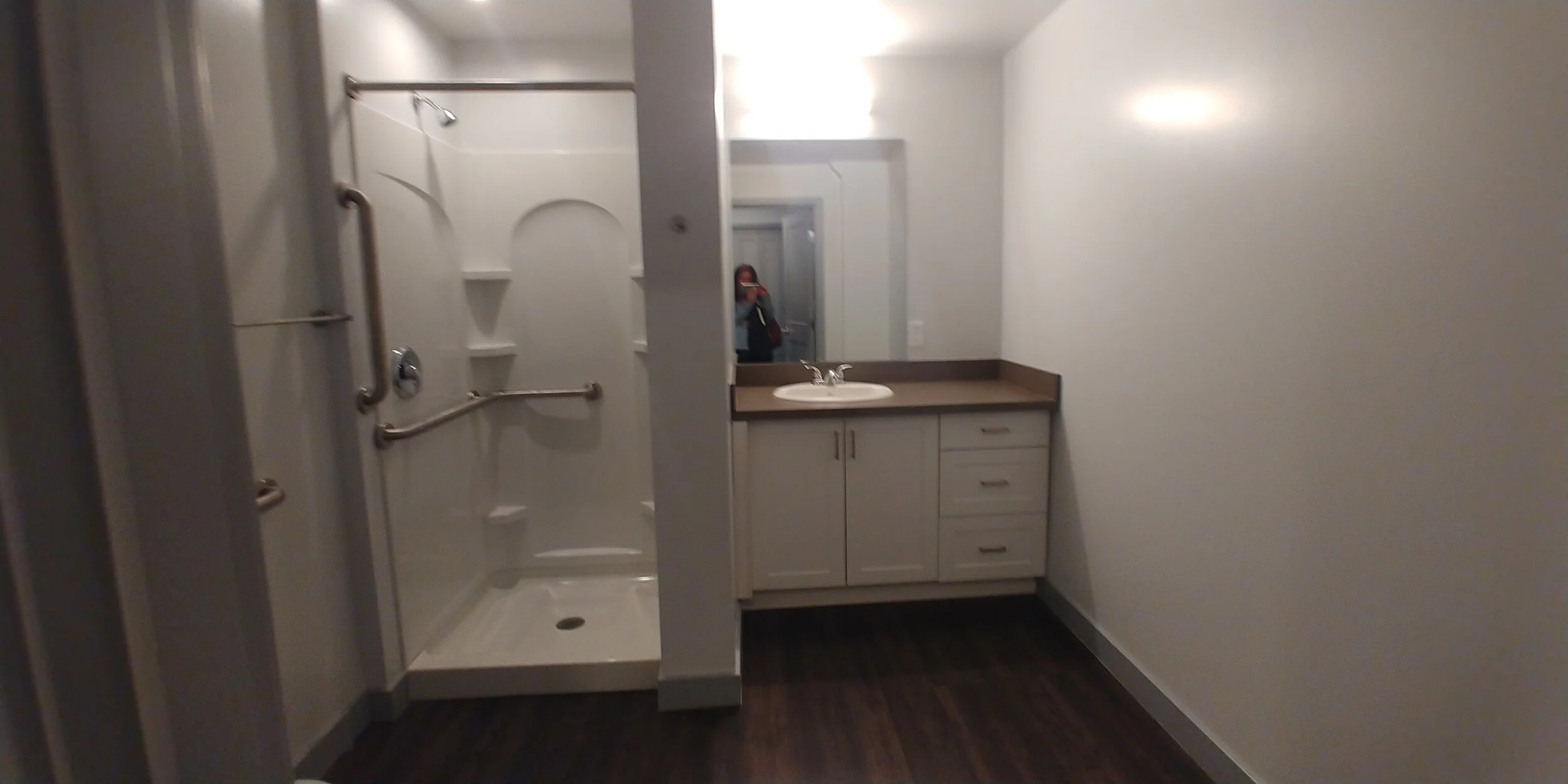
Lastly I enjoyed (all pictures that are of the community.) a tour of the completely redesigned Summit House. This is Independent living for those who don't quite qualify for Medicaid, but are still low-income.

These apartments are pet friendly, completely remodeled and stunning! The views from the East and West facing 6th floor decks will have you ready to move in! Floor to ceiling windows! And access to the FULL range of services provided on the Eaton Campus.


Huge thanks to Jordan Harris and David Smart! These two gentleman work from their hearts and it shows in the community they manage!

Feel free to call me for more information!

Morgan Leigh Jenkins, MA
Transition Director

Phone: 303-847-6861

Don't forget tomorrow is Small Business Saturday

Small-Business-Saturday-Ftrd.jpg

As a small Denver based business we appreciate the impact of spending your dollars locally. 

That's why we feel it's important to remember Small Business Saturday tomorrow as you widdle away at that Christmas list.


Small Business Saturday is an annual holiday meant to call attention to the importance of small businesses in our economy and to encourage support for small companies, especially at the beginning of the holiday shopping season. Many local communities host shopping events and businesses around the country host sales and specials to encourage local shoppers to stop by. #ShopSmall


Free Thanksgiving meals for Coloradans in need

web1_senior_thaksgiving_TEASER.jpg

We see first hand that many Seniors in our community may not be blessed to have family close by or live on a very tight budget.

9News put together a great list of organizations and groups across the state who are coming together to offer the homeless, and people in need, a free Thanksgiving meal this holiday - including the turkey and all the fixins'.

While many families will be home preparing a holiday feast to enjoy this Thanksgiving, thousands and thousands of people across Colorado are not fortunate enough to be able to do the same.

Food Trucksgiving
About a dozen local food trucks will gather in Denver for the first-ever "Food Trucksgiving." The trucks will be parked downtown at 3530 Brighton Blvd. They will begin serving free meals at 1 p.m. until they run out of food.


Salvation Army
The Salvation Army will be hosting its annual Thanksgiving community meal at the Colorado Convention Center downtown again this year.

Individuals and families in need can start lining up outside the center for a free meal starting at 8 a.m. The meals will be served at 11:30 a.m.

The Salvation Army expects to serve about a thousand people there.


VFW Post 1 and Boots 66
Free Thanksgiving meal for homeless and needy veterans. The meal is being prepared and served by veterans.

The festivities are being held at VFW Post 1 located at 841 Santa Fe Dr. starting at 10 a.m.


Volunteers of America
The Volunteers of America Organization will be at Jackson's Restaurant again this year.

Volunteers expect to server 1,500 Thanksgiving meals at the restaurant on 1520 20th St.

They'll start serving at 10 a.m.


First Presbyterian Church of Boulder
The First Presbyterian Church of Boulder will carry on its tradition of serving a Thanksgiving dinner to Coloradans in need in Boulder.

People can get the free meal between 1 and 3 p.m. at the church's location on 1829 15th St. in Boulder.


Outreach United Resource Center
The OUR Center's Spirit of Thanksgiving Dinner features a Thanksgiving feast and entertainment. The free event runs from 10:30 a.m. to 2 p.m. at Old Chicago Restaurant in Longmont.

People will be given a traditional holiday meal and can enjoy musical entertainment, face painting for kids, and more.
 

Free shuttle services will take people from the OUR Center on 220 Collyer St. to the restaurant.


Mountain View Bible Fellowship
The Mountain View Bible Fellowship is offering a free holiday meal to people in need in the Estes Park community.

The fellowship prepared more than 30 20-pound turkeys for the community meal.

Meals will be served from 11 a.m. to 3:30 p.m. at the Williams Center gym on 1575 South St. Vrain Ave.

They expect to serve about 600 people.


Catholic Charities in Larimer County
The Catholic Charities in Larimer County will be serving a tradition Thanksgiving meal at its location in Fort Collins on 460 Linden Center Dr.

They'll begin serving meals at noon.


Catholic Charities Samaritan House shelter
Samaritan House volunteers will be serving Thanksgiving meals prepared by culinary teams of Sheraton Denver Downtown Hotel and The Westin Denver Downtown.

Staff and volunteers from the hotel will serve meals from 10:45 a.m. to noon at the Samaritan House shelter.

The shelter is located on 2301 Lawrence St.


https://www.9news.com/article/news/local/holiday/free-thanksgiving-meals-for-coloradans-in-need/355376252

UCHealth- Fall Prevention Clinic

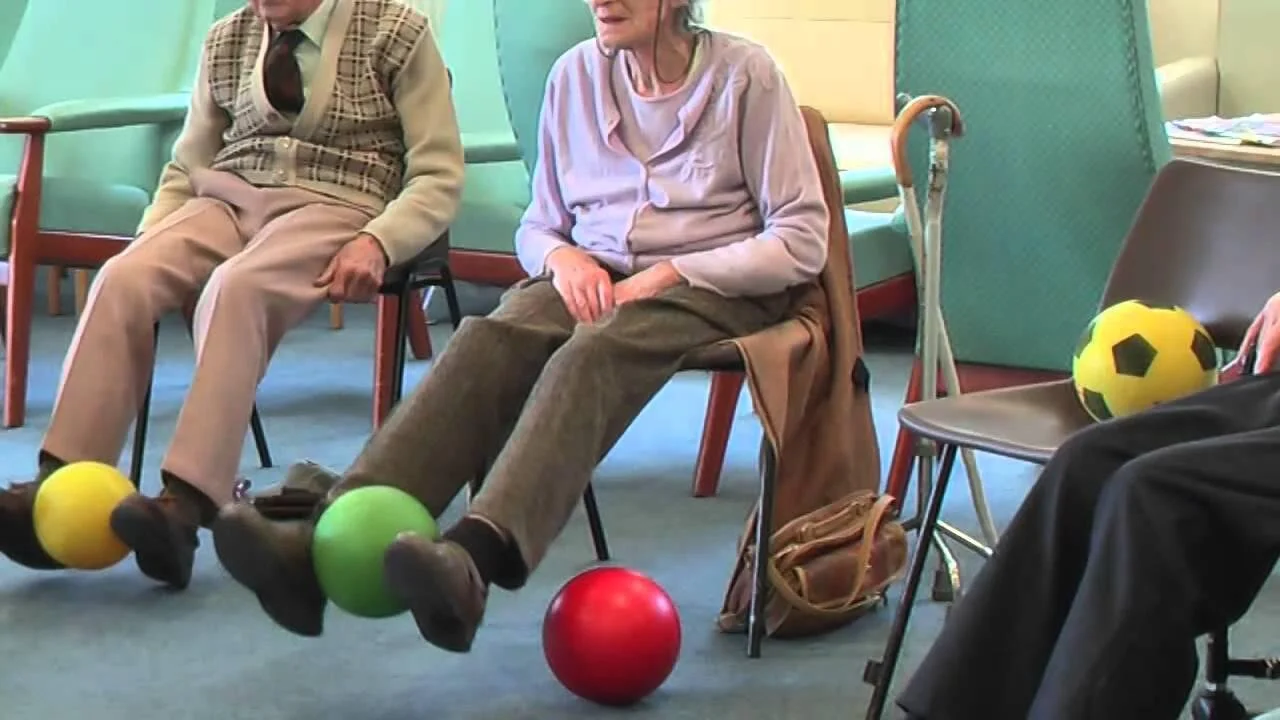
c47.jpg

Fall prevention clinic all about keeping people upright

By: Tyler Smith
October 18th, 2019

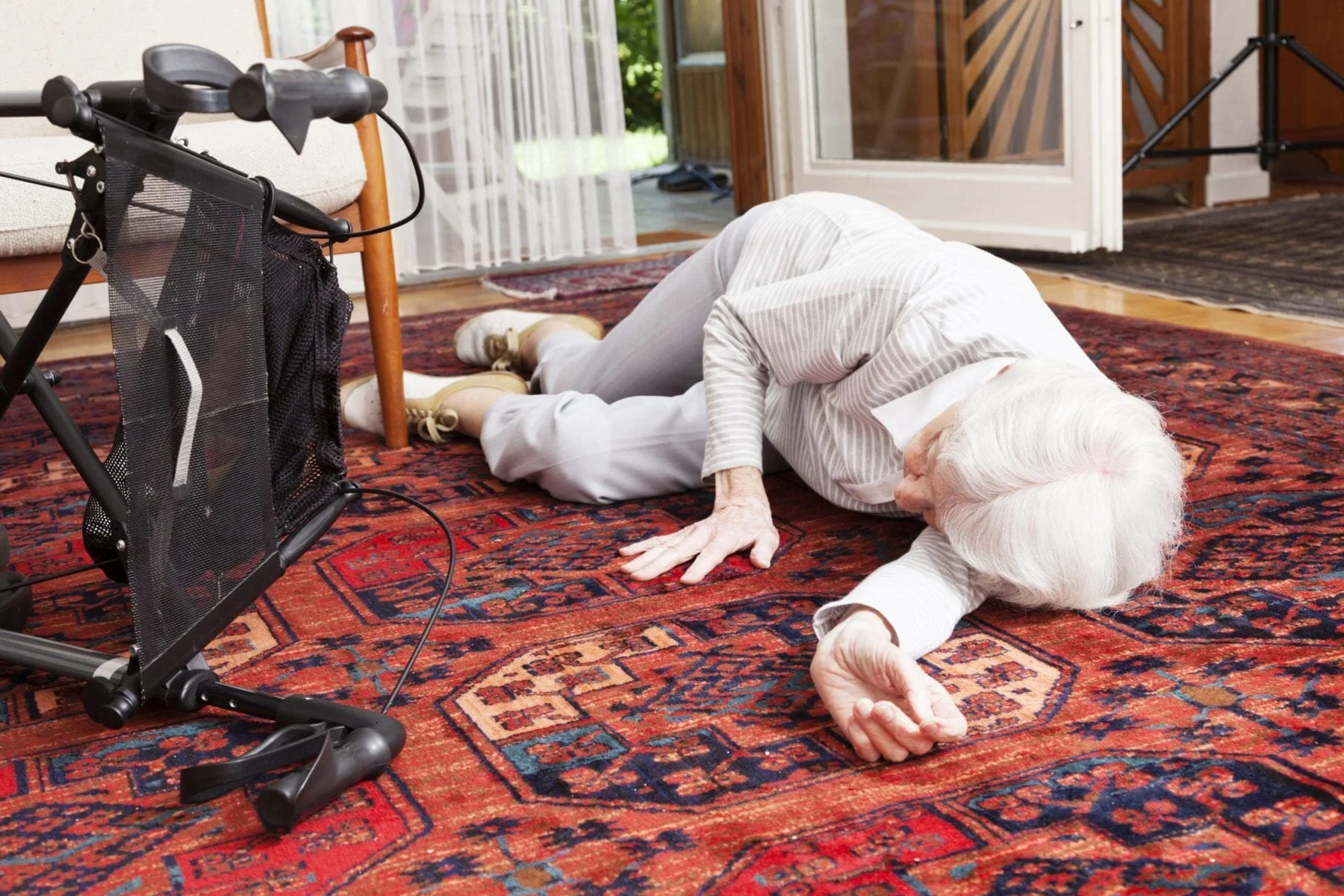
It’s one of the most stubborn health care problems in the United States. Every year, it costs the nation tens of billions of dollars, inflicts physical and psychological damage on individuals and their loved ones, robs people of their independence and not infrequently kills them. Yet it has failed to capture the public imagination with marches, high-profile campaigns, or fundraisers.

The problem is falls among people over the age of 65. They numbered 29 million in 2014, leading to some 2.8 million emergency department visits, 800,000 hospital stays and 27,000 deaths. The Centers for Disease Control and Prevention calculated that in 2015, direct and indirect costs of falls totaled $50 billion – about a quarter of that borne by patients and their families.

As the population ages, these numbers are likely to increase. So aren’t there urgent calls to prevent falls?

“It isn’t sexy,” said Dr. Tyson Oberndorfer, assistant professor with the University of Colorado School of Medicine’s Division of Geriatric Medicine. “There is no one single thing you can do to prevent falls. It’s a lot of small things, not magic pills.”

Get it (up)right
But Oberndorfer, who practices in the Seniors Clinic at UCHealth University of Colorado Hospital on the Anschutz Medical Campus, believes the dismal statistics can be improved. He spearheaded the launch last year of the UCHealth Fall Prevention Clinic, which brings together geriatrics, occupational therapy, physical therapy, pharmacy, and social work in common cause to reduce the number and frequency of falls in the highest-risk patients. It’s the first clinic of its kind in Colorado and one of only a handful around the country.

The clinic, which presently sees patients one half-day every other week (Oberndorfer hopes soon to expand the clinic to one half-day weekly) addresses an issue that has for years hidden in plain sight. It’s standard policy in outpatient clinics for medical assistants to ask patients, regardless of age, whether they have fallen in the last six months or are afraid of falling. If the answer to either question is ‘’yes,’’ it’s recorded in the electronic health record. All too often, the information goes no further.

That rankled Dr. Robert Schwartz, director of the Division of Geriatric Medicine at CU, who had long recognized that providers needed processes to treat patients who answered the questions affirmatively. Schwartz brought the problem to Oberndorfer and asked him to find a solution. Oberndorfer’s clinical interest in frailty in the elderly dovetailed with Schwartz’s determination to systematically address fall risk.

“We’ve needed a place in the outpatient setting for patients to be purposefully treated for falls,” Oberndorfer said, “and this multidisciplinary clinic is a venue for that.”

Comprehensive Assessment
Patients referred to the UCHealth Fall Prevention Clinic by their primary care providers or by specialists first get a medication review from a pharmacist who specializes in geriatrics, including the use of multiple medications, an important contributor to fall risk.

“When somebody has had a fall, the first thing that any physician should do is look at their medications and ask which ones may have contributed to that fall,” Oberndorfer said.

Patients meet face-to-face with an occupational therapist and physical therapist, each of whom assesses their fall risk. After the assessments, the team gathers to review each case and craft a personalized care plan. Oberndorfer then discusses the plan with each patient, gives them a copy, and sends another copy to their primary care physician.

This process takes time: Oberndorfer, for example, schedules 40 minutes for his patient visits but he builds in extra time to accommodate more complex cases. The team approach is critical, he added, because evidence shows that while falls may be caused by a single event – tripping over a rug, say – they are nearly always the result of multiple factors. For example, that trip could be attributed not only to an area rug, but also to poor vision, weak physical condition, harmful medication interactions or side effects – or a combination of all of these things.

Practical prevention
The strategies for preventing falls are low-tech but carefully considered. The team’s occupational therapists, for example, interview patients and their caregivers to understand the layout of their homes, the routine tasks they perform, and the seemingly harmless items – like that area rug – that present risks.

“We look at how a person fits into the physical and social environment, based on their current abilities, and how we can sometimes tailor that to keep them safe and engaged,” said Marie Andrews, lead occupational therapist with the clinic, who also specializes in geriatrics.

The protections against falls might be grab bars and no-skid strips for the shower; pads to give height to toilet seats; contrast tape on the stairs to aid vision; recommending eye exams and medication reviews; or shoes that fit firmly to prevent trips. Andrews also recommends community resources that help patients with tasks like yard work or transportation.

There are no cookie-cutter solutions, she said. “There are a lot of questions around literally the structure of the home, such as how the bathroom is set up, socially who is available to assist you, which tasks seem to be the most challenging and demanding,” she said. “The clinic is a forum for patients to talk and problem-solve.”

Physical Findings
Physical therapy is another key component of the clinic’s fall-defense approach. It stands to reason that building physical strength is a bulwark against falls. But Oberndorfer also points out that poor conditioning often traps people in a “vicious cycle” that steadily increases fall risk, he said.

“If you don’t exercise, you get deconditioned,” he said. “That weakness further increases your risk of falls. And then, after that first fall, you’re afraid of falling and avoid exercising even more than before.”

Jessica Elliott, a board-certified specialist in neurologic physical therapy and lead physical therapist for the clinic, uses a battery of tests to assess each patient’s mobility, strength, endurance, and balance. She then gives patients specific recommendations for how to exercise, modify their homes and use equipment, such as walkers, to reduce their fall risk. The clinic’s physical therapists also help to coordinate follow-up therapy or community classes and resources to decrease fall risk, she noted.

“We’re trying to give people tools to be more active and figure out how to maximize their quality of life and minimize their risk of falling over time,” Elliott said.

The exercises to reduce fall risk might include slow marching, standing with feet apart and together with eyes open and closed, and standing on one foot. These might sound simple, but for patients at risk of falling, they can be dangerous without proper precautions, like standing in a corner against a wall, Elliott explained.

People can have trouble accepting recommendations, like the necessity of using a walker, Elliott conceded. She counters by describing the long-term benefits.

“Just because we recommend a walker now, it isn’t necessarily forever,” she said. “It’s to be safe in the short term while we address these other factors that contribute to fall risk. And a lot of the physical things, like strength and balance, can really improve with exercise.”

Downward Trend
Count Elaine Bindel among those who had some trouble with the notion that she needed a walker to get around outside the home. Bindel, 81, overcame a childhood bout of osteomyelitis in her hometown of Akron, Ohio, and worked straight out of high school as a dental assistant and in other jobs in the medical industry, including a stint as a certified nursing assistant at Craig Hospital in Denver. Along the way, she raised four kids.

Falling wasn’t a concern for Bindel until 2003 in Montrose, Colorado, where she and her husband had settled. Walking their dog, Bindel crossed an innocent-looking patch of water running across the sidewalk. It concealed slippery mud, and she went down heavily, shattering her left elbow.

“It was really a horrible break,” said Bindel, who also broke her left wrist in the fall. “It really scared me from then on.”

Several years later, Bindel said she suffered another nasty fall during a restaurant stop with her husband on their way back from Arizona. It had snowed, but the wooden steps she mounted to a porch were clear. When she reached the top step, though, she lost her balance and grabbed for a heavy trash can that fell on and bruised her left side. A year or two later, Bindel, now living in Denver, was walking the dog when she tripped over a raised piece of sidewalk and tumbled onto a patch of grass, unharmed but shaken up again.

Reducing the risk, Facing fear
Bindel’s geriatrician, Dr. Hillary Lum, with the UCHealth Seniors Clinic, referred her to the Fall Prevention Clinic. There, her occupational therapist recommended installing grab bars and non-skid strips in the shower and tub, improving lighting in her apartment – Bindel was recently diagnosed with age-related macular degeneration – and discarding throw rugs. Her physical therapist provided exercises, with pictures, designed to improve her balance. She also uses shoes that provide traction to guard against slipping if she has to walk across snow and ice.

Oberndorfer incorporated these and other suggestions in Bindel’s treatment plan and also caught another potential problem: a periodic fast heartbeat. He referred her to a cardiologist who had her wear a heart monitor and is continuing to evaluate her condition.

“I appreciated so much their input about what I personally need,” Bindel said of the clinic team. “Dr. Oberndorfer looks you straight in the eye and tells you everything he wants.” She said the clinic team has helped to reduce her fear of falling.

But about that walker. Bindel cheerily admits to being vain and confesses she only reluctantly stowed her “beautiful high heels.” She initially resisted her physical therapist’s advice that a walker was her best protection against another fall.

“I didn’t want to give in to that,” she said. “But my physical therapist told me a cane is no help for someone with a balance problem like mine. I discovered I felt more secure with a walker and could walk a little bit faster.”

For Jessica Elliott, stories like Bindel’s can dispel misunderstandings about falls.

“People see falling as a normal part of aging,” she said. “It’s common, but I don’t want people to think of it as normal. People think of it as something that just happens as you get older and there’s nothing you can do about it. I want to let people know that there is a lot that you can do to prevent falling.”

UCHealth also offers an evidence-based fall prevention program called Stepping On.

 Learn more at UCHealth.org


This article can be found at:
https://www.uchealth.org/today/fall-prevention-clinic-all-about-keeping-people-upright/?utm_source=UCHealth%20Today&utm_medium=email&utm_campaign=Learning%20not%20to%20fall

Morgan's recent Success Story

GettyImages-692570400-e1552490353303.jpg

When a colleague becomes a client, then one of your best referral sources.

Thank you Laurie!

It is a picture perfect circle in business. You have someone you work with professionally, and the connection is obvious. We share the same fabric when it comes to helping others.

Then when I left my previous role working with Laurie as a contractor as Saint Anthony's, I made sure to look her up and share my exciting news about starting with Maintain Me Senior Services. We often still crossed paths, and it was always a pleasure to catch up when we saw one another.

About a 2 years into my new role at Maintain Me, Laurie reached out for her own family member. It was rewarding to be able to help Laurie and her family during the difficult time. It also gave Laurie a strong understanding of what support I was able to offer a family in a time of need, and she in turn knew what to look out for when someone needed resources for their own loved one.

Last week we got a referral from a woman whose husband was in the Emergency Department. They had been there all day, with no answers of where to go next. Her husband did not have an "admittable diagnosis" yet his care needs were too high to be met by her alone. She felt stuck and Laurie recognized it. She pulled up Maintain Me on the computer in the patient's room, I was able to meet them on the same day--and we got to work!

Joe is now comfortable in his new home, his wife is grateful and resting easier knowing that her husband will be well cared for and she can enjoy their time together. It means a lot to me, this cycle of support and shared goals within our careers and life.

Thank you for continuing to trust in me, Laurie!

Morgan Leigh Jenkins, MA
Transition Director

Ways to stop Judging yourself as a Caregiver

guilt690x400.jpg

Everybody loves to celebrate with loved ones but the hustle and bustle of holiday season can add extra stress. The added pressure to get it all done in addition to care giving duties can cause you to be overly critical of yourself.

Daily Caring sent out an article that has some great ways to keep your thoughts focused on the positive and present. 

You don’t deserve judgement from anyone, even yourself
Most of us have run across unpleasant know-it-alls who question your caregiving decisions or criticize things you’ve done.

That’s terrible, nobody should speak to you that way! But what’s worse is when we speak to ourselves that way.

Many of us unfairly judge ourselves and focus on the few mistakes we’ve made rather than on all the good we’ve done. What you’re doing deserves praise, especially from yourself.

Here are 6 practical tips that stop the unfair self-judgement that happens inside your head and help retrain your thoughts so you’ll treat yourself more kindly.


1. Notice when you’re speaking negatively to yourself
The first step is to notice when you’re talking to yourself negatively about caregiving.

Next time you have a negative thought, take notice and write it down.

For example, you might think “I snapped at Mom again today. I can’t even be patient for 5 minutes. I’m the worst daughter in the world.” or “Ugh! I forgot to buy more of Dad’s oatmeal. I’m so stupid!”

Even though you’re noticing when these thoughts happen, it’s important not to beat yourself up just for having them.

Too often, these thoughts automatically fly through our brains and we hardly notice how harshly we speak to ourselves.

The goal of this exercise is to help you realize that you’re doing it.


2. Distract yourself from negative thoughts
After you’ve been noticing your self-criticism for a little while, it’ll get easier to recognize when you’re being too hard on yourself.

Then, when you realize it’s happening, stop and take a few deep breaths.

Redirect your thoughts by thinking about something positive, finding something to praise yourself about, or listing a few things you’re grateful for.


3. Avoid comparing yourself with others
Comparing yourself to other people only makes you feel bad.

On top of that, you’re usually comparing your worst moments with their best moments – the ones they openly share with others.

Instead, focus on what you’re doing right.

Maybe you found an amazing in-home caregiver who takes great care of your mom. Or, you’ve made sure that your husband is getting excellent care in a wonderful memory care community.

Keep in mind that everyone makes different choices based on their own unique circumstances. This doesn’t make one caregiving decision better than another.

No matter what choices other people make, it’s best to focus on doing the things that work best for your older adult and yourself.


4. Look at the big picture
So what if the house is messy? Who cares if Mom wears PJs all day when she’s at home?

Does beating yourself up about these details help the situation? Do these things really matter?

Instead of automatically criticizing yourself, think about what you truly value.

The house might not be spotless, but maybe it’s because you choose to spend quality time chatting and listening to music with Dad to keep him engaged in life and boost his mood.

Or maybe it’s worth it to pick your battles with your older adult who has dementia and keep things peaceful whenever possible – let the unimportant things go.


5. Talk to others in similar situations
Sometimes hearing from others gives you new perspective.

Caregiver support groups are a great place to hear stories from other people in similar situations.

You’ll learn about their experiences, the questions on their mind, and their failures.

Talking with and getting advice from fellow caregivers helps you realize that you’re not alone in this, everyone is doing their best under difficult circumstances, and there’s no such thing as one right way.


6. Keep a success journal
Recognizing your successes also helps you overcome negative thoughts.

Every day, take a little time to jot down the things you did well. Seeing your wins on paper is proof that you’re successful a lot more often than you might think.


This article was featured at Daily Caring
https://dailycaring.com/6-ways-to-stop-judging-yourself-as-a-caregiver/?utm_source=DailyCaring&utm_campaign=434529d69c-DC_Email_2019-11-14&utm_medium=email&utm_term=0_57c250b62e-434529d69c-123200633

Reverse Mortgage Myths – The Stories Behind the Loans

reversemortgages.jpg

Reverse Mortgage Myths – The Stories Behind the Loans

November 14, 2019
Thursday, 11:30AM – 1:00PM

Eagle Pointe Recreation Center

6060 Parkway Drive
 Commerce City, CO 80022

Don Opeka with Orion Mortgage, Inc. presents “What Your Heirs Should Know If You Have A Reverse Mortgage”. Don will discuss some of the misunderstood aspects of Reverse Mortgages and provide ideas on how to better prepare yourself, your home and your heirs/executor for the steps that are required when the last borrower leaves the home. The seminar and lunch are both free, but an RSVP is required to save your seat. This presentation has been approved as 1 hour of CE for Real Estate Agents and Certified Senior Advisors. Check-in begins at 11:30AM. The seminar is from 12:00PM – 1:00PM with time for Q & A following the presentation.


RSVP Required: 303-469-1254
Website: https://orionmortgage.com/Events/

Colorado Conversations on Aging: November 12th

Capture.JPG

Older adult advocates from across the state of Colorado invite you to join and share the strengths and successes going on in your community.

They want to learn from you as they plan to better support communities across our state. Coffee and light breakfast will be provided.

RSVP to agingsummitco@gmail.com 
or call 970-400-1992

November 12, 2019 – Tuesday, 1:00PM – 3:00PM
Fitzsimmons Veterans Community Living Center
1919 Quentin Street, Aurora, CO 80045


Hosted by: AARP Colorado, Colorado Commission on Aging, Governor’s Office, and the Strategic Action Planning Group on Aging.

We are seeking your help in highlighting local efforts by convening community members and organizations to share best practices, emerging ideas, and innovative directions for supporting older Coloradans.

We want to hear about what is working in your community!

With the launch of Lifelong Colorado, cities and counties around Colorado are encouraged to begin their own age-friendly planning. We are hoping to elevate aging and older adult-related successes within communities and share them with stakeholders across the state. Coloradans are living longer than ever before, help us plan for how best to support our communities and our families. We all deserve to age with dignity in the community of our choosing. Your input is valuable and can help inform policy making at the local and state levels. We are interested in hearing about solutions and opportunities to address these various topics:

Financial Security
Retirement
Healthcare Access
Family Caregiving
Housing Transportation & Mobility
Employment Issues
Social Services
Creative Aging
Advance Directives
Hospice Care
Elder Abuse
Use of Public Space
Social Participation
Ageism and Respect

Are you familiar with interesting solutions or approaches in your community to address these issues?

Financial Planning Resources for Elder Care

pros-and-cons-annuities.jpg

Jean Quintero is the Seniors' Outreach Director at Annuity.org. They were kind enough to share a few resources that may be useful for the visitors of the
Maintain Me site.

https://www.annuity.org/financial-literacy/seniors/

https://www.annuity.org/annuities/

https://www.annuity.org/annuities/scams/

For many, an annuity can be part of their financial portfolio for their retirement. Annuities can help seniors build tax-deferred savings to handle retirement costs like healthcare and living expenses. But for those who find themselves caring for an aging loved one, the concept can be a bit intimidating.

Annuity.org has extensive information on the different types of annuities, the tax implications involved in owning one and why seniors are often targeted to buy annuities.


Check out Annuity.org for more great resources about Financial Planning related to Elder Care.

It's not too late!!! FALL PREVENTION WEBINAR IS TOMORROW @ 10am

iStock_26786516_LARGE.jpg

You still have time to sign up!

THE PAST, PRESENT, & FUTURE OF FALL PREVENTION WEBINAR IS TOMORROW.
 

The discussion will be moderated by Karen Brown and will cover:

-Why falls among older adults are increasing despite best fall prevention efforts

-How to the meet the changing needs of older adults

-Why it is important to move away from balance programming to more scalable and population focused solution


WHEN:
November 6, 2019

TIME:
10 am MST to 11:30 am MST

WEBINAR REGISTRATION:
Register for the webinar here.

MORE DETAILS:
For more details, visit Aging2.0 Denver Chapter website.


QUESTIONS: Questions about the event, email Karen Brown, karen.peffer.brown@gmail.com

Points of Light Volunteer Event

https___cdn.evbuc.com_images_76742211_132412129816_1_original.jpg

They need families to help bring holiday joy to lower-income older adults! They want to alleviate loneliness during the holidays for seniors.

Date And Time
Mon, November 25, 2019
11:00 AM – 1:30 PM

Location
Eaton Senior Communities
333 S. Eaton St.
Lakewood, CO 80226


Grandma's House will be working with Eaton residents to create holiday cards together. They believe it is important to promote cross-generational activities. They encourage residents to bring their families to this event. This is a great intergenerational opportunity to give back to the older adults in the community.

Once the cards are completed, they will be delivered to a local nursing home to give to the residents there.

This project is appropriate for all families and ages. Parents and kids will be working together in partnership with an Eaton resident.


Click the link to Register:
https://www.eventbrite.com/e/points-of-light-volunteer-event-tickets-76804643757?aff=ebdssbdestsearch