Chelsea's Unsuccessful Success Story

unnamed.png

Being honest with yourself
and those you Serve

It has been four years since Maintain Me was founded and began serving seniors in our community. It wasn't until recently that I was faced with a client that I could not help or that may have not needed me to begin with.

It's a hard lesson as a business owner to understand that it is just as much our responsibility to determine those we want to serve, as it is for seniors to be sure they are properly represented. 

I write this to remind my colleagues that it's "ok" to walk away if it is best for both parties. It's "ok" to communicate authentically and notify your clients that you may not be the solution for them. 

Trust is the number one thing needed in order to consult a senior and their representatives to the best of my ability. If there is an underlying mistrust it will stall the process and could lead to poor decisions.

Just as Maintain Me may not be the perfect fit for everyone, we too get to pick and choose our clients. Maintain Me is based on integrity and heart, and we know each client we help has been brought to us for a reason. I’m so grateful to be able to serve those clients and also grateful there are others in our industry who can assist the rest. 

A big thank you to the client I had, that reminded me of this. I know from the bottom of my heart that they are in good hands and that if I didn't move out the way they may not have found the right resources. 

It is not easy serving others but worth every moment figuring out how to do it best!


Chelsea Sweeney
RN Case Manager

Phone: 720-629-3050
 Chelsea@maintain-me.com

Show us your Stay at Home Buddies!

As we continue to follow Stay at Home orders we wanted to share pictures of our "at home" buddies. 

Babies, fur babies, and hubbies we've got them all!

mo & avery.jpg
jake.jpg
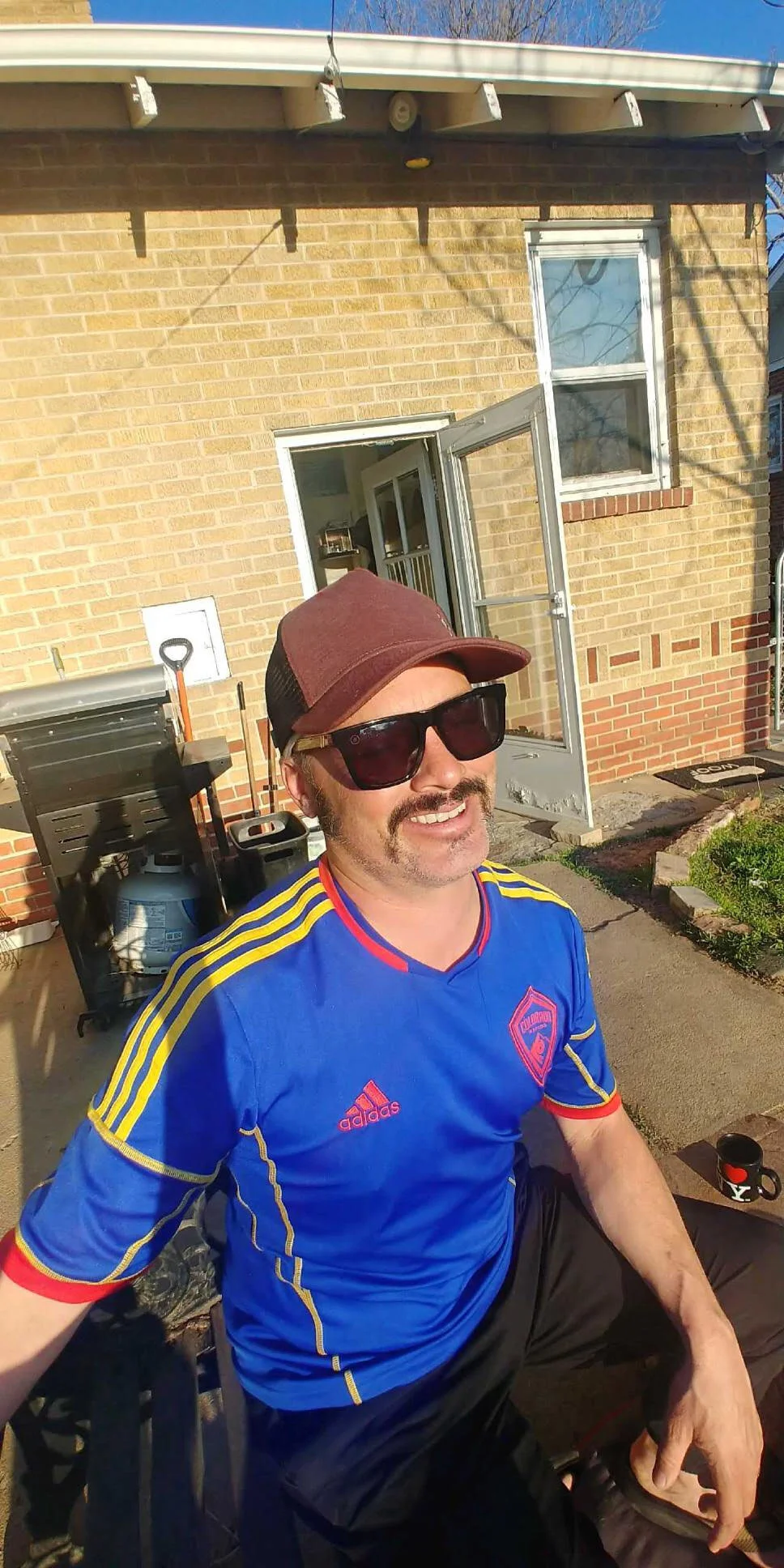
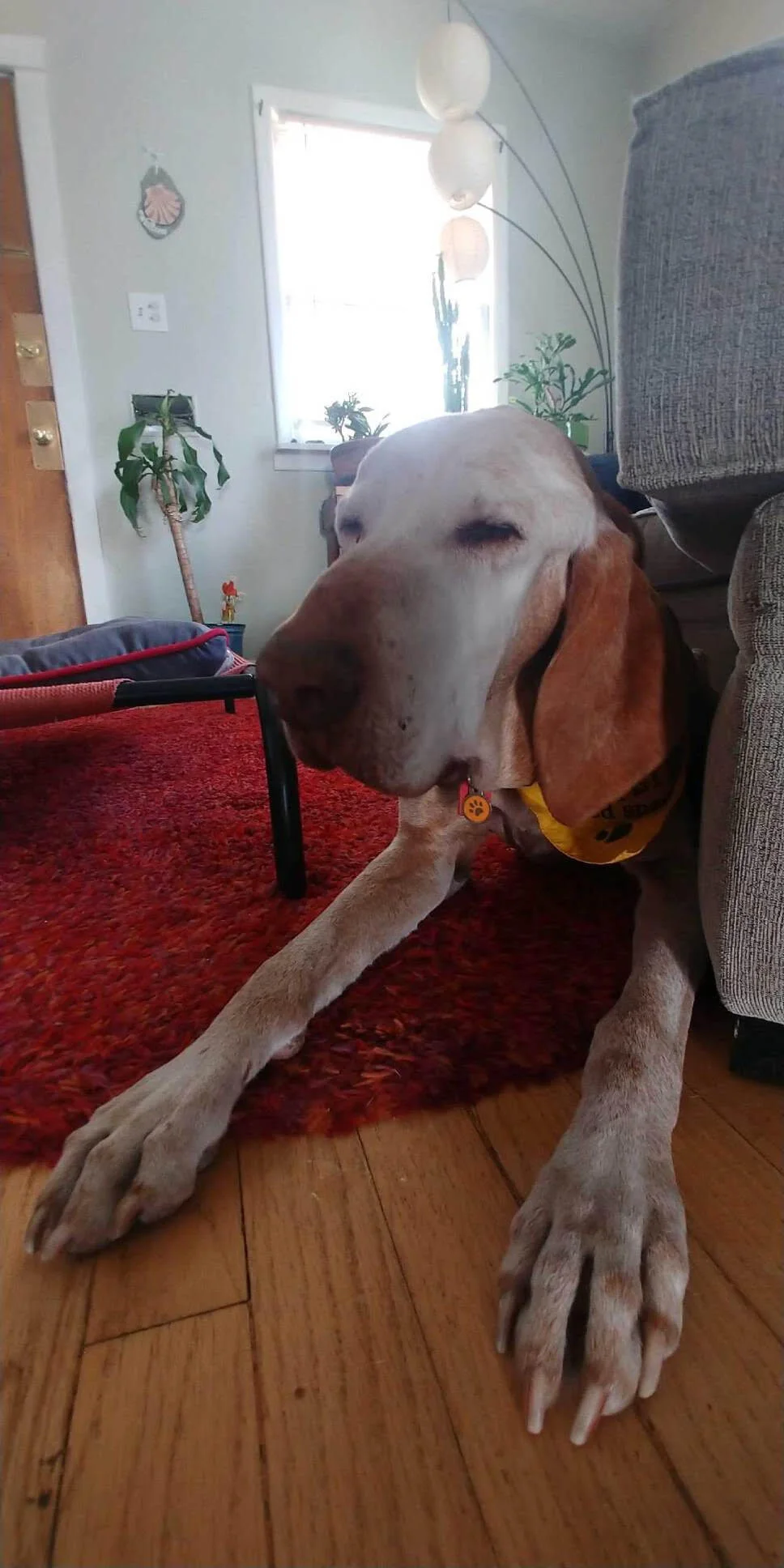
Morgan, her husband Jake and their sweet silver faced doggy, Avery

Morgan, her husband Jake and their sweet silver faced doggy, Avery


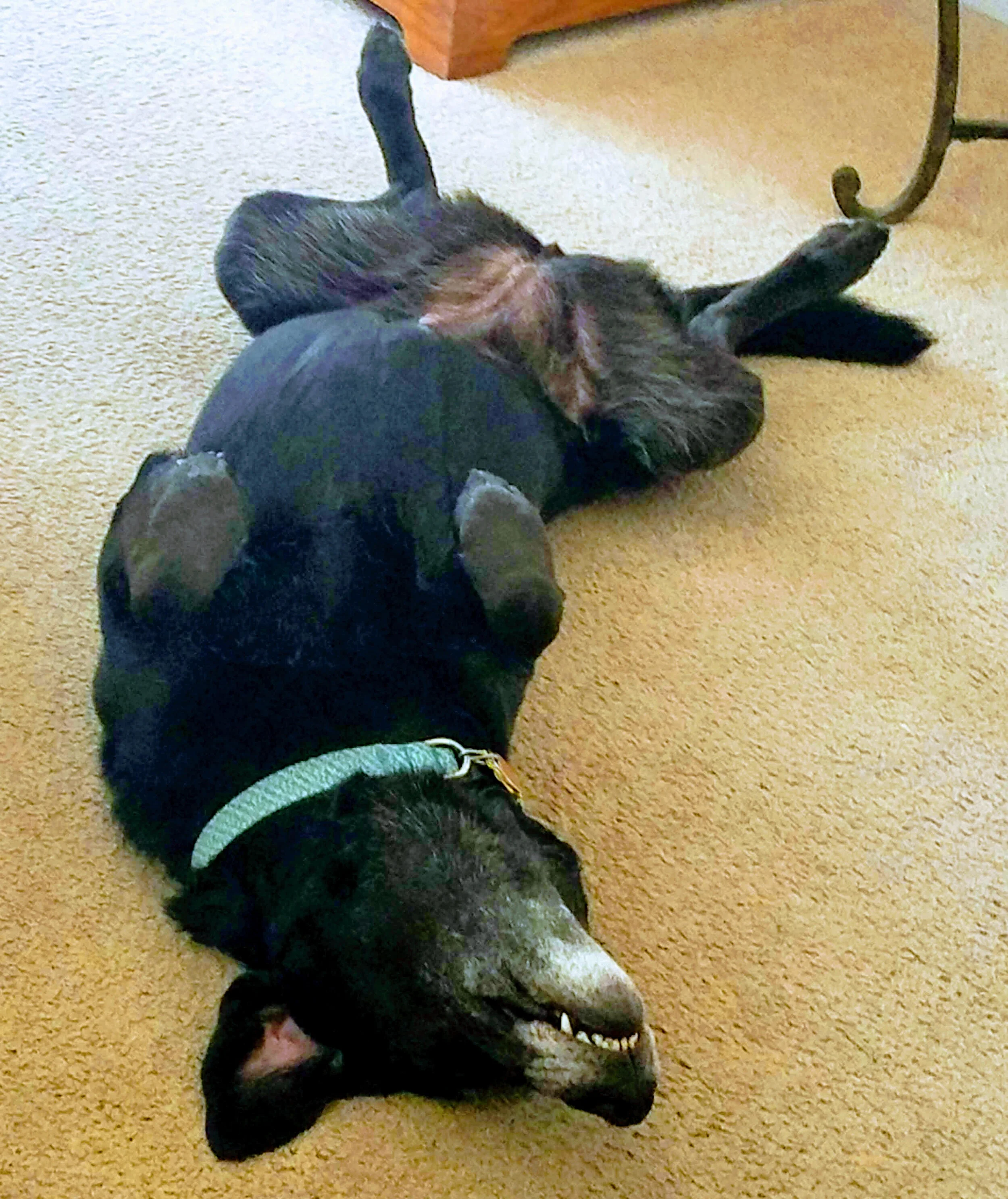
Julie’s Buddy, Tesla. She says, “Not another walk”.

Julie’s Buddy, Tesla. She says, “Not another walk”.


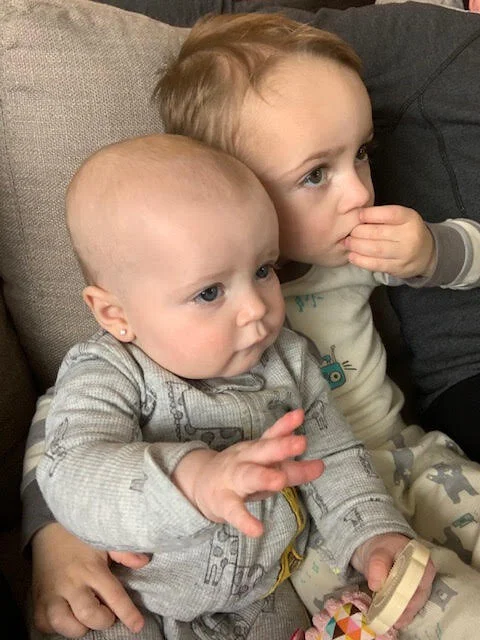
Chelsea's little cuties Adelaide & Kingston

Chelsea's little cuties Adelaide & Kingston


Shelley's Hubby Michael & their sweet dog Ronin

Shelley's Hubby Michael & their sweet dog Ronin


Jessie's kiddos, Tegan & Hayes and the newest addition to their family, Bruin.

Jessie's kiddos, Tegan & Hayes and the newest addition to their family, Bruin.

Bruin.jpg

We have a new 5 Star Review!

facebook-5-star-rating.png

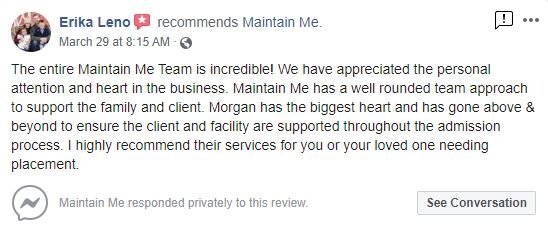
Our clients are not the only ones who love us. We also have amazing community partners who take the time to let us know.
Thank you Erika! 

Erika Leno Review.JPG

We love hearing your kind words!!!

henry ford quote.JPG

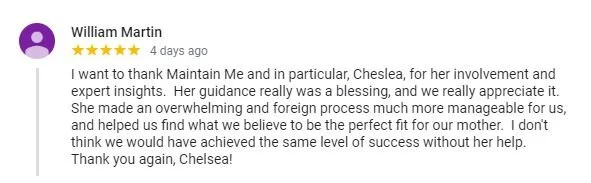
We are working everyday to continue providing Seniors and their families with high quality Case Management and Transition Services.

Reviews like this one are what keep us going in what is an unprecedented time in our history. Thank you for taking the time to share these kind words.

It truly means a lot. 

William Martin Review.JPG

GREAT NEWS!!! GDPRA Bill HB20-1101 is going to the Governor for Signature!

GDPRA Passes Landmark Legislation

On March 11th, the Colorado Senate unanimously passed HB20-1101, "Concerning Assisted Living  Referrals", bringing to completion, GDPRA's two-month legislative campaign, passing legislation to strengthen the professionalism of the placement and referral industry in Colorado. 

The bill was introduced in the House on January 14th and assigned to the Public Health Care & Human Services committee.  On February 6th the bill was heard in committee and passed 13-0. Association President Cindy Koch and Government Relations Chairwoman Marnie Biln along with Lyle Campbell, President of CALA and other industry representatives testified in support of the bill.  The bill was heard on second reading on February 19th and passed on third reading on February 20th. It was a unanimous vote, 65-0.

The process was repeated in the Senate.  It was introduced and assigned to the Senate Health & Human Services Committee on February 21st.  On March 6th it was heard in committee and passed unanimously 5-0.  Association President Cindy Koch and Government Relations Chairwoman Marnie Biln along with Lyle Campbell, President of CALA and other industry representatives testified on the bill.  March 10th the bill passed on second reading,  with the bill passing third reading on March 11th. Again it was a unanimous vote, 35 - 0. It was sent to the Governor on March 12th.

The association came together and collectively through their commitment and direct involvement, and with the guidance from GDPRA's association's lobbyist, Corky Kyle, were successful in navigating the legislative process.  It would not have happened without the help of everyone.

Every member of GDPRA should be proud of this accomplishment.  It shows the strength of the association and its member's commitment to the profession.  GDPRA is leading the way and this is only the beginning. More legislation is to come.  But now is a time to celebrate and enjoy the victory.  Savor the moment, remember it, and get ready for the future. 

Stay Healthy!!!

With Gratitude,

Greater Denver Placement and Referral Alliance Board of Directors

Morgan's Recent Success Story: Amid all the stress, there are silver linings, just look for them.

close-up-vintage-motorcycle-speed-meter_38678-2381.jpg

Thank you Sherrie, Lisa, & Melinda.
I am happy to be in this fight with you! 

Just before we really knew what was coming, I got a referral from a primary care office one Friday. The social worker had a husband and wife who needed help right away. 

Jim and his wife have been together since they were 13! A happy marriage with lots of adventure. They shared a passion for motorcycles like few others. He would build them, and SHE would race them. 
While this story is beautiful and unique, it shares a sad copy theme. Dementia. Jim's love of his life Lucy has dementia and it has started to progress. Jim made careful arrangements to get he and his wife the help they both needed, but alas, he had not succeeded because there was no one to help guide him. The community he chose for his wife would not accept her- she was too physically healthy and active, and it would not be a good fit according to this community. I have to say, they were not wrong. But Jim felt defeated, and he was worn out. He needed help because he did not know what to do next. 

Enter Maintain Me. Due to Lucy's type of dementia, she was extremely anxious. Any phone calls to the house, visitors she did not know, or unexpected occurrences sent her reeling. So we had to get creative. I met Jim at the primary care office that had seen the couple for years, and the doctor, social worker, and staff knew Lucy and Jim very well. I have to applaud this primary care office because they had called an emergency action plan meeting for COVID-19 at the same time we were supposed to meet there. The news was just starting to become real, we were all still so unsure-- but they made time and space for us to consult and make a plan. 

Jim and I were able to sneak in a couple brief tours with extreme precaution before the visitation ban was put in place, before social distancing was even being practiced by most. We all discussed the protocols, understanding the risks to mitigate, but also knowing that if we did not get Lucy into care quickly, there would be an emergency. 

Jim found a community and he said "I can see Lucy living here" . The first step, and a significant one. During the tour, one of the employees, not even a caregiver, happened to pop in and introduce herself. Turns out, she too was in the motorcycle racing family! Did the Universe align or what? This employee offices out of the community that Jim chose for his wife, and she said she would personally keep an eye out for Lucy, and be a support in her new home. I have never been so grateful for someone to step forward like this--what a blessing!
 
The team work that followed was second to none. The primary care office social worker, the Administrator from the memory care, Jim and myself worked efficiently over the next few days, knowing our chance to make this transition safely was hanging on a wire. We had to prevent exposure, keep everyone safe, follow all state and government recommendations, but still get someone fragile settled into a new home. I am so proud of what we accomplished for this family. 

Lucy has been in her new home a couple days, but Jim can not visit his wife. Heartbreaking reality. But enter silver lining... The employee that shares the love of motorcycles is taking her in. And when she can't be there, she has pre-programmed Lucy's TV with YouTube videos of racing, and this is an instant comfort to her, she loves to watch them. Lucy has also found a friend who she chats with socially, and she has not yet shown any of the more pronounced effects of her dementia in hallucinations and delusions. Jim has had his first full night of rest in 6 months. I will continue to closely monitor the couple, keep alerted of ways we can support the memory care and its staff, and continue to rally around the amazing people who are caring for our most vulnerable population, right now. 


If anyone reading this wants to know how they can show love and rally around our older adults living in care, and the people taking care of them--send me a note! I will happily connect you to people and ideas so we can share love from a distance. 


Morgan Leigh Jenkins
Transition Director 

(303) 847-6861
Morgan@maintain-me.com

 

We're still here to help!

cremation-urn-customer-service.jpg

We understand that COVID-19 is an every changing situation and as more and more businesses close we want to get the word out that we are still open and available to help our Senior community.

We have made some changes to continue with business as usual

while protecting the Senior population:
 

  • Phone Assessments

  • Video Assessments

  • Virtual Touring of Communities *we have SEEN these facilities in person and are able to make recommendations on a very high level.

  • Brochures and Community info can be mailed to families/seniors homes

  • Case Management can be provided to ensure safety while protocols are being followed for Transition

People Are Calling For Supermarkets To Open Early For The Elderly As Stockpiling Continues

shopper.JPG

With Coronavirus continuing to spread globally, we've seen supermarket aisles stripped of essentials such as canned foods, pasta, rice and toilet paper.

While stockpiling is a natural psychological reaction in such a scary and uncertain time, it also means that many old and vulnerable people are having to go without.

Across the world, wait-lists for online delivery sites are through the roof, and supermarkets are struggling to meet the sudden surge in demand.

And as more and more heartbreaking images emerge of the elderly browsing empty aisles, people are now calling for change to ensure that they don't miss out on doing their weekly shops.

One of the first supermarkets to suggest a solution was Iceland in Northern Ireland, which announced it would be opening its doors exclusively for the elderly so that they could do their shopping in peace.

The supermarket - based in the Kennedy Centre, West Belfast - announced it would let older customers inside from 8-9am, before everyone else, starting on Tuesday.

It said in a statement: "Iceland Foods will be opening their store between 8-9am for the elderly commencing Tuesday 17th March.

"Could the wider public please respect this hour, and understand that this time is allocated for elderly people only.


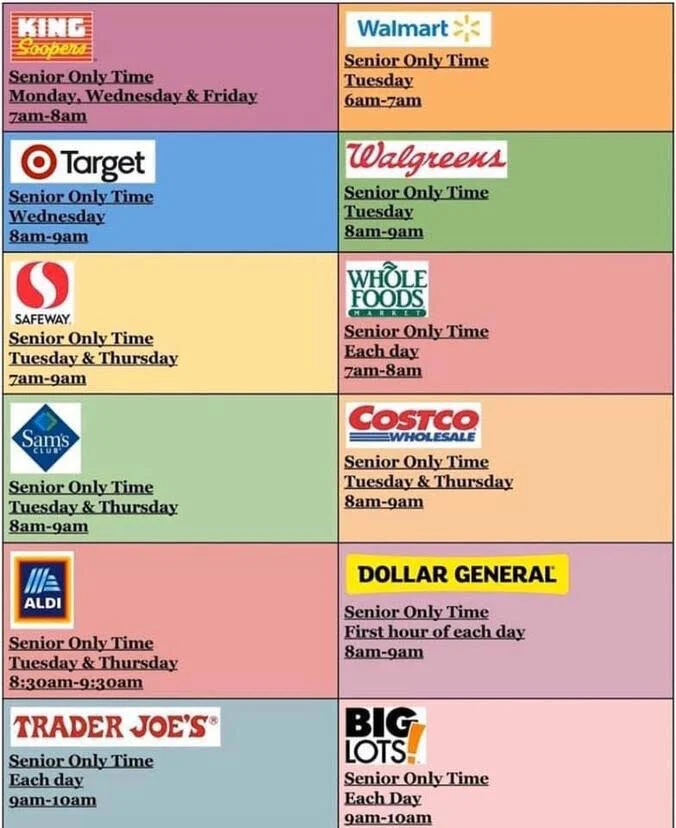
 There have been no reports of any Colorado stores instituting early hours for elderly shoppers. Please call your local store and request it or email the corporate office. It has been established that the elderly community is at a higher risk of complications if they contract COVID-19. So it is important they avoid crowded public spaces.

It is paramount that we help our senior population as we practice social distancing. Please keep in mind older adults may have little to no internet or social media access. There have been many reports of seniors who were not aware of the lack of food and toiletries and are now unprepared. There are also scams popping up on platforms like Nextdoor offering to sell goods from their "clinic" but are asking for a credit card information over the phone to place the order. Unfortunately, they never deliver any goods and steal their credit card information.

Be sure to check-in with the seniors in your life or even your neighborhood to be sure they are safe and making smart decisions. 


Information for this article was sourced from:
https://www.tyla.com/news/news-coronavirus-stockpiling-supermarkets-open-early-elderly-old-people-20200316

We are now on Nextdoor!!!

1280px-Nextdoor_logo_green.svg.png

https://nextdoor.com/pages/maintain-me-thornton-co/recommend/

Maintain Me is now on next door so we can educate our community during a time that is effecting our senior population more than ever. We want to be source of knowledge versus fear. If you have ever worked with Maintain Me or know our team please consider recommending our services to your loved ones and neighbors so we can serve more people.

Maintain Me is Hiring! Join our Team

614ac00d-73ea-4efb-9f11-28a171430a17.jpg

Maintain Me is in need of a 
Transition Coordinator

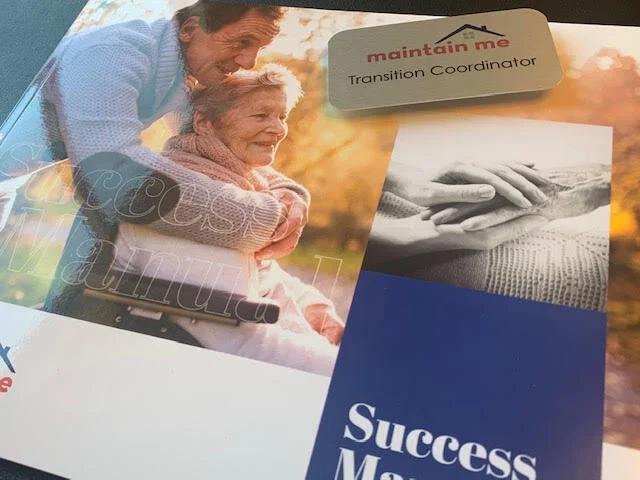
Transition Coordinators are professionals who advise seniors and their families on housing and lifestyle options. The aim is to help seniors live as independently as possible, according to Maintain Me, a Denver- Metro based Case Management and Transition Agency. The duties range from sales and marketing, being an expert in senior resources, and learning the basics of social-service oriented tasks that help seniors make decisions about healthcare, finances and retirement to end of life planning.
 

Essential Duties:

  • Consultation with clients and their families regarding quality, level of required care and/or more advanced medical management needs.

  • Determine Transition vs Case Management needs.

  • Being an advocate to seniors and families during transition to senior living and/or receiving more care in the comfort of their home.

  • Research and provide options to senior and families when determining the safest environment to promotes success.

  • Touring with clients to allow choices and being knowledgeable of all senior facilities big or small in your designated area.

  • Marketing and networking on behalf of Maintain Me including but not limited to: Presentations, one on ones, proactively building referral pipeline, and sharing internal/team successes. 

  • Coordinating with a team of Transition Coordinators, Case Managers, the Transition Director and owners of Maintain Me to problem solve and improve processes to allow growth and the ability to serve more families and seniors.

  • Navigating the healthcare system and discovering new resources to best serve our clients.

Knowledge and Skills:

  • 2 years’ medical background preferred.

  • Love for seniors and ability to listen to challenges at hand with a non bias view point.

  • Knowledge on HIPAA, as confidential material often passes through his/her hands.

  • Interpersonal skills are important, as interaction with a wide variety of people either in person, over the phone or via email, forms a part of daily activities.

  • A professional attitude and superior organizational and time management skills, with the ability to complete tasks within a deadline.

  • A great communicator and ability to update clients and partners in the community.

  • Honesty with assessments and integrity when consulting.

  • Good working knowledge of Google Drive, and the Microsoft Office suite and adequate typing skills.

  • Excellent language and grammar skills


Interested in working with Maintain Me?

Send all resumes to Chelsea@maintain-me.com

We look forward to hearing from you,
and why you would be a good fit for Maintain Me!

Hospital Discharge Checklist prepares Seniors for a Successful Recovery

19patient-articleLarge (1).jpg

Daily Caring explains what a successful hospital discharge looks like as well as a great FREE downloadable Checklist to guide you through the process.

After a hospitalization, older adults still need extra care in order to have a smooth recovery.

A successful hospital discharge helps them stay on track and regain as much independence as possible. And getting prepared before they actually leave the hospital will make a big difference in your older adult’s healing.

That’s because many of the issues that cause problems with recovery could be prevented if you’re both well-prepared for hospital discharge.

But unfortunately, the hospital discharge process is often rushed and confusing. It can be tough to get clear information from doctors and nurses and you may not know what questions to ask.

That’s why studies show that 40% of patients over 65 had medication errors after leaving the hospital.

Even worse, 18% of Medicare patients discharged from a hospital were readmitted within 30 days.

To reduce the chance that these problems will happen to your older adult, we found a helpful free hospital discharge checklist from Medicare that covers key questions to ask doctors, nurses, and social workers.

We explain what being discharged really means for someone’s health, what a successful discharge is, why many seniors aren’t prepared to leave the hospital, how a hospital discharge checklist improves recovery, and how to get seniors to accept the help they need.


What does being discharged from the hospital really mean?
When someone is discharged (released) from the hospital, it means their doctor has determined that they’ve recovered enough to no longer need hospital-level care.

It doesn’t mean they’re fully recovered.

Even though your older adult is able to leave the hospital, they will still need extra care. They might even need an intense level of care for weeks or months. Some people are well enough to get proper care and rehab at home (like physical therapy). Others may need a short-term stay in a skilled nursing facility.


What is a successful hospital discharge?
A successful hospital discharge means that your older adult leaves the hospital and continues their recovery without major problems.


Why aren’t seniors well prepared for discharge?
Hospital discharge nurses are often overloaded and unable to spend enough time helping patients and family understand everything they need to know about post-hospital recovery.

That’s why it’s so important to be a strong advocate and make sure you both have all the necessary information before leaving the hospital.


How a hospital discharge checklist improves recovery
Being prepared for the next step down in care, whether it’s at home or in skilled nursing, is important for a smooth recovery.

Medicare has a free hospital discharge checklist that covers the important things you’ll need to know before your older adult leaves the hospital.

It lists key questions to ask about follow-up care, problems to watch for, medication, needed equipment and supplies, and more.

Having a checklist means that you’ll be able to find out about the information, services, and resources that are needed for recovery before leaving the hospital.

After you leave, it becomes much harder to get helpful answers.


How to get seniors to accept needed help during recovery
A critical part of a strong recovery is making sure your older adult follows the doctor’s instructions.

Some people may have unrealistic expectations about what they’ll be able to do on their own after leaving the hospital.

If that’s happening, ask a doctor or nurse to explain to both of you what your older adult will actually be able to do on their own and what will be impossible.

Hearing directly from a medical professional is an effective way to convince seniors to accept the help they need.

It also helps you make sure they’ll have what they need to support their recovery.

Download Free Discharge Checklist HERE

I want to stay at home. Our recent Success Story in Case Management

unnamed.png

Maintain Me was called one Tuesday afternoon from a son who was joyful yet confused on what he needed. Our nurse spent time talking on the phone learning an incredible story about a gentleman who had been in the hospital, went through the entire healthcare system, from hospital to skilled nursing facility, home with palliative care and home health care and that coming Monday would be graduating from all services. We love to hear about this mans recovery as he is 85 years old. The son knew how well his father had recovered and was excited about how he was doing however was about to have to take on a lot more caregiver duties as he no longer qualified for it during his acute process. 

This is a perfect example on how Maintain Me can help with our case management program. Not only do we assist families with transition but with our three case management programs we can help no matter where a senior is in their aging process. 

We went to this gentleman's home and assessed his care needs as well as the relief of the family caregivers. We built a specific care plan, performed by a Registered Nurse and had a plan in place that everyone agreed on. This assessment looks at not only medical needs and safety but also is backed with a financial assessment to ensure affordability and sustainability. Within a week we had performed a cost analysis of 5 in home care providers specific to this persons needs, area and budget. We had an interview with the top preferred company and started services. 

As a case manager we were able to educate on what services are covered vs not, discuss the highest amount of care this person could afford before looking into next options, as well as discuss end of life and emergency situations with options such as advanced directives and dispatch health services. 

We are so happy to have been able to assist this man in staying at home and independent. I call every two weeks to ensure he is satisfied with the care we put in place and to remind him that Maintain Me is always here if he needs anything!


Chelsea Sweeney, RN
 Maintain Me
Senior Placement Services

Phone: 720-629-3050
Email: Chelsea@maintain-me.com
 

Coronavirus and Older Adults: Your Questions Answered

74191964.jpg

Maintain Me is no way trying to add to what is already A LOT of content out there regarding Coronavirus.

But as we now have confirmed cases of COVID-19 in Colorado we feel it's our responsibility to provide credible responsible information to our senior community. As always, it is our desire to help seniors and their families to make smart choices regarding their health that are not based in fear. 

A CDC official explains why more risk comes with
age from COVID-19

As the coronavirus spreads in the U.S. and across the globe, it’s becoming more apparent that older adults and people with underlying health conditions are being hit hardest by the illness it causes. AARP asked Nancy Messonnier, M.D., an internist and director of the Centers for Disease Control and Prevention’s (CDC) National Center for Immunization and Respiratory Diseases an internist and director of the Centers for Disease Control and Prevention’s (CDC) National Center for Immunization and Respiratory Diseases, to give us her most up-to-date insights on the coronavirus and how it’s impacting older adults.


What’s your best advice for people over 65 in dealing with the outbreak?
The greatest risk of infection is among those who are in close contact with people who have COVID-19. This includes family members and health care workers who care for people who are infected. If you’re 65 and older and live where cases have been reported, take action to reduce your exposure. Know what’s going on locally. Pay attention to recommendations from your local public health department. Also, make sure you have adequate supplies of routine medications, like medicine for blood pressure and diabetes, and household supplies in case you need to remain at home. 

Is it true that older adults face an elevated risk from the virus?
Older people and people with underlying health conditions appear to be about twice as likely to develop serious outcomes versus otherwise younger, healthier people. CDC is particularly concerned about these people, given the growing number of cases in the United States. 

Older adults experience a gradual deterioration of their immune system, making it harder for their body to fight off diseases and infection. Many are also more likely to have underlying conditions that hinder the body’s ability to cope and recover from illness. People with health conditions like heart disease, lung disease and diabetes need to be especially careful to avoid
exposure to COVID-19.
What should older adults in assisted living or retirement communities do?
Right now, we still judge the general risk to the American public to be low. However, those who are older and medically fragile would be at higher risk if there was spread in a community. There are general, commonsense measures that we ask long-term care facilities to do to make sure to protect their residents, and they are the same things that we’ve been talking about—washing hands, identifying people who are sick early to make sure that they get appropriate medical care. And when somebody is sick, trying to keep them from infecting others.

Should children, friends or caregivers stop or restrict visits to older people while this situation remains volatile?
 This is when knowing what’s going on locally is really important. What is appropriate for a community seeing local transmission won’t necessarily be appropriate for a community where no transmission has occurred. Communities that have seen spread of the virus may encourage social distancing, with a goal of reducing face-to-face contact. 

Should people limit or avoid routine trips to doctors’ offices during this time?
Call your doctor’s office and ask what strategies they’re employing to protect patients. If you develop COVID-19 symptoms, call your health care provider, inform them of your symptoms, and follow their instructions. CDC is also providing guidance to health care facilities on steps they can take to prepare for coronavirus disease.

Will warmer weather cause the number of cases of COVID-19 to drop?
It is not yet known whether weather and temperature impact the spread of COVID-19. Some other viruses, like the common cold and flu, spread more during cold weather months, but that does not mean it is impossible to become sick with them during other months.

There is much more to learn about the transmissibility, severity and other characteristics of COVID-19. Investigations to find those answers are ongoing.


This article was featured at:
https://www.aarp.org/health/conditions-treatments/info-2020/cdc-covid-19.html?cmp=EMC-DSO-NLC-RSS---CTRL-030620-P1-4416516&ET_CID=4416516&ET_RID=36681338&encparam=wkysKG5P8%2fXrG29py%2b20OZ%2fGsl2lm6X5g3df6nxsIu4%3d


A letter from one of our community partners regarding Best Practices for Caregivers


As many of you know, we are being proactive with protecting ourselves, our clients and all activities or daily routines we all have.  Here are some MUST DO’s for a successful and proactive program while facing any virus, including the Coronavirus.


  1. NO Handshaking.  A verbal hello, bump elbows, a slight bow are best.

  2. DON’T touch your face.  So easy to do (On average a person touches their face 90x a day)

  3. Use only your knuckle or elbow to push elevator buttons, turn on/off lights, etc…

  4. WASH HANDS, wash hands wash hands (Carefully & thoroughly – 20 seconds minimum)

  5. Use DISINFECTANT WIPES & SANITIZER (60% + alcohol based) when available at stores, any pubic place, in your car, etc…

  6. Sneeze into disposable tissues and discard in trash.  Use your elbow only if you have to.  Viruses can stay in clothing up to a week.  Best to only wear a shirt or pants once, then wash.

  7. Use latex gloves (disposable) when at all possible. 

  8. Zinc Lozenges – Use as directed, but they have been proven to be effective in blocking viruses from multiplying in throat and nasal passages.


 98% - 99%% of those infected will show signs of flu like symptoms and recover fine.  It’s the 1% - 2%, including the elderly, folks with weakened immune systems, lung infections/issues, that are at a higher risk of serious infection from CV.  
 
 
Let’s pull together and use best practices, starting today.    
 
 
Rick Cseak
Owner/CEO Home Helpers


Prevent falls in Seniors with this helpful Conversation Guide

prevent-falls-older-age.jpg

Falls may seem like a natural part of aging but they can be life changing for a Senior who wants to stay independent in their home. That's why we love this article from Daily Caring.

It included this great FREE resource from the National Alliance for Caregiving in partnership with the National Council on Aging. The guide explains why fall prevention is such a serious issue, covers fall prevention basics, and includes a 3 step conversation guide that helps you take action to prevent falls.

Preventing falls in seniors keeps them healthy and independent for as long as possible and reduces caregiver stress. Productive conversations about reducing fall risk and simple changes at home can significantly reduce your older adult’s chances of falling.

But those discussions can sometimes be challenging. 

This conversation guide helps you take action to prevent falls in seniors
We like this free guide because it’s easy to understand and includes helpful checklists. 

Here’s what they cover:
 

Step 1 (page 5): Is it time to talk about fall prevention?
This handy checklist helps you figure out if your older adult is at risk for a fall. 

Answer the questions on their behalf to gauge their fall risk. A score of 4 or more points means that the person might be at risk for a serious fall in the future.

Next, answer the questions for yourself to assess your own fall risk — it’s important for you to be safe as well.

Step 2 (page 6): Talk about falls prevention with others
If the checklist in Step 1 indicates that your older adult’s fall risk is high, the next step is to talk with them about it. 

The list in Step 2 walks you through how to prepare for a successful conversation, gives suggestions on what to say, and helps set reasonable expectations.

Step 3 (pages 7-9): Develop a falls prevention action plan
In the third step, get 7 tips for creating an action plan to reduce fall risk. 

The risks you identified in Step 1 and the conversation notes in Step 2 will help you create the plan.

Additional resources (page 11)
Get additional information like infographics, brochures, tip sheets, videos, and more.


The link for this Daily Caring Article:
https://dailycaring.com/prevent-falls-in-seniors-with-this-helpful-conversation-guide/?utm_source=DailyCaring&utm_campaign=d831e4b906-DC_Email_2020-02-27&utm_medium=email&utm_term=0_57c250b62e-d831e4b906-123200633

Download the FREE Conversation Guide HERE

Morgan's Recent Success Story

87730196_XS.jpg

We all want what is best, but we don't all agree on what that is...

Maintain Me would like to Thank Melinda Boyd and Dr. Wegner's office for being a steadfast community partner for 4 years strong. Thank you for your dedication to positive outcomes for your patients and for trusting Maintain Me to be your valued resource. Without your support, we could not reach the number of families that we do! 


I came to meet Ginger last July. She is a devoted mother to 6 children, an avid outdoor enthusiast, and long time volunteer. Unfortunately, dementia was starting to take it's toll on her ability to care for herself. Her family had developed an elaborate and detailed plan to help her stay independent in her home. But this too, was starting to take its toll on her kids. Caregiving does not come naturally to all, nor does the ability to keep someone with dementia safe in their home, no matter how badly you want it to be. Ginger's kids were truly doing everything in their power to keep Mom at home: going to classes to learn how to be better care partners, taking turns moving into Mom's house so she was never alone, and keeping constant communication among themselves so not to miss an appointment or update. 

I was also kept in the loop. I knew each of her 6 kids played a different role in her wellness. One did the finances, another her medications, another tried to keep her socially engaged and the like. So I offered, that any one of them could reach out to me with questions because they all had different ideas of what was "best for mom". 

Then her daughter called me in tears. "My siblings are all mad at me because I told them I could no longer be Mom's carepartner. It is too difficult for me, and I lose my temper. I get sick with anxiety knowing that I cannot safely care for her, but I know that I can't. My brothers and sisters tell me I have no choice, but that is why I am coming to you for help. Her care is getting to be hard for all of us, but I am the only one willing to see what else is out there, because I think there is better." 

I agreed that there are lots of options! And we could start with the smallest changes and see if that helps, and work our way up to transition to a Memory Care if the need was there. 

I helped introduce Ginger and her family to the Senior Resource Center. She attended regularly, and I actually had my first meeting with her there too! We talked for two hours about skiing in Colorado, our favorite Front Range hikes, what flowers she liked to grow in her garden, and her favorite memories from the hundreds of hours she spent volunteering and giving back. Working with Ginger, I could see why her children were so dedicated, because she was a wonderful person that had passed on her values to her children. 

Ginger was doing well with Adult Day Programming, but I knew that there may still come a time that she would need more care. I encouraged the family to let me offer a few names of places to consider and possibly tour, just so we had a 'plan b' in case that Mom's care needs continued beyond their abilities to provide... and helping her daughter educate her siblings on what "other options" might be available to their Mom. 

We toured 15 places over several months! The most I have ever done with any client before, and that's OK by me. I was grateful that there are so many options for them to consider. I wanted them to find "the best" for their Mom. 

Now this carries a lot of weight in a family where they were divided on what that meant for their Mom. I also helped them modify their plans to where the one child that did not feel safe being Mom's caregiver could be my point person to share the information down the line, help organize the siblings that wanted to come on tours, make sure that all tour notes where shared with the group after each visit, and so on. She was a key to Mom's care success, her time spent was likely doubled with her new role, but it helped the collective in a way that matched her strengths. 

After months of research, and a few close calls with Mom falling, the family came together and decided on a place. We toured this community 3 times-- and they went on their own several times as well.
I encouraged this! 

Ginger has been settled for a little over a month now. While it took a little time, Ginger has adjusted, and her kids are enjoying quality time with their Mom versus the constant worry if they were doing enough to support her. 

Success!!!
 

Morgan Leigh Jenkins, MA
Transition Director
Phone: 303-847-6861
 Morgan@maintain-me.com
Aging 2.0 Local: How to Find Out What your Older Customer Really Wants

elderly-woman-on-computer--1.jpg

Wow! What a great idea.

Products and services that will delight your customers start with finding out what they need, regardless of their age. But to get actionable insights, you have to know how to ask. If stereotypes about older people shape your questions, you’ll get bad answers. If you ask the wrong questions or ask the wrong people, you’ll get bad answers. We’ll talk about how to redefine the longevity market in ways that help you find meaningful niches and the best method -- surveys, focus groups, interviews -- for each situation.

Kay Newman has been in the design of technology for over 30 years. As a User Experience (UX) Designer in an industry dominated by people under 30, she brings an awareness of how stereotypes about aging often compromise the human-centered design process and leave older people with technology that fails them.

User_Experience_Aging_2-26-2020-page-001.jpg

FREE Training: Trauma-Informed Care for Elders

unnamed.jpg

FREE TRAINING
Trauma-Informed Care for Elders

Presented by Dr. Sheri Gibson, PhD.

This training will emphasize the importance of providing person-centered and trauma-informed care as a vital component to ensuring care recipients are involved in and respected for their individual differences and past traumatic experiences. Placing people at the center of their care has multiple benefits including improving the quality of services provided, helping people obtain the care they need when they need it, empowering people to be more active in their care, and reducing some of the pressures experienced by those working in law enforcement, protective agencies, and the helping professions. The training is tailored with the goal of better serving Colorado’s most vulnerable community members and their families while continuing to embrace a culture of partnership, collaboration, and individual empowerment.

Learning Objectives for Trauma-Informed Care Training:

  • Understand what “trauma-informed” care means.

  • Understand why trauma-informed care is important in  communities.

  • Learn how trauma-informed care can improve service quality.

  • Understand the impact that re-traumatizing events can have on a trauma survivor.

  • Increase competency in recognizing and responding to the effects of all types of trauma.

  • Appreciate the bio-psycho-social components of trauma-informed care to support survivors in rebuilding a sense of control and empowerment.


Date:
Wednesday, February 26, 2020

Time:
Training 9:00am-11:00am

Where:
Aurora City Hall
City Council Chambers
15151 E. Alameda Pkwy
Aurora, Colorado
*Please note there are no refreshments are allowed in City Council Chambers 


Caregivers and Professionals Who Should Attend
Social work practitioners, medical, psychologists and mental health, legal/judicial, law enforcement officials and personnel, home care placement agencies, court-appointed guardians and conservators, community-center board staff and clergy. All of the above – whether paid or unpaid.

Professional development CEU’s are available.

All CCERAP trainings and materials are FREE

Colorado Coalition for Elder Rights and Abuse Prevention (CCERAP) CCERAP promotes statewide understanding of elder and at-risk adult abuse and the rights and protections available to elder and at-risk adults. CCERAP programs include free quarterly trainings. Videos of the trainings, PowerPoints and videos used by training presenters, quarterly newsletters and resources are posted on our website www.ccerap.org.


SUBSCRIBE TO THE NEWSLETTER
The Colorado Coalition for Elder Rights and Abuse Prevention (CCERAP) invites you to participate by subscribing. Receive quarterly newsletter and training notices. To join, log on to  www.ccerap.org, CCERAP NEWSLETTER on Home Page, complete fields, select to join.  
 
CCERAP provides training at no cost, thanks to financial support from the Older Americans Act, disseminated by the Colorado Department of Human Services, State Unit on Aging. CCERAP is a project of the Colorado Nonprofit Development Center.
 
Disclaimer: The Colorado Coalition for Elder Rights and Abuse Prevention (CCERAP) disclaims responsibility for any private publication. Views expressed in CCERAP presentations and printed information do not necessarily reflect the views of CCERAP, its Steering Committee members or staff, nor do the topics or issues presented imply endorsement by CCERAP.

Register with Eventbrite:

https://www.eventbrite.com/e/trauma-informed-care-for-elders-tickets-93583529857

Happy Presidents Day

1140-presidents-history-quiz-2.imgcache.rev86db35691f706f0a407580ec4bfa45ca.web.jpg

Test your presidential IQ with this list of fun Trivia questions.

01. Which President had an alligator as a pet?
a. James Madison 
b. Quincy Adams 
c. John Tyler 
d. Andrew Johnson

02. Which President served the shortest term? 
a. William Harrison 
b. Zachary Taylor 
c. James Garfield 
d. Richard Nixon

03. Who was the oldest President to be elected? 
a. Zachary Taylor 
b. William Harrison 
c. Ronald Reagan 
d. Gerald Ford

04. Who was the youngest President to be elected? 
a. John F. Kennedy 
b. William Clinton 
c. James K. Polk 
d. Grover Cleveland

05. Who was the shortest President? 
a. Benjamin Harrison 
b. Martin Van Buren 
c. James Madison 
d. John Quincy Adams

06. The term "First Lady" was first used in reference to which Presidential wife? 
a. Dolley Madison 
b. Lucy Ware Webb Hayes 
c. Priscilla Cooper Tyler 
d. Jane Appleton Pierce

07. How many presidents were assassinated in office? 
a. 5 
b. 4 
c. 7 
d. 3

08. How many Presidents had unsuccessful assassination attempts on their lives? 
a. 6 
b. 5 
c. 10 
d. 8

09. Which President was born on July 4? 
a. John Quincy Adams 
b. Gerald Ford 
c. Lyndon B. Johnson 
d. Calvin Coolidge

10. What was George Washington's Presidential salary? 
a. $15,000 
b. $25,000 
c. $50,000 
d. $40,000

11. Who said, "We grow great by dreams. All big men are dreamers"? 
a. Thomas Woodrow Wilson 
b. Abraham Lincoln 
c. George Washington 
d. Ulysses S. Grant

12. Who is credited for this famous quote: "A man is known by the company he keeps, and also by the company from which his is kept out." 
a. Ronald Reagan 
b. Theodore Roosevelt 
c. Harry S. Truman 
d. Grover Cleveland

13. Which president had the most children?
a. Theodore Roosevelt 
b. Benjamin Harrison 
c. John Tyler 
d. Rutherford B. Hayes

14. Who was the only unmarried president? 
a. Thomas Woodrow Wilson 
b. Abraham Lincoln 
c. James Polk 
d. James Buchanan

15. Who was referred to as the "Teflon President"? 
a. William Clinton 
b. Ronald Reagan 
c. James E. Carter 
d. Herbert C. Hoover

16. Only one Vice-President served a President due to a resignation. Who was he? 
a. Gerald Ford 
b. Calvin Coolidge 
c. Chester A. Arthur 
d. Lyndon B. Johnson

17. Which President served two non-consecutive terms? 
a. Thomas Jefferson 
b. Ulysses S. Grant 
c. James Madison 
d. Grover Cleveland

18. George Bush said that this President was "known to receive guests in his bathrobe and slippers." 
a. Thomas Jefferson 
b. John Adams
c. James Madison 
d. Martin Van Buren

19. Which First Lady had the very first bathtub with running water installed in the White House? 
a. Emily Ellison Taylor 
b. Abigail Fillmore 
c. Jane Appleton Pierce 
d. Priscilla Cooper Tyler

20. Who was the first President to wear trousers instead of knee breeches?
a. Thomas Jefferson 
b. James Monroe 
c. James Madison 
d. John Q. Adams

21. Who was the first President to be born a U.S. citizen? 
a. Andrew Jackson 
b. William Harrison 
c. John Adams 
d. Martin Van Buren

22. Besides President Clinton, who was the only other President to be impeached? 
a. Richard Nixon 
b. Lyndon Johnson 
c. Andrew Johnson 
d. Harry S. Truman

23. Which President was awarded the Nobel Peace Prize? 
a. Ronald Reagan 
b. Theodore Roosevelt 
c. Franklin D. Roosevelt 
d. William McKinley

24. Which President is credited with the creation of the phrase "OK" or "Okay"? 
a. Martin Van Buren 
b. John F. Kennedy 
c. Zachary Taylor 
d. James Buchanan

25. Which President was famous for his cooking? 
a. James Carter 
b. James Garfield 
c. Dwight D. Eisenhower 
d. Calvin Coolidge

26. Which President played saxophone in a high school jazz trio? 
a. William Clinton 
b. Ronald Reagan 
c. Gerald R. Ford 
d. Harry S. Truman

27. Who was the 35th American President? 
a. Dwight D. Eisenhower 
b. Lyndon B. Johnson 
c. Richard Nixon 
d. John F. Kennedy

28. What is the most common presidential first name? 
a. John 
b. Andrew 
c. James 
d. William

29. Which president had pet elephants? 
a. Millard Fillmore 
b. James Buchanan 
c. Martin Van Buren 
d. John Quincy Adams

30. Whose presidential campaign slogan was "A chicken in every pot, a car in every garage"? 
a. Ronald Reagan 
b. Herbert C. Hoover 
c. William Clinton 
d. Woodrow Wilson


ANSWERS

01. b. Quincy Adams (Adams kept his unusual pet in the East Room of the White House.) 

02. a. William Harrison (President Harrison died on April 4,1841 of pneumonia, after only 30 days in office.)

03. c. Ronald Reagan (President Reagan was 69, only a few days short of his 70th birthday at inauguration.) 

04. a. John F. Kennedy (President Kennedy was 43 years old at his inauguration, making him the youngest elected president; however, Theodore Roosevelt was actually the youngest to become president (42) when he succeeded President McKinley who had been assassinated.) 

05. c. James Madison (President Madison was 5'4" making him the shortest president in history. Benjamin Harrison and Martin Van Buren followed closely at 5'6".) 

06. a. Dolley Madison (This term was first used in 1849 by Zachary Taylor at the state funeral of Dolley Madison. The term was later popularized in 1877 when the title was given to Lucy Ware Webb Hayes.) 

 07. b. 4 (Presidents Lincoln, Garfield, McKinley, Kennedy were all assassinated while in office.)

 08. a. 6 (Presidents Jackson, T. Roosevelt, F. Roosevelt, Truman, Ford, Reagan all had unsuccessful attempts on their lives.) 

09. d. Calvin Coolidge (President Coolidge was born on July 4, 1872.) 

10. b. $25,000 (President Washington received $25,000 a year for his duties compared at the current presidential salary of $400,000.) 

11. a. Thomas Woodrow Wilson 

 12. d. Grover Cleveland

13. c. John Tyler (President Tyler had fifteen children from two separate marriages, fathering his last child when he was 70 years old, just two years before his death.)

14. d. James Buchanan (After a broken engagement and the subsequent death of his former fiancee, Buchanan vowed to never marry.)

15. b. Ronald Reagan (It is said that President Reagan earned this nickname due to his ability to avoid blame during scandals.) 

16. a. Gerald Ford (Ford was appointed vice-president when Spiro Agnew resigned. He was the first person ever to be appointed to the vice presidency. He later became president when Richard Nixon resigned his office on August 9, 1974.) 

17. d. Grover Cleveland (President Cleveland served his first term from 1885-89 and his second term from 1893-97, following President Benjamin Harrison's stint in office.)

18. a. Thomas Jefferson(President Bush made this comment at a ceremony commemorating the 265th birthday of President Jefferson.) 

19. b. Abigail Fillmore(First Lady Fillmore had the bathtub installed during her husband's 1850-53 term in office.) 

20. c. James Madison

21. d. Martin Van Buren (President Van Buren was born December 5, 1782 in Kinderhook, New York. He was the first president to be born an American citizen. He was also the first president to have Dutch, rather than English, as his first language.)

22. c. Andrew Johnson (President Johnson was impeached twice. The first was in 1867, which was simply a list of complaints. In 1868, the accusation was that President Johnson had violated the Tenure of Office Act when he removed Edward Stanton as Secretary of War and replaced him with Lorenzo Thomas. In both cases, the Senate could not come up with the two-thirds majority needed to convict so Johnson was acquitted of all charges.) 

23. b. Theodore Roosevelt (President Roosevelt was given the prize in 1906 for arbitrating the end of the Russo-Japanese War.) 

24. a. Martin Van Buren (President Van Buren was nicknamed "Old Kinderhook" after his hometown. This was later shortened to O.K. and the phrase "It's OK" was born. This eventually evolved to the official work "okay".) 

25. c. Dwight D. Eisenhower (President Eisenhower loved to cook and is known for his recipe for vegetable soup which can be found online if you wish to try it.) 

26. a. William Clinton (President Clinton played in a trio called "Three Blind Mice".) 

27. d. John F. Kennedy

28. c. James (Six Presidents had the first name James including: Presidents Madison, Monroe, Polk, Buchanan, Garfield, and Carter (although inaugurated officially using the name "Jimmy"). The next most common name is "John" with four presidents bearing this name including: Adams, Quincy Adams, Tyler and Kennedy.) 

29. b. James Buchanan (President Buchanan received a herd of elephants as a gift from the King of Siam. He also had a pair of bald eagles and a dog.) 

30. b. Herbert C. Hoover 


Link to this content below
https://www.diva-girl-parties-and-stuff.com/presidential-trivia.html#preztriviaanswers
 

Photographer Asks Elderly Couples To Pose For Engagement-Style Photos

5d374c273b00003700dad3ff.jpeg

In case you were wondering what true love looks like on Valentine's Day...

Check out the photos of Sujata Setia. She captures the love and romance between couples who've been together for decades.

Photographer Sujata Setia travels the world running photography workshops for students in places like Ireland and Dubai. Wherever she is, she asks elderly, long-married couples to volunteer as models for her and her students. “Let us take some engagement-style photos of you and you can keep them,” she tells the couples.

Their reactions are usually quizzical. “Who, us? Why?”

“It’s just the pleasant shock of never, ever imagining that someone would ask them to pose like a newly married couple at 80 years old,” Setia told HuffPost.

The resulting photos are sweet and poignant, captured in Setia’s trademark light-filled, painterly style.
(She’s also taken photos of grandparents and their grandkids.)

The London-based photographer admits she usually has to coax the couples to act like newlyweds, at least initially.

“I tell them to hold hands, kiss. The couples always laugh first, the husbands mostly,” she said. “And then the shoots are always so full of laughter because both husband and wife are endlessly giggling.”

Eventually, the couples’ initial shyness gives way to genuine romantic moments ― sometimes a little too romantic. On a recent trip to Ireland, the couple Setia was shooting at a beach were so into each other, she had to ask them to ease up on the kissing.

“The weather was ridiculous that day. There was rain and thunderstorms and the couple was freezing but the lady would not stop kissing her husband,” Setia said. “I had to literally shout, ‘Mary, will you stop kissing your husband. I need to take different shots!’”

For more of Setia’s très romantique photos of couples, scroll down and visit her Instagram page for more of her work.


This was article was written by Brittany Wong
https://www.huffpost.com/entry/older-couple-engagement-photos_l_5d3736a9e4b020cd994a5aba