How to to celebrate Memorial Day 2020 at home

faldmowork13.jpg

Memorial Day is an annual day meant to honor and remember military personnel who died in service to their country. Celebrations for the holiday, which occurs on the last Monday in May, won’t look like they have in prior years.


Typical gatherings — including having extended family and friends over for a barbecue — likely won’t happen for most people. But that doesn’t mean there aren’t other ways you can recognize the holiday at home. Here are some great activities you can do to celebrate Memorial Day while adhering to social distancing guidelines.

Get patriotic with chalk art
You and your family can use chalk as a creative way to mark the holiday. Illustrate a patriotic mural or scribble a thank you message to veterans in your driveway or a nearby walkway.

Donate flowers to a fallen hero
On Memorial Day, recognize veterans by donating flowers to their grave through Memorial Day Flowers, an organization that coordinates placing flowers for interned veterans.

Decorate your space in red, white and blue
You may be unable to have your usual gatherings, but that doesn’t mean you can’t decorate. Hang some red, white and blue decor around your home to mark the holiday. There are lots of ideas on Pinterest — including edible creations.

Watch the National Memorial Day Concert
While the yearly National Memorial Day Concert won’t happen on the West Lawn of the U.S. Capitol this year, the event will still air at 8 p.m. Sunday, May 24 on PBS. Actors Joe Mantegna and Gary Sinise will host a special presentation of the illustrious concert, which will include new performances and tributes filmed in different locations around the nation and renowned stories from past concerts.

Post a social media tribute
If you know someone who died in battle while in service to the country, Memorial Day could be a good time to remember them online. Take to Facebook or Twitter to share a heartfelt ode to a fallen hero. Beginning next year, Facebook’s Memories feature will remind you of the tribute for years to come.

Hear veterans’ stories in their own words
StoryCorps offers a variety of oral stories from service members, veterans and their families through its Military Voices Initiative. “In doing so we honor their voices, amplify their experiences, and let them know that we—as a nation—are listening,” the website said.

Fly a flag
One of the simplest and most poignant ways of celebrating Memorial Day at home is to place an American flag outside your home. When doing so, be sure to follow the proper etiquette and guidelines in the U.S. Flag Code.


Have a Wonderful & Safe holiday!


Link to full article and additional links:
https://www.ajc.com/lifestyles/ways-celebrate-memorial-day-2020-home/7Iy8A774pNy0RhsY4gBNrJ/


2020 Elderly Eye care Resources

closeup-side-portrait-of-white-elderly-woman-39-s-eyes_53876-14954.jpg

We were contacted by Meghan Villalba, the Co-Founder & President of AROCC.org, an organization dedicated to compiling resources for chronic conditions from around the web and making them
easily accessible to all.

Eye health in seniors is an extremely important topic. According to the American Academy of Family Physicians, approximately one in three elderly people experience some type of vision reduction or eye disease by age 65. There seems to be a severe lack of information and resources around

senior eye health. 


They shared a comprehensive guide to eye care for seniors that was put together by the Ophthalmology team over at UCF Health (University of Central Florida health practice).


This guide provides detailed info on a number of important topics including:

The four most common eye conditions/diseases
Cataracts
Glaucoma
Macular Degeneration
Diabetic Eye Disease
Preventative eye care tips
Eye check-up protocol
Convincing family members to see an ophthalmologist (so important!)


Check it out!
https://ucfhealth.com/our-services/ophthalmology/eye-care-for-seniors-guide/

PayPal sees a rise in ‘silver tech’ as older generations test digital payments

seniorTech.jpg

KEY POINTS

  • People over 50 were PayPal’s fastest-growing segment from March to April. 

  • CFO John Rainey says the older demographic, or the so-called “silver tech,” helped total payment volume -- in large part because of an increased purchase size. 

  • Venmo in particular stands to benefit from a new audience. The app has roughly 52 million active users thanks to its popularity with younger generations. But it has yet to turn a profit for its parent company.  

PayPal is attracting a new demographic during stay-at-home shutdowns: what it calls “silver tech.”

The company has seen an older audience flock to digital payments as cash is seen as a germ risk and people across the U.S. stay at home to avoid spreading Covid-19. People over 50 were the company’s fastest growing segment from March to April, according to PayPal. 

This cohort of “silver tech” helped PayPal’s total payment volume recover back to “pre-Covid” levels, CFO John Rainey said at the J.P. Morgan Global Technology, Media and Communications Conference last week. 

“We think that these are some sustainable trends in our business,” Rainey said at the annual event, which took place over video conferencing this year.

The demographic shift happened as many were forced to experiment with online shopping, or looked to pay friends or family members. The boost in payment volume was also thanks to the larger purchase sizes by that demographic, according to Rainey. 

E-commerce more broadly has seen a boost from the Covid-era shutdowns. Mastercard and Visa both reported a more-than 40% jump in e-commerce in their second quarter results. Visa, meanwhile, saw an increase in first-time shoppers internationally. In Latin America, two out of ten card users paying for something online were doing so for the first time, Visa told CNBC. 

A welcome boost for Venmo 
The demographic shift was across PayPal broadly — which includes PayPal Checkout and the company’s peer-to-peer payment app, Venmo. PayPal did not break out the growth in PayPal vs. Venmo with the older generation. But PayPal Checkout is much larger than Venmo, and exists on 80% of the top 500 online retail sites, according to MoffettNathanson. 

Venmo in particular stands to benefit from a new audience. The app has roughly 52 million active users thanks to its popularity with younger generations. But it has yet to turn a profit for its parent company. 

“While user growth and engagement growth is great, they need to drive more monetization,” MoffettNathanson partner, Lisa Ellis told CNBC. 

Younger adults are historically more likely to use these peer-to-peer apps than their older counterparts. A recent survey from AARP found that nearly 70% of respondents younger than 50 used PayPal, compared to roughly 50% for those over 50. When it came to Venmo, the difference was much more stark. About a third of younger respondents use Venmo, compared to just 9% of those over 50.

The top reasons for using these apps are to send money to a friend or family member, followed by purchasing an item through an online bidding site, according to the AARP survey. PayPal said that was consistent with that it saw in March.

PayPal also saw more “payments of goodwill” and acts of kindness during the Covid pandemic. The Medical Mask emoji, for example, saw a 375% increase from March to April.
 

Link to this article:
https://www.cnbc.com/2020/05/18/paypal-sees-a-rise-in-older-generations-trying-digital-payments.html
 

COVID-19 and the Future of Long-Term Care

2_ITV-weatherman-Chris-Page-shared-this-adorable-snap-of-grandparents-in-self-isolation-due-to-coronav.jpg

The images are everywhere.
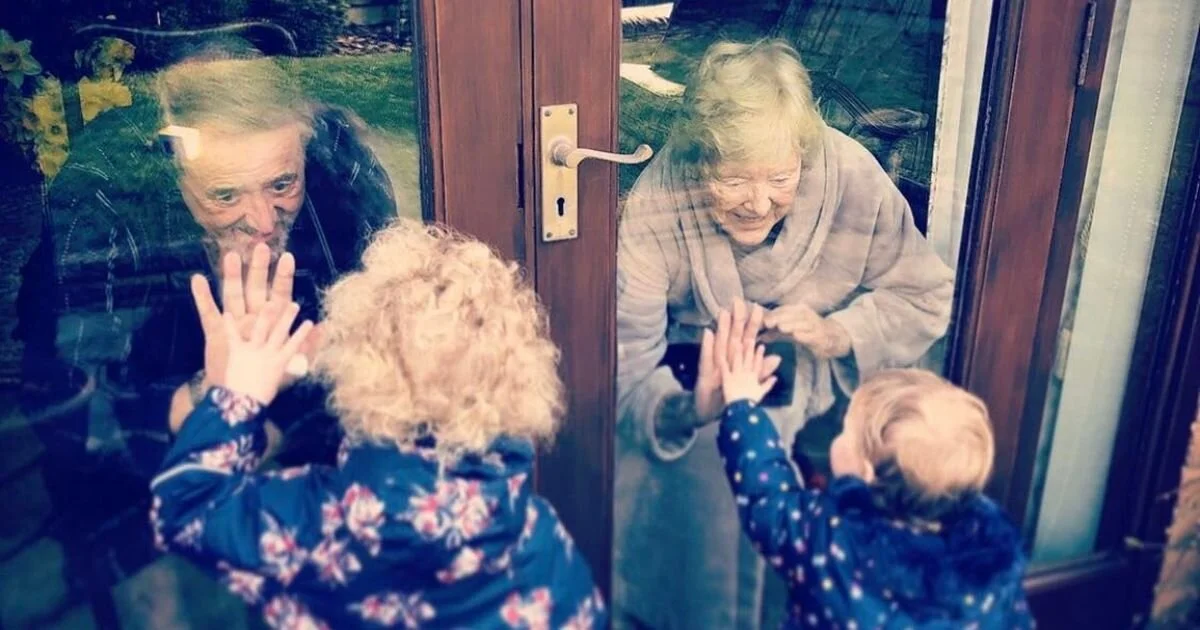
Families visiting their senior loved ones through pane glass windows. They are a powerful representation of the lengths our society has gone to, to keep them safe.

While the pandemic is not over there are already great minds trying to proactively make changes to better protect seniors in the wake of another virus. This article from the National Review gives some insight as to what those changes may look like.

The Coronavirus pandemic has created an impetus for change in the way we administer congregate care to those who need it.

University of California, Berkeley urban-policy professor Carol Galante, writing in the New York Times last week, argued that “now is the time” for cities “to embrace density.” She worried that NIMBY types might be emboldened by a coronavirus that preys on the closely congregated, and insisted that society has “an obligation to ignore the short-term reactionary impulse to blame density for the spread of the coronavirus and instead use this opportunity to rethink the policies that impede the construction of new housing, at more price levels, in the places where housing is most needed.”

Galante’s opponents — you will not be surprised to learn — have long “cloaked” their opposition to further development with feigned outrage over things like “neighborhood character and traffic impacts,” meant to conceal their ostensibly unsavory motives. COVID-19, she worries, will provide them with another “rallying cry to maintain [their] sprawling fortress neighborhoods designed to foster exclusion.”

While Galante’s piece reads like a flailing attempt to salvage her imperiled commitment to “density,” she is right that the coronavirus pandemic will eventually pass, and that our debates over things such as urban policy will retain much of their pre-pandemic character when it does. Population density won’t disappear any time soon, and much less of our urban policy and related debates will change than those now wishfully touting a “new normal” would have us believe.

One source of population density has, understandably, received a lot of coverage of late: nursing homes. The buzzword that has defined the American long-term care debate for the past 40 years is the word “community” — read through any policy brief on “long-term supports and services” (LTSS) and you’ll find it saturated with euphemisms like “community-based care.” The underlying ideological assumption is that it is almost always better for someone who needs long-term care to be serviced “in their community” — with an at-home attendant, in a small group-home setting, or in an outpatient arrangement — than in a congregated setting like a nursing home.

To be sure, most people would agree that it is preferable for an elderly person to be cared for by their family, whenever possible, and that “putting grandma away” is not a preferable alternative to caring for her at home. But there are nevertheless many forms of “long-term care,” many different types of “long-term-care facilities,” and still more reasons why a person might require LTSS in the first place.

Just as population density has proven to be a handicap in fighting the coronavirus in cities and other urban centers, long-term-care facilities for the elderly and infirm have been especially vulnerable to the spread of the virus. The Washington Post reports that more than one-third of national COVID-19 deaths have occurred in “nursing homes and other long-term care facilities.”

It is worth noting that the phrase “long-term-care facility” is often used as a synecdoche for “nursing home,” which itself covers everything from skilled nursing facilities (SNFs) to assisted-living facilities to memory-care homes. In more normal times, each type of facility has a unique role in the provision of long-term care. But in the fight against COVID-19, they all face similar challenges, because they house elderly people — an already vulnerable population made more vulnerable by the virus — in relatively close proximity to one another, making viral outbreaks within their walls more likely.

Other forms of long-term care present different challenges. Many group homes for persons with intellectual or developmental disabilities have struggled to contain COVID-19 outbreaks: Some in the IDD population struggle to understand and thus adhere to social-distancing guidelines, or have underlying health comorbidities that make them especially vulnerable to the virus. Psychiatric hospitals and intermediate-care facilities for the developmentally disabled have struggled in different, but still profound, ways.

All of which raises the question: What should change in congregate-care settings when the pandemic ends? There will certainly be calls to abolish them outright in favor of a universal, “community-for-all” regime, but — to borrow from Galante — we should avoid that “reactionary impulse.” It is not always possible to offer effective “community-based” long-term care to the many different populations that need it; severely demented adults, for instance, are often a danger to themselves or others, and require the more structured environment of a state hospital or memory-care facility.

One plausible long-term change might be prompted by current CDC coronavirus guidelines. The CDC is telling nursing homes to use internal “COVID-19 care units” for affected patients, isolating them from other residents. This, if taken to its logical conclusion, might inspire a return to the spacious facilities pioneered by the more rural “cottage-plan” model of congregate care that flourished in the early 20th century. The cottage plan is a campus-style arrangement in which residents reside in separate buildings on a large plot of land, rather than being consolidated into a drab and clinical central facility. A return to something like it would ward off future outbreaks by making it easier to isolate affected residents, while also helping to make long-term institutional care more humane and home-like for those who require it.

Crucially, the fact that COVID-19 is spreading more aggressively in poorly ventilated buildings might inspire a renewed focus on architecture, reviving a more beautiful and intentional approach to facility design. The beauty of the spaces we inhabit matters, and it matters all the more to people in long-term care who spend a great deal of time indoors, on facility grounds.

Congregate care will remain with us when the coronavirus pandemic ends. We ought to learn what lessons we can from our present crisis to better structure and administer such care in the future.

By JOHN HIRSCHAUER


The link to this article:
https://www.nationalreview.com/2020/05/coronavirus-future-long-term-care/

Help spread the word: ConnectToCareJobs.com, a new website to help combat health care workforce shortages in Colorado, during the coronavirus disease

unnamed (2).png

On Friday, May 8, the Department of Health Care Policy & Financing launched ConnectToCareJobs.com, a new website to help combat health care workforce shortages in Colorado, during the coronavirus disease (COVID-19) public health emergency and beyond. Focused entirely on health care, ConnectToCareJobs.com quickly connects residential care facilities and providers with health care professionals seeking employment. 
ConnectToCareJobs.com allows health care providers to select open positions they are hiring for and be matched with job seekers that fit their hiring needs. Job seekers can create a profile identifying the position they are interested in, the distance they are willing to travel for the position, and other professional skills and experience. 


Licensed residential care facilities:

  • Will receive an invitation from the Department of Health Care Policy & Financing to create an account at ConnectToCareJobs.com

  • Input specific jobs you are hiring for with anticipated start dates

  • Update the jobs you are hiring for as new needs are identified

  • Receive immediate job seeker matches

Job seekers:

  • Visit ConnectToCareJobs.com to create your account

  • Fill out the form with information about your skills and availability

  • The matching tool will pair your profile with facilities looking for staff in your field

  • A facility in need of your specific talents may then contact you directly

Many health care employers and employees have experienced significant disruptions due to the COVID-19 pandemic. The Department worked with ADvancing States and Centene Corporation to develop ConnectToCareJobs.com to help Colorado residential care facilities who need employees connect with health care professionals who need jobs. 
ADvancing States represents the nation’s 56 state and territorial agencies on aging and disabilities and long-term services and supports directors. Centene Corporation volunteered to donate resources to build, host and develop ConnectToCareJobs.com.


The initial launch of ConnectToCareJobs.com is focused on residential care facilities; the site may expand to include hospitals and home care agencies in subsequent phases.


Have questions? Reach out to us at agingstrategy@state.co.us 

unnamed (3).png

Helpful tips for Managing Dementia Rummaging Behavior

alzheimers-rummaging-hiding-things-inline.jpg

When seniors with dementia won’t stop rummaging through their things, it can be disruptive, frustrating, and make a mess.

Your older adult may repeatedly dig through drawers and cabinets or search rooms over and over again.

They might take items from one place, hide them all over the house, and then get upset when they can’t find those things. Or, they might repeatedly re-organize things.

Understanding what’s causing this behavior helps you respond without causing arguments. That minimizes conflicts, which makes life easier and less stressful for both of you.

Daily Caring explains what causes dementia rummaging behavior and share 9 ways to help you manage it – with plenty of ideas and examples.

What causes dementia rummaging behavior?
Alzheimer’s disease and other dementias cause problems with memory and thinking. This can lead to repetitive or difficult behaviors.

Rummaging is a coping mechanism for the disorientation that dementia causes.

The person with dementia is usually trying to reassure themselves that familiar items are still there or are trying to fulfill a need, like eating when hungry or doing something useful.

Attempting to get someone to stop rummaging or re-organizing can cause them to become increasingly agitated, paranoid, and determined to do it.

Instead, manage the behavior so it’s safer and less disruptive.


9 ways to manage dementia rummaging behavior


1. Make sure they won’t accidentally hurt themselves
If dangerous items are easily accessible, seniors with dementia could easily mistake them for safe objects and hurt themselves.

For example, they may not recognize knives as sharp items and could cut themselves. Or they could mistake cleaning fluids for normal beverages.

To keep them safe while they’re rummaging, remove potentially dangerous items and keep them out of sight in secured, locked areas.

Spoiled food (or even raw meat) in the refrigerator or cabinets could also be a risk. People with dementia might be looking for a snack, but aren’t able to recognize when food isn’t safe to eat.

Clear out food as it expires and make it difficult to access raw foods or cook them right away.


2. Protect valuables and important documents
Your older adult’s rummaging behavior might stress you out because they could lose or destroy a valuable object or important document.

The best solution is to remove anything of value or importance and lock them safely away.

That could include jewelry, legal or financial documents, checkbooks, credit cards, or keys. You could even replace some items with fakes so your older adult won’t notice they’re gone.

Another concern is that your older adult could be hiding or throwing away the mail. If that’s happening, you may want to redirect all their mail to a post office box or a trusted relative or friend’s house.


3. Look for triggers
Sometimes, a person with dementia might start rummaging in response to a triggering event. Maybe they do it at a certain time each day, when they get bored, or when they’re agitated.

You may find that sticking to a regular daily routine helps because it gives structure and rhythm to the day. That reduces the uncertainty and anxiety that could trigger rummaging.

Try to look for patterns in their behavior and see if you can figure out what might be causing their rummaging.

If you find a trigger, try to prevent the rummaging before it starts by distracting them with an activity they enjoy or maybe a snack.


4. Make commonly used items easy to find
Your older adult might have a valid reason for rummaging. They could be looking for a specific item, but can’t find it and can’t explain what they’re looking for.

Helping them easily see or locate commonly used items is another way to reduce rummaging behavior.

You could put things in clear containers or specific drawers and label the contents.

Or keep similar items together, like gathering a certain amount of clothing into one drawer – underwear, tops, bottoms, socks, etc.


5. Have backups of frequently lost items
Some older adults don’t feel at ease until they know exactly where a specific object is. If that’s the case, consider buying multiples of that thing or as similar an item as possible.

For example, if your mom is always looking for her purse, buy a few inexpensive ones that are the same or similar style. That way you’ll always be able to help her “find” it.


6. Reduce overall anxiety levels
In some cases, rummaging is a response to feeling anxious or agitated.

If you notice that your older adult seems frantic or anxious while they’re rummaging, it’s helpful to try and figure out the cause.

Repetitive behavior like rummaging can be soothing to someone who is feeling anxious. Simply going through familiar items can be comforting.

If this is the case, reducing their overall anxiety level can reduce their need to rummage.


7. Reduce boredom with activities
Rummaging behavior could also be caused by boredom or loneliness.

People with dementia might not be able to find satisfying activities for themselves. Or they may need to interact with more people.

For some people, group interaction and activities in adult day programs may be a good solution. Others may enjoy having more visitors, whether it’s family, friends, or an in-home caregiver.

Offering a variety of no-fail activities is another way to reduce rummaging behavior. Having something engaging and absorbing to do distracts from the urge to rummage and redirects their attention.

Many seniors with dementia enjoy listening and singing along to music, caring for dolls, simple puzzles, coloring, and more.

Experiment with different activities to see which ones your older adult likes.


8. Help them feel productive
What looks like rummaging to us could be a way for your older adult to feel like they’re doing something productive.

In that case, it helps to offer alternate activities that help them feel like they’re being productive and contributing to the household.

You could ask them to help you with simple tasks they’ll be able to do successfully.

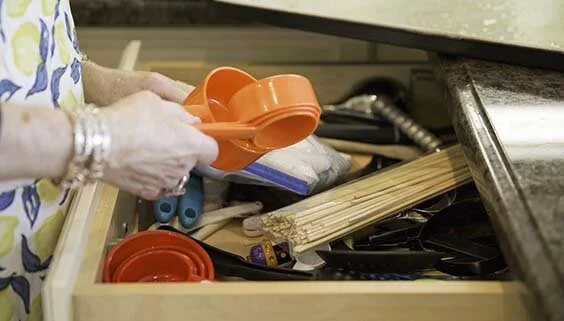
For example, ask them to fold socks or washcloths, sort silverware, prep vegetables (safe kitchen aids allow them to do more without injury), sort paperwork (use non-important documents), or organize a junk drawer (filled with safe, but unimportant items).

The goal isn’t to have them do these things correctly, but to help them feel they’re doing something useful.


9. Treat rummaging as an activity
If your older adult is enjoying themselves or if it calms them, there’s no reason to stop them from rummaging – think of it as an engaging activity they really like.

If the behavior is getting on your nerves because they’re rummaging everywhere and making a mess, you could set up dedicated rummage areas or rummage boxes.

Filling certain drawers, cabinets, baskets, or boxes with plenty of the things they’re attracted to might get them used to rummaging in those specific places.

You could include items like clothing, socks, copies of memorable photos, a fake checkbook, books, greeting cards, or a wallet filled with old receipts, cards that look like credit cards, and fake money – anything they’re interested in.

Things that are related to their hobbies or former career are also great as rummage materials.

You could even create themed boxes like a sewing or knitting drawer, a sports basket, a costume jewelry box, a tool box, a box of music-related items, etc.


This article was published by Daily Caring:
https://dailycaring.com/9-ways-to-manage-dementia-rummaging-behavior/?utm_source=DailyCaring&utm_campaign=799377e5d8-DC_Email_2020-04-30&utm_medium=email&utm_term=0_57c250b62e-799377e5d8-123200633

Morgan's Follow-up Success Story

working-past-65.jpg

 Nearly two years later, we still keep in touch...

I had the opportunity to work with two sisters a couple of years back. One sister had a dementia diagnosis that had progressed to a point that she was no longer safe in her home and we were able to find a great community that they both loved. I recently checked in with her to see how her sister Beverly was doing during Covid-19. These were her words.

"A couple of weeks ago, her Memory Care set up Skype calling. After a couple of unsuccessful attempts, everything came together and her community, Skype, and I all got the system to work. Beverly and I were able to "see" each other face-to-face. I could see for myself that Beverly was doing OK. According to Joanna, who helped set up the call, Beverly participates in the games, exercise sessions and art therapy (Beverly was in agreement). I feel good about her care!
 
Everything is in a holding pattern... I stay in touch with friends/neighbors by email and phone. I get to Belmar Park and walk since my fitness class (along with everything) is closed. My wine group does a face-time session every Friday at 5 p.m. and we did a "drive-by" birthday celebration for a dear friend. I've been a bit of a sloth-staying up late, sleeping late, 
Not Keeping up on Housework. Just generally being good to myself and I hope you are taking care of yourself."


Not only am I pleased to hear that she is still very happy with her sister's level of care but that we also continue to have a great rapport and are able to stay in touch as friends. This is my idea of what success looks like in our industry!


Morgan Leigh Jenkins
Transition Director 

Phone: (303) 847-6861
 Morgan@maintain-me.com

Take a Virtual Hike of Rocky Mountain National Parks with Chris Wells

rocky-mountain-national-park.jpg

Chris Wells has been sharing her travels and photography for several years with seniors at Independent Living, Assisted Living as well as Memory Care facilities in Colorado, Arizona and Florida.

She is now sharing her adventures online with a weekly video blog, downloadable presentations, photography - old and new plus an exciting new documentary that is currently in development.

Check out her latest hike! She is a wealth of information and her commentary really is very engaging and motivating.

https://vimeo.com/travelswithchriswells

My name is Chris Wells, a professional speaker, photographer, entrepreneur and proud to be a senior citizen. As a former school teacher I enjoy educating, entertaining inspiring people with my presentations. I find I easily connect with my audiences…

My name is Chris Wells, a professional speaker, photographer, entrepreneur and proud to be a senior citizen. As a former school teacher I enjoy educating, entertaining inspiring people with my presentations. I find I easily connect with my audiences with the stories, photos and videos that help me tell about my love of nature, visits to many of our National Parks and travels to countries around the world. If you are looking for an enthusiastic, engaging and motivational speaker to inspire your audience, I would love to talk with you.
And I totally love what I am doing!

We love to share good news and give credit where credit is due!

Thrivecare7.JPG

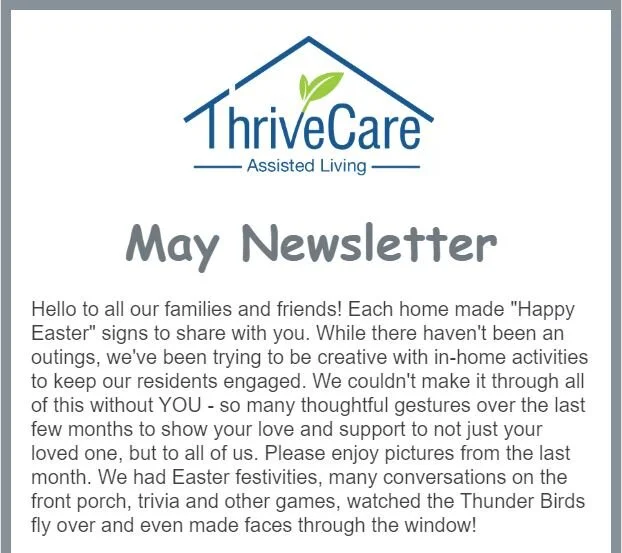
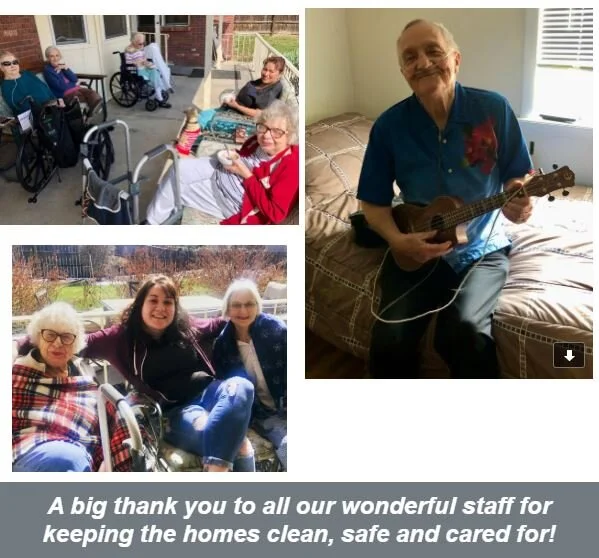
This is a newsletter from ThriveCare that we wanted to share. Mainstream Media can be good and bad when it comes to images and information shared about Senior Care amidst Covid-19.

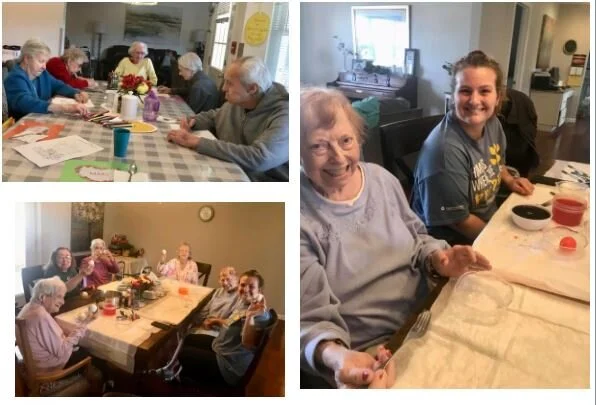
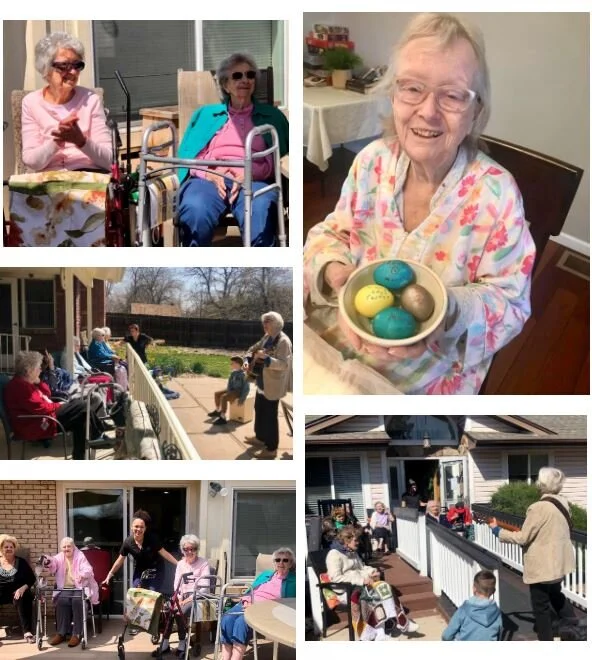
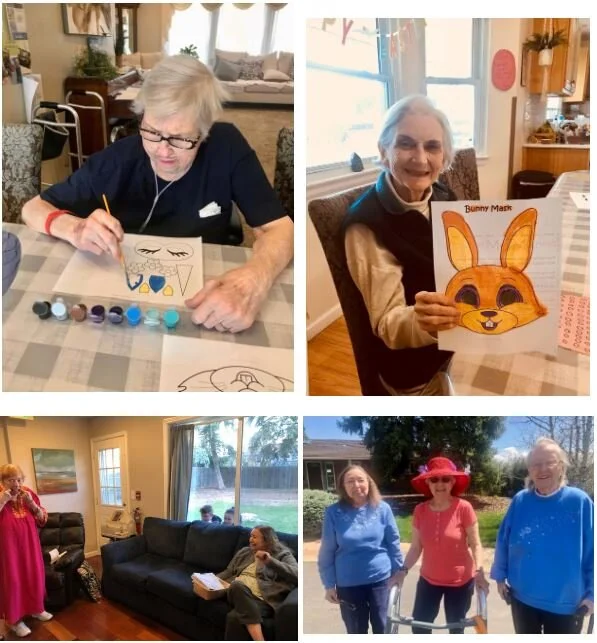
We think this speaks volumes about the love, attention and safety being provided for our Seniors who are in Assisted Living facilities. 

Many thanks to our amazing community partners and all you do!!!

Thrivecare1.JPG
Thrivecare2.JPG
Thrivecare3.JPG
Thrivecare4.JPG
Thrivecare5.JPG
Thrivecare6.JPG

Maintain Me has found very effective ways to continue serving our seniors and families during Covid-19

Difficult-times.jpg

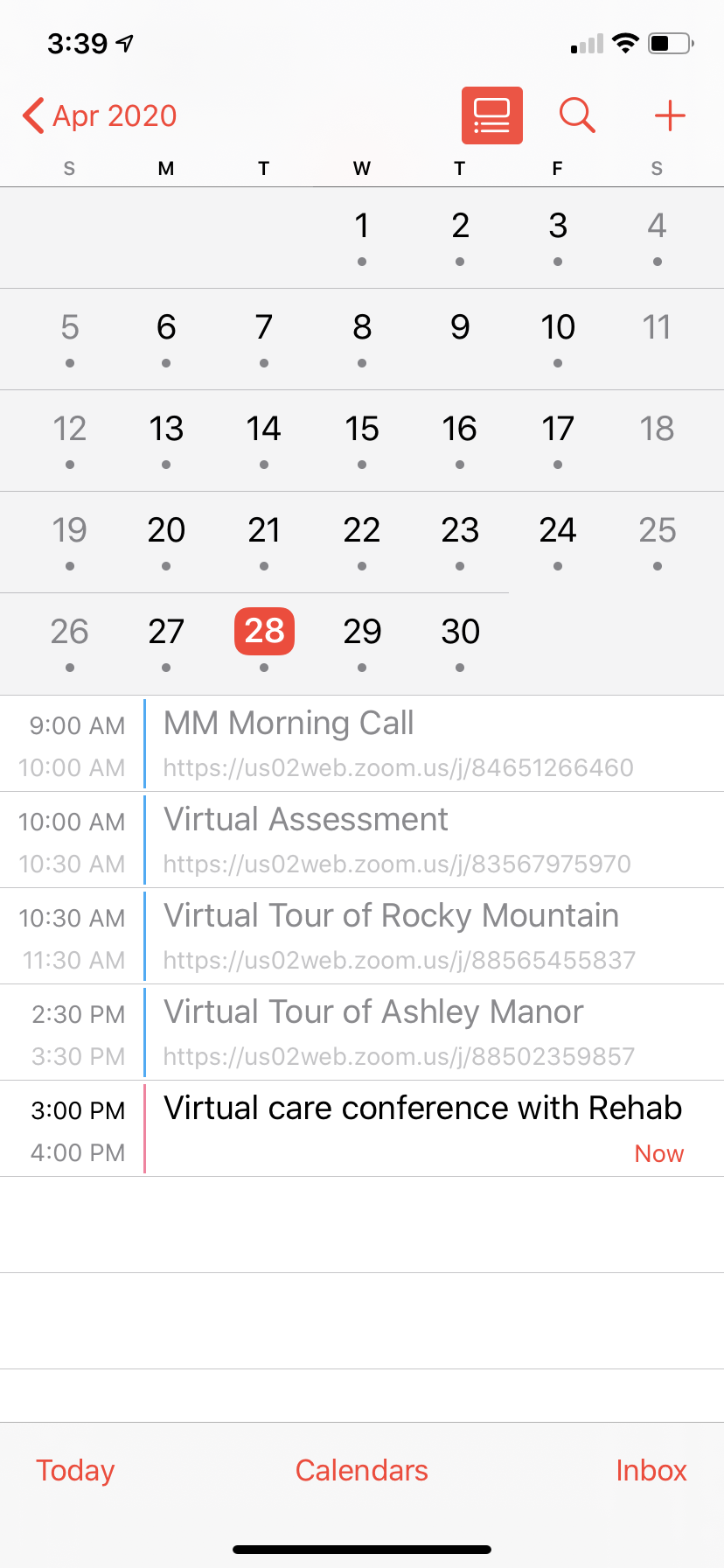
Maintain Me has found very effective ways to serve our seniors and families. Making it possible to provide control, confidence, and education through this time. 

Take a peek at what our typical day looks like!

This week we have conducted:

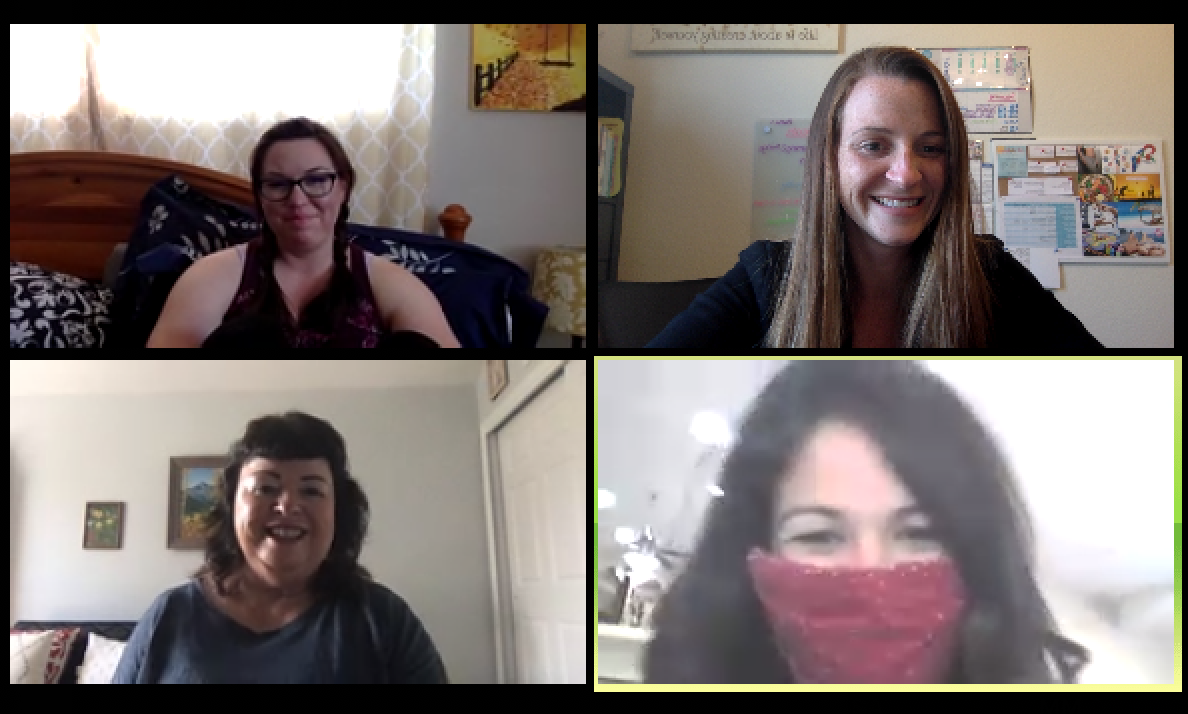
  1. Virtual tours with our communities and families

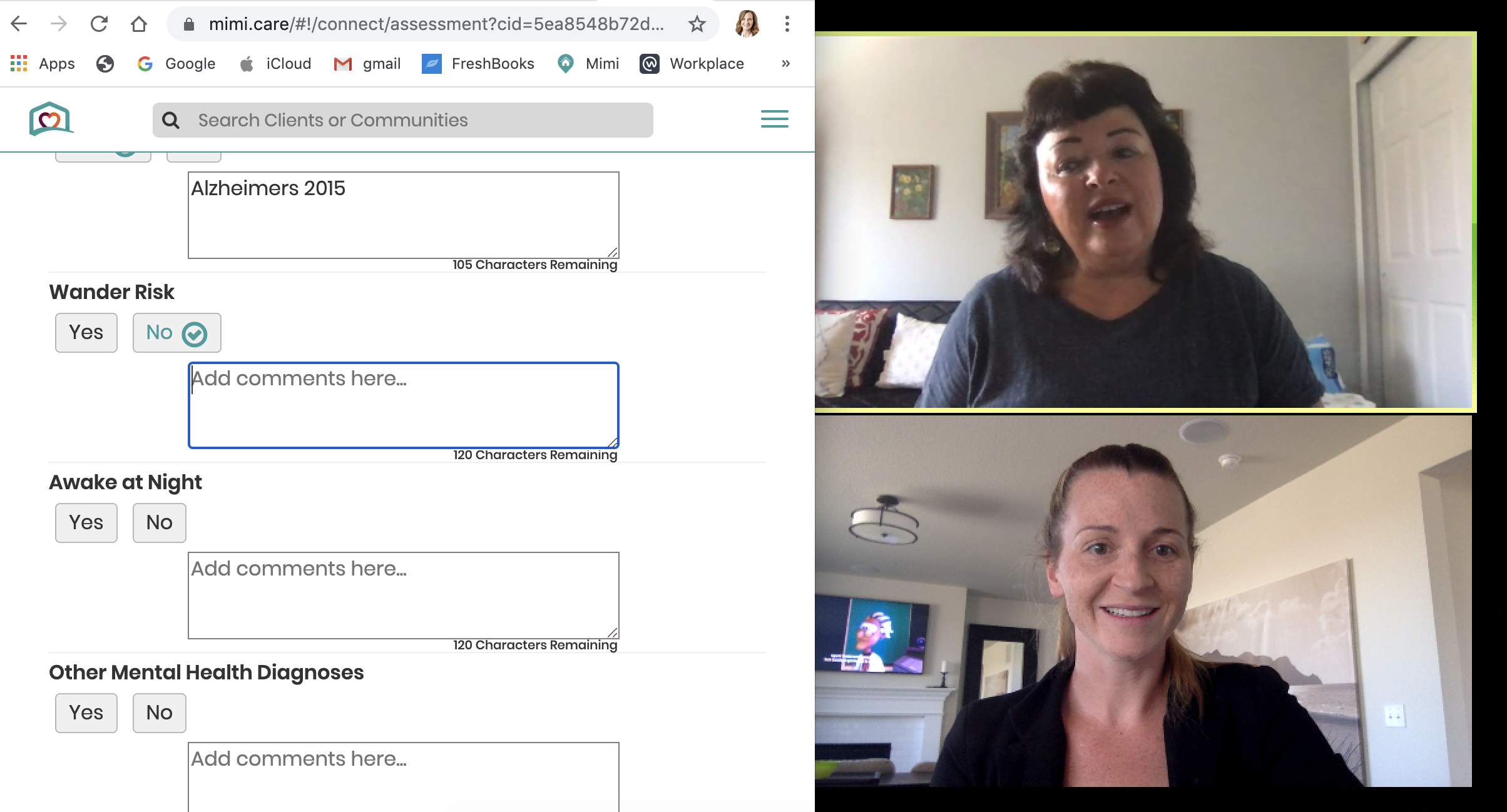
  2. Virtual assessments with family and seniors

  3. Virtual care coordination with Rehab Case Manager and Discharge Planners

  4. Coordination with Primary Care Physician, to keep them updated on each patient and how they are managing at home.

  5. Coordination with movers to ensure safety during the move

  6. Coordination and Education on Covid-19 procedures at each facility 

  7. Coordination and Education on each communities restrictions including visitation, and outside care providers. 

This process has taken some time to dial in and is not as personal as we might prefer but we are dedicated to ensuring the safety of our Seniors despite the current limitations.

Virtual Tours Calendar.PNG

Virtual Client Assessment

Virtual Client Assessment

Virtual Tour with Rocky Mountain Assisted Living

Virtual Tour with Rocky Mountain Assisted Living

Virtual Tour with Ashley Manor

Virtual Tour with Ashley Manor

Check out Care Birds! Family Caregivers deserve some help.

logo-vertical@2x.png

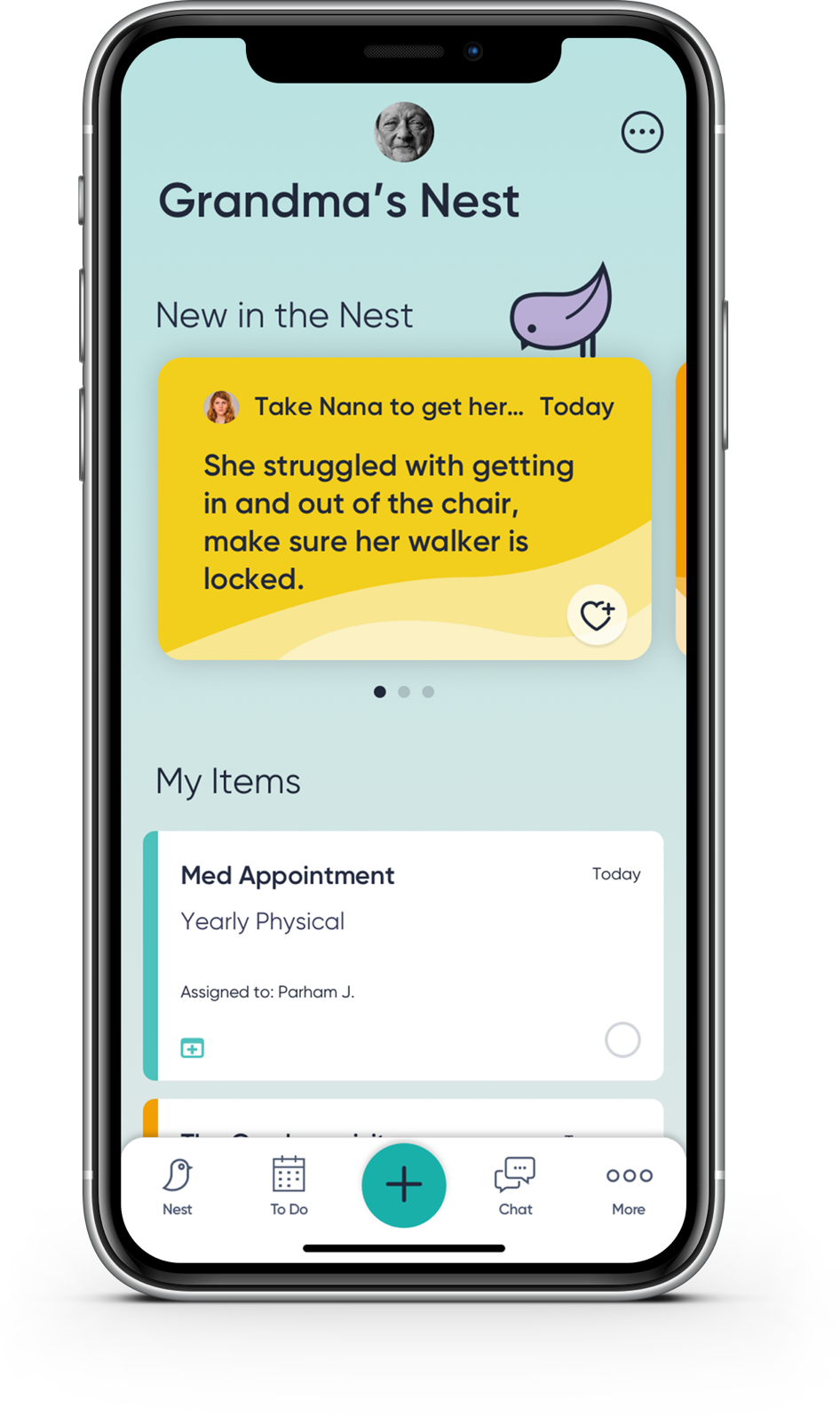
 It seems like lately we rely on technology now more than ever to help manage and maintain our everyday lives. Care Birds is a platform to help organize all your caregiving needs that was designed by caregivers, for caregivers. 

Everyone assumes that family caregiving just happens, like we have magic or something. It doesn’t. We have to do the research, build a structure, and make everything happen all by ourselves. We know how insane that is, which is why we created Care Birds.


Here’s how we help you get back in control of the chaos.

  • Medication Management: Make sure your loved ones take the right medication at the right time, every time.

  • Personal Caregiving Coach: No one should have to do this alone. That’s why we have a caregiving coach to listen to you and give you advice.

  • To-Dos: Stay on top of your tasks so that nothing slips through the cracks.

  • Reminders: Life has a way of getting in the way, so we’ll send you reminders for the important stuff.

  • Unified Calendar: Keep track of all your appointments by having them all in one place.

To find out more please visit:
https://www.carebirdsapp.com/

i-phone-with-app@2x.png

FREE Step by Step Tutorials to Complete your Advance Directives

powerofattorneyg905038534_1360389.jpg

Colorado Gerontological Society is dedicated to providing you with assistance to complete your
Advance Directives.

We will be providing FREE virtual step-by-step tutorials on Friday, May 1st and 8th at 10:00 am.

Each tutorial will provide you with a break down of the form, best practices, and what to do once you complete your forms.

Register below as well as download a copy of the forms and ask questions in advance or at the time of the tutorial.


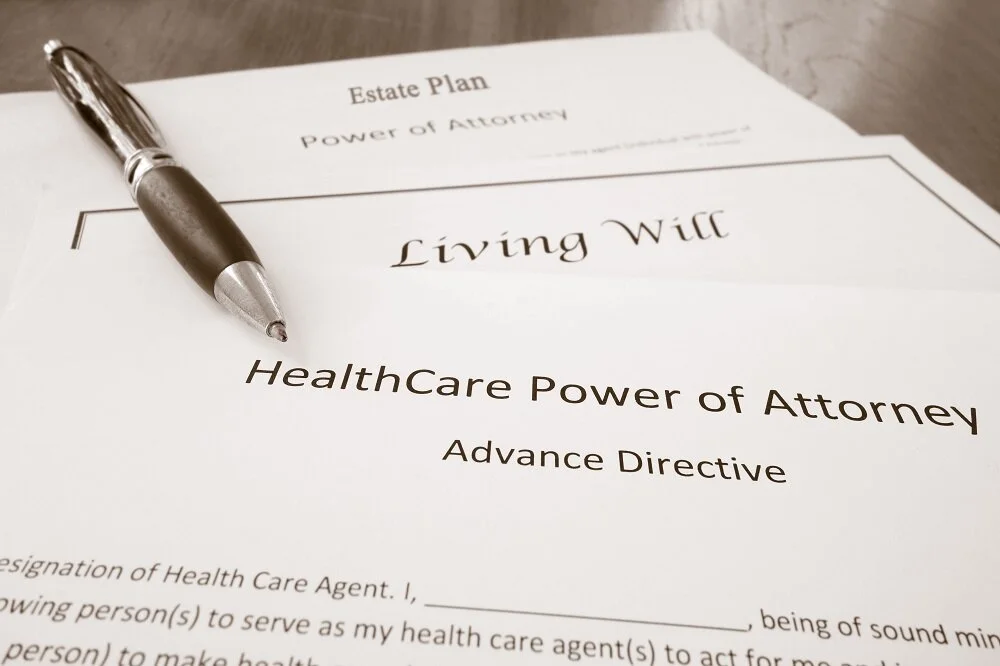
What is an Advanced Directive?
Advance directive is the general term that refers to the various documents that could include a living will, instruction directive, health care proxy or health care power of attorney. 

Every adult should have an advance directive in which you explain the type of health care you do or do not want when you can’t make your own decisions. You should also appoint someone who can speak for you to make sure your wishes are carried out.


unnamed.png

Friday, May 1, 2020 at 10:00 am


Join us for a tutorial on how to complete a Medical Durable Power of Attorney (MDPOA) form. The tutorial will include step-by-step instructions, tools, and best practices to complete a MDPOA. We will discuss what steps to take after the form is completed.
A MDPOA is a legal form appointing your Agent who will speak and make medical decisions on your behalf when you cannot communicate.

We are meeting virtually. This is a free meeting for all. Feel free to submit questions in advance or you can ask during the tutorial.

Register
Download Form

unnamed (1).png

Friday, May 8, 2020 at 10:00 am


Join us for a tutorial on how to complete a Living Will  form. The tutorial will include step-by-step instructions, tools, and best practices to complete a Living Will. We will discuss what steps to take after the form is completed.

A Living Will outlines the medial care and preferences at end-of-life during a terminal condition or persistent vegetative state. The Living Will does not appoint an Agent. You would need a Medical Power of Attorney to appoint an Agent to speak and make medical decisions on your behalf when you are unable to communicate.

We are meeting virtually. This is a free meeting for all. Feel free to submit questions in advance or you can ask during the tutorial.

Register
Download Form

Maintain Me highly recommends Senior's Health First!

103-16x7-16x7.jpg

Senior Health First provides primary care to meet the needs of Seniors.

We are encouraging seniors over 65 to look to Senior Health First for Primary Care Physician Services or PCP. They are Geriatricians, primary care physicians who are trained to cater to the unique health needs of older adults. 

They are accepting new patients. If you are 65 or older and are in need of a new primary care doctor they may be able to schedule your first visit the same week, maybe even next day! 
Most people have to wait months to see their primary care docs.  

They also offer social workers to support further wellness in their care. 
Maintain Me highly recommends Senior's Health First!


http:// https://www.centura.org/locations/senior-health-first-westminster

It's Official. HB20-1101 has been signed!

Colorado-Marijuana-Law-300x186.jpg

 HB20-1101 
"Concerning Assisted Living  Referrals" was sent to the Governor on March 12th and signed as of the 20th.

This brings to completion a two-month legislative campaign, passing legislation to strengthen the professionalism of the placement and referral industry in Colorado. 

The association came together and collectively through their commitment and direct involvement, and with the guidance from GDPRA's association's lobbyist, Corky Kyle, were successful in navigating the legislative process.  It would not have happened without the help of everyone.

Every member of GDPRA should be proud of this accomplishment.  It shows the strength of the association and its member's commitment to the profession.  GDPRA is leading the way and this is only the beginning. More legislation is to come.  But now is a time to celebrate and enjoy the victory for our industry and the seniors we serve!


Find out more about NPRA
https://npralliance.org/

Maintain Me has launched our new Flat Fee program amidst COVID-19

HealthcareResources.DL_1.jpg

 Thank you for allowing Maintain Me to be a resource for you during this time of uncertainty.

Our goal with the $100 flat rate consult is to provide you with peace of mind knowing you have an action plan based on your unique needs and personal goals. Once we are finished, you will have tangible resources, names and phone numbers, as well as a step by step guide on how to navigate self-sufficiently. 

Not only that, but we at Maintain Me will remain available to you as a direct contact to be a problem solver, a support person, and your advocate.

 We can save you hours of time and minimize frustration in finding the right referral for the need.


PERSONALIZED RESOURCE STRATEGY PROGRAM:

  • Flat fee of $100

  • Includes:

    -1 personalized home strategy based on your unique needs/goals

    -Tangible resources including names and phone numbers

    -Step by step guide on how to navigate self-sufficiently


  • This program is designed for:

    -Older adults who are considered high risk

    -Family members looking to support their loved ones who live out of town

    -Children of older adults who may be forced to shelter in place and worry about the well-being of their older adult at home or living in a community

    -Providers working with at risk adults who need oversight in the community


    *** If providing the resources for you to put into place on your own is not enough support, we offer Case Management packages to better meet your more in-depth needs.

Congrats To The New Class of Certified Placement and Referral Specialists (CPRS)

th (2).jpg

We are proud to announce the owner of our company, Chelsea Sweeney, has received the advanced certification of CPRS!

What does this mean for the community?
This certification will allow the community to identify the local companies who are involved with the GDPRA and acknowledge that they have taken the step and commitment to adhere by best practices to best serve our senior population. 

It not only is a financial commitment to take on such a credential but also is designed to show the experts in this field.


What does this mean for our industry?
It gives our long serving agents a way to shine through experience and knowledge backed by certification. It gives our newer agents something to work towards as they gain knowledge in the field. It brings a level of professionalism and credibility to our industry. 

CPRS list.JPG

Practical Tips for Caregivers Concerned About Coronavirus

DFJO754SARFJ3IJR2D6P3XMUJ4.jpg

As we still have a little more than 2 more weeks of Stay at Home orders and what some think may be our Peak of the virus here in Colorado. It is important to stay vigilant.

AARP put together a great guide of practical (not panicked) tips to help Caregivers reduce a loved one's exposure to the virus. 

The CDC advises:

  • Contacting health care providers to obtain extra necessary medications and stocking up on over-the-counter drugs.

  • Monitoring needed medical supplies related to a loved one's condition or treatments (oxygen, incontinence, dialysis, wound care) and common supplies such as tissues and cough syrup.

  • Purchasing enough nonperishable food items so you are prepared to stay home for some time. 

  • Those with a loved one in a care facility should monitor the situation, ask about the health of the other residents frequently and know the protocol if there is a coronavirus outbreak.

  • There are other preparation steps, too, that caregivers can take.


Backup plans
"This is a good time for families to take stock and revisit contingency plans and to identify family and friends to help with such activities as grocery shopping, [and] stockpiling essential items,” says Jennifer Wolff a professor of Health Policy and Management at Johns Hopkins Bloomberg School of Public Health. “The virus is going to expose and exacerbate the fragile systems that are in place that primarily rely on family and other unpaid caregivers."

Reduce exposure
Those who take care of loved ones in their home or are regular care providers to family members and friends outside the home have real concerns about exposing this vulnerable group to the virus.

“Even if the older adult stays home in a semi-quarantine situation, their caregivers — paid or unpaid — are still out in the community,” says Paula Lester, a geriatric medicine physician at NYU Winthrop Hospital. “The key is to use appropriate precautions."

Stay home
While many restaurants, bars and retail stores are closed, in accordance with local, state and national guidelines, supermarkets are still bustling with people, though some are offering hours just for older people.

Lester advises that older people skip trips to the market if possible, to avoid exposure. Also, if you are doing shopping or other errands for those who need assistance, don't bring the goods into their home and stick around afterward. “Help them, but help them in a way that still protects them and yourself,” she recommends. “Leave [items] at the front door, or make online orders for them. That kind of help is really useful and safe."

Reschedule wellness appointments
Carla Perissinotto, the associate chief for geriatric clinical programs at the University of California, San Francisco, suggests looking ahead for any regular medical appointments on your loved one's schedule. “Look at what can be canceled that is not essential,” she says, “because health care environments are where the most sick people are right now."

If an appointment is necessary, Perissinotto advises using a telephone or video-based system with the doctor, if available. “If you aren't used to this technology, see if there is someone in your family or in your community that can help you with that.” For residents of assisted living facilities, “one of the things that our group has been doing is identifying a [technology] champion or main point of contact” in-house who can help patients connect to their virtual appointments, she says.

Keep germs away
Thorough handwashing with soap and water is critical. In addition to washing hands after eating and using the restroom, “everyone who enters the house should wash their hands” immediately, Lester emphasizes.

“There are a lot of unknowns about how long [the virus] can stay on surfaces,” says Perissinotto. She is advising patients to be mindful about wiping down all items that are used frequently — like door handles, remote controls, cellphones and, if you drive, the steering wheel and doorhandles. “It can be overwhelming to think about all the things we touch. So if you have been out in the world and are now back home, just think, What can I clean?"

And for those who tried and failed to get highly sought disinfectant wipes? No worries. “You don't have to get fancy products,” Perissinotto says. “You can make a diluted solution with bleach [and water] to clean countertops.”

Combat boredom
"Social isolation is already a huge problem for many older adults and for family caregivers,” observes David L. Roth, director of the Johns Hopkins Center on Aging and Health. “The current emphasis on social distancing is only going to make these matters worse. It will be important for caregivers to maintain or even increase contact with others (family, friends) by phone, video chat and online communications, et cetera — but not in person. [Caregivers] should also offer their availability to others who may wish to call them.”

“Video chats are better at connection than just a phone call, as actually seeing someone can help” combat isolation and feelings of loneliness, Perissinotto notes.

Be present
For those who care for a loved one at home — often juggling caregiving, work commitments and kids activities — this may be time to hunker down and spend some quality time with your family. “In some ways this is causing us all to slow down and be present with things we do enjoy — completing those craft projects we have started, reconnecting with old friends by phone or video, writing letters, or thanking those in your community or family during this time,” says Perissinotto. “And in a world with all this chatter, sitting in silence for a period may actually be welcomed."


To see the full article published by AARP
https://www.aarp.org/caregiving/basics/info-2020/coronavirus-tips-for-caregivers.html
 

Chelsea's Success Story: I graduated this environment and want more!

chelsea success story pic.JPG

A little over a year ago I was asked to assist a lovely lady who was needing assisted living after loosing her husband. She had been living in an apartment for years with her husband and for the most part doing well remaining independent. It wasn't until recently that she had several falls and was not able to drive leaving her to rely on family for any grocery shopping, medical appointments or even fun outing to increase quality of life. She was very lucky to have a son and daughter in law who made a point that all her needs were being met.
 
It was very obvious though that after her husband had passed that it wasn't safe for her to stay at home. As hard as it was to admit she knew it was time to look for more help. She needed quite a bit of oversight with basic needs that required strength and would definitely benefit from home health services to help regain any strength that her current lower extremity pain was preventing her from retaining. There was ONE MAJOR ISSUE. She had zero assets and already qualified for medicaid. Maintain Me does not get reimbursed on medicaid transitions yet they are the cases that need us the most and when able we step up and help anyways. 

A month or so later and after a lot of work and time spent with Metro Medicaid Specialists and the family, she was on her way to finding a new home. Once a client is already on medicaid it is VERY hard to find any beds let alone one that is in a community that can meet all the other needs of the client, but with the relationship built with Maintain Me we found a bed! My client moved in and continued to get stronger with home health care.

A year later the family had gotten back in touch with Maintain Me to notify us that she no longer fit in to the community she was at. She had dedicated herself to home health care and was functionally back to doing most ADLs independently. When I reassessed her it was true that a smaller community was actually not the best place anymore and her independence was being sacrificed. She was still on medicaid and I had educated the family a year ago of the options that existed due to her financial barriers.

There was a larger place though that had a smaller spend down requirement that the family was willing to supplement now that their mother was progressing so well in hopes to bring back more quality and mutual relationships. A month or so later and after a tedious process to reenact her medicaid (a process the son had committed to making right after a mistake made on the long-term care medicaid side of the process) she was on her way to a larger community. Her room was in a perfect place for her to be able to take advantage of her surroundings and amenities. She was in a private studio which is almost unheard of with medicaid as a primary payor source, and being that the community was larger they were able to provide more options for dining and outings. 

I wanted to take a second to thank the family for trusting Maintain Me to help with your mothers needs. Thank you for being open that she had graduated from her current living situation and for always doing whats best for your mother!


Chelsea Sweeney
RN Case Manager

Phone: 720-629-3050
 Chelsea@maintain-me.com
 

Happy Easter from Maintain Me

happy easter.JPG

For most families Easter Sunday is a holiday spent with extended family. As mandatory Stay at Home orders prevent us from celebrating with those we love in person there are still some great ways to connect and make the day feel special.

Plan ahead. Reach out to your local church to find out how to access online service some are also doing drive up. In addition, there are tons of video platforms, such as Houseparty, to connect multiple family members at once. Work on getting everyone to download it and maybe even do a trial run in advance to head off frustrations the day of. 

Make you space Festive. We've included some super easy craft ideas and printable activity sheets for kiddos. Keep them busy and let their work deck your home with springtime spirit.

Never underestimate the power of fresh flowers! A simple bunch of tulips from the grocery store will do wonders for the soul.

It is easy to become discouraged but stay focused on the positive things you can control.  Enjoy the family you are able to be with and get creative making some new memories!

easter-tissue-paper-wreath.jpg
Easter-Craft-Activity-for-Kids-Stamping-Easter-Eggs.jpg
hqdefault.jpg

Use crumpled tissue paper to make a festive wreath, Cut designs into potatoes for DIY Easter Egg stamps, use whatever craft materials you have on hand (buttons, pom poms, pipe cleaners, glitter) to decorate eggs.


Check out these fun Activities!

gallery-1487002225-fun-energy-burning-easter-egg-hunt-idea-for-kids-with-a-free-printable-list-of-excercises-great-alternative-to-chocolate-1.jpg
Get those little bunnies movin' by filling Easter eggs with fun movements.

Get those little bunnies movin' by filling Easter eggs with fun movements.

easterideaspinthetailontheeasterbunny-copy.jpg
Click to Download
99573064d578ec7c280a8383a084ba59.jpg
Click to Download