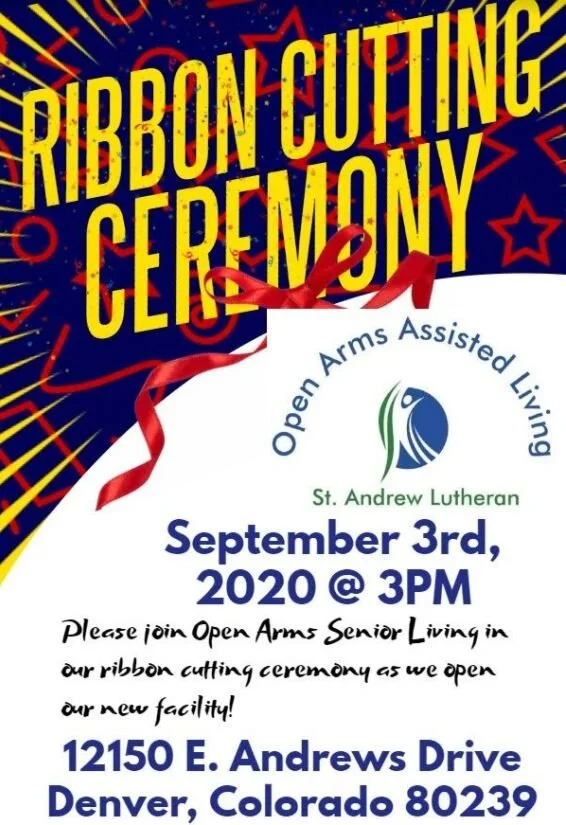
Open Arms Assisted Living: Ribbon Cutting Ceremony is tomorrow!!!

Open Arms Ribbon.JPG

We are so excited for this amazing project to come to fruition!

Open Arms Assisted Living is the re-purposing of the former St. Andrew Lutheran School into a 30 bed Assisted Living Facility. St. Andrew Elementary operated for 50 years educating children of Montbello.  We are excited to further our mission of caring for the community. Since 2016 the St. Andrew Lutheran congregation and Urbitecture have provided the leadership for this unique and innovative re-purposing. This will be the 1st Assisted Living facility equipped with Telehealth! This is a $4m project and we are moving forward.  We anticipate opening our facility for Medicaid qualifying and private pay residents in 2020. .

Thank you to Peter Hynes at Urbitecture and all the folks who have worked so hard to make this happen for our community!
 

https://www.openarmsmontbello.org/

Morgan's Success Story

83356817.jpg

Three lives that crossed at just the right time.

I recently worked with a client that was one of the hardest cases I have ever taken on. Sally lives in Lakewood, she is estranged from most of her family, she has one half sister out of state that she would speak to on the phone a few times a month. Sally had a fall, then returned home, and fell again. She was not getting the help she needed because she was falling through the cracks with no advocates or people watching out for her. Mind you, this was all happening at the height of COVID! 

After many tearful conversations, lots of difficult zoom calls, Sally picked a new assisted living to move into. It is near her old neighborhood, and that brought some comfort. But she basically had to pick her next home from a video conference, an idea of the area, and a drive by of the outside of the home. More tears, and lots of paperwork later, Sally got moved in. 

About a year earlier, I had another client that chose the same assisted living for his own care. He had Parkinson's and told me that living on his own had just become too hard, too lonely, and he wanted a community to spend the rest of his days. This client also had a unique challenge for me to overcome, his 80 pound service dog. You read that right, a big dog, but a huge love. 
Fast forward to this summer. Sally moves in and meets her new housemates, including our big furry friend Boone. Boone belongs to David, but sadly, shortly after Sally moved in, David passed away. 

I was talking with the owner of the Assisted Living and checking in on how my clients were doing, were they adjusting, did they need anything, etc. The owner shared the David passed away, BUT they were going to remain the family for Boone. Great news! I hated the idea of Boone
going to a shelter or worse.

The best part of this story... in speaking with Sally's sister, she revealed that Sally has "adopted" Boone and is taking great pride and joy in providing for his care. Sally was at her darkest time in life prior to moving into the assisted living, even the idea of leaving her home crippled her with grief, but she had no one else to care for her.  Sally finding Boone was her turning point. She is joyful, caring, HAPPY, and feels like she has a purpose. I know David would want his Boone to care for someone else like he cared for David. 

The sun, the moon, and the stars aligned. David rests in peace, Sally and Boone remain dear friends. 


Morgan Leigh Jenkins
Transition Director 

Phone: (303) 847-6861
Email: Morgan@maintain-me.com

Hunger Free Colorado

hunger free colorado.JPG

For some Coloradans things may be stabilizing while others may just now be feeling the strain that coronavirus has had on our lives and economy.

Hunger Free Colorado has food assistance programs specifically for Older Adults. 

Across the U.S. there’s a major demographic shift as “baby boomers” reach their 60s and beyond. This also means that more older adults will be at risk of hunger, facing times when there may not be enough money to purchase needed food.

Colorado is not an exception. It’s estimated that 1 in 30 Colorado older adults have, at times, been unsure when or where they will get their next meal. After a lifetime of working, more older Coloradans are left to fend for themselves. Food insecurity forces seniors to make choices between food, nutrition, heat or medicine. Some just do not have the resources to access or prepare food due to lack of transportation, functional limitations or health concerns.

By working together, we can address the needs of older Coloradans and ensure that all have access to nutritious, affordable food. 


Contact the Food Resource Hotline at (855) 855-4626 or (720) 382-2920 in the Denver Metro area to learn more.


What support is available for those who work with older adults?

Hunger Free Colorado works with community organizations and agencies to find solutions that overcome barriers to access, whether due to health considerations, dietary restrictions, limited mobility or limited transportation.

To increase access to existing programs, we provide training, tools, and support to groups interested in SNAP/food stamp eligibility screening and application assistance. We also build awareness around senior nutrition and hunger through presentations and other outreach efforts in communities across Colorado.

Our mobile outreach team can:

  • Provide SNAP/food stamps eligibility screening and application assistance on-site at your location

  • Training your organization’s staff and volunteers in providing on-site SNAP/food stamps eligibility screening and application assistance for clients

  • Give presentations about older adult nutrition and hunger

  • Share nutrition outreach materials for distribution

  • Offer older Coloradans and others with one-on-one assistance in navigating nutrition programs, as well as completing necessary applications and forms


What food assistance is available?

A number of nutrition assistance programs exist to end hunger in Colorado, and some have been designed specifically to meet the needs of older Coloradans.

They include:

  • Food stamps, federally known as Supplemental Nutrition Assistance Program (SNAP)

  • Child and Adult Care Food Program for Seniors (CACFP)

  • Commodity Supplemental Food Program for Seniors (CSFP)

  • The Emergency Food Assistance Program (TEFAP)

  • Home-delivered meals (like Meals on Wheels)

  • Congregate feeding programs

  • Adult day and residential care programs

  • Food banks and food pantries


You can find out more about available options by calling our bilingual, statewide, toll-free Food Resource Hotline at (855) 855-4626 or in the Denver Metro area at (720) 382-2920.


The Food Resource Hotline food assistance navigators also can help Coloradans determine eligibility for federal and charitable nutrition programs, answer questions about nutrition assistance programs, as well as assist with completing any needed applications or forms.

What You Need to Know About Air Purifiers for Coronavirus as well as wildfire smoke

202164-z1.jpg

From Coronavirus to multiple active wildfires burning across the state there is no doubt air quality is a concern for everyone.

Consumer Reports reviews how one of these devices might help if someone at home is sick, but only if you use it correctly.

In addition, there is clear evidence that they do help sensitive groups who are effected by Colorado's current poor air quality from wildfires. 

  Running an air purifier at home can be a good idea anytime, to help filter out indoor allergens and pollutants like fumes from cooking and cleaning products. And that's especially true now, when so many people are stuck indoors 24/7 because of the coronavirus pandemic. 

But you may also be wondering if an air purifier can prevent COVID-19 by capturing virus particles that could be traveling in the air.

We spoke with air quality and virology experts, and asked CR's own experts to weigh in. The consensus is that while air purifiers probably don't offer much protection in most circumstances, they may be worthwhile in a few specific ones.

If someone in your household is sick with COVID-19, running an air purifier in their quarantine room may help protect other family members or caregivers. The same goes for healthcare workers who are self-quarantining when they come home.


Our understanding of how the coronavirus spreads is evolving, but the current thinking is that it travels via droplets expelled from the body through coughing, talking, and breathing. While most of these droplets fall to the ground quickly, some research suggests smaller particles may remain in the air for longer.

But even if you live with a healthcare worker or someone sick with COVID-19, before you run out to buy an air purifier, our experts say that simply opening up the windows in your home to let in fresh air will help dilute indoor contaminants—including virus particles. 

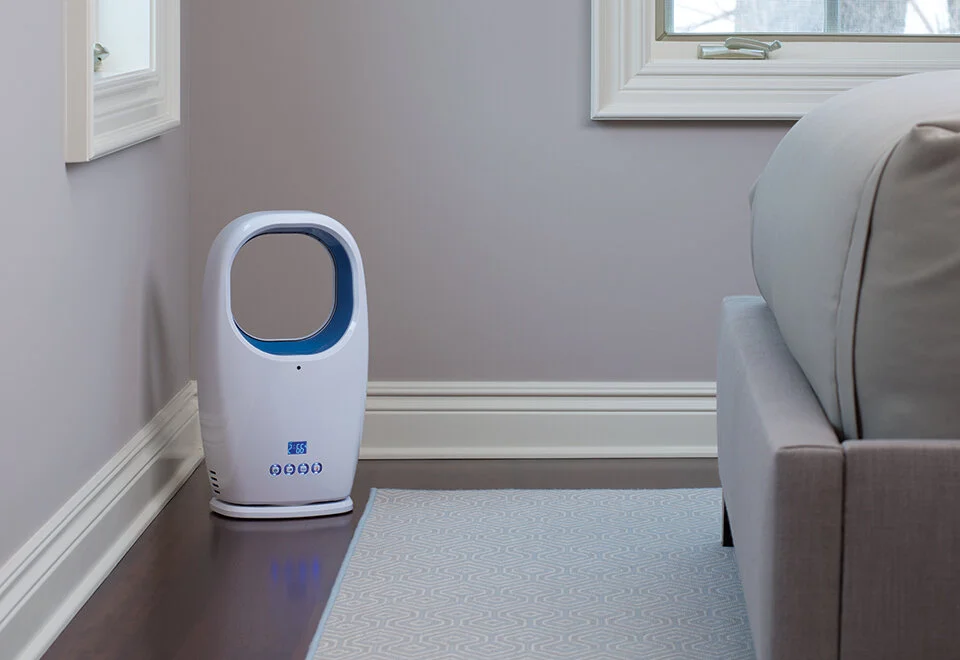
If airing out the room isn’t an option, you could try using a high-efficiency particulate air (HEPA) purifier.

“We don’t yet have direct evidence that filtration works to reduce transmission of the novel coronavirus,” says Jeffrey Siegel, an indoor air quality expert and professor of civil engineering at the University of Toronto who has researched portable air purifiers with various airborne particles.

“But we can infer from what we know for similar viruses, like SARS," he says, that there is reason to think air purifiers might help in some situations. 

In 2003, during the SARS outbreak, the Hong Kong Hospital Authority recommended hospitals use portable air purifiers with HEPA filters to help reduce transmission to healthcare workers if isolation wards were not available. In the U.S., the CDC also recommended the use of HEPA purifiers to help reduce viral concentrations of the SARS virus in the air when properly ventilated hospital rooms weren’t available.

Recent research published in the Journal of Infectious Diseases and under review at BMC Infectious Diseases suggests that air filtration can reduce the risk of transmission of measles and influenza. 

“In theory, if an air purifier removes viruses from the air, it reduces concentrations in the room and thus reduces the potential for exposure,” says Linsey Marr, an environmental engineer and professor at Virginia Tech who specializes in airborne disease transmission, air quality, and nanotechnology. “So there is a mechanistic reason to think that air purifiers could help reduce transmission.”

Read on to find out how air purifiers can capture the coronavirus, how to use an air purifier to help limit the spread of COVID-19 at home, and details on the air purifiers from CR’s tests that may work best in this very specific scenario.


How an Air Purifier Could Capture the Coronavirus
HEPA filters are very effective, certified to capture 99.97 percent of particles that are precisely 0.3 micron in diameter. (Particles that size are perfectly suited to maneuver through the filter’s fibers, while larger and smaller particles, because of the various ways they move in the air, crash into the structure.) 

The novel coronavirus itself is 0.125 microns, but Marr says the droplets it travels in—when people cough, talk, or breathe—initially are larger, around 1 micron. That's a size easily captured by HEPA filters.

James Dickerson, CR’s chief science officer echoes the consensus that air purifiers could help in some situations, but with a caveat: “HEPA filters are very efficient at catching coronavirus-size particles, but the particles must first physically travel to the filter,” he says.  

That means an air purifier has to be capable of consistently drawing in enough air to reduce the amount of virus particles in the air. The faster an air purifier can cycle air through the filter, the better its chances of catching virus particles. You can see how fast an air purifier cleans the surrounding air by looking for its CADR (clean air delivery rate) number on the packaging.

CADR reflects, in cubic feet per minute, the volume of clean air that an air purifier produces at its highest speed setting. At lower speeds, the rate a machine is able to clean air decreases. The packaging should have three CADR ratings, one for smoke, dust, and pollen, which represent small, medium, or large particles, respectively. For example, a purifier with a CADR of 250 for smoke reduces smoke particle levels to the same concentration that would be achieved by adding 250 cubic feet of clean air each minute. (Smoke particles are similar in size to the smallest virus droplets while larger droplets are closer to the pollen size range.) 

Based on CR's lab tests of air purifiers, we recommend looking for a model with a CADR over 240, which can perform roughly five air exchanges per hour in its suggested room size. In our tests, these air purifiers perform well for quickly removing particles of all sizes from the air. All the models we highlight below have a CADR over 240. 

One practical matter to consider, however, is that you may not want to run an air purifier on its highest speed setting (in order to achieve the highest CADR). Air purifiers can be quite loud, especially at higher speeds, and that can disturb the sick person’s sleep. Here at CR we measure air purifiers’ noise levels in decibels and rate that trait. The models we highlight perform well removing particles even at lower, quieter speeds.

Even the most efficient air purifiers can’t prevent some droplets from landing on surfaces, where they can live for hours or even days according to early research at the National Institutes of Health. So to help prevent the spread of the virus in your house, you should clean your home and wash your hands frequently, too.


How to Use an Air Purifier When a Family Member Is Sick
If you believe you or someone in your household might have COVID-19, follow the Centers for Disease Control and Prevention (CDC) guidelines for essential steps to take, which include how to monitor symptoms, when to seek medical help, and the proper way to isolate someone who's sick.

To use a HEPA purifier at home to help prevent transmission of the virus to other family members, Siegel suggests placing the unit three feet from the person who is sick with COVID-19. “We know that close contact is a main transmission route so I would rather people have an air purifier on low speed near the patient rather than farther away on super high speed,” he says.

Run it 24 hours a day on the highest setting that won’t disturb the sick person’s sleep. In addition, keep the air purifier separated from anything that can obstruct airflow, such as curtains or furniture, and keep the door to the room closed. When used correctly, the filter can potentially intercept floating virus particles before they reach a caregiver in the same room, says Siegel. 

Take extra precautions when handling the air purifier and changing the HEPA filter. According to early studies, the coronavirus can live on plastic and steel, both materials air purifiers are commonly made of, for up to three days. And, Siegel says, "We don’t know yet how long the coronavirus can survive on filters."

Don’t touch the air purifier while it’s in use, and when it’s time to change the filter, put on gloves and a surgical mask if you have one, take the air purifier outside, and clean and disinfectant the exterior. Then remove the filter and dispose of it in a sealed bag. If your air purifier has a fabric prefilter, wash it.

One note about advertisements you may be seeing about using air purifiers against the coronavirus: Be wary if you see products that claim they can outright prevent COVID-19 or destroy the coronavirus. 

“Some air purifiers claim to kill viruses using UV light or some kind of photocatalysis technology,” says John Galeotafiore, a director of testing at CR. “We suggest consumers take these claims with a grain of salt because there isn't enough concrete evidence yet that proves they work in these settings.”


HEPA Purifiers From CR’s Tests
Consumer Reports does not test air purifiers for virus removal, but we do perform our tests using similarly sized airborne particles as small as 0.1 micron and up to 1 micron (a range that includes dust mite allergens, cat allergens, smog, smoke, and atmospheric dust). All of CR’s top-rated models have no problems trapping particles in this spectrum.

Because air purifiers typically have several speed settings, we test for dust and smoke removal both at the highest speed and at a lower speed, and we do the same for noise. Here are seven air purifiers that have high CADRs and earn an Excellent or Very Good in our particle reduction tests while being quiet—so they should help capture viruses without disturbing a sick person’s rest. 

For more information on these and other air purifiers we test, including the recommended room size for the machines below, see our air purifier buying guide and ratings. These models are listed in alphabetical order.


Consumer Reports Breaks down their top rated Purifiers


Alen BreatheSmart Classic
Price: $649.00 - $649.99
The Alen BreatheSmart Classic is an air purifier made for large rooms, but this sleek model can clean the air quietly and even more quickly when used in a small room, like a bedroom. It scores an Excellent rating in our particle reduction test at high speed and a Very Good rating on its lower speed. Both speeds earn Good ratings for noise, meaning you should be able to carry on a conversation in the room.

Blueair Blue Pure 211+
Price: $286.99 - $398.73
This Blueair Blue Pure 211+ scores Excellent ratings in both our high-speed and low-speed particle reduction tests—one of only two models to do so (the other one is the Blueair below). This air purifier is relatively quiet on its lower setting, garnering a Good for noise, but is a little loud on its highest speed setting.

Blueair Classic 605
Price: $1129.99
While Blueair Classic 605’s cleaning ability is more than most people need in a bedroom, it’s the best and fastest air purifier we test, garnering Excellent ratings in both our high-speed and low-speed particle reduction tests. It’s the only model we test that earns a Very Good noise rating on its low speed while still getting superb cleaning results (at its highest speed, this model is quite noisy, though).

Honeywell HPA300
Price: $203.31 - $220.99
In our particle-reduction tests, the Honeywell HPA300’s air purifier scores Excellent and Very Good ratings at its highest speed and lower speed, respectively. For noise, it’s rated Good at any speed.

SPT AC-2102
Price: $292.22 - $342.99
In our tests, the SPT AC-2102 air purifier’s high-speed setting earns an Excellent rating for removing particles from the air, but it’s pretty noisy, garnering a Fair rating in that test. You can use it on a lower, quieter speed setting, though, which still earns a Very Good rating for particle removal.

Winix 5300-2
Price: $149.69 - $333.99
At high speed, this Winix 5300-2 scores an Excellent in our particle reduction test and earns a Very Good rating for noise, the only model to do so at its high-speed setting. It’s also the least expensive model on this list. We recommend operating it only at high speed because this Winix doesn’t perform particularly well for removing particles at low speed.

Winix FresHome WACP450
Price: $220
Similar to the Winix 5300-2 above, we only recommend running this FresHome WACP450 on its highest speed setting, which earns an Excellent rating in our particle reduction test while scoring a Good for noise (still fairly quiet). Its efficiency for removing particles drops notably on its lower speed settings.


To read the full article with links to products visit:
https://www.consumerreports.org/air-purifiers/what-to-know-about-air-purifiers-and-coronavirus/

Navigate Pandemic Social Life Without Fracturing Friendships

th (15).jpg

Find new ways to communicate about gatherings, mask wearing and more

What happens when close friends invite you to join them on a vacation, but you're not comfortable with their quarantine protocols? How about if a pal asks you over for a home-cooked dinner at the kitchen table, but you're sticking to al fresco socializing? What if you ask your buddy to go on a road trip but she wants you to wear a mask in the car?

The question is how to navigate — or even turn down — these pleasant offers without offending anyone or damaging friendships.


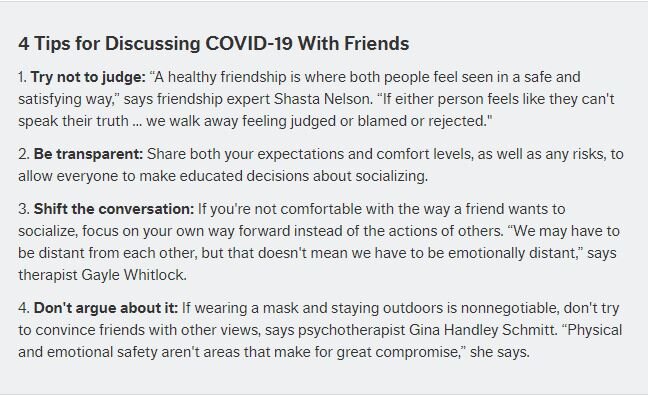
COVID-19 has affected every facet of our lives, including how we socialize. When people have different comfort levels with everything from masks to group outings, keeping friends from feeling insulted or judged can be a challenge, says Gayle Whitlock, a marriage and family therapist in Santa Rosa, California.

Varied requirements around social distancing from state to state and even among regions have prompted many people to develop their own “boundaries and comfort levels,” Whitlock says. “Some people are more risk adverse and some are rule followers, and that's going to seep into relationships."

Jim Owen and his wife, Stanya, both 79, recently moved from Austin, Texas, to San Diego. Their closest friends, both in their 80s, wanted to host a going-away meal at a restaurant, something Owen insisted was too risky.

The friends were “indescribably hurt by this, because in their minds, we're as close as family, so we would be safe,” says Owen, an author and producer of the coming documentary The Art of Aging Well. “We said, ‘We promise we will see you again. We just cannot see you now.'"

Brainstorm together to reach consensus
To prevent hurt feelings or to negotiate terms everyone is comfortable with, focus on the relationship and not the specific activity being suggested, says Shasta Nelson, a friendship expert in San Francisco and author of The Business of Friendship. "The goal is not the cottage or the restaurant or the party. The goal is the relationships you foster in those settings,” Nelson says.

If you're the host or initiating a visit, it's your responsibility to cater to the needs of everybody you're reaching out to, she says. Make sure you are up front about who is likely to attend — don't invite surprise guests.

"Treat it the way you would with friends that don't have the same amount of money,” Nelson says. “You wouldn't talk somebody into something that was beyond their financial ability, so offer up options to make this work and express acceptance.”

On the flip side, when you're invited somewhere, speak up and be clear about your expectations around masks, indoor and outdoor interactions, and social distancing. Be transparent: If a teen in your house was tangentially exposed to someone who might have the coronavirus, for example, be up front about it and let the friend decide on their risk tolerance. “Don't feel bad about it. Brainstorm together, and put it on everybody to make this as safe as possible,” Nelson says.

That's what Donna Walls, 69, has been doing with her circle of friends.

"I'm not shy at all about asking friends what they're comfortable with,” says Walls, a nurse and lactation consultant in Dayton, Ohio.

For years, Walls and six other women met monthly for lunch. Then COVID-19 hit. At first, they all stayed home. Then they agreed as a group that eating outside, far apart at a table, might be OK.

"One of us has health issues, and we want her to be around for many more lunches, so we brought it up: Who's comfortable? Who's not?” Walls says. “Being able to say, ‘This is where I draw the line’ helps."

Virus risk tolerance differs
In Milwaukee, Julie Rowley, 53, embraced a heightened level of safety after a young family member tested positive for COVID-19. She does curbside pickup when shopping, wears a mask, doesn't host friends over or visit others’ homes. And yet, during a recent camping trip, two other families decided her standards were too relaxed: Despite the fact that each family had its own campsite and the groups didn't share food, Rowley's friends worried that the teenagers in the group wouldn't keep their distance while hiking.

"I suggested we talk about what we felt was safe, and we decided they just needed to be checked on once in a while,” says Rowley.
But what if there's no middle ground? Because Sally Rosenthal's 70-year-old husband has a heart condition, she's been extremely vigilant since the pandemic surfaced.

"I'm so afraid that I am on perpetual guard, and I'm inflexible when it comes to masks, social distancing and sharing meals,” says Rosenthal, a writer in Boston.

"It's not that my friends are reckless; they just take more risks than I do: They'll have dinner at one another's houses, readily take off their masks and sit closer than 6 feet away,” she says. “I find getting together with people now is often stressful, not social."

Rosenthal recently declined a dinner invitation on a friend's patio because she refused to take the elevator or walk through their condo to get outside. And while she has eaten in friends’ backyards — bringing her own food and utensils — her friends have learned it's her way or nothing. 

"I realize I'd have much more fun if I could lighten up,” Rosenthal admits. “They seem understanding, but I know they think I'm taking the CDC recommendations too much to heart.”

Some friendships may be at risk
Discussing our expectations and fears about the coronavirus is complicated, notes Seattle-based psychotherapist Gina Handley Schmitt, author of Friending: Creating Meaningful, Lasting Adult Friendships.

"This has become a really divisive topic; the longer the pandemic persists and the more we see these spiking numbers, the more people are getting antsy,” Schmitt says.

Friends who have always been honest and assertive with each other will likely continue that pattern with open discussions about etiquette around socializing. But if that type of forthright communication wasn't the norm previously, it will be challenging.

"Now, you're feeling the need to implement more boundaries, but there's no history or precedent of [having those types of discussions] in a healthy way,” she says.

Whitlock acknowledges that some friendships — especially if both people are deadlocked in their individual viewpoints — might not make it through this crisis.

"A relationship is a two-way scenario,” she says. “If someone is blatantly not respectful of your concerns about health and safety and won't have that conversation with you, then maybe it's time to take some space from that relationship."

covid discussion.JPG

Denver Startup Week is next month!

Denver Startup Week 2020.JPG

SOMETHING FOR EVERYONE!

Dive into the Denver Startup Week schedule for sessions, keynotes, workshops, celebrations, and much more.

With over 300 free events, there is something for everyone to learn, grow, and be inspired. Don’t forget to register, RSVP for individual sessions, and remember that seating is first come, first served.

The Denver Startup Week 2020 Schedule is live and REGISTRATION IS OPEN for the biggest event of the year! Read no further, and head over to DenverStartupWeek.org to register for the virtual 2020 event, build your custom schedule, and check out all the panels, special events, speakers, and surprises that we have in store!
 
Sessions will be added daily so check back often to build out your schedule. We can assure you it won't be hard to fill up the week of September 14-18 with hours of world-class content.
 
The first 250 people to sign up for each session will be live in our virtual event room and will have the opportunity to ask questions of the presenter. Just one more reason to start building your schedule today!
 

Register & Start Building your Schedule

2020 Flu Shot Strategy: Get Yours Early In The Season

th.jpg

It is Get set for 2020's mega-campaign against the flu amid the COVID-19 pandemic: immunization drives in the parking lots of churches and supermarkets, curbside inoculations outside doctors' offices, socially distanced vaccine appointments held indoors, with breaks in between for disinfecting.

These are just some of the ways heath providers say they will give tens of millions of flu shots this fall — arguably the most important U.S. effort to prevent influenza's spread among Americans in a century.

Flu shots will be in stock at doctors' offices, pharmacies and supermarkets by early September. And though what's normally thought of as flu season in North America doesn't really begin until October and peaks between December and February, because of changes wrought by COVID-19, now is the time to start thinking about when, how and where you'll get immunized against the flu this year.

"If you usually get the shot at the office but you're working from home, for example, you'll need a new plan, says Lori Uscher-Pines, a senior policy researcher with the Rand Corp. "And if you usually drop in to the pharmacy or the supermarket for your shot while you're out and about anyway, you'll need a new plan this year if, these days, you're just not 'out and about.' "

But do make a plan. "No year is a good year to get the flu, but this year — with COVID-19 also raging — it's especially bad," says Mark Thompson, an epidemiologist in the Influenza Division at the Centers for Disease Control and Prevention.

"People who can avoid the flu will help reduce the burden on a U.S. health care system already overwhelmed by COVID-19," Thompson says.

Emergency rooms and urgent care clinics are often flooded with flu patients during winter months, he explains. So getting a flu shot can help prevent those visits — and thereby prevent the co-mingling of flu patients and COVID-19 patients, who can infect each other and spread their viruses to other ER patients.

"This year, more than ever, we're trying to get out the message that flu is no benign disease and you should do everything you can to prevent it," says L.J Tan, the chief strategy officer at the Immunization Action Coalition, a nonprofit group in St. Paul, Minn., that provides educational information for physicians and consumers on immunization. "In particular, get your flu vaccine. Take flu off the table."

In most years, some who get the flu would reasonably choose to ride it out, feeling miserable for a week or so, or even shorten the illness by taking one of several prescription drugs approved to treat the illness, says Dr. Steven Pergam, an associate professor in the Vaccine and Infectious Disease Division at the Fred Hutchinson Cancer Research Center in Seattle.

But this year, "even people who never see a doctor for the flu might be prompted to book an appointment or head for the ER if they feel flu-like symptoms coming on," Pergam says.

That's because the flu and COVID-19 can share many (though not all) symptoms, including fever, chills, cough, sore throat, muscle or body aches, headaches and fatigue. Loss of taste and smell, which can happen with COVID-19, does not occur with the flu.

The flu is dangerous in its own right, hospitalizing and killing tens of thousands of people each year and sidelining millions more for days to weeks.

"And even if you might only have a few days of feeling poorly," Pergam says, "transmitting the flu to babies, older people and people with compromised immune systems risks severe illness or death for them."

Public health experts are also concerned about people having both the flu and COVID-19 at the same time. "We don't know yet whether that could compound either illness, but why take the risk?" says Dr. Ashish Jha, director of the Harvard Global Health Institute.

Preliminary CDC data for the 2019-2020 flu season, which ended in May, found the flu to be a factor in at least 18 million visits to health providers in the U.S., 410,000 hospitalizations and as many as 64,000 deaths.

Still, of all Americans eligible for a flu shot (that's nearly everyone over 6 months old), more than half don't get immunized in a typical year, according to CDC data. Among the reasons people give: worry about side effects (serious ones are very rare), worry that the shot will give them the flu (it won't), a belief that the flu isn't all that serious (it can cause severe illness and death) and an aversion to vaccines in general.

The flu vaccine — whether given via a shot or a nasal spray — isn't perfect. It's designed toward the end of each flu season — February for the Northern Hemisphere and September for the Southern Hemisphere — based on the four most prevalent strains of the flu circulating at each time. The expectation of those designing the vaccine, often right, is that those will be the most common strains that people in each hemisphere will face in the following flu seasons.

The Food and Drug Administration has final say on what the composition of the flu vaccine will be, and then it's made by private manufacturers during the spring and summer — generally ready for U.S. consumers by September.

But strains can mutate after the recipe is finalized (the flu virus is more changeable, genetically, than many other viruses), sometimes making the vaccine less effective. Last year, the U.S. flu vaccine was about 40% effective on average — that's defined by the CDC as reducing the chances by 40% that someone exposed to the virus had symptoms severe enough to visit a doctor or hospital.

"That's about the effectiveness rate we have many years and one reason people decide not to get the vaccine," Tan says.

"But that's a mistake on their part," he adds. "If you get a flu shot and then get the flu, you may be less likely to get a severe case. That could make it less likely you'll head to the doctor or the ER — just when they're filled with COVID-19 patients."

Most years, vaccine firms make about 170 million doses of the flu vaccine and at least a few million doses go unused, says Tan. For the 2020-2021 flu season, close to 190 million doses were produced, according to the CDC, including 7 million purchased by the agency for distribution to local health departments.

"That's the largest number of doses ever produced," says Tan, and manufacturers say more could be produced if there's even more demand.

While manufacturers might currently have the capacity to make additional doses of the flu vaccine, if more is needed during the flu season, once COVID-19 vaccines are potentially approved, some producers of flu shots could be competing for supplies as companies work to ramp up billions of doses against the coronavirus, says Harvard's Jha.

"Given what will be needed to make and administer a COVID-19 vaccine along with all other vaccines currently given, physicians, manufacturers and public health specialists are currently in discussion about the needed supplies and distribution," Jha says.

In light of the COVID-19 pandemic, many health organizations, including the CDC and the American Medical Association, are working on public awareness campaigns to be unleashed in September to prompt people to get the flu shot early.

In a recent survey conducted by Families Fighting Flu, an advocacy group made up of people with a family member who became severely ill or died from the flu, over 40% of those polled did not believe it is important to get a flu vaccine this fall so they can stay healthy and preserve the health care system. That's 40% of Americans making a big mistake, say infectious disease specialists.

"We must plan now for a coordinated, season-long flu vaccination public outreach campaign that targets all, but especially communities with low vaccination rates — younger adults, African Americans and Hispanics," says Tom Daschle, a former Senate majority leader and the head of Coalition to Stop Flu, which advocates for increased funding for anti-flu efforts. "This will require federal funding for programs designed to increase awareness of and access to flu vaccine as well as expand the number of licensed health care professionals who are able to administer vaccines."

The Coalition to Stop Flu is lobbying Congress for an increase of $300 million in support for the flu vaccine effort this year, possibly to be included in the next coronavirus emergency supplemental appropriations package. The funding would be used by the CDC for a public outreach media campaign and enhanced federal, state and local public health operations.

Dr. Susan R. Bailey, an immunologist, allergist and president of the AMA, has another message for patients and their doctors: "It's vital that patients are not permitted to opt out of vaccines for nonmedical reasons."

For that matter, even some of the medical reasons that exempt some patients from certain vaccines don't hold water when it comes to the current types of flu shot, says Bailey. For example, though the standard flu vaccine is indeed made in eggs, she says, even most people allergic to eggs can get the shot with no side effects, or they can opt for a flu vaccine that is not grown in eggs. Consult your doctor for specifics, she says.


A few other messages from the AMA president:

  • If you're hesitant about getting a flu shot because you've had a severe reaction in the past, check with your doctor about your best strategy this year. Nearly everyone over 6 months old should be immunized against the flu.

  • September and October are the best times to be vaccinated to achieve immunity throughout the flu season, though getting the shot later is better than not at all.

  • It takes two weeks after your flu shot to achieve full immunity, so steer clear until then of anyone who has flu symptoms.

  • Flu vaccine versions this year include the standard shot, the nasal spray, a version without egg protein and high-dose versions aimed at giving a boost to the immune responses of people 65 and above. But Bailey and others say that especially this year — when your trips to the pharmacy may be less frequent than usual — you should take whatever vaccine the clinic you're using has in stock, unless you have a severe allergy risk or your doctor has advised a particular version.
     

Pharmacies and doctors' offices are trying to be as creative as possible to allay the fears some people have expressed that they could catch the coronavirus while waiting in line for a flu shot. Chris Krese, spokesman for the National Association of Chain Drug Stores, says proposed plans by member pharmacies in his association include the following:

  • Off-site vaccination clinics (i.e., away from the pharmacy). Some of these may be held in smaller venues such as community centers, senior centers or libraries — or in larger venues such as sports arenas and parking-lot drive-up clinics. (Watch for details on locations near you in the next few weeks.)

  • Extra levels of protection inside stores, such as requiring that masks be worn by those giving the shots and their patients.

  • Encouraging patients to schedule vaccination appointments, then check in for those appointments digitally and wait outside the store or physician's office to be called in for the immunization.


Spectrum Health, a health system serving hundreds of thousands of people in the Midwest, will be encouraging its patients to make an appointment this fall to have a health provider meet them curbside for the vaccination, or just drop by and call the clinic on arrival for a flu immunization outside; staff will be standing by.

Kaiser Permanente in Northern California is planning drive-through flu clinics for all days of the week, at least through late fall, that will permit patients to stick one arm out the car window for an immunizing jab. Meanwhile, patients coming inside the Kaiser clinics for any health reason will be offered a vaccination too.


And because outdoors is safer than indoors during this year of COVID-19, physicians who run One Medical, a nationwide primary care practice, say they hope to set up a number of outdoor flu clinics in addition to inside options.

The AMA's Bailey recommends reaching out to your doctor's office staff or website, or to the supermarket or pharmacy you're considering for the shot, to find out everything you need to know about signing up in advance or about the locations of outdoor vaccine clinics.

Rand's Uscher-Pines suggests taking everyone in the family for a flu immunization at the same time, "so no one gets left without." Parents of young children might check with the pediatrician's office, says Uscher-Pines, to see if the office will vaccinate the adults as well.

By Sept. 1, calling 211 or 311 should get you information on flu vaccine clinics in your area, including many hosted by local public health departments that won't charge a fee.

Also, flu vaccines are generally free for anyone with Medicare Part B, employer health insurance or other insurance that conforms to the Affordable Care Act, as well as for many Medicaid beneficiaries. However, you may have to go to an in-network doctor or pharmacy to get the free vaccine, says Cheryl Fish-Parcham, director of access initiatives at Families USA.

The CDC's website has a flu shot locator that will be operational by Sept. 1, but you may have to contact each location directly for social distancing details, such as which entrance to use.


Not sure where you can get a Flu shot? Use the CDC's Flu Shot Locator
https://www.cdc.gov/flu/


This story was published on NPR:
https://www.npr.org/sections/health-shots/2020/08/04/897696326/2020-flu-shot-strategy-get-yours-early-in-the-season

Study Ranks the Best and Worst Materials for Face Masks

asian-senior-woman-suffer-cough-face-mask-protection-elderly-wearing-air-pollution-sick-old-people-medical-148623476.jpg

Some coverings work better than others when it comes to blocking virus spray

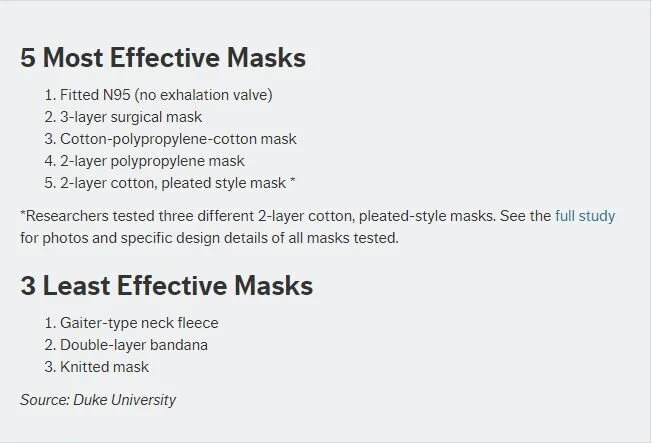
You don't need a fancy medical-grade mask to deter the spread of the coronavirus, but some face coverings do work better than others, according to a new study published in the journal Science Advances.

Researchers at Duke University tested the effectiveness of 14 commonly available masks and found that surgical masks and N95 respirators without valves worked the best at blocking respiratory droplets from projecting into the air when a person talks. A variety of double-layer polypropylene and cotton masks also reduced a significant amount of spray from normal speech.

Least effective, however, were bandanas, knitted masks and neck fleeces (also called gaiter masks), the latter of which may be worse than wearing no mask at all. The researchers found that neck fleeces actually dispersed more spray into the air, not less, because the material broke down larger respiratory droplets into smaller particles.

"Considering that smaller particles are airborne longer than large droplets (larger droplets sink faster), the use of such a mask might be counterproductive,” the study's researchers wrote.


Face masks are most effective when worn by all

In recent months, public health experts have stressed the importance of wearing face masks as a way to deter the spread of the coronavirus — especially by asymptomatic carriers, or people who don't know they have the virus because they never develop symptoms. Face coverings act as a barrier by helping to keep respiratory particles from escaping an infected individual and landing on another person.

"Just speaking lets these particles get out, and these particles can carry viruses,” including the virus that causes COVID-19, explains Eric Westman, M.D., an associate professor of medicine at Duke University School of Medicine and a coauthor on the study. And knowing which masks are best at blocking these particles can help guide consumer decisions that impact the spread of the virus, he adds. The researchers designed a setup consisting of a box, a laser, a lens and a cellphone camera to test the masks.

Want to know how your mask fares? You don't need a team of Duke scientists and a high-powered laser to find out. A quick and easy way to tell if a mask is good at blocking particles is to pull it tight and hold it up to the sky. “If you can see daylight through the mask, it's not so good. Or if you can take it and blow really hard, and [your air] just goes right through, that's not blocking much,” Westman says.

His advice to the general public, and especially to those concerned about their risk for severe illness from a coronavirus infection, is to “wear the best one that you can.” If a standard three-layer surgical mask is available to you — and some are now showing up on store shelves — go for it. But know that your double-layer DIY cotton mask is also fine in the community setting. Just be sure not to wear an N95 mask with a valve, Westman says. These masks release exhaled air, which defeats the purpose of wearing the mask to protect others.

Westman says more research is needed to test mask effectiveness, but in the meantime, the study shows that accessible, low-cost options do work.

"If everyone wore a mask, we could stop up to 99 percent of these droplets before they reach someone else,” Westman said in a Duke University news release. “In the absence of a vaccine or antiviral medicine, it's the one proven way to protect others as well as yourself."

masks.JPG

Family Caregiver Alliance: Get Your Own Personalized Caregiving Resource Dashboard

th.jpg

It is a scary time to be caring for an aging parent or other family member who needs assistance with physical or cognitive limitations.

It is a struggle to find aides to care for them at home. You worry about them contracting the potentially deadly coronavirus. You worry about you contracting the disease. On top of all that, you may have just lost your job.

We regularly feature classes provided by FCA and wanted to encourage anyone who may be feeling burnout or is just looking for resources to visit their site.

The mission of Family Caregiver Alliance (FCA) is to improve the quality of life for family caregivers and the people who receive their care. For over 40 years, FCA has provided services to family caregivers of adults with physical and cognitive impairments, such as Parkinson’s, stroke, Alzheimer’s and other types of dementia. Our services include assessment, care planning, direct care skills, wellness programs, respite services, and legal/financial consultation vouchers. Ongoing support is available with FCA, also now on a digital service platform. FCA is a longtime advocate for caregivers in the areas of policy, health and social system development, research, and public awareness, on the state, national and international levels.

The services, education programs, and resources from FCA are designed with caregivers’ needs in mind and offer support, tailored information, and tools to manage the complex demands of caregiving.

These include:

  • FCA CareJourney is a secure online solution for quality information, support, and resources for family caregivers.

  • Family Care Navigator, sponsored by the NCC, helps caregivers locate support services state-by-state.

  • National Center on Caregiving (NCC) unites research, policy, and practice to advance the development of high-quality, cost-effective programs and policies for caregivers in every state.


You can also Get Your Own Personalized Caregiving
Resource Dashboard


Go online to complete a 15-minute questionnaire and get a personal dashboard loaded with information that matches your unique caregiving needs. CareNav, our secure online service, offers quality information, support, and resources for family caregivers of adults with chronic physical or cognitive conditions such as Alzheimer’s, stroke, Parkinson’s, and other illnesses.
Try it out today. Click here.

Time with grandparents may impact how kids view the elderly

o-GRANDPARENTS-facebook.jpg

We understand that regular interactions with older adults is still limited due to Covid but this article shares strong evidence that both the frequency and quality of contact with grandparents matters in shaping how children think about age.

#ChangingtheNarrative

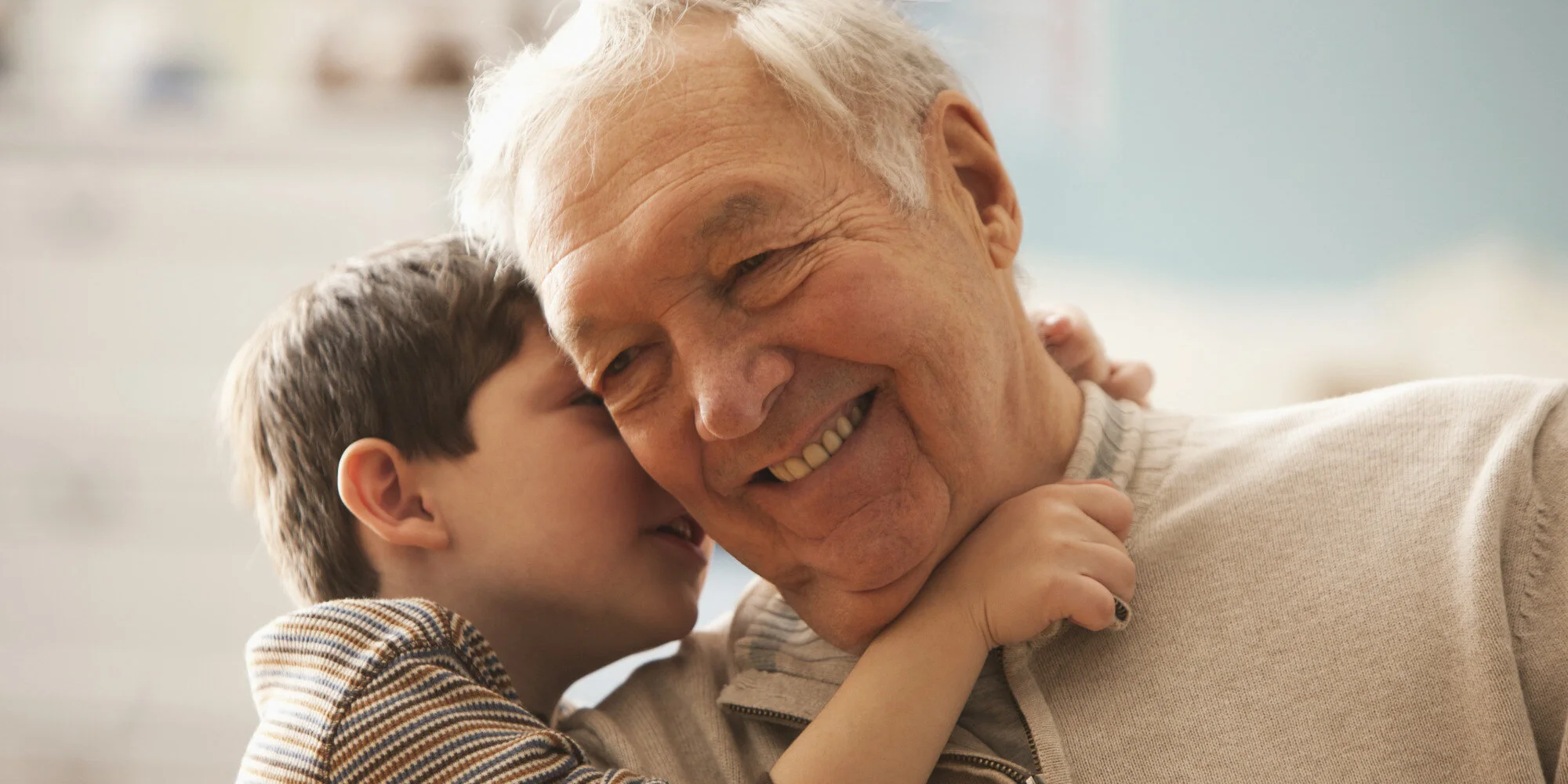
Children and teens who spend a lot of time with their grandparents may be less likely to have negative and stereotypical ideas about the elderly than peers who don’t, a recent study suggests.

Researchers in Belgium asked 1,151 youth ranging in age from 7 to 16 years about the time they spent with grandparents as well as their opinions about aging and the elderly. They found that kids who saw their grandparents at least weekly and described these interactions as happy were much less likely to express ageist views.

“Previous research had suggested that frequency of contacts with the elderly (time spent together) had no effect on children’s attitudes towards older people, whereas a high quality of contact positively influenced these attitudes,” said lead study author Allison Flamion of the University of Liege.

But most of this research was done in university students, not in children and teens, Dr Flamion said by email.

“The children in our study described their relationship with their grandparents very openly, as they perceived it,” Dr Flamion said. “We were somewhat surprised to find such a strong correlation between the children’s perception of grandparents’ contacts and the ageist stereotypes turning up in the questionnaires.”

In questionnaires, the researchers asked the youths about the health of their own grandparents, how often the two generations met and how the young people felt about their relationships with their grandparents.

In general, views on the elderly expressed by the children and adolescents were neutral or positive.

Girls had slightly more positive views than boys, and girls also tended to view their own aging more favorably, the researchers report in Child Development.

Ageist stereotypes appeared to change at various points in childhood, the study also found.

The youngest children, from 7 to 9 years old, expressed the most prejudice and kids from 10 to 12 years old had the most acceptance and tolerance.

Teenagers had more prejudiced notions about aging than pre-teens, but not as much as the youngest children in the study.

Grandparents’ health may also influence how children think about aging, the study suggests.

Young people with grandparents in poor health were more likely to believe negative stereotypes about the elderly than children and teens with healthier grandparents.

The study wasn’t a controlled experiment designed to prove whether or how time with grandparents might impact children’s views on aging.

Even so, the current study offers fresh evidence that both the frequency and quality of contact with grandparents matters in shaping how children think about age, said Dr Tara Lineweaver, a psychology researcher at Butler University in Indianapolis, Indiana, who wasn’t involved in the study.

“The quality of the time children spent with their grandparents mattered most when they also spent more time with their grandparents,” Dr Lineweaver said by email.

“What I found most valuable and most surprising about their results is that the influence of quality interactions with grandparents was greatest in middle childhood (ages 10-12), when attitudes are already most positive, suggesting that good relationships with grandparents may help explain the positive beliefs about aging that typically accompany this stage of development,” Dr Lineweaver added.

Growing evidence also suggests that contact between grandchildren and grandparents can be good for both, said Dr Dominic Abrams, a psychology researcher at the University of Kent, in the UK.

“More time that is enjoyable and positive really makes the biggest difference. I think there are several ways that this works,” Abrams, who wasn’t involved in the study, said by email.

“From a strong positive relationship they are more likely to learn things about older people that they might not otherwise have discovered such as their strengths, abilities, breadth of experience, and that they have a range of emotions and knowledge,” Dr Abrams added.

“Second, they may meet other older people whilst with their grandparents, giving them greater awareness of other older people in general and making ageing and oldness less strange and perhaps less frightening to the extent that grandparents are able to explain and share their experiences.” 


Read More:
https://www.todayonline.com/world/time-grandparents-may-impact-how-kids-view-elderly

We love our Clients and their Reviews!

5-star-airbnb-reviews_261535991.jpg

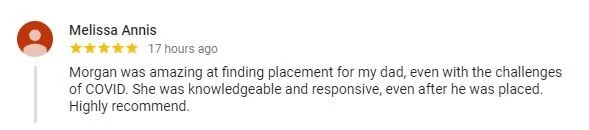
Thanks for the thoughtful review Melissa!

We appreciate your feedback and are so happy to be of assistance during these challenging times. 

Melisa Annis 8.5.20.JPG

Reframing Aging during COVID-19 workshop

Final_RCF_ChangingTheNarrative_Logo_Primary_Full_Color.jpg

This Wednesday, August 5 at noon, we are offering our Reframing Aging during COVID-19 workshop.

It's geared for organizations, media and individuals who talk about aging-related issues as part of their work, and who are interested in using more inclusive, research-based language and messages, especially in light of COVID-19. 

Why do we need to reframe now?

We’ve heard from many of you how dismayed you are about the way older adults are being portrayed during this time, as universally “weak, vulnerable, elderly.” You know that this reinforces stereotypes that are not true for the overwhelming majority of older people, and is harmful. As one colleague shared with me: This has set back the movement of recognizing that older people are assets at least 20 years!

REGISTER TODAY—Tomorrow morning, we'll be sending out the Zoom link for the workshop to all who have registered.

Register HERE

Caring Counts Conference

caring counts.png

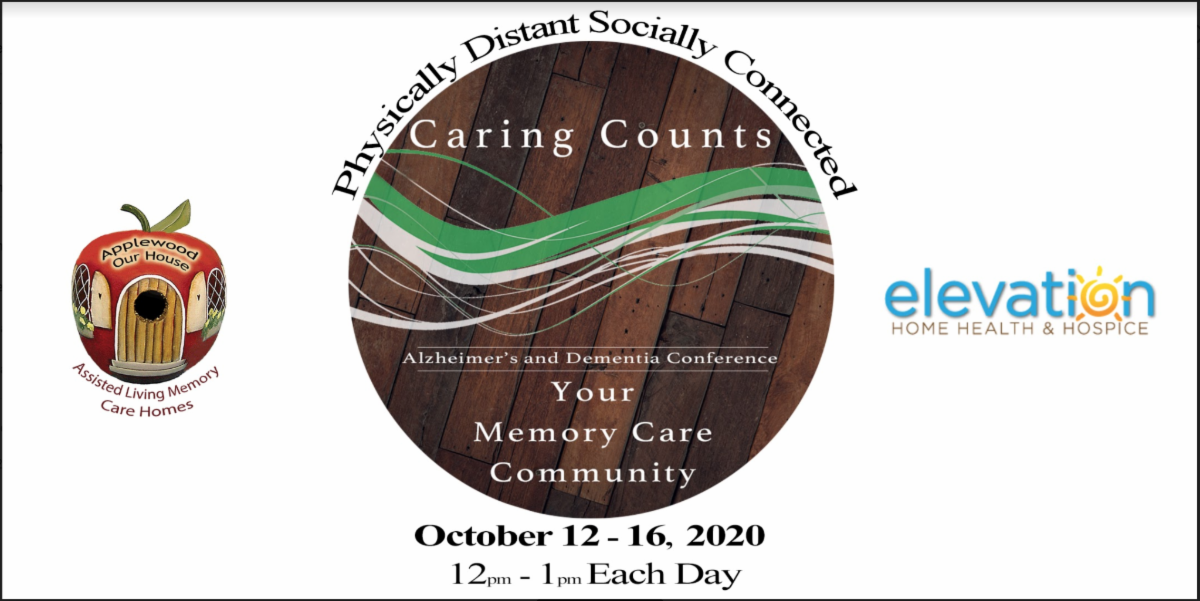
Caring Counts is all about connections in memory care. By sharing our stories we can find common ground and more support for the success and challenges in memory care. 

This is a complimentary online event! 

October 12: Effective Communication Strategies
This workshop teaches caregivers to decode verbal and behavioral communication by someone with Alzheimer’s and other dementias. Participants leave with strategies for meaningful connection with people in early, middle, and late stage dementia.


October 13th: Finding Strategies, Strength, & Support for Family Members
The founder of our Family Care Cafe, Dale Carter, will share how the Family Care Cafe launched and how it’s evolved into a close-knit community for those with loved ones in memory care. 

You will hear from a member of our Family Care Cafe as they share their journey with their loved one and how the cafe has benefited and supported them. 

Walk away understanding how the Care Cafe can help you and how you can join.


October 14th: Creating Moments of Joy for Those with Dementia
This session is designed and presented by Teepa Snow, to help caregivers recognize and appreciate their role in creating days that are filled with moments of joy and meaningful activities when caring for someone with dementia. Emphasis will be placed on developing an awareness of the importance the caregiver’s attitude and behavior play in determining the reactions and behaviors of the person for whom they are providing care.

Self-awareness and self-assessment will be used to help caregivers acknowledge their own status and emotional state. There will also be a discussion of the importance of recognizing ‘burn out’ and stress to determine if the caregiver is able, at this time, to find or create moments of joy or may need respite and time away or additional assistance and support to re-establish relationships that allow joy to be part of the day.


October 15th: Embracing Life by Acknowledging It's Finite-
Learning to Talk About Planning Ahead

Join Jamie Sarche from Feldman Mortuary as we talk about end of life wishes – the who, what, when for end of life.
Though death is the only experience, aside from birth, that EVERYONE has, we are afraid to talk about it

Most of us hold myths or misunderstandings about why ritual is important, choices or disposition and grieving

Death is part of life – actually a really important part – let’s talk about it!


October 16th: Busting the Myths of Hospice
Elevation Hospice will be hospice myth busters! Have questions about hospice? Join us and Elevation Hospice and learn the most common myths and how they are busted.


To learn more visit:
https://applewoodourhouse.com/caring-counts-2020/

Register Now

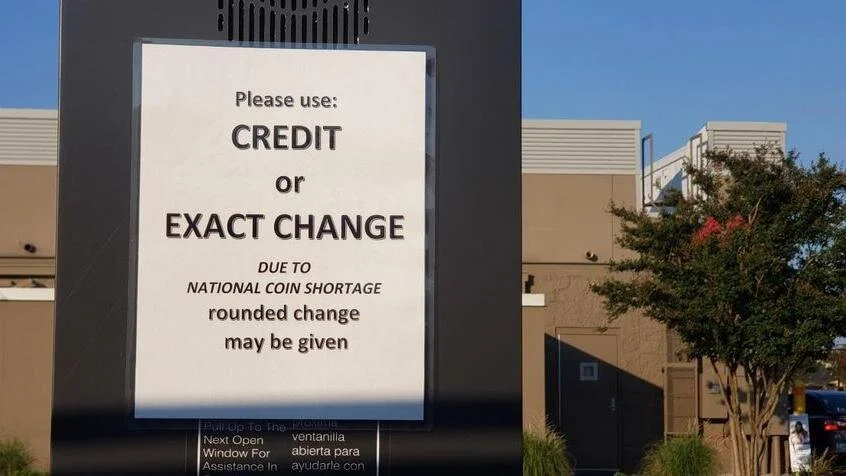
Why is there a coin shortage?

national-coin-shortage-scaled.jpg

Masks were the first to go. Then toilet paper flew off shelves. And while Americans are being nickel-and-dimed with Coronavirus-related costs in a shaky economy, the latest national shortage includes, well, nickels and dimes.

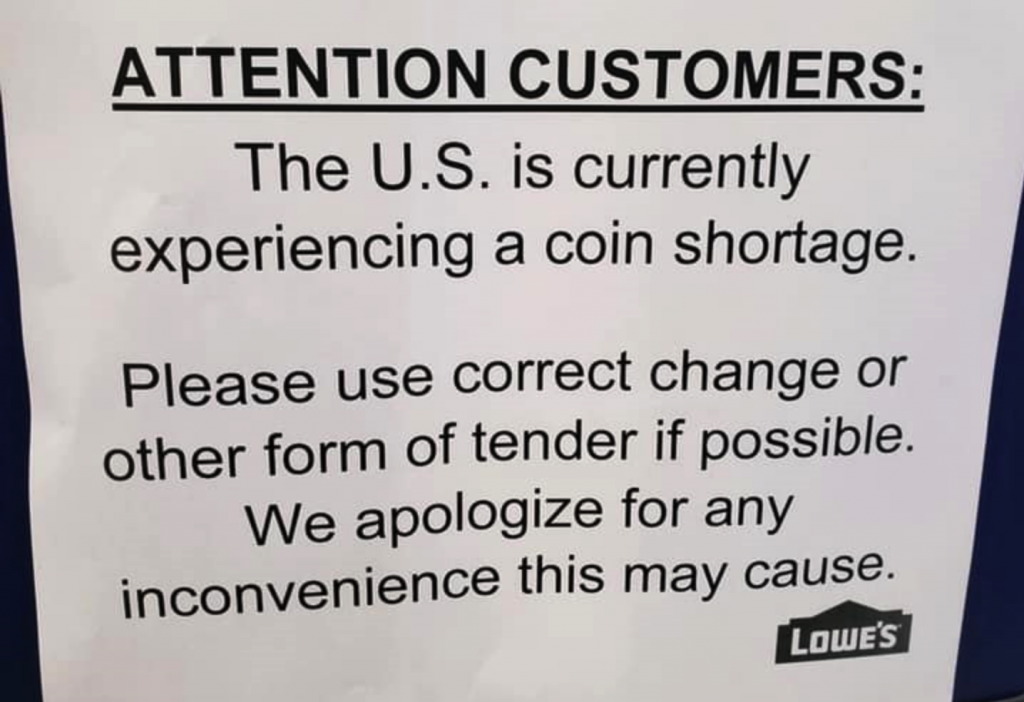
There's a coin shortage in the US.

"What's happened is that, with the partial closure of the economy, the flow of coins through the economy has gotten all — it's kind of stopped," Federal Reserve chairman Jerome Powell said during a virtual hearing with the House Financial Services Committee on Wednesday.
That's because the supply chain that coins usually flow through has been interrupted during the pandemic, Powell said.

Banks and businesses have shuttered or changed the way they operate. And so there are fewer coins reaching the public.
"The places where you go to give your coins, and get credit at the store and get cash — you know, folding money — those have not been working. Stores have been closed," he said. "So the whole system has kind of, had come to a stop."


The Impact
During the hearing Wednesday, Rep. John Rose of Tennessee told Powell that banks in his district were notified by the Federal Reserve that they'd only receive a small portion of their weekly coin order. The banks told him they'd likely run out of coins by the end of the week or may need to round up or down if they run low, Rose said.
"In a time when pennies are the difference between profitability and loss, it seems like it might be a bigger concern than the announcement from the Fed would indicate that it is," Rose said.


What's being Done
To mitigate the coin shortage, the Federal Reserve Banks began the "strategic allocation of coin inventories" this week to evenly distribute coins across banks and credit unions. Those "strategic allocation" measures include imposing order limits based on the historic order volume of those coins and how many coins the US Mint is currently producing.
In the meantime, the Federal Reserve is working with the Mint to produce more coins and lift supply constraints. The Reserve encourages institutions to order only the amount of coins they need to meet customer demand in the short term.
"Although the Federal Reserve is confident that the coin inventory issues will resolve once the economy opens more broadly and the coin supply chain returns to normal circulation patterns, we recognize that these measures alone will not be enough to resolve near‐term issues," the Reserve Banks statement said.
Federal Reserve officials believe the shortage is temporary, Powell said.
"As the economy reopens, we're seeing coins begin to move around again," he said.


This article was featured at:
https://www.cnn.com/2020/06/18/us/us-coin-shortage-coronavirus-trnd/index.html

Taking A Trip To Visit Grandparents Or Older Relatives? Tips To Reduce The Risk

skynews-grandparents-grandma_5012464.jpg

One of the hardest things during this pandemic — for kids and adult children — has been staying away from their parents and grandparents.

People 65 years and older are at higher risk for getting a severe case of COVID-19, according to the Centers for Disease Control and Prevention. And about 80% of deaths in the U.S. from COVID-19 have been in people older than 65.

So it's been especially important for older people to practice social distancing — even from family members — to reduce the risk of infection.

But the summer is here, communities are reopening and with many families living miles apart, a trip to see parents and grandparents is tempting. Here are some things to consider before you go.

Assess the risk
Remember, the risk of becoming severely ill with COVID-19 increases with age, says Dr. Ravina Kullar, an epidemiologist and spokesperson for the Infectious Disease Society of America. So the older the parent or grandparent, the higher the risk. And if your relative has an underlying health condition, like diabetes, lung disease, hypertension, or if they are immunosuppressed, "that puts them at even higher risk," Kullar says. So before the visit, assess the age and health of the person you are visiting — and consider whether the trip is worth the risk.


Plan ahead, by two weeks
If you decide to make the trip, the two weeks leading up to the visit are key, says Dr. William Miller, an epidemiologist at Ohio State University College of Public Health. You want to reduce your chance of infection as much as possible. While complete quarantine may not be practical, limit outings or social gatherings, and take maximum precautions when going out. Practice social distancing, wear a mask, and work from home if possible, to reduce your chances of getting infected. Complete quarantine would mean staying entirely home except for necessary medical care.

Another factor to consider is what the infection rates are where you live, says Kullar. You have more risk of infection if you live in a place which is reporting a lot of new cases every day, than if you live in an area where no cases have been reported for several weeks. You can use NPR's coronavirus tracker to find out how many cases there are in your state.


If you can, make it a road trip
Traveling by car will be safer than traveling by plane or train, Miller says. The main risks in a road trip are the stops along the way, such as restaurants or public restrooms.

"I would recommend you do anything you can to limit your exposure," Kullar says. "If you have to fill up the gas tank, put gloves on and use hand sanitizer. Pack your own food so there are no additional stops at restaurants."

The main risk from restrooms are from those that are small, busy and poorly ventilated — like "those restrooms in a gas station off the highway where the restroom is outside," Miller says. Try to choose a bathroom that looks clean and is well stocked with supplies. Avoid bunching up in a line, or staying in the restroom long, if you are within 6 feet of others. Wear a mask, wash your hands after you go, and use hand sanitizer if you touch any surfaces after that.

If it's a long trip and you need to stay overnight in a hotel, "make sure you sanitize everything," Kullar says. Take disinfectant, wipe down surfaces, limit time spent in indoor public spaces and wear a mask.


Think twice before you fly
"Planes are a major concern," Miller says, despite the high level of air filtration on most planes. In planes you are exposed to people several rows ahead and behind, for an extended period of time. It can also be hard to social distance as you navigate the airports. Trains and buses likely have similar exposure, Miller says.

If you do take a plane, bus or train, "choose routes that are less populous," says Dr. Emily Landon, a hospital epidemiologist and infectious diseases specialist at University of Chicago Medicine. "Make sure you are wearing a mask and using hand hygiene," she says. And look for an airline, train or bus company that is enforcing rules like universal masking.

If you do fly, or take public transportation, you need to quarantine on arrival, Miller says. Stay in a hotel or rental, and socially distance for 10 to 14 days, before visiting your parents or grandparents. "This means a true quarantine — no visits to theme parks, museums or restaurants," Miller says.


Should you get tested?
Kullar suggests getting a PCR test before you travel. That's the diagnostic test to determine if you are infected with the virus that causes COVID-19. People who are asymptomatic or presymptomatic can spread the virus, without even knowing they are infected. If your test is positive you should cancel your trip and quarantine yourself for 14 days and get retested. Also, it is important to tell anyone that you have been around of your positive test result, Kullar says.

But if your test is negative, you still need to take precautions. Tests are not always accurate. According to the CDC, it's possible you could still have COVID-19, even if your test result is negative.

"It's important to remember testing is not perfect," Miller says. "A test is a snapshot in that moment." If the test is taken too early after infection, there may not be enough virus present to be detected by a test.

So if you do get a negative test before you travel, you must still make sure you've put in two weeks of strict social distancing before the visit.


Where should you stay?
Given that many people won't be able to fully quarantine, you want to be really careful, "get an Airbnb" or a hotel room, advises Kullar, and just drop by and visit. "Sit outside, greet without touching. Keep your distance. Wear a mask and stay outdoors," she says. "Transmission is a much lower probability outside, as long as you are keeping a good 6 feet distance apart, thanks to the constant airflow," she adds.

If you've been able to quarantine for 14 days, it's reasonable to stay with your older relatives in their home. But, remember, you need to remain vigilant. "Your risk is tied to the risk of the people that you spend time with up close and unmasked," Landon says.

So once you've arrived where your older relatives live, "you want to keep your bubble intact," Miller says. You may want to limit any other social contacts during the visit and just focus on quality time with the grandparents or a few close relatives. Anybody that you are going to hang out with up close and without your mask, especially indoors, could potentially spread the virus. So, keep the circle small, and expand it only with people who have been practicing social distancing and taking precautions.

And if you're adding more people to the mix for a gathering, it's best if you can stay outdoors, and tell everyone to BYOB — and BYO-everything (bring your own everything) to limit the touching of shared surfaces.


Limit activities when you get there
What you do during the visit also matters. Avoid crowds, and stick to outdoor activities as much as possible.

"Don't go out to theme parks and museums [or other crowded places], even if the grandparents don't go along," Miller says. That's because most transmissions of the virus are thought to happen in household settings. So if you get exposed outside the home you could bring that home and infect your relatives.

"If you're sharing the house, everything you do is shared with the elderly folks," Miller says.

If you are taking young children to visit their grandparents, talk to them before you go, advises Kullar, tell them why it's not a good idea to hug their grandmother or grandfather. "Really have a solid discussion with them about that because they may have trouble adhering to the social distancing measures." Miller agrees: "Limit hugs and close contact, unless you have done a full quarantine" — which means not leaving the house for anything except necessary medical care.


Consider staying home
Unless, you can rigorously follow all the guidelines above, it may be that the best way to be really safe is to forego the family visit this year and stay home, Miller says. Find creative ways to engage with your parents or grandparents by phone or video. Play games by video, read books together, watch a movie at the same time.

"This is a time to embrace some virtual tools," Kullar says, to make sure your loved one doesn't feel socially isolated. She lives in Los Angeles, her mother in North Carolina, so they meet for morning coffee using face time and have dinner together maybe once a week.


This article was featured on NPR:
https://www.npr.org/sections/health-shots/2020/06/24/880962631/taking-a-trip-to-visit-grandparents-or-older-relatives-tips-to-reduce-the-risk

Home Staging that caters to Older Adults

unnamed (1).jpg

Leslie Testa created Les Is More Home Staging for homeowners who are too busy or overwhelmed to prepare their homes for sale.

Whether a property is 500 square feet or 5,000, she thrives on simplifying, styling and updating homes to generate the greatest demand. 


 She can help if you are selling your home or need assistance in downsizing and setting up your new living spaces. 
 

  • Homeowners can choose how much or how little assistance they need.

  • Services include: Occupied and vacant planning consultations Customized, detailed written recommendations for homeowners to follow

  • Partial to full staging

  • Whole-home styling using homeowner’s existing belongings or rented items

  • Designer discounts for updates including flooring, lighting, tile and countertops

  • Contractor recommendations for home updates

  • Paint color selection

  • Sourcing and styling of furniture and décor for short-term rental properties

*During the pandemic, as an essential business, she is fully available for vacant and occupied home staging following best practices to stay safe and healthy and she provides remote consultations anywhere in the United States for occupied homes.


Leslie Testa | 303-913-2265
3468 W 34TH AVE
DENVER, CO 80211
https://lesismorestaging.com/

Share YOUR stories—they are so important to changing the narrative about aging.

unnamed.jpg

Changing the Narrative has heard from many of you how dismayed you are about the way older adults are being portrayed during this time, as universally “weak, vulnerable, elderly.”

You know that this reinforces stereotypes that are not true for the overwhelming majority of older people, and is harmful. 


So—Changing the Narrative is sharing in their blog the stories of older people in our communities.

People like:

  • retired high school teacher who continues to teach and encourages young people to vote

  • plumber who cooks and deliver meals to a homeless shelter, involving his family in the process

  • longtime quilter who is making masks and medical gowns for Volunteers of America Western Slope

And lots more!


How can you help change the narrative about aging and older people? Let them tell your story. If you’re willing to be interviewed for a blog like one of these, let them know here.

Featured Business

9902b81b-3eac-4fc4-b892-46690d378bec.jpg

Tawnya Musser, founder of Dear Departures, LLC. is a Home Funeral Guide, End-of-Life Doula, and Life Cycle Celebrant specializing in memorials, celebrations-of-life, living funerals, pet-death ceremonies, and more.


How she describe's what she can do for potential clients?

• Offers end-of life care, planning, and legacy projects as an added layer to hospice.

• Supports families who choose not to hire the services of a funeral home, by opting for a family- directed home funeral (wake/viewing.) *This is an amazing service to consider amidst COVID 

• Crafts custom ceremony for funerals/memorials/celebrations-of-life whether a family is using a funeral home, or not.

• Offers educational events on topics of death and dying, within the community.
 

Please visit her website. It is beautifully done and has lots of detailed information about the different services she provides. 

Tawnya Musser
(719) 430-5272
 

http://www.deardepartures.com/  

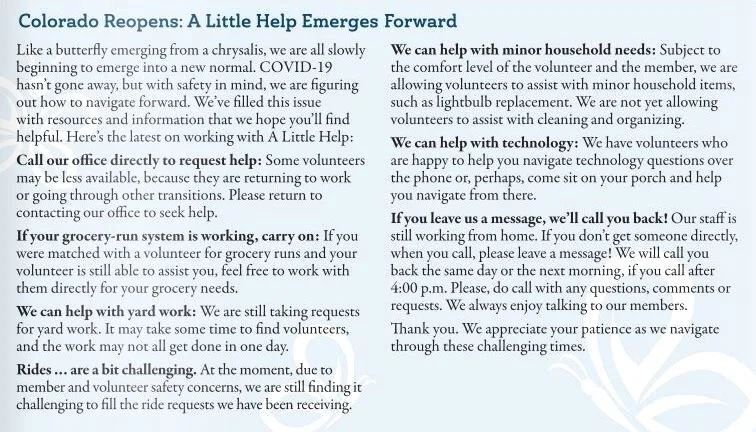
A Little News from A Little Help

A little news.JPG

A Little Help is a nonprofit organization that connects neighbors of all ages to enhance lives and strengthen our communities. They are actively seeking Volunteers to keep their program running strong.

If you, or anyone you know, could be of service please share. In addition, if you are in need of assistance with groceries, yard work, ect. Please reach out to this wonderful organization!

A Little Help Administrative Office
2755 S. Locust Street, Suite 220, Denver, CO 80220
720-242-9032
https://www.alittlehelp.org/

A litte help july.JPG

Another 5 Star Review!

Google 5 Star Review.JPG

We love to thank our clients for taking the time to review their experience with us. We truly value your feedback!

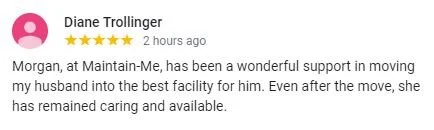
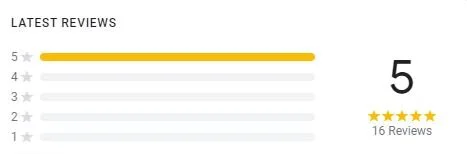
Diane has added to our growing list of 5 star reviews, each of those represent beautiful families we have been honored to assist with their journey!

Diane Trollinger Review 7.13.20.JPG
Review Count.JPG