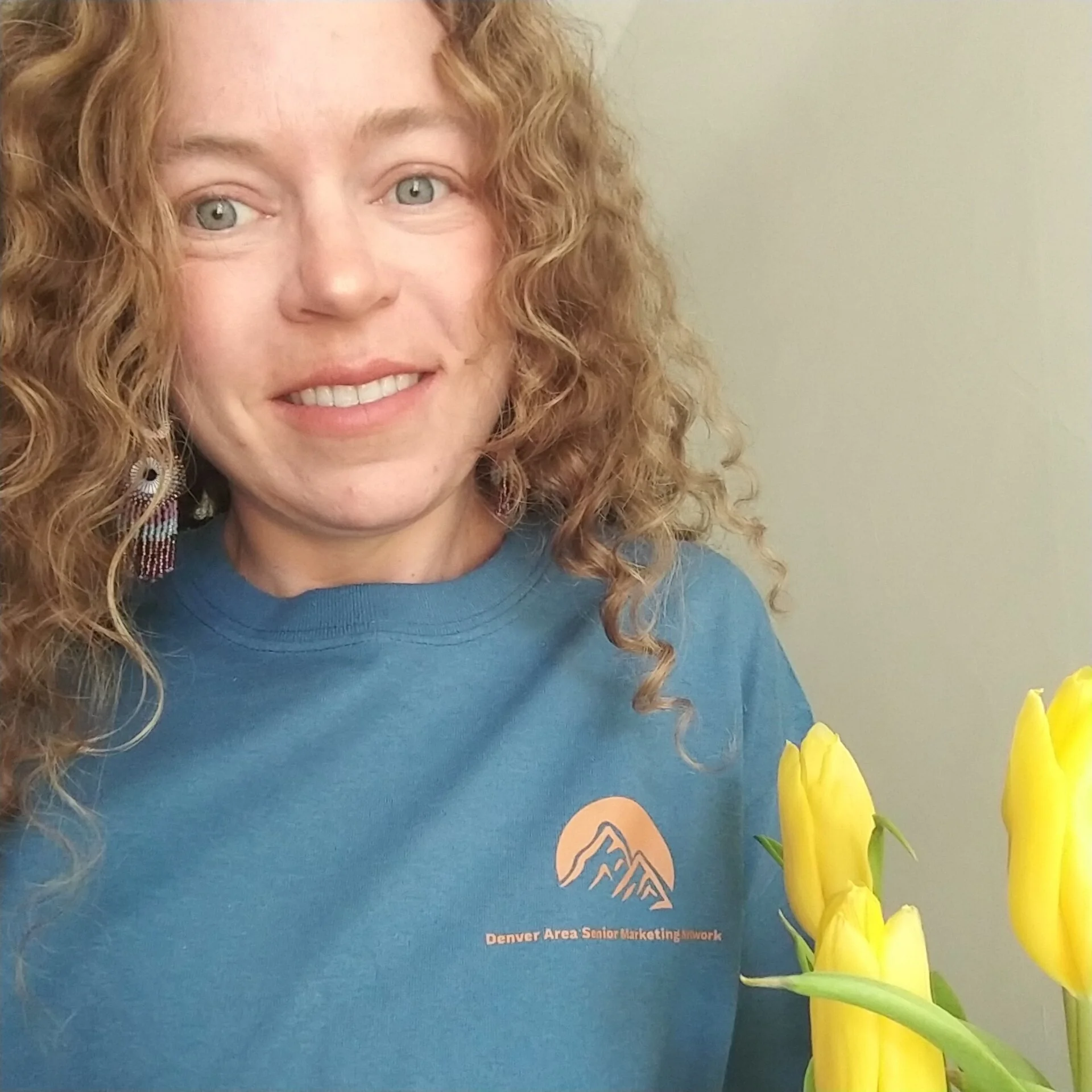
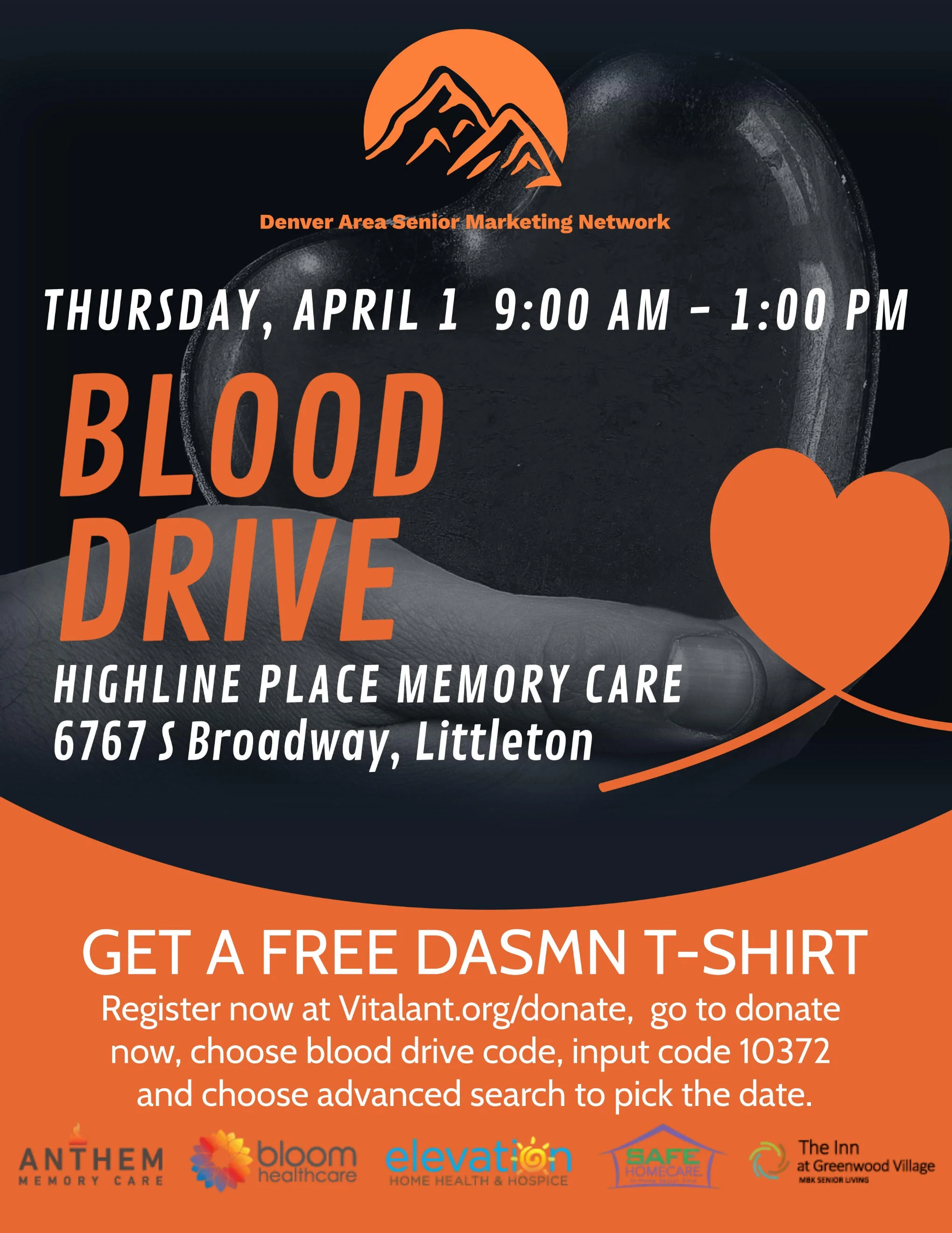
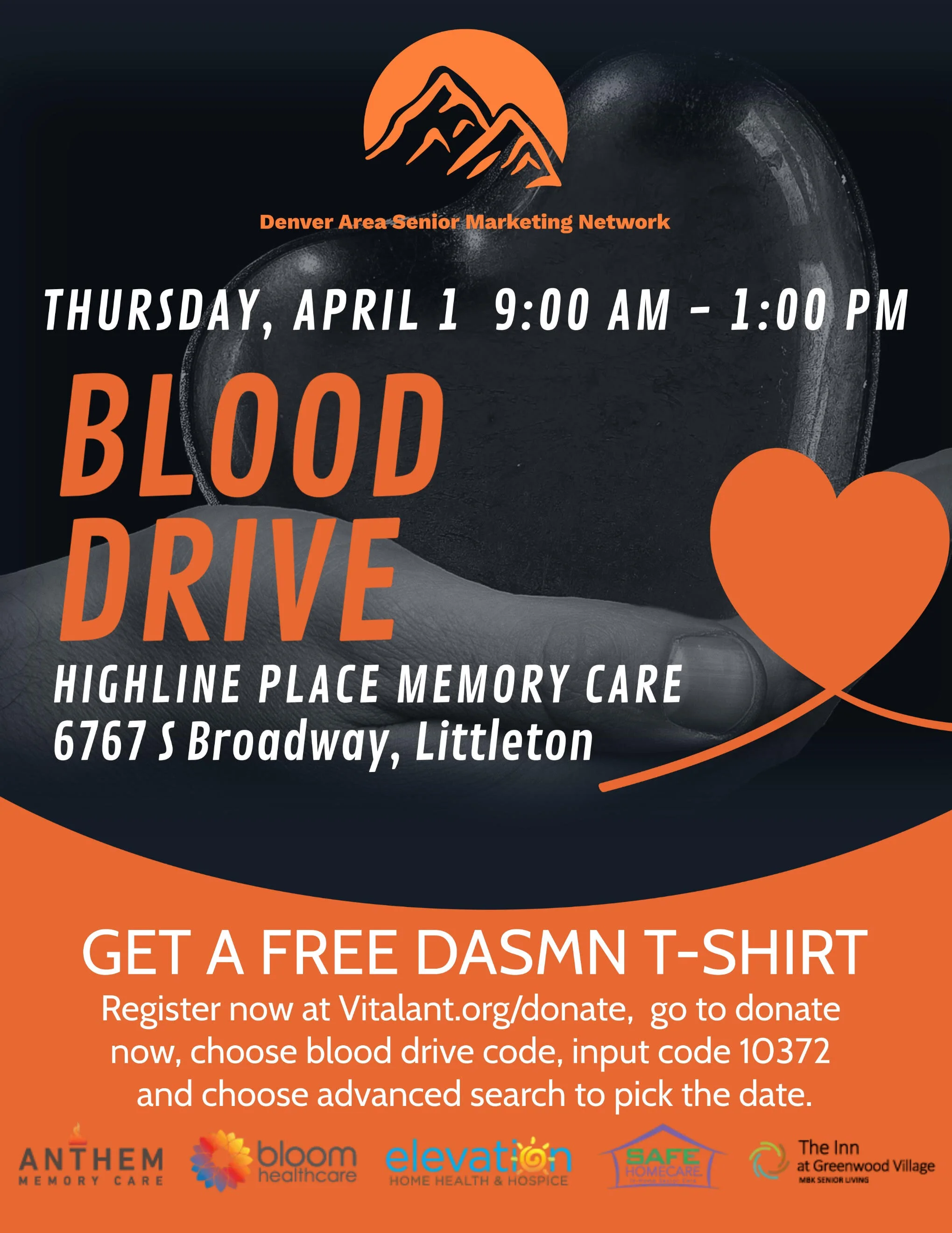
Morgan participated in the Blood Drive last week!

Morgan blood drive.jpg

We never hesitate to share pictures of our team doing great things! Morgan donated blood at last weeks blood drive and got a cool new T-shirt to wear as well.

COVID has interrupted all aspects of life and blood donation was not spared. Red Cross, RWJBarnabas and NYBC are all stressing the need for donors to step up and help save lives. 

Thank you Morgan and thank you to all the sponsors!

Morgan blood drive3.jpg
unnamed.jpg

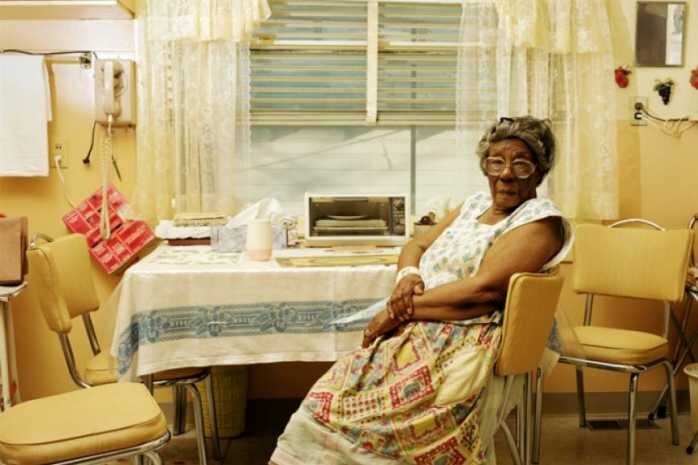
Apron Chronicles: A Patchwork Of American Recollections

Ashford-ApronOfEndurance0_926f2837-fb78-40ba-a8e7d9928ba5a02d.jpg

Check out this amazing Exhibit at the History Colorado Center. 

When the major traveling exhibition known as Apron Chronicles premiered in 2005, its primary focus was to transport us to a simpler time. Today, as we contemplate how to move forward from a turbulent and disrupted present, Apron Chronicles gives us the opportunity not to escape reality but to see it in a different light. Come explore the themes of hope, connection, survival, achievement, regret, and liberation, as told from the healing perspective of connectivity.

Apron Chronicles features photography, personal narratives, and one-of-a-kind aprons, and lets visitors add their own stories to the experience. And while the storytellers’ recollections were each prompted by an apron, they’re not about fabric. Sharing a depth of emotion and social complexity both intimately personal and universally relatable, the exhibit reminds us that we're all in this together.

History Colorado is the final stop in the Apron Chronicles’ sixteen-year journey.

The exhibit is currently running through MAY 31, 2021

Purchase tickets HERE:
https://www.historycolorado.org/exhibit/apron-chronicles

5 Types of Senior Living

In this weeks video Morgan and Chelsea dive deep into the different types of Senior Living.

Learn about amenities, pricing, and thresholds that are factored in when determining where an older adult would best be suited.

WE WOULD LOVE YOUR VOTE!

Bets of Best.JPG

Colorado Community Media presents the

2021 Best of the Best contest!

WE WOULD LOVE YOUR VOTE!


VOTE TODAY!
https://coloradocommunitymedia.secondstreetapp.com/Northglenn-Thornton-Best-of-the-Best-2021/gallery?group=376992


*Scroll down and click on the last grey tile in the left hand column labeled Senior Services. Then either click on the green vote button on the right side of Maintain Me's name or choose the write in option for each applicable category.


Thanks so very much for your support....the deadline for casting your vote is April 15, 2021!

They need your help!

unnamed.jpg

As the spread of the virus slows, many procedures that had previously been postponed will be rescheduled, putting a greater strain on the nation’s blood supply during a time when blood drives will likely still be held infrequently.

Whether the organization is currently meeting the demand for blood or is struggling to keep up, Red Cross, RWJBarnabas and NYBC are all stressing the need for donors to step up and help save lives.

How Alaska achieved one of the highest COVID-19 vaccination rates in the U.S.

dbc54b58b79b5150f076341a4ef89048.jpg

Bigger than California, Texas and Montana combined, Alaska is a forbidding expanse of mountains, tundra and wilderness dotted with villages so remote that many can be reached only by boat or small plane.

Few places would seem to pose as many challenges for a vaccination campaign.

Yet more than 28% of Alaskans have received at least one dose of a COVID-19 vaccine — better than most states and well above the national average of 22%.

Dr. Anne Zink, the state's chief medical officer, attributed its success to decades of experience dealing with the logistical challenges posed by the state's harsh geography — to the point that even the process of getting Amazon packages to doorsteps has served as practice for vaccine delivery.

“Every Alaskan community looks different, and when we brought their representatives to the table, it was clear they each needed a different approach,” she said.

The public health system is well versed in getting childhood vaccines and flu shots to far-flung corners of the state.

Unlike most other state governments, Alaska has long needed to look beyond commercial pharmacies and partner with tribal health systems and community clinics that serve the most vulnerable groups.

There are few intermediaries in the state health system — Alaska does not have county health departments, for example — so state officials can provide resources directly to trusted local leaders, who then decide how best to address their population’s scenario.

In Indigenous villages in the Aleutian island chain, which stretches over 1,000 miles west from the Alaska Peninsula to Russia, health workers go door to door by dogsled to those without running water.

Project Togo, the current effort to get COVID-19 vaccines to 50 rural villages in the southwestern region of the state, was named after a sled dog who helped transport medicines during a diphtheria outbreak almost a century ago.

In an unusual arrangement with the federal government, the state receives its vaccine shipments monthly rather than weekly — a deal that Zink said state officials requested to allow for more systematic planning of how to distribute doses to match demand.

In the town of Petersburg, an island community off the coast of British Columbia, about half of the 3,200 residents have received at least one dose.

Jennifer Bryner, the chief nursing officer of Petersburg Medical Center, said she and her fellow administrators were given permission from the beginning to use the vaccines however they saw fit. That often meant that when elderly residents came for a vaccination, the people who brought them also got shots.

Her team conducts online polling through the website SurveyMonkey to gauge community interest and determine how many doses to request from the state.

If any doses are left at the end of a vaccination session, the medical center advertises them on Facebook. Bryner said not a single dose has gone to waste.

Linderman, of the COVID-19 task force, said that since eligibility requirements were lifted last week, Alaska has kept up with demand. Online dashboards where residents make appoints show about 2,000 slots still vacant in March.

“The concern was that providers would be hounded, that people would be knocking down their doors,” she said. "We haven’t seen that — just a consistent, steady flow of interest.”


Emily Baumgaertner
March 17, 2021

This story originally appeared in Los Angeles Times.
https://www.latimes.com/world-nation/story/2021-03-17/how-alaska-achieved-high-covid-19-vaccination-rate

Talking, and doing something, about #AGEISM

agism snip.JPG

The speakers—and this short and powerful video below—really illustrate that ageism affects both younger and older people, and we need to come together to do something about it.

We are so glad that people across the globe are coming together.

The ‘Changing the Narrative’ event highlighted three strategies that are important to ending ageism: Policy and laws; educational activities; and intergenerational interventions. Here's what's going on in these three arenas in Colorado and beyond:

1. A group of advocates have been working to strengthen workplace age discrimination laws. Last week, SB21-176 was introduced in the State Senate and will be heard by the Senate Judiciary Committee on March 25. You can read more here.

2. On March 24, Changing the Narrative, in partnership with Denver Public Library is hosting a conversation on workplace age discrimination with Elizabeth White, author of 55, Underemployed and Faking Normal. You can register for this free event here. If you, a loved one, a friend have experienced, or are experiencing, age discrimination, you won't want to miss this candid conversation with Elizabeth, who shares her own story and puts it into a larger social and policy context.

3. Our on the same pAGE intergenerational conversation campaign continues! We have a conversation that is open to the public tomorrow—you can register here. Can't make it tomorrow, or would like to host your own, private conversation within your organization or with friends? We've got you covered. Download our toolkit, which provides you with everything from invitation emails, facilitation tips, sample activities, and questions for conducting your own intergenerational conversation.

4. Finally, want to learn more about ageism? Our Change AGEnts are available to do one-hour presentations for your group or organization. Reach out on this form, and we'll be in touch to schedule one.

During this morning's session, speakers talked about the "ripple effect." This has always been the heart of our strategy at Changing the Narrative. Each action, each step, we take has a ripple effect. We hope you will join us in creating #AWorld4AllAges

With much gratitude,

Janine Vanderburg, Director, Changing the Narrative

#EndingAgeismTogether

Morgan was on the panel for this Facebook live event. Listen to what she and her industry partners had to share

th.jpg

Behind The Scenes: What Collaborative Work In Senior Care Looks Like

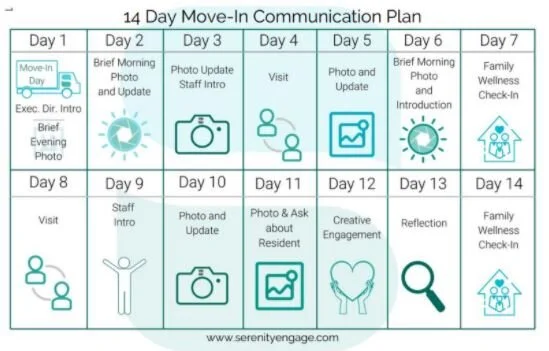
Communication is key for any relationship but it is especially important in the first two weeks of a move into a new residence. Join the Mavericks as they sit down, in round table fashion, with members of the Collaboration Circle.

Download the e-booklet here
14 day snapshot.JPG

St. Baldrick's is Virtual this year!

unnamed6.jpeg

REGISTER.
FUNDRAISE.
SHAVE. 

Together, we can #ConquerKidsCancer


IN THE U.S. 1 IN 5 CHILDREN DIAGNOSED WITH CANCER WILL NOT SURVIVE. Since St. Baldrick's began, the 5-year survival rate has risen from above 79% to 85%. But there are still cancers no child survives. And 5-year survival isn’t the same as a cure. Many kids are still in treatment 5 years after diagnosis, or die after that milestone. Kids with cancer need your help more than ever.

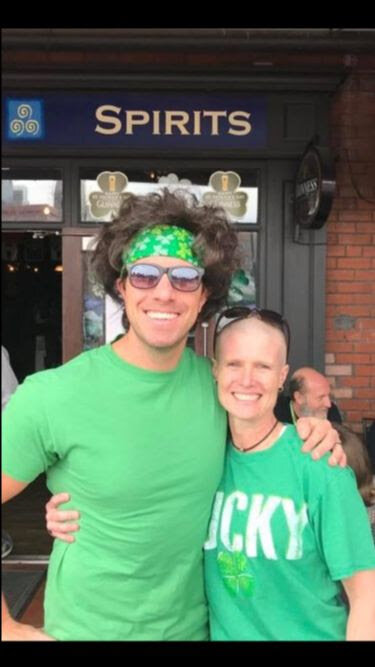
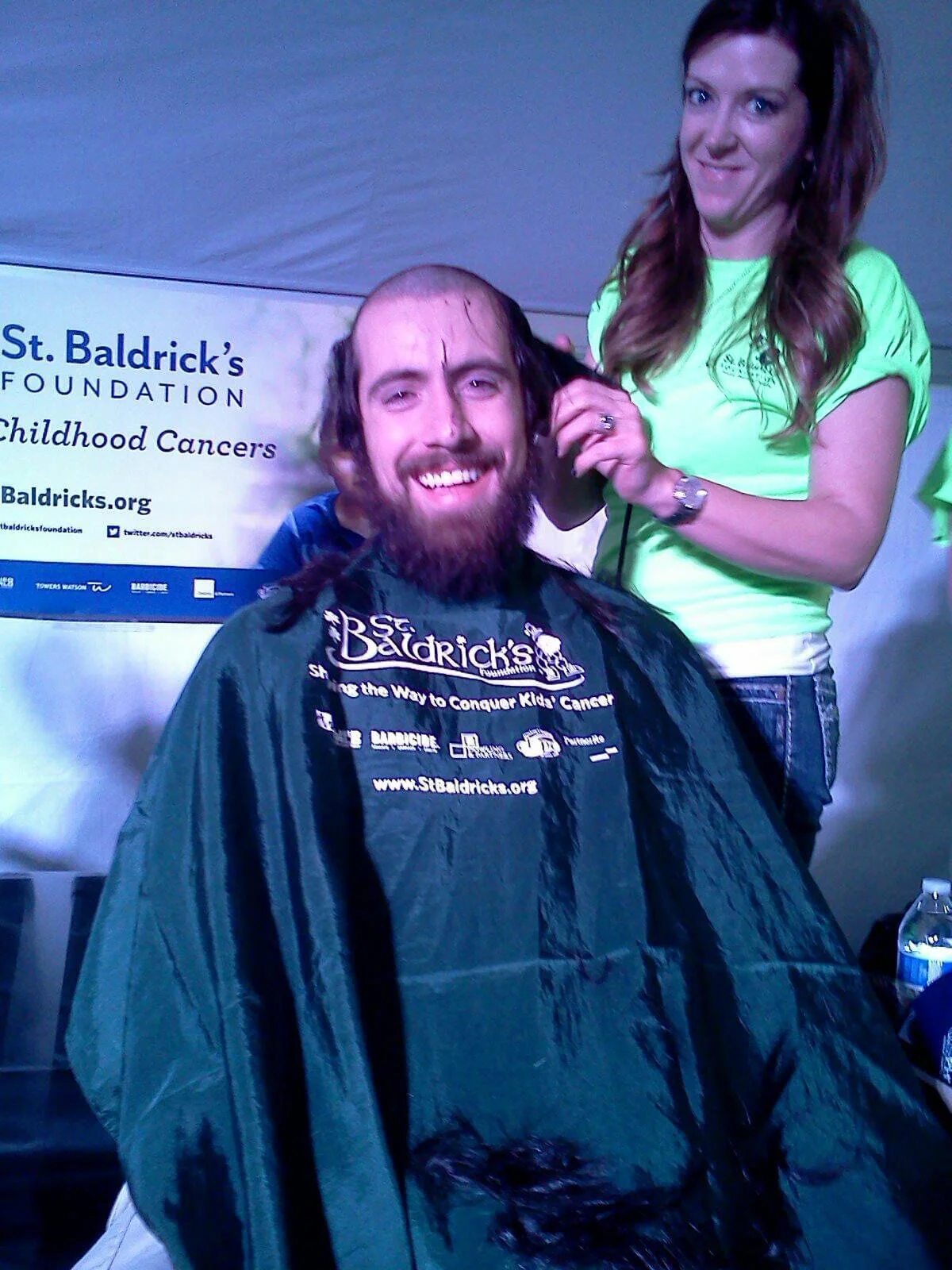
This is an annual event that is near and dear to our owner's heart. Her family has participated for years and they encourage you to join them
or donate today.

unnamed.jpeg
unnamed1.jpeg
unnamed3.jpeg
unnamed4.jpeg

Neural stimulation through education can buy aging brains some time.

iStock-941420538.jpg

Old dogs need to learn new tricks. Here’s why.

Erin Blakemore- March 9, 2021

Since at least the 1500s, the adage “You can’t teach an old dog new tricks” has preached the impossibility of schooling older folks. The trope still manages to color stereotypes of aging as more of a downhill slide than a journey toward wisdom. But 16th-century know-it-alls didn’t have access to 21st-century neuroscience, and a growing body of research suggests that late-in-life learning is likelier than Renaissance pundits could ever have imagined. In fact, education does an aging noggin good.

Our brains are bafflingly complex at any age. The average adult has around 86 billion neurons, connected by synapses—tiny gaps where these cells exchange chemical signals. Each head hums with hundreds of trillions of these connections, all sending and receiving tiny bits of information and instructions. During the 20th century, imaging tools like MRIs and EEGs finally let neurologists examine how those paths change as our minds mature, and they revealed that ageist notions of doddering seniors were quite mistaken.

Throughout life, our noggins constantly rewire themselves. Some scientists suspected as much as far back as the late 1800s. But it wasn’t until the late 1960s, when British neuroscientist Geoffrey Raisman spied growth in damaged cerebral regions of rats through an electron microscope, that anyone managed to catch them forging new connections—an ability called neuroplasticity. “Molecular changes occur each time we learn something new,” says Kaitlin Casaletto, a neuropsychologist at the Memory and Aging Center at the University of California, San Francisco (UCSF). As we encounter novel information, our brains release chemicals that subtly alter our synapses and change the organ’s physical form by blazing new neural pathways. Such tweaks stop only with degenerative disease or death.

Of course, gray matter isn’t completely impervious to the ravages of time. Just as stature usually declines over the years, so does brain volume: Humans lose about 4 percent every decade starting in their 40s. But that shrinkage doesn’t necessarily make us slower on the uptake, says Kristen Kennedy, a cognitive neuroscientist at the University of Texas at Dallas. “As long as we are alive and functioning,” she says, we can alter our neurons with new information and experiences. In ongoing studies in her lab, Kennedy gives subjects ranging in age from 20 to 98 tests that measure reasoning, executive function, memory, and information processing speed. She’s found comparable dexterity across the board.

Starting in late middle age, though, there does seem to be variation in which cerebral regions do the work. “On the outside it might look exactly the same,” she says. Inside, though, the picture is quite different. As areas like the cerebellum, hippocampus, and prefrontal cortex—the seat of decision-making and planning—get smaller, our brains automatically recruit other locations, like a left-brain region’s right-side partner, to help carry the cognitive load. PET and fMRI studies that track blood flow and oxygenation have spied activity migrating into those areas during cognitive tests. How long these cerebral detours can continue varies from person to person, but brains seem to generally get less efficient at redirecting traffic as they age.

We can, however, buy more time. Based on imaging and long-term cognitive research, neuroscientists now suspect that loading up on novel experiences, facts, and skills can keep our minds more plastic. New pathways can strengthen our ever-morphing mental scaffolding, even as gray matter shrinks.

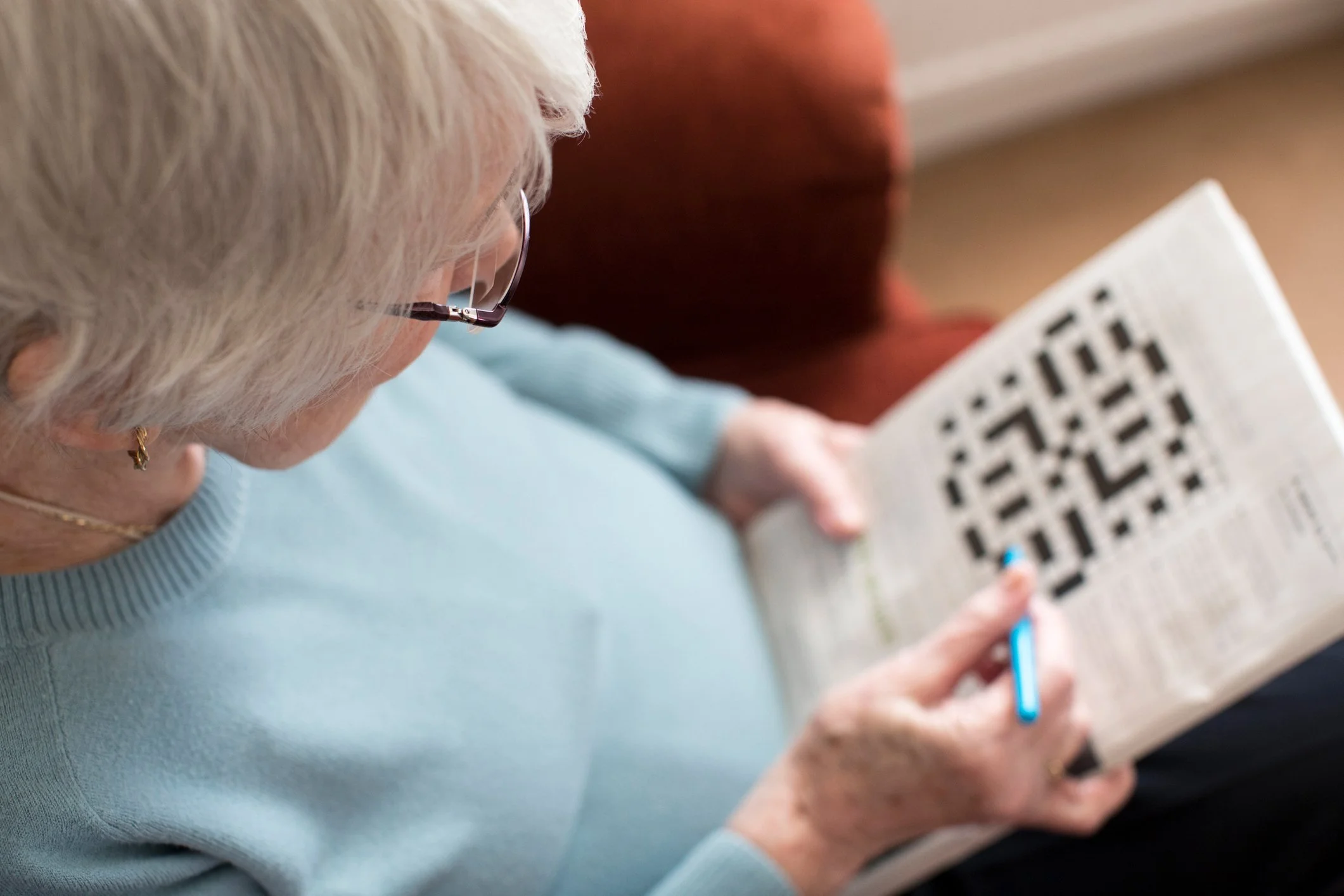
Conventional fixes like crossword puzzles and brain-training apps can contribute to mental longevity. In a 2002 study published in Journal of the American Medical Association of 2,800 people between ages 65 and 94, 87 percent of the seniors given these games improved processing speed over a six-week training period. Three-quarters of the participants assigned reasoning games improved their scores over the same period—and surviving subjects maintained those gains a full decade later. Even something as simple as taking a different route to the grocery store or going somewhere new on vacation can also keep the noggin healthy, says Kennedy. “Anything that’s novel drives your brain to pay attention,” she says. “At the cellular level, it spurs new expression, new signaling. That’s really good for you.”

A lust for life can further boost brainpower. Research about aging adults who take on new enterprises like Latin dance, quilting, or traveling with friends show improved function and memory as well as a reduced risk of dementia. One 2002 study of elderly Swedes found that people who participated in regular social activities had a 40 percent lower risk of exhibiting symptoms of dementia over a nine-year period. And in a 2014 paper in the journal The Gerontologist, 60-to-90-year-old adults who learned to use iPads performed better on memory tests than those who didn’t play with the tablets. “Challenging yourself might be one of the activities that is most beneficial,” says UCSF’s Casaletto.

Link to original article:

https://www.popsci.com/story/science/learning-new-things-when-old/?utm_source=facebook&utm_medium=news_tab&utm_content=algorithm&utm_source=Contacts&utm_campaign=253e94d2b8-EMAIL_CAMPAIGN_2017_05_03_COPY_01&utm_medium=email&utm_term=0_03a1f63087-253e94d2b8-219489697

WAYS TO REDUCE AND MANAGE CAREGIVER RESENTMENT

a5ab3d73-259c-4a3f-94bd-173832f44a58.jpg


When put into a situation that we didn’t choose, it’s not uncommon to feel negative and resentful.

And when you spend so much time and energy caring for your older adult, it’s natural to experience caregiver resentment – no matter how much you love or care about them.

For example, you might resent the overall situation, their illness, certain behaviors, unhelpful family members, or unsupportive friends.

We might want to avoid or suppress these negative feelings, but if they’re not addressed, they can significantly increase caregiver stress.


1. Evaluate the current caregiving situation
Caregiving tasks, responsibilities, and stress levels tend to increase over time. Many people don’t even notice until they get overwhelmed, burned out, and suffering physically.

That’s why it’s necessary to take a step back once in a while and reassess the caregiving situation and notice how things have been changing over time.

You might realize that you’ve added more and more to your to do list. Every additional responsibility and task takes up valuable time and energy – and takes a toll on your mental and physical health.

Or maybe the level of care that your older adult needs now has increased to the point where it’s nearly too much for one person to handle.

Or, things could still be manageable, but you realize that you could use help with specific tasks like meals, housekeeping, or home maintenance.


2. Explore a variety of ways to get help with caregiving
Getting help is important for sustaining long-term caregiving and preserving your own health and well-being.

If you can get help from the people that you think should be helping, that’s a wonderful situation to be in. If that isn’t possible, be open to getting help from other sources.

Some family members actively find ways to help and contribute to caregiving. Take them up on their offers to help and let them know what you need.

Others may want to help, but don’t know what to do and aren’t proactive about figuring out how they can help. For family members in this category, communicate openly about the specific things that you need help with and ask for their assistance.

For those who refuse to help or contribute no matter how many times you’ve asked, it may be time to save your emotional energy and move on to finding other sources of help.


3. Take care of basic needs
When you’re feeling upset or angry, it helps to notice and identify what is causing or contributing to negative feelings so you can take steps to address it.

For example, sometimes we get so caught up in our older adult’s needs that we forget our own very basic needs like drinking water and eating healthy meals. When that happens, it’s no surprise that we feel extra stressed, negative, and resentful.

Similarly, if you’re exhausted, it will amplify any negative feelings.

Making sure to eat healthy food and drink water throughout the day is a must in order to help ourselves feel better.

Finding ways to get more sleep is also essential for maintaining your well-being.


4. Take regular breaks
It’s nearly impossible to do anything 24 hours a day, 7 days a week without any breaks.

Regularly taking breaks from caregiving gives you the time you need to rest and recharge.

That doesn’t mean you’ll need hours each day to relax. Even taking a few 10 minute breaks can make a big difference in how you feel.


5. Find sources of support
Being able to talk about what you’re going through is another effective way to cope with feelings of resentment.

Ways to get support include:

  • Talking with a trusted friend

  • Joining a caregiver support group, either in person or online

  • Writing in a journal

  • Talking with a trained counselor or therapist


Link to full article featured at DailyCaring.com
https://dailycaring.com/5-ways-to-reduce-and-manage-caregiver-resentment/?utm_source=DailyCaring&utm_campaign=54cf43cbad-DC_Email_2021-03-09&utm_medium=email&utm_term=0_57c250b62e-54cf43cbad-123200633

Have you heard of Testing.com?

SCAN Public Health.jpg

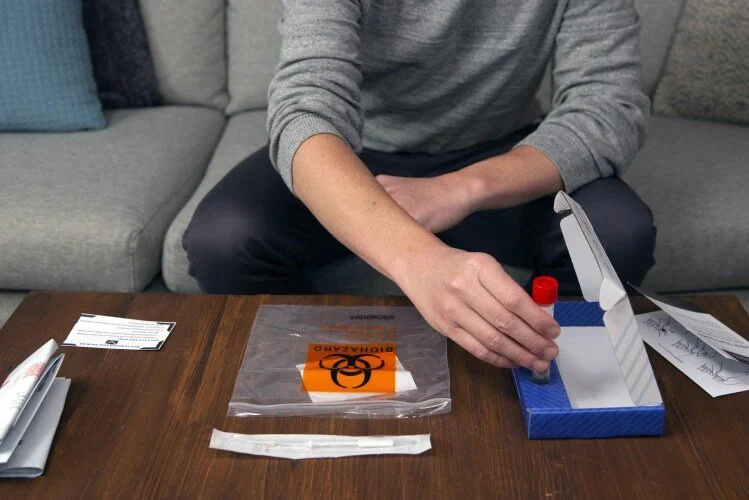
Testing.com has the most extensive collection of at-home testing and lab testing data on the web. 

They realize that everyone is different and everyone’s experiences are unique. Because of this, they have talked to countless people and families to understand what their true pain points about their personal health are and how they’re dealing with it in their everyday lives. They also work with health care and lab experts to understand what they think consumers should know and how to best to empower themselves to make the best health decisions.

Free from financial obligations to investors, Testing.com delivers testing information that you can trust.

Testing.com is produced by a team of writers and experts that are passionate about delivering accurate, fact-checked, user-focused information that will help people make good decisions.

They do NOT accept and host advertisements for testing labs or companies.


Visit their website to see all the at-home tests they
provide including COVID-19.

https://www.testing.com/

'Chinatown Pretty' Celebrates Asian American Elders And Their Sartorial Flair

dorothy-quock_custom-0f949e42afab09ab6506ef7479bacf64de80cd48-s1300-c85.jpg

The Picture Show
PHOTO STORIES FROM NPR

March 5, 2021

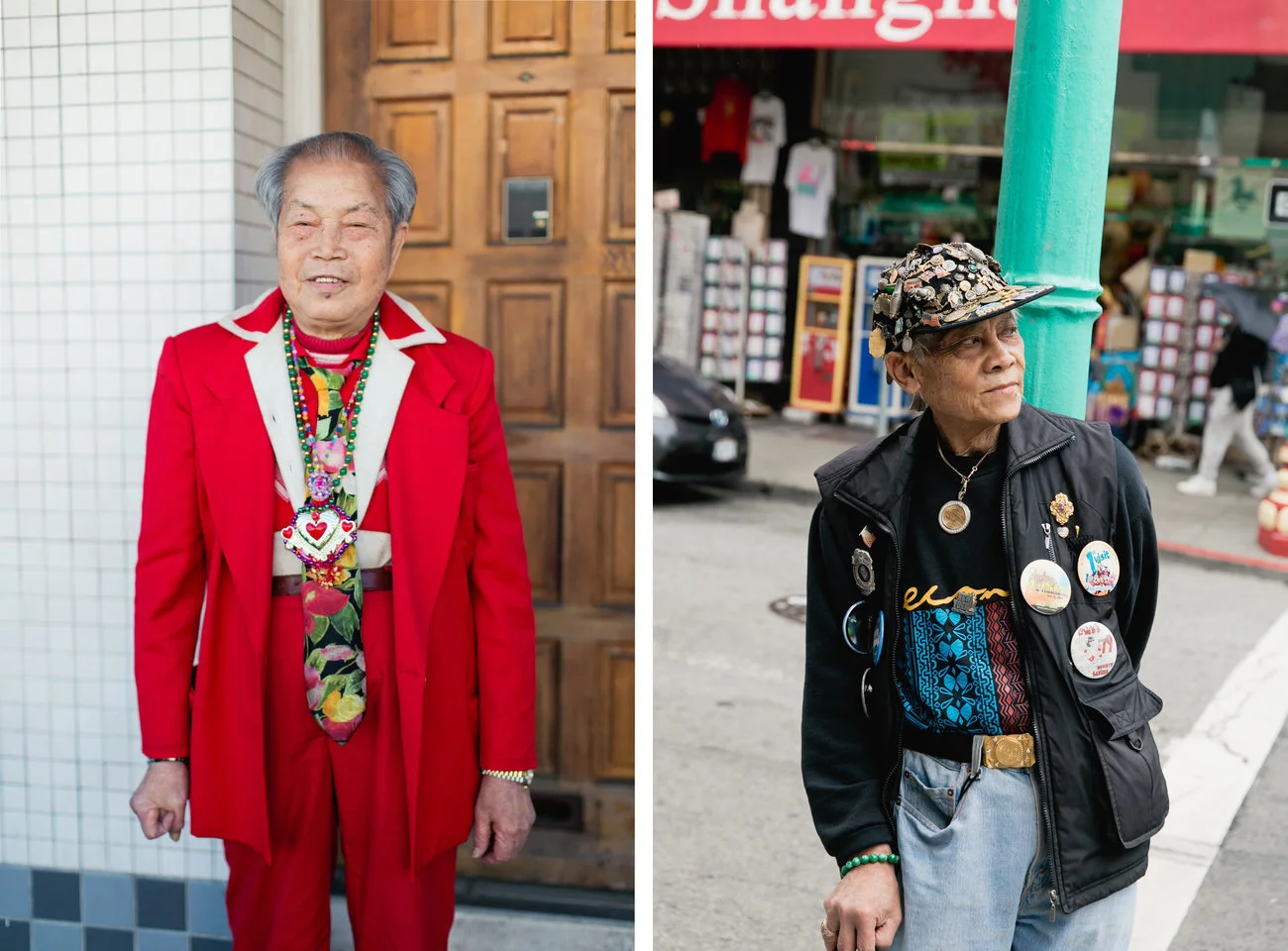
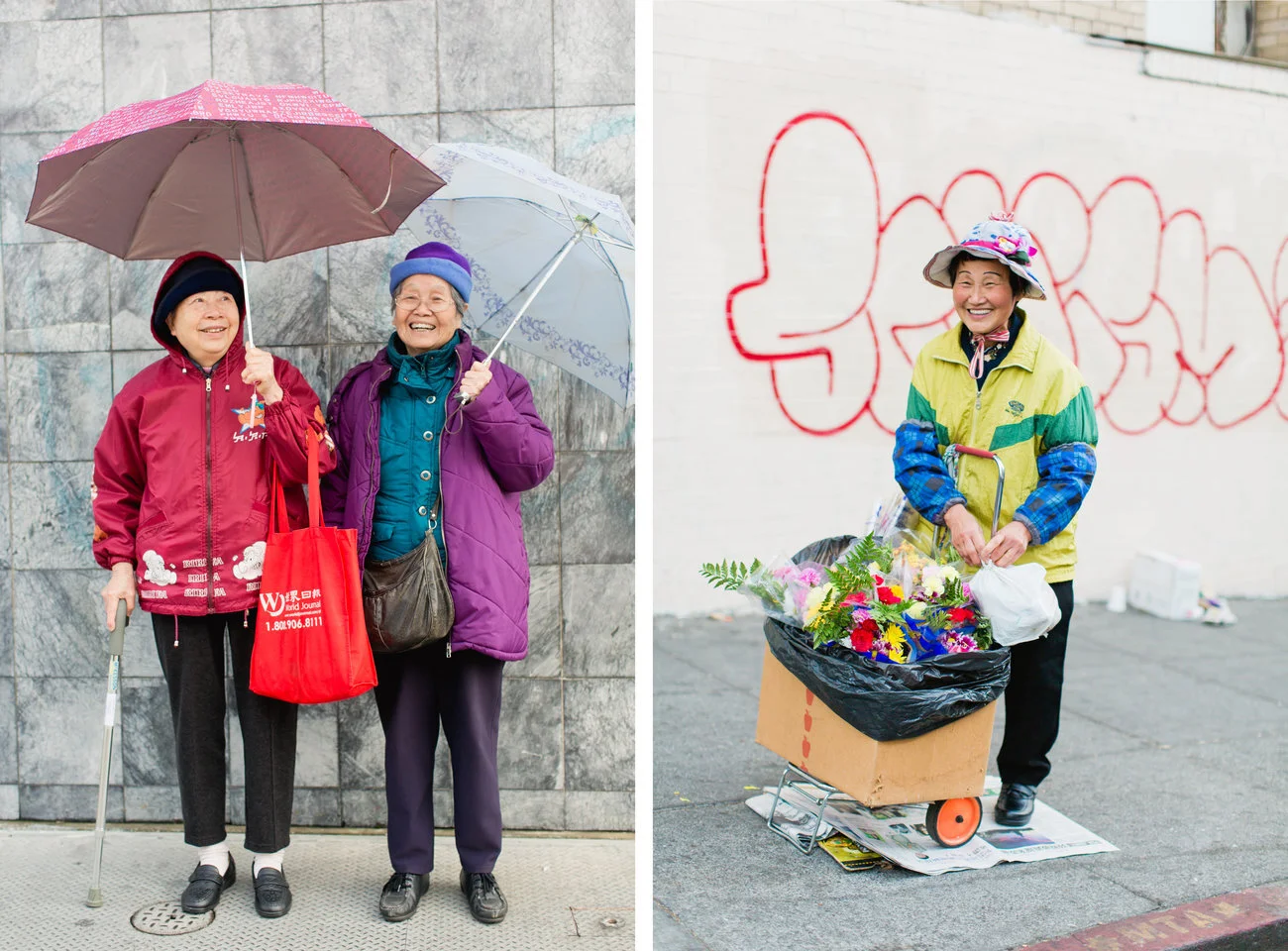
In Chinatown Pretty, photographer Andria Lo and writer Valerie Luu document the vibrant street style of seniors in Chinatowns across North America.

The photos burst with color and swag. But the heart of the project goes beyond the sartorial: "The clothes serve as a gateway to their life histories," Luu says. "We interview them about what they did before retirement as well as their immigration journeys, which are often rife with taxing stories of work, war and loss. And now add to that, a global pandemic."

Amid the harrowing challenges posed by coronavirus — and a recent surge of anti-Asian hate crimes targeting the elderly — the images of Chinatown Pretty are a powerful, and often spirited, reminder of these seniors' joy and resilience.

"We see tender stitches keeping cardigan buttons in place, or two or three bags combined to maximize storage," Luu said of the portrait subjects' resourcefulness. "The DIY ethos is thickly woven into Chinatown seniors' approach to clothes and accessories."

NPR spoke to Luu and Lo about the project, which the duo started in 2014, and now includes interviews from more than 100 people from San Francisco, Oakland, Los Angeles, Chicago, New York and Vancouver. Their answers have been edited for length and clarity.


What was the inspiration for Chinatown Pretty?

When we went on dim sum dates in San Francisco's Chinatown, we noticed there was a distinct style among the seniors — patchworks of colors, patterns and textures that made for joyful and unexpected looks. Imagine your grandpa wearing a Supreme hat with a two-piece patterned set, silk scarf and the coolest Nikes. We wanted to understand how these people composed their outfits — and more importantly, where they got their shoes.

So it started out with wanting to know more about their clothes, but the project quickly evolved into a celebration of their lives.

Were there any particular challenges in photographing this demographic?

Our project captures the fashion of Chinatown seniors through street photography and on-the-street interviews. Therefore, it's very ephemeral. Sometimes we only get a chance to chat with them for a few minutes before they get on a bus or carry on with their errands for the day. Since Chinese seniors tend to be more private (and because they're probably caught off guard by people going nuts over their outfits), we have a 90% rejection rate.

I came across Chinatown Pretty for the first time this year and couldn't help but see it through the lens of the pandemic and other recent events, namely the attacks on Asian seniors across the country. Does this project carry a different weight for you now than when you first started?

This year has been hard for Chinatowns. The decline in business that started before the pandemic was exacerbated by the economic destruction caused by the virus — the quiet got quieter. Then, an increase in hate crimes, robberies and attacks on elders. Senior citizens, a driving force of Chinatown, have become less visible. In San Francisco, there aren't as many card and chess players in Portsmouth Square or regulars discussing the news while eating chicken rice at Dol Ho.

However, it's still possible to connect with older folks. We're finding new ways to give love to the Chinatown community — spending money at restaurants and shops, volunteering at food pantries, donating to causes like Feed + Fuel Chinatown, a pandemic initiative that provides hot meals to public housing residents while supporting local restaurants.

Chinatown is not just a tourist destination. It's a community of people. This project has always been about celebrating that and right now, there's a greater need to give it more love.

What do you hope will resonate with people the most?

To dress and live with abandon like the Chinatown seniors in the book. And to tell a grandma she looks pretty today.

Photographer Andria Lo and writer Valerie Luu are based in the San Francisco Bay Area. Their book "Chinatown Pretty" is out now.


Link to original NPR article
https://www.npr.org/sections/pictureshow/2021/03/05/968344903/chinatown-pretty-celebrates-asian-american-elders-and-their-sartorial-flair

Check out our latest Review!

blog2-banner-11-skills-770x470.jpg

The theme for Social Work Month 2021 is
Social Workers Are Essential.

And we couldn't agree more! There are so many professions that work together to serve older adults and each of them is invaluable.

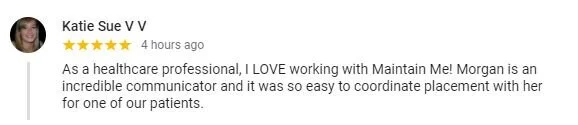
Katie thank you for the kind review and for what you do for our senior community.

Katie Sue 3.1.21.JPG

Happy Social Work Month!

#SocialWorkIsEssential #EssentialSocialWorker #SocialWorkMonth #SWMonth

Chelsea's Success Story

unnamed.jpg

I am no longer afraid.

As we have all seen in the industry, many families were pushing to keep their loved ones at home when the uncertainty of Coronavirus found its way into our world. Families were leaning on each other more than ever due to many at home services becoming limited with staffing and COVID protocols.

I was introduced to a family who had really stepped into this caregiver role while determining what was best for their parents. This particular husband and wife started to need more assistance than what they could receive at home with the wife recently suffering from a stroke leaving her ability to care for her husband with dementia very limited. They were so blessed to be able to have a daughter who worked in the industry as a certified nurse assistant, however even those of us who have caregiver experience when too close to the situation can be very overwhelming. Not only is it hard to step into this role but to do it and still try to make a living outside of home is not sustainable.

The daughter had reached out to me to start discussing next steps for her dad as he had recently been falling when she was not home and led to hospitalizations that were out of her control. The daughter admitted they had waited too long because they did not want to put their dad into a community and not be able to see him.

This has been these families main concerns and rightfully so. Separating husband and wife with the unknown of when they will see each other again is devastating, and even more so when your loved one is declining.

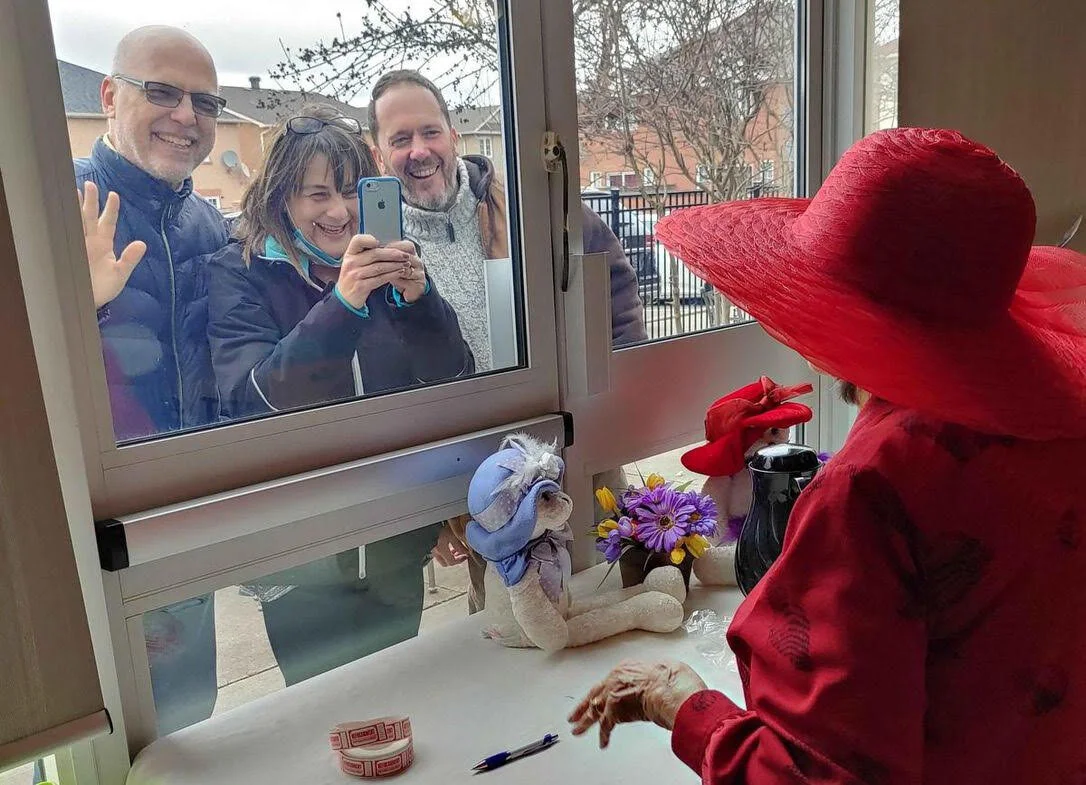
Maintain Me has been working closely with all the communities here in the Denver Metro area and I wanted to take a second to educate the community about how creative they have been about trying to keep families united and together. I am so grateful to see families come together to care for one another and also proud of them for working through these hard times. Communities have created spaces for families to be together, they have purchased iPad and helped seniors one-on-one to call and video their families, created window visits (as hard as that may seem) and continue everyday to ensure the safety of our aging population while honoring what means the most to them, family!

I hope this story will give hope to those who are in the caregiver role right now as well as provide thanks to our communities who continually are trying to make this better for our clients. TOGETHER we can find a way to serve our aging population to the best of our ability during trying times!


Chelsea Sweeney
RN Case Manager
Certified Placement Referral Specialist (CPRS)


720-629-3050
Chelsea@maintain-me.com

Let’s Get Away Together

all_suitcase1_shutterstock.jpg

This series organized by the The Family Caregiver Alliance is comprised of interactive sessions with each week focusing on a new place or cultural activity, while incorporating storytelling, music, poetry writing, and/or a simple craft.

Each session will include a follow-up message filled with tips, activities, and recipes for families to continue to enjoy after the virtual trip. The focus of each group is to explore a new world, experience a variety of engaging opportunities, and enjoy a sense of camaraderie and community.

Let’s Get Away Together is intended to be an enjoyable activity for family caregivers and the person they care for. Those receiving care who are able to participate in the discussion and activities are encouraged to attend with their family caregiver.

March 2—Exploring the Wisdom and Wit of Dr. Seuss!
Explore Dr. Seuss’ influential wisdom and wit, and much of his lesser-known and hidden artwork, in honor of his birthday!


March 9—Flash from the Past: Iconic Toys and Other Collectibles
Let’s explore and reminisce about iconic toys and other collectibles - you may be surprised at what you discover!


March 16—Virtual St. Patrick’s Day Party!
Bring your green and join Katrina for a celebration of St. Patrick’s Day, including live, traditional Irish fiddle music and history of the holiday!


March 23—Nature's Wonders: Exploring the Spring Equinox
Spring is here! Let’s welcome the new season by viewing extraordinary gardens and waterscapes around the world.


March 30—Spring has Sprung!
A joyful look at spring through art with an April Fool’s twist


April 6—Encore! Celebrating Classical Music
Learn about well-known composers and listen to their music in this informative dialogue on classical music favorites, including a LIVE performance.


April 13—Adventures to Fiji!
What islands have you traveled to? Let’s explore the gorgeous beaches, oceans, culture, and life of the Fijian Islands.


When: Tuesdays, February 23 to April 13, from 1 to 2 p.m. (PT)
Where: Online
Cost: No charge
Registration: https://zoom.us/meeting/register/tJcoceGoqTIrHdyCrhWo3FyEDBPo3FcMslWW
Contact: edprograms@caregiver.org

Registration is open to family caregivers.

Small Business Highlight- Clearing Space

decluttering-and-downsizing-for-better-mental-health.jpg

We have highlighted Clearing Space in the past but thought it was a great time to re-share the small locally owned business as they are wonderful to work with.

Having spent WAY more time at home this last year you may be feeling the fatigue of your space being out of sorts. Rearranging, reorganizing and decluttering are great ways to feel energized at home. She also offers many levels of assistance to older adults who may need to downsize or move.

Theresa Cashman: Owner of Clearing Space:
"Growing up, our Memere’ would tell us stories from her days growing up during the Depression. One Christmas, all 9 of her siblings gave up their Christmas presents so she could get a much-needed pair of glasses. Through these stories, she taught me the value of the things in our lives.

Today, we are blessed with an abundance of things in our home. This can sometimes reach the point of overwhelm, but it doesn’t have to be that way."


Clearing Space offers decluttering, downsizing, and relocation services. Our mission is to help folks clear clutter and prepare their space for the next chapter in their lives. If that includes a move, we relieve seniors and family from the physical, mental, and emotional labor of moving by coordinating space planning, packing, moving, and unpacking.

Let us clear space for what comes next in your life!


Specializing is moves for older adults where they need Point A to Point B- full service support. Pack, hire movers, project manage, design the layout at the new place, execute the move and unpack on the other side.


https://tlcclearingspace.com/

Do you know the difference between a Nursing Home and Community style living?

Many Americans don't want to think about aging and where they will go if they are no longer able to stay independent at home.

Unfortunately, this mentality will greatly limit your options when that time comes. There are so many different styles of communities beyond the traditional nursing home model.


Have you thought about what type of facility you would prefer to live at?

Do you have a financial plan in place to get you there?


These are the important questions we all need to be asking ourselves and loved ones now!

Stepping into the mind of someone with Dementia

613oVC2f-SL._UY200_.jpg

We found Laura Wayman's video in her blog post to be extremely impactful. She created a video of the first person experience of what an individual with dementia thinks and feels.

The lack of being able to process everyday situations can be extremely distressing. She shares some great ways to help ease confusion, frustration and even fear someone may have when viewing life through the lens of dementia.

Laura is the author of "A Loving Approach to Dementia Care". She has presented as the keynote speaker to over 500 audiences, leads trainings, and hosts a monthly radio show. We encourage you to visit her website that is rich with dementia related information.
 https://laurawayman.com/

Laura's blog post Oct. 19, 2020:

Living with dementia can be frightening, disorienting and noisy. Perhaps the most anxiety-provoking aspect about it is that the people who care for the person living with symptoms often don’t truly understand what the daily experience is like. This can make it challenging for caregivers to connect with those in their care.

To create a space where someone feels understood and safe, it is beneficial for caregivers to attempt to understand what it’s like to walk in the shoes of someone living with memory impairment. Here are some of the hurdles they must face throughout the day.

Visual impairment: This can result in a decrease in depth perception, making it difficult to differentiate between what is real and what is a hallucination. Low lighting can cause further difficulties, creating more stress and anxiety for the already-impaired brain while they attempt to process visuals.

Loss of balance: A loss of learned coordination can lead to disorientation, which often results in increased chances of falling or bumping into walls and furniture. This can lead to very serious injuries.

Inability to process information: Having a difficult time processing instructions or questions can create barriers to responding both physically and verbally, which can increase anxiety when attempting to answer questions.

Feeling fear: Seemingly ordinary situations, such as navigating a path to the bathroom or back to a room in the middle of the night, can become terrifying if obstacles are in the way or if a different path has to be taken. This can provoke a feeling of fear even when someone is safe.

Once you understand the journey of someone living with dementia or Alzheimer’s disease, it’s imperative to use that information to enhance their experience. One of the best ways a caregiver can do this is to minimize the processing of information that can make seemingly simple tasks feel very daunting. To put it simply, do the thinking for them. This means not asking questions if they can be avoided, predicting situations that could pose challenges and offering solutions proactively so they don’t need to find the words for them.

While these are very broad solutions to how to effectively care for someone who is memory impaired, they are important steps toward becoming #dementiaaware. For a deeper look into what it’s like to live with dementia symptoms, I invite you to watch my video, “Inside the Mind of Someone with Dementia,” below.